
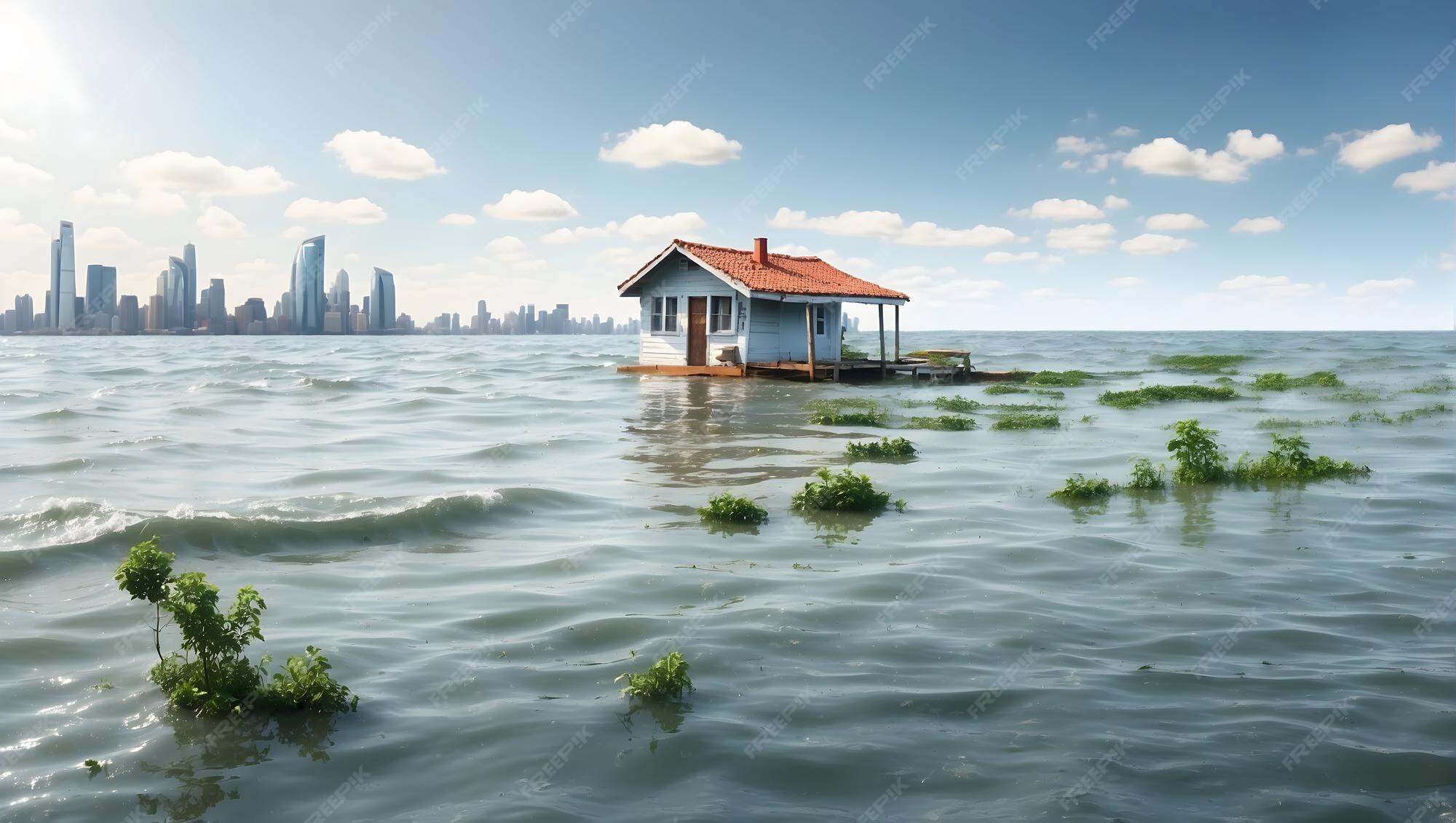
Rising sea levels, driven by thermal expansion and ice melt, will reshape coastlines, economies, ecosystems and the lives of future generations, making understanding the science and responses essential for long‑term resilience.
Quick Answer
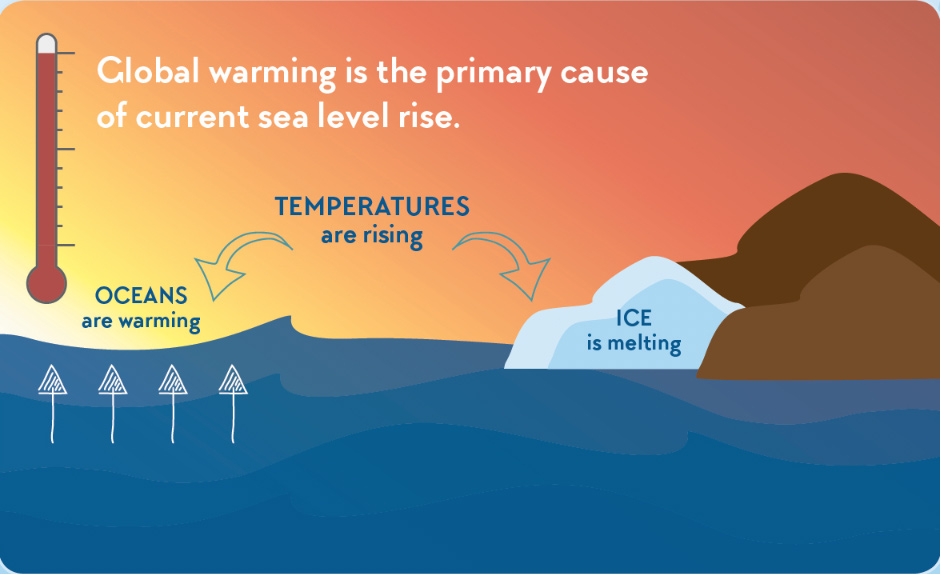
Rising sea levels occur because warming oceans expand and polar ice melts, adding water to the oceans. The IPCC reports that global mean sea level has risen about 20 cm since 1900 and will likely increase 30‑110 cm by 2100 under medium‑to‑high emission scenarios. This will increase flood risk, erode coastlines, displace communities and threaten ecosystems, especially in low‑lying regions. While the exact magnitude depends on future emissions and ice‑sheet dynamics, the broad conclusion—that sea‑level rise will have substantial, lasting impacts on future generations—is supported by strong observational and modelling evidence.
Key Takeaways
- Sea‑level rise is driven by thermal expansion and melting ice, with a measured increase of ~20 cm since 1900.
- Future projections (IPCC AR6, 2021) suggest 30‑110 cm rise by 2100, varying by emissions pathway.
- Impacts include intensified coastal flooding, loss of habitats, economic disruption and population displacement.
- High‑confidence findings: the physical mechanisms, observed trends and the need for adaptation.
- Uncertainties remain in ice‑sheet dynamics, regional land‑movement and socioeconomic responses.
What Is How Rising Sea Levels Will Affect Future Generations?
The phrase refers to the cascade of environmental, social and economic changes that result when ocean waters permanently rise relative to land. It encompasses the physical rise, the resulting exposure of coastal zones, and the long‑term consequences for people, ecosystems and infrastructure that will be inherited by children and grandchildren. Unlike short‑term storm surge, sea‑level rise is a persistent shift that reshapes the baseline of coastal environments.
How Does It Work?
Physical Mechanisms
- Thermal expansion: As seawater warms, its volume increases. Ocean heat content has risen by roughly 20 % since the mid‑20th century, contributing about half of observed sea‑level rise (NOAA, 2022).
- Ice‑sheet and glacier melt: The Greenland and Antarctic ice sheets lost an estimated 3.9 mm and 0.9 mm of sea‑level equivalent per year between 2002‑2020 (IPCC AR6, 2021).
- Land‑water storage changes: Groundwater extraction and reservoir construction can slightly modify sea level, but their contribution is minor compared with the first two drivers.
Feedbacks and Thresholds
Ice‑sheet dynamics involve nonlinear feedbacks such as ice‑shelf collapse, which can accelerate melt. Once certain thresholds (e.g., loss of the West Antarctic Ice Sheet) are crossed, sea‑level contributions could become irreversible on human timescales.
What Does the Evidence Show?
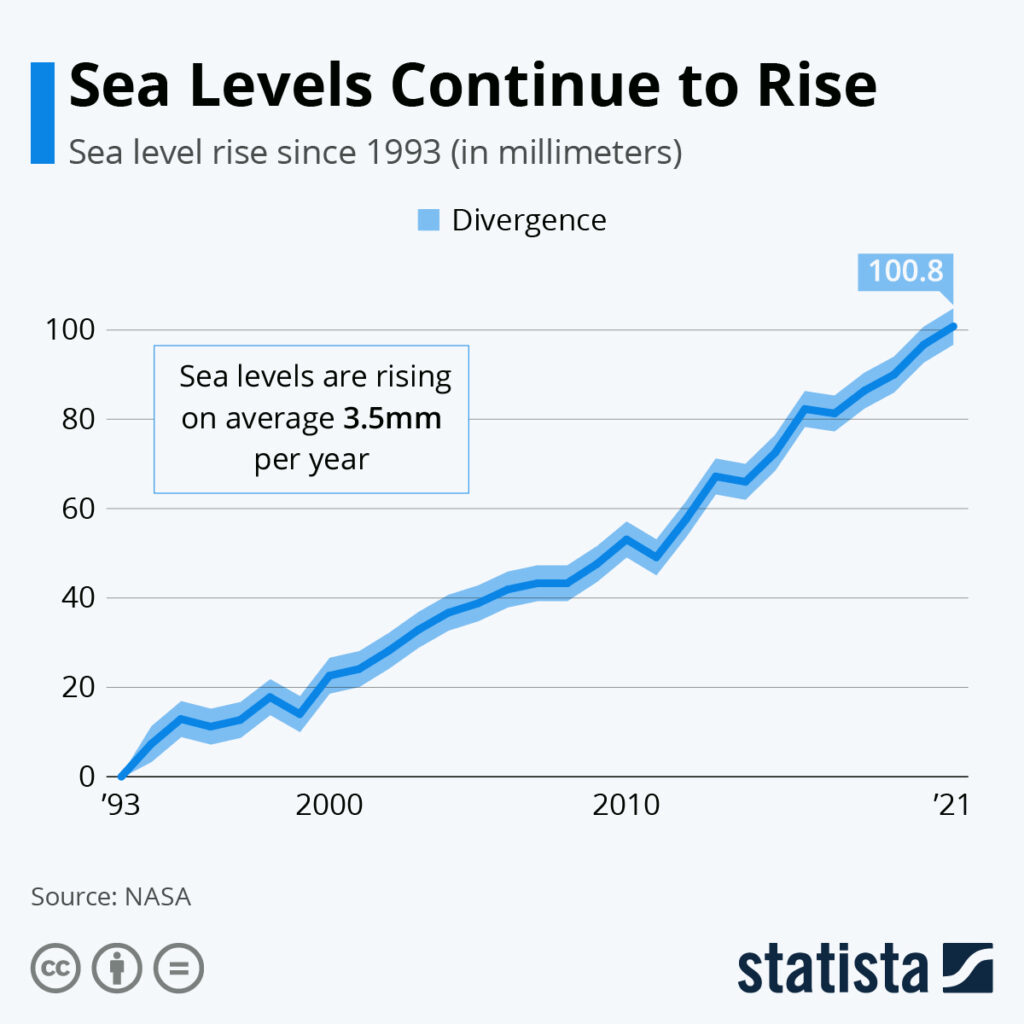
Long‑term tide‑gauge records, satellite altimetry (since 1993) and gravimetric data (GRACE) consistently document a global mean rise of about 3.3 mm yr⁻¹ over the past three decades. Peer‑reviewed synthesis in the IPCC Sixth Assessment Report (2021) integrates these observations with climate‑model simulations, concluding that the rise is unequivocal and primarily anthropogenic. Regional variations—up to 1 m higher in parts of the western Pacific—are linked to ocean currents, land subsidence and gravitational effects of melting ice.
Main Causes or Drivers
Direct Causes
- Increased greenhouse‑gas concentrations leading to higher global temperatures.
- Resulting ocean warming (thermal expansion).
- Accelerated melt of glaciers, Greenland and Antarctic ice sheets.
Underlying Drivers
- Fossil‑fuel combustion and land‑use change that raise atmospheric CO₂.
- Feedbacks within the climate system, such as reduced albedo from ice loss.
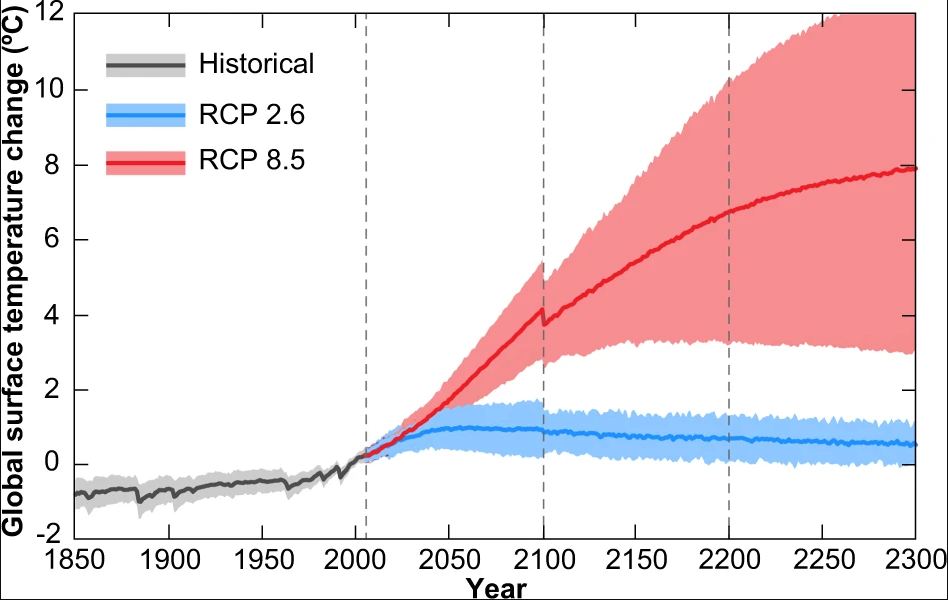
- Socio‑economic pathways that determine future emissions (e.g., SSP scenarios).
Environmental and Human Impacts
Environmental Impacts
- Coastal habitat loss: Mangroves, salt‑marshes and coral reefs may be submerged or experience altered salinity, reducing biodiversity and ecosystem services.
- Increased erosion: Higher base water levels allow waves to reach further inland, accelerating shoreline retreat.
- Ocean‑acidification synergy: Warmer, more acidic waters can stress marine organisms, compounding habitat stress.
Human Health and Social Impacts
- Higher frequency of coastal flooding raises exposure to water‑borne pathogens and mental‑health stressors.
- Displacement of low‑income coastal residents can lead to climate‑related migration and social tension.
- Loss of culturally significant sites erodes heritage for indigenous and local communities.
Economic and Infrastructure Impacts
- Infrastructure such as roads, ports and sewage systems faces increased damage risk, requiring costly upgrades or relocation.
- Tourism economies dependent on beaches may decline as sand erodes and resorts become flood‑prone.
- Agricultural lands in deltas may become saline, threatening food security for millions.
Regional Differences
Impact intensity varies with geography:
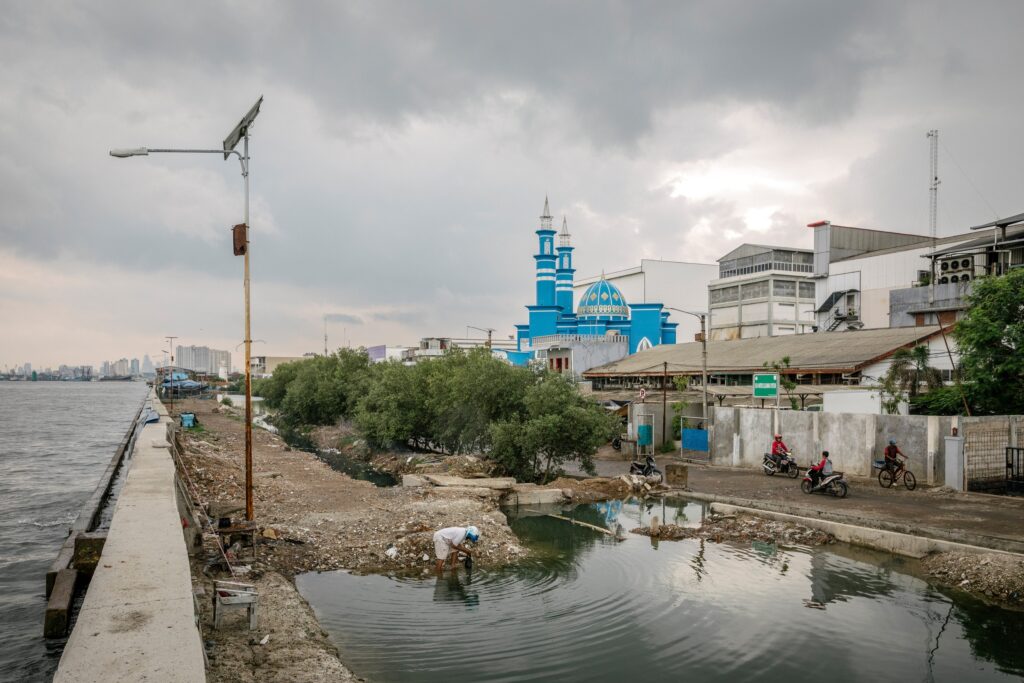
- South‑East Asia: Low‑lying megacities like Jakarta and Bangkok already experience subsidence‑enhanced sea‑level rise, threatening >100 million people.
- North America: The U.S. Gulf Coast and Atlantic seaboard face heightened hurricane‑storm surge risk; the West Coast sees slower rise but significant land‑subsidence in parts of California.
- Small Island Developing States (SIDS): Nations such as the Maldives and Kiribati confront existential threats, with some islands already experiencing chronic inundation.
- Europe: The Netherlands, with extensive flood‑defence infrastructure, illustrates high adaptation capacity, yet even well‑protected areas will need upgrades.
What Scientists Know With High Confidence
- Global mean sea level has risen by about 20 cm since 1900 and the trend is accelerating.
- Thermal expansion and ice‑sheet melt are the dominant contributors to observed rise.
- Future sea‑level rise is virtually certain under continued greenhouse‑gas emissions.
- Coastal flooding frequency will increase even without changes in storm intensity.
What Remains Uncertain
Key uncertainties include the rate at which the Antarctic ice sheet may destabilize, the magnitude of regional land‑movement (subsidence or uplift), and the socioeconomic pathways that will determine exposure and adaptive capacity. These gaps affect precise local projections but do not alter the overall expectation of significant rise.
Common Misconceptions
Misconception: Sea‑level rise is the same as occasional storm surge.
Reality: Storm surge is a temporary rise caused by weather events; sea‑level rise is a permanent shift that raises the baseline for all tides and surges.
Misconception: Only tropical islands will be affected.
Reality: While islands are highly vulnerable, major coastal cities worldwide—including New York, London and Shanghai—face increased flood risk.
Misconception: Sea‑level rise will stop if emissions are reduced.
Reality: Even with rapid emissions cuts, inertia in the climate system means sea level will continue to rise for centuries, though the total amount can be limited.
Solutions and Limitations
Responses fall into three broad categories:
- Mitigation: Reducing greenhouse‑gas emissions slows future warming and thus limits long‑term sea‑level rise. However, mitigation alone cannot prevent the already‑committed rise.
- Adaptation: Structural measures (e.g., seawalls, surge barriers, managed retreat) protect communities but can be costly, may shift risk elsewhere, and can impact ecosystems.
- Nature‑based solutions: Restoring mangroves, wetlands and coral reefs adds natural buffers and sequesters carbon, yet their effectiveness depends on local conditions and may be overwhelmed by extreme rise.
Each approach carries trade‑offs: hard engineering can be expensive and environmentally disruptive; ecosystem restoration requires space and time; managed retreat raises social‑justice concerns.
What Individuals, Communities, and Governments Can Do
What Individuals Can Do
- Support policies that accelerate renewable energy adoption and carbon pricing.
- Participate in local coastal‑restoration projects or citizen‑science monitoring.
- Reduce personal carbon footprints through transportation, diet and home energy efficiency.
What Communities and Organizations Can Do
- Develop and regularly update community‑wide adaptation plans that include risk mapping and evacuation routes.
- Invest in green infrastructure—such as living shorelines—that combines protection with habitat creation.
- Engage in climate‑justice dialogues to ensure vulnerable populations are included in decision‑making.
What Governments Can Do
- Implement ambitious mitigation targets aligned with the Paris Agreement to limit warming to 1.5 °C.
- Allocate funding for resilient infrastructure, especially in low‑income coastal regions.
- Enforce land‑use planning that discourages development in high‑risk zones and facilitates orderly retreat where necessary.
Closing Synthesis
Rising sea levels result from well‑understood physical processes—thermal expansion and ice melt—driven by human‑induced climate change. Robust observations and the IPCC assessment confirm that the trend will continue, reshaping coastlines, ecosystems and societies for generations to come. While high confidence exists about the direction and broad magnitude of rise, uncertainties remain in ice‑sheet dynamics and local socioeconomic responses. Effective action combines rapid emissions mitigation, strategic adaptation, and nature‑based solutions, each with its own limitations. By aligning policies, community planning and individual choices with the best available science, we can lessen the burden on future generations and preserve the planet’s coastal heritage.
Frequently Asked Questions
What causes sea levels to rise?
Sea levels rise mainly because warming oceans expand (thermal expansion) and because melting glaciers and ice sheets add extra water. Both processes are driven by increased greenhouse‑gas concentrations.
How much is sea level expected to increase by 2100?
According to the IPCC Sixth Assessment Report (2021), under medium‑to‑high emission scenarios global mean sea level could rise 30–110 cm by the end of the 21st century, with regional variations.
Which regions are most vulnerable to sea‑level rise?
Low‑lying coastal areas such as South‑East Asian megacities, small island nations, and delta regions like the Nile and Mississippi are especially vulnerable, though major cities worldwide also face increased flood risk.
What are the high‑confidence findings about sea‑level rise?
Scientists are highly confident that sea level has already risen about 20 cm since 1900, that thermal expansion and ice melt are the main drivers, and that continued emissions will cause further rise.
What actions can individuals take to address sea‑level rise?
Individuals can support strong climate policies, reduce their carbon footprints, and engage in local coastal‑restoration or citizen‑science projects that help monitor and protect vulnerable shorelines.





Leave a Comment