Critically endangered species are organisms classified by the IUCN as facing an extremely high risk of extinction in the wild, and their decline signals a deepening biodiversity crisis that threatens ecosystems, human well‑being, and planetary resilience.
Quick Answer
Critically endangered (CR) species are listed by the International Union for Conservation of Nature (IUCN) when they have a less than 10 % chance of surviving 100 years in the wild, based on quantitative criteria such as rapid population decline, very small range, or fewer than 250 mature individuals. Their loss is driven chiefly by habitat destruction, climate change, overexploitation, and invasive species, which together erode ecosystem services like pollination, carbon storage, and water purification. High‑confidence research shows that well‑managed protected areas and targeted recovery programs can reduce extinction risk, but sustained funding and effective governance remain essential. Uncertainty persists around exact extinction timelines for many poorly studied taxa and the long‑term efficacy of emerging genetic rescue techniques.
Key Takeaways
- CR status means a species faces an extremely high risk of extinction within the next century, according to IUCN Red List criteria.
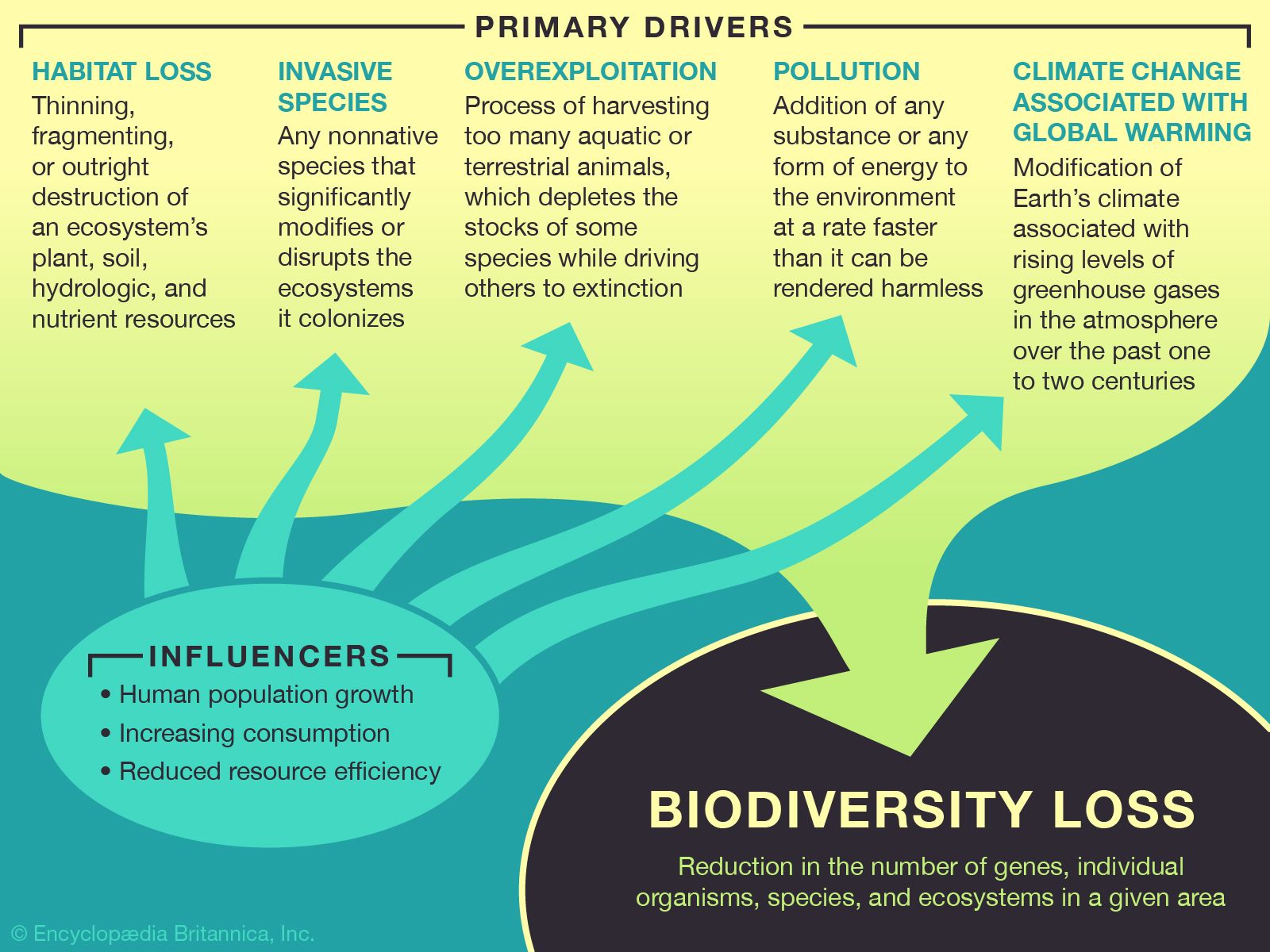
- Habitat loss, climate change, overexploitation, and invasive species are the four dominant drivers of CR listings.
- The disappearance of CR species weakens pollination, nutrient cycling, and carbon sequestration, directly affecting food security and climate regulation.
- Protected areas and species‑specific recovery programs can lower extinction risk by up to 40 % when adequately funded and governed.
- Key uncertainties include species‑specific extinction thresholds, adaptive capacity to rapid climate change, and the long‑term outcomes of gene‑drive or genetic‑rescue technologies.
What Is Critically Endangered Species: Inside the Global Biodiversity Crisis?
The IUCN Red List sorts species into categories that reflect their risk of extinction. “Critically endangered” (CR) sits at the top of the threatened spectrum, defined by any of the following quantitative thresholds: a population decline of ≥ 80 % over ten years or three generations; an extent of occurrence smaller than 100 km² with continuing decline; or fewer than 250 mature individuals remaining. As of the 2022 global assessment, more than 6,000 species across mammals, birds, amphibians, fish, insects, and plants carry the CR label. This category differs from “Endangered” (EN) and “Vulnerable” (VU) by the immediacy and magnitude of extinction risk, making CR species key indicators of ecosystem health.
How Does It Work?
Ecological Context
Every species occupies a niche within food webs and habitat networks. When a CR species disappears, its ecological role—whether as predator, pollinator, or nutrient recycler—is lost, potentially triggering cascading effects. For example, the decline of large herbivores can alter vegetation structure, increasing fire frequency and accelerating soil erosion.

Assessment Process
The IUCN Red List assessment follows a standardized workflow:
- Collect population and distribution data from field surveys, remote sensing, and citizen‑science platforms.
- Apply quantitative criteria (A–E) that evaluate trends, range size, and demographic parameters.
- Subject the draft classification to peer review by taxonomic and regional experts.
- Publish the status in the Red List database, updating it at least every ten years.
Feedback Loops
Human activities that cause habitat loss also facilitate invasive species establishment, which further depresses native populations. Climate change can shift suitable habitats poleward, creating “climate traps” where species cannot migrate quickly enough, amplifying extinction risk.
What Does the Evidence Show?
Long‑term monitoring programmes such as the Living Planet Index (World Wildlife Fund, 2020) and the Global Biodiversity Outlook (UNEP, 2022) document an average 68 % decline in vertebrate populations since 1970, with the steepest drops among CR groups. Systematic reviews (e.g., Collen et al., 2016, *Science*) attribute roughly 50 % of CR listings to habitat conversion, while 20–30 % stem from climate‑related range contractions. Meta‑analyses of protected‑area effectiveness (Geldmann et al., 2019, *Nature*) indicate that well‑managed reserves can reduce extinction risk for CR species by up to 40 %.
Main Causes or Drivers
Direct Causes
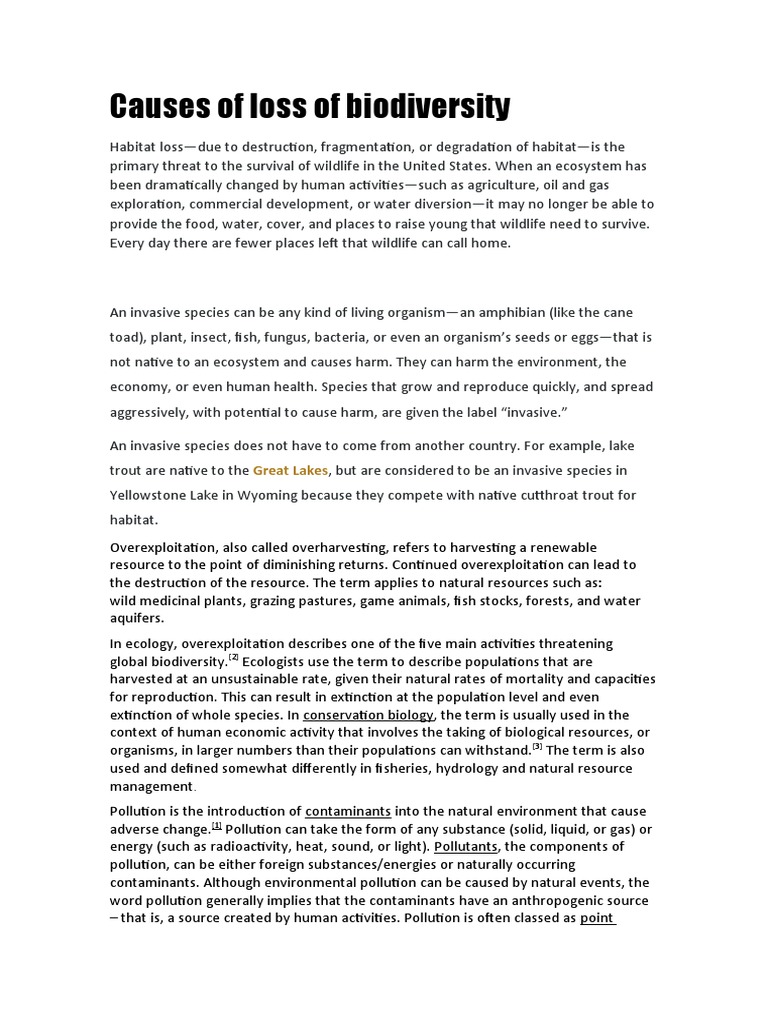
- Habitat loss: Deforestation, wetland drainage, and urban expansion remove the physical space species require.
- Climate change: Rising temperatures and altered precipitation patterns shrink or fragment suitable habitats.
- Overexploitation: Illegal hunting, poaching, and unsustainable harvest push populations beyond recovery.
- Invasive species: Non‑native predators or competitors outcompete or prey upon native CR taxa.
Underlying Drivers
- Global demand for agricultural commodities fuels land‑use change.
- Carbon‑intensive economies accelerate warming.
- Weak law enforcement and corruption enable illegal wildlife trade.
- Globalisation facilitates accidental introductions of invasive organisms.
Environmental and Human Impacts
Environmental Impacts
Loss of CR pollinators reduces crop yields, while the disappearance of apex predators can cause trophic cascades that alter fire regimes and water quality. Wetland‑dependent CR amphibians help filter pollutants; their decline compromises water purification services.
Human Health and Social Impacts
Diverse ecosystems often dilute pathogen reservoirs; reduced biodiversity can increase disease transmission. Indigenous cultures that rely on specific species for food, medicine, or spiritual practices face cultural erosion when those species vanish.
Economic and Infrastructure Impacts
Tourism linked to charismatic CR species—such as mountain gorillas—generates billions of dollars annually (UNDP, 2021). Their loss would directly affect livelihoods in many low‑income regions and reduce revenue for conservation‑dependent economies.
Regional Differences
Temperate regions like North America and Europe report higher proportions of CR mammals and birds, reflecting historic land‑use intensity. Tropical hotspots—including the Congo Basin and Southeast Asia—host the greatest numbers of CR amphibians and reptiles, where rapid deforestation and illegal trade intersect. Island ecosystems, exemplified by the Hawaiian honeycreepers, experience disproportionate risk from invasive species because of their isolated evolutionary histories.
What Scientists Know With High Confidence
- Habitat loss is the leading driver moving species into the CR category.
- Climate change is already causing measurable range contractions for many CR taxa.
- Well‑managed protected areas that encompass critical habitats can significantly lower extinction risk.
- Genetic bottlenecks increase vulnerability, and captive‑breeding programs can restore genetic diversity when properly managed.
What Remains Uncertain
Key uncertainties include precise extinction thresholds for poorly studied invertebrates and marine organisms, the speed at which species can genetically adapt to rapid climate change, and the long‑term efficacy of emerging tools such as gene‑drive technologies. Data gaps are especially acute for taxa that lack systematic monitoring, limiting comprehensive risk assessments.
Common Misconceptions
Misconception: “Only rare or exotic animals are critically endangered.”
Reality: Many CR species are relatively unknown to the public—such as certain freshwater fish in the Mekong basin—yet they provide essential ecosystem services like nutrient cycling.
Misconception: “If a species is listed as CR, it is already doomed.”
Reality: Conservation successes, for example the recovery of the California condor, demonstrate that targeted actions can move species out of the CR category.
Misconception: “Protecting a single area will save a species.”
Reality: Most CR species require landscape‑scale connectivity; isolated reserves alone are insufficient without corridors and sustainable land‑use practices.
Solutions and Limitations
Effective responses combine prevention, mitigation, and restoration:
- Habitat protection and restoration: Expanding protected networks safeguards critical areas, but financing and local community support are essential for long‑term success.
- Climate‑smart conservation: Integrating climate projections into reserve design improves resilience, yet predictive uncertainty can misguide site selection.
- Anti‑poaching enforcement: Increased patrols reduce illegal harvest, but corruption and limited resources often undermine effectiveness.
- Invasive‑species management: Eradication programs succeed on islands but are costly and may have non‑target ecological impacts.
- Ex‑situ measures (captive breeding, seed banks): Provide insurance against extinction, yet re‑introduction can be hampered by loss of wild adaptive traits.
Each strategy carries trade‑offs: land acquisition may conflict with agricultural development; climate‑smart planning requires robust climate models; enforcement actions need transparent governance; and ex‑situ programs demand substantial long‑term funding.
What Individuals, Communities, and Governments Can Do
What Individuals Can Do
- Support reputable conservation charities that fund habitat preservation.
- Choose sustainably sourced products—such as certified timber and seafood—to reduce habitat pressure.
- Participate in citizen‑science projects that collect data on local wildlife.
What Communities and Organizations Can Do
- Develop land‑use plans that preserve ecological corridors and reduce fragmentation.
- Engage in community‑based monitoring to detect illegal activities early.
- Promote eco‑tourism that generates income while protecting CR species.
What Governments Can Do
- Strengthen and enforce wildlife‑trade regulations under CITES.
- Allocate long‑term funding for protected‑area management and ecological restoration.
- Integrate biodiversity considerations into national climate‑adaptation strategies.
What Businesses and Industries Can Do
- Adopt zero‑deforestation supply chains and conduct biodiversity impact assessments.
- Invest in restoration projects that offset habitat loss.
- Support research on genetic rescue and assisted migration where scientifically appropriate.
Closing Synthesis
Critically endangered species are the most immediate warning signs of a planet under pressure. Their decline is driven by a predictable set of human‑induced forces—habitat loss, climate change, overexploitation, and invasive species—each reinforced by broader economic and governance structures. High‑confidence evidence confirms that protected areas, targeted recovery programs, and climate‑informed planning can halt or reverse declines, but success hinges on sustained financing, political will, and inclusive community participation. Uncertainties remain around species‑specific thresholds and emerging genetic technologies, underscoring the need for continued monitoring and research. By aligning individual choices, community action, and robust policy, society can safeguard these irreplaceable components of Earth’s biodiversity for future generations.
Frequently Asked Questions
What defines a species as critically endangered?
A species is classified as critically endangered by the IUCN when it meets quantitative criteria such as a population decline of 80 % or more over ten years or three generations, an extent of occurrence under 100 km² with continuing decline, or fewer than 250 mature individuals, indicating an extremely high risk of extinction within the next century.
Which human activities are the main drivers of critically endangered status?
The four dominant human‑driven drivers are habitat loss from deforestation and urban expansion, climate change that alters temperature and precipitation patterns, overexploitation through illegal hunting or unsustainable harvest, and invasive species that outcompete or prey on native taxa.
How effective are protected areas in preventing extinctions of critically endangered species?
Meta‑analyses show that well‑managed protected areas can lower extinction risk for critically endangered species by up to 40 %, especially when they encompass the species’ critical habitat and receive adequate funding and governance.
What are the biggest uncertainties surrounding the future of critically endangered species?
Key uncertainties include precise extinction thresholds for many poorly studied taxa, the speed of genetic adaptation to rapid climate change, and the long‑term outcomes of emerging tools such as gene‑drive or genetic‑rescue technologies.
What actions can individuals take to help protect critically endangered species?
Individuals can support reputable conservation charities, choose sustainably sourced products like certified timber and seafood, and join citizen‑science projects that monitor local wildlife, thereby reducing habitat pressure and improving data for conservation planning.





Leave a Comment