Antarctica’s Doomsday Glacier: Why Thwaites Threatens Global Stability
Thwaites Glacier, often called the “Doomsday Glacier,” is a massive West Antarctic ice stream whose accelerated melting could add up to three metres of
October 5, 2026
Changes in the massive ice bodies of Antarctica and Greenland.
Thwaites Glacier, often called the “Doomsday Glacier,” is a massive West Antarctic ice stream whose accelerated melting could add up to three metres of
October 5, 2026
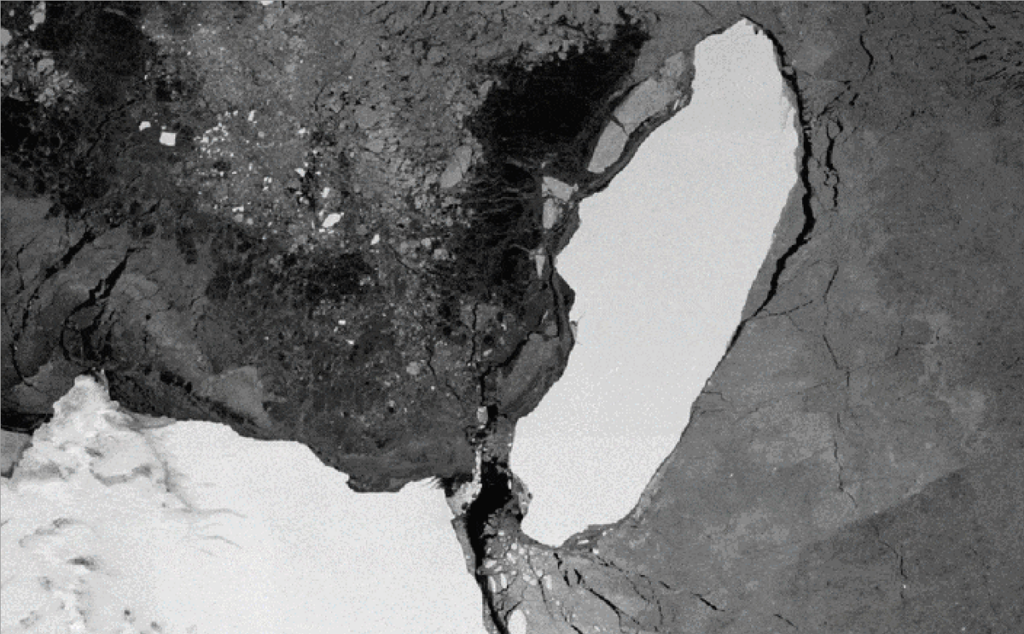
The A68 iceberg, which broke off the Larsen C ice shelf in 2017 and has now fully melted, illustrates how Antarctic ice loss contributes
September 8, 2026
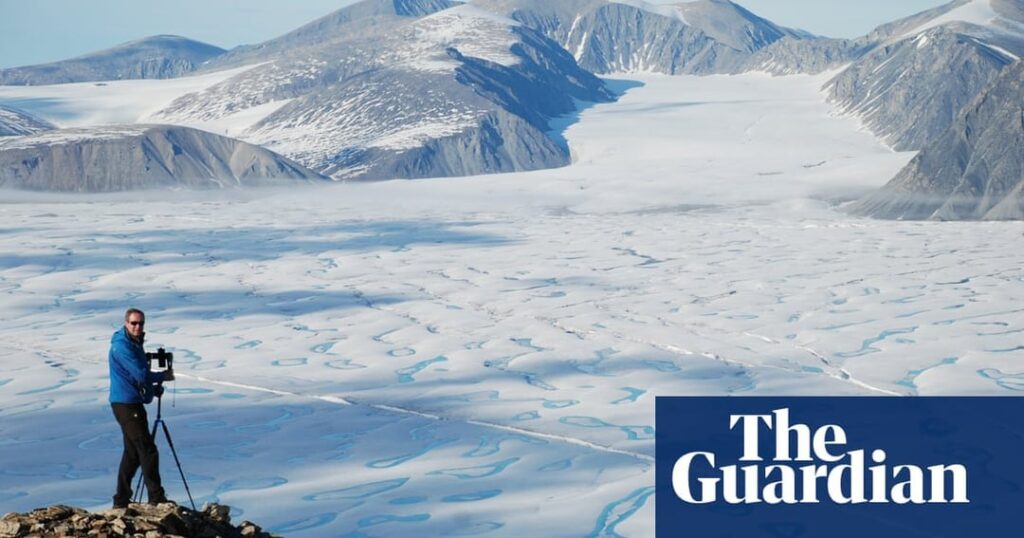
The recent collapse of Canada’s last intact ice shelf shows how warming oceans release freshwater, destabilize glaciers and alter global ocean circulation, highlighting
March 5, 2026
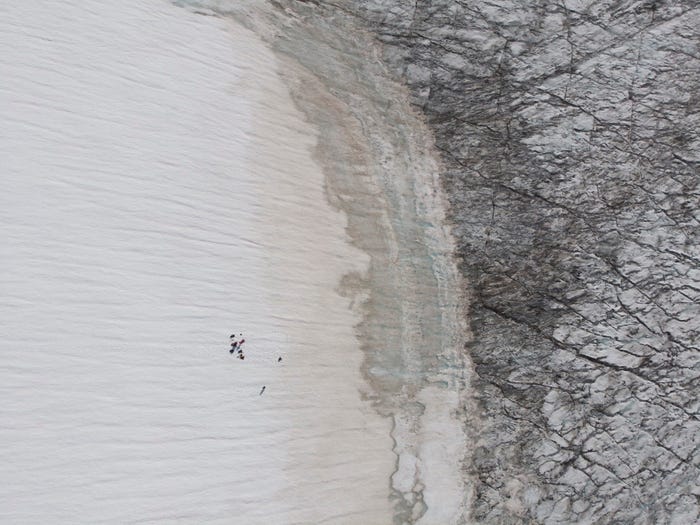
Algae blooms on Greenland’s ice sheet darken the surface, lower albedo, and accelerate melting, linking biological change to faster sea‑level rise. Quick Answer
January 30, 2026
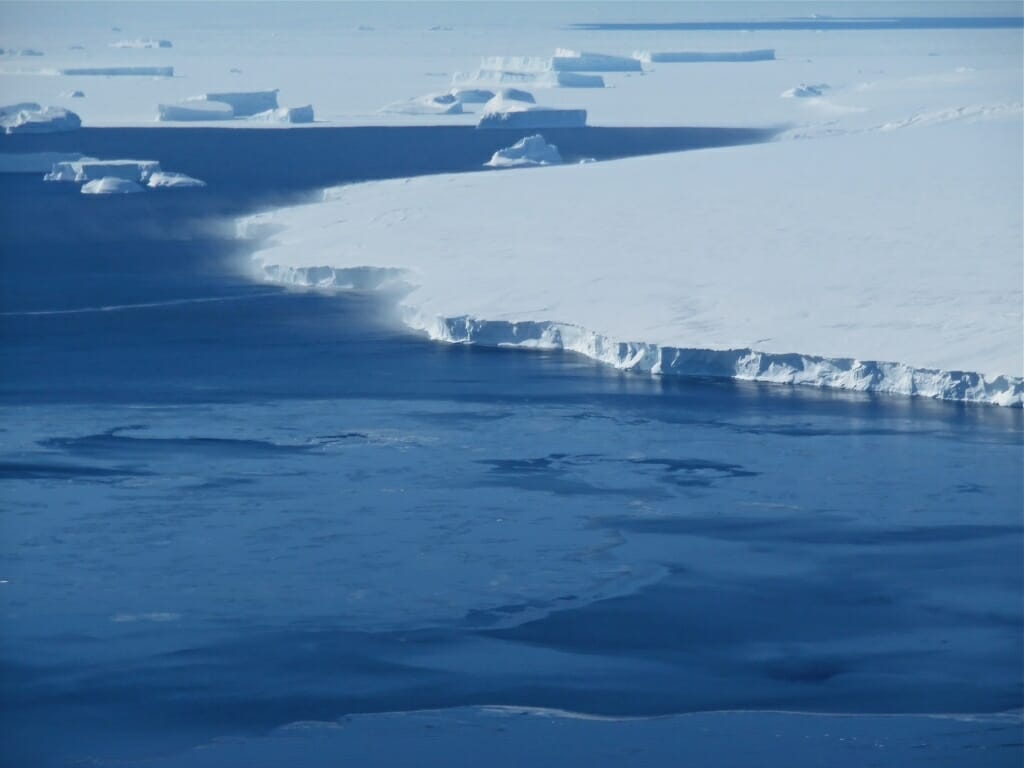
At 4°C of global warming, scientists estimate that roughly one‑third of Antarctica’s ice shelves may collapse, threatening sea‑level rise, ecosystems and human societies
January 14, 2026
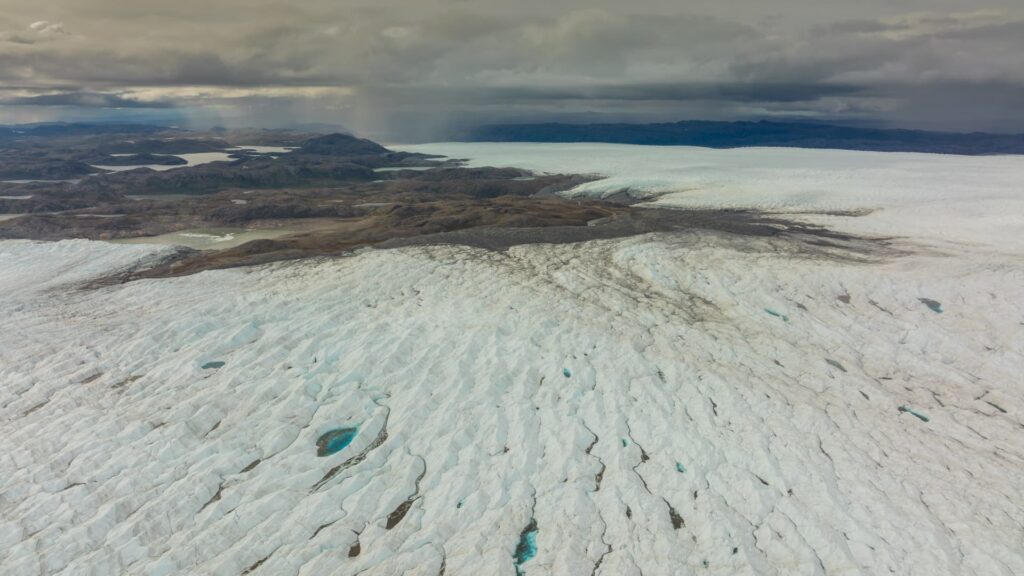
Glacier retreat around the Greenland Ice Sheet is the accelerating loss of ice due to surface melting and ocean‑driven thinning, driven by human‑induced
December 22, 2025

October 18, 2026

24Earth is an independent environmental knowledge platform explaining climate, oceans, biodiversity, pollution, energy, and planetary change through accessible, evidence-based reporting.
Copyright ©2026
24Earth.