
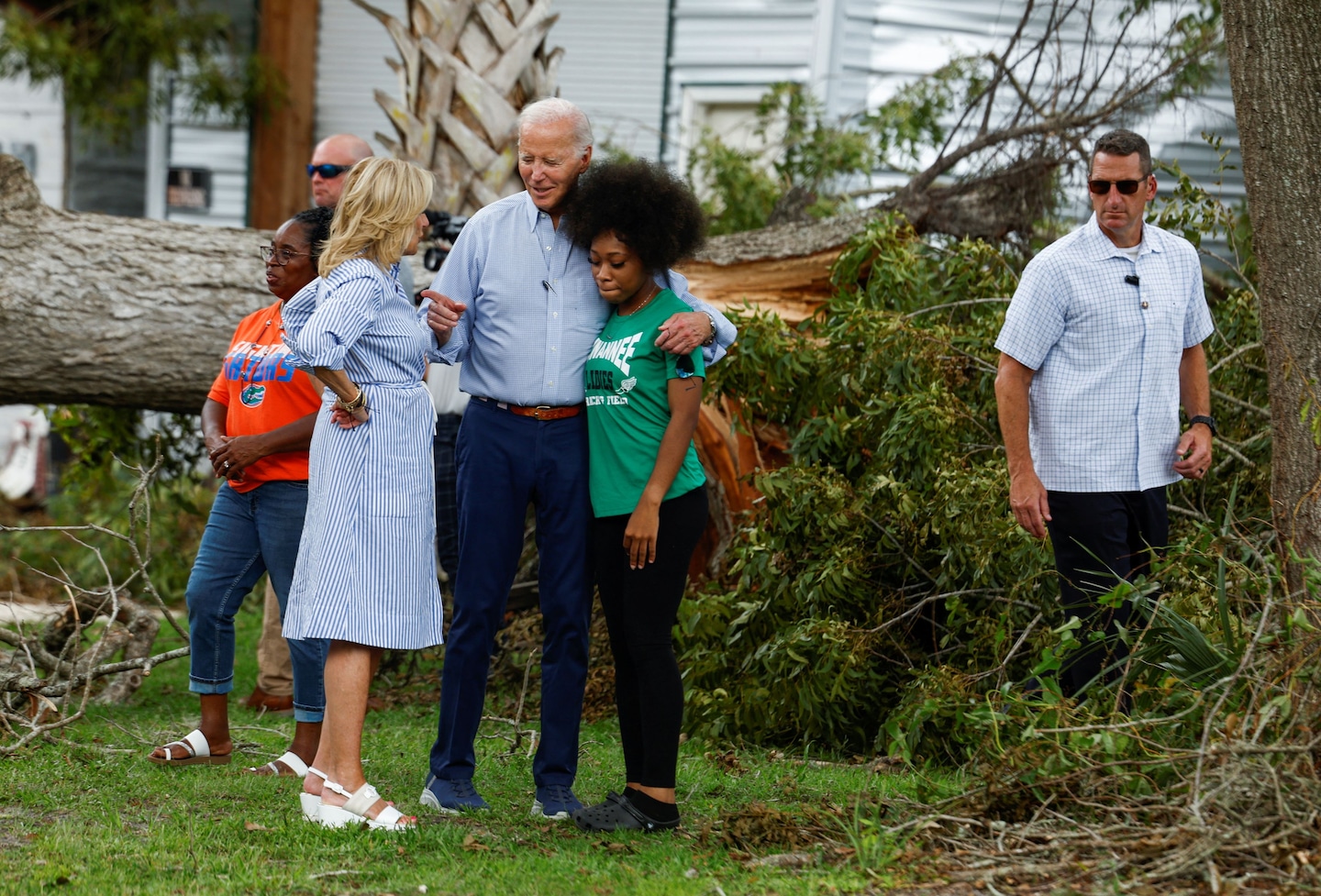
President Biden declared that climate change is undeniable after Hurricane Idalia, noting that a warming atmosphere fuels stronger storms and higher sea levels, which demands urgent mitigation and adaptation.
Quick Answer
In the wake of Hurricane Idalia, President Joe Biden stated that climate change is undeniable because a warmer atmosphere supplies more energy to tropical cyclones, sea‑level rise raises baseline water heights, and both factors intensify storm‑surge flooding. The Intergovernmental Panel on Climate Change (IPCC) and the U.S. National Oceanic and Atmospheric Administration (NOAA) provide strong‑confidence evidence that these mechanisms increase the likelihood of more intense hurricanes. The implication is that rapid greenhouse‑gas mitigation combined with local adaptation is essential to protect vulnerable communities, although exact future storm frequencies remain uncertain.
Key Takeaways
- Rising global temperatures increase atmospheric moisture and ocean heat, which together boost hurricane intensity.
- Sea‑level rise elevates baseline water levels, allowing storm surge to travel farther inland.
- High‑confidence assessments link climate change to a higher probability of Category 3‑5 storms.
- Effective risk reduction requires simultaneous emissions mitigation and infrastructure adaptation.
- Equitable policies are critical because low‑income and coastal populations face the greatest exposure.
What Is After Hurricane Idalia Biden Says Climate Change Is Undeniable?
The phrase refers to President Biden’s public acknowledgment, made after Hurricane Idalia, that the increasing frequency and severity of extreme weather events cannot be separated from the long‑term trend of anthropogenic climate change. It is a political articulation of a scientific reality: a warmer climate influences tropical‑cyclone behavior, sea‑level rise, and the vulnerability of coastal societies.
How Does It Work?
1. Atmospheric Heating Increases Storm Energy
Warmer air can hold roughly 7 % more water vapor for each 1 °C rise (Clausius‑Clapeyron relation). This extra moisture fuels stronger convection, leading to higher wind speeds and heavier rainfall in tropical cyclones (IPCC, 2021).
2. Ocean Temperature Rise Fuels Intensification
Hurricanes draw heat from sea‑surface temperatures (SSTs). NOAA records show global SSTs have risen about 0.13 °C per decade since the 1970s, pushing many Atlantic waters above the 26.5 °C threshold needed for rapid intensification.
3. Sea‑Level Rise Amplifies Storm Surge
Thermal expansion and ice‑sheet melt add roughly 3.6 mm of global sea‑level rise per year (NASA, 2023). Higher baseline sea levels mean storm surge can penetrate farther inland, increasing flood depths.
4. Feedback Loops
Coastal wetlands that normally absorb surge are eroded by sea‑level rise, reducing natural protection and creating a feedback that further heightens flood risk.
What Does the Evidence Show?
Multiple lines of evidence converge on the conclusion that a warming climate intensifies tropical cyclones:
- Observational trends: The International Best Track Archive for Climate Stewardship (IBTrACS) documents a statistically significant rise in the proportion of Category 3‑5 Atlantic hurricanes since the 1980s.
- Attribution studies: A 2022 analysis in Nature Climate Change estimated a 10 % increase in the probability of a Category 4–5 storm for each 1 °C of global warming.
- Model simulations: CMIP6 ensemble runs that include greenhouse‑gas forcing reproduce the observed increase in intense storms, indicating a causal link.
- Sea‑level measurements: Tide‑gauge and satellite altimetry data confirm rising baselines that magnify storm surge, as highlighted in the IPCC AR6 report.
These findings are classified as strong to moderate confidence because they are consistent across independent datasets and methods.
Main Causes or Drivers
Direct Human Drivers
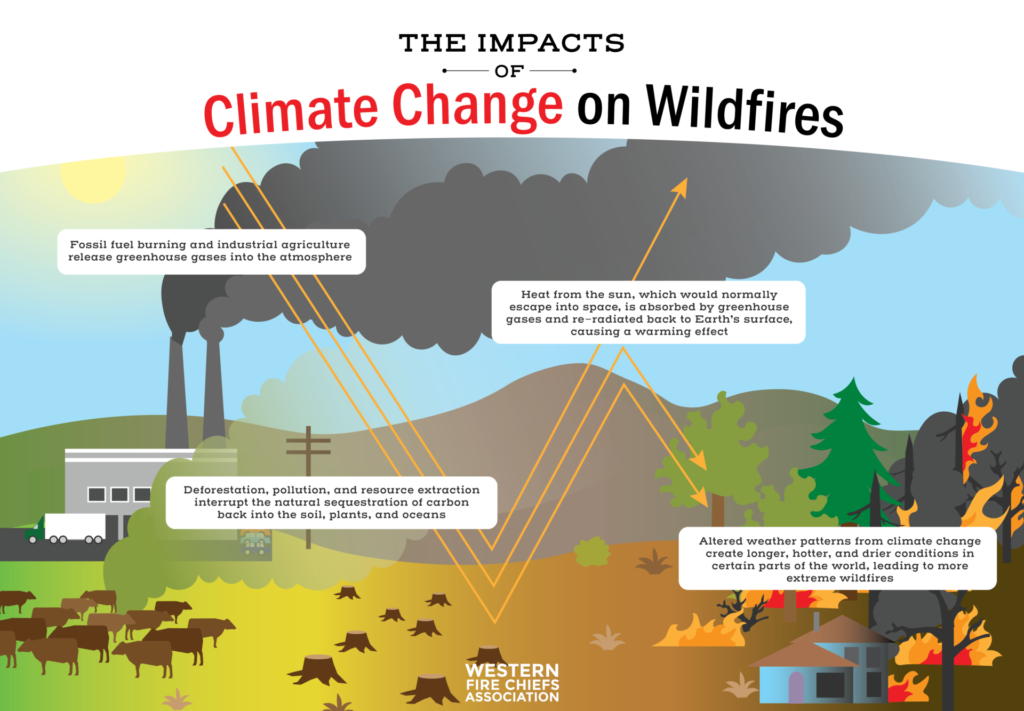
Burning of fossil fuels, deforestation, and industrial processes release carbon dioxide (CO₂) and other greenhouse gases, trapping infrared radiation and raising global average temperatures.
Underlying Climate Drivers
Higher global temperatures increase ocean heat content, which fuels stronger hurricanes. Sea‑level rise results from thermal expansion and ice‑sheet melt, both driven by the same greenhouse‑gas emissions.
Amplifying Factors
- Urban coastal development reduces natural flood buffers such as mangroves and wetlands.
- Inadequate drainage infrastructure increases inland flooding.
- Socio‑economic vulnerabilities, including poverty and limited adaptive capacity, amplify human exposure.
Environmental and Human Impacts
Environmental Impacts
Intense storms cause coastal erosion, salt‑water intrusion into freshwater habitats, and damage to coral reefs that support marine biodiversity. Flooded wetlands lose vegetation, reducing carbon‑sequestration capacity.
Human Health and Social Impacts
Storm‑related injuries, mental‑health stress, and potential water‑borne disease outbreaks increase after flooding. Displacement of thousands of residents strains emergency services and can lead to long‑term housing insecurity.
Economic and Infrastructure Impacts
Damage to roads, power grids, and water‑treatment facilities can run into billions of dollars. The Federal Emergency Management Agency estimated that Idalia caused over $2 billion in combined federal and private losses.
Regional Differences
While the Atlantic coast of the United States experiences the most direct hurricane impacts, related effects vary:
- Gulf Coast: Similar exposure to storm surge, but higher industrial activity raises economic stakes.
- Caribbean islands: Limited resources and smaller economies magnify vulnerability; many islands lack robust flood defenses.
- Pacific Northwest: Hurricanes are rare, yet rising sea levels increase coastal flooding risk during storm events.
These examples illustrate that climate‑driven storm risk is global, but local geography, wealth, and governance shape outcomes.
What Scientists Know With High Confidence
- The planet’s average surface temperature has risen about 1.1 °C above pre‑industrial levels (IPCC, 2021).
- Warmer oceans and higher atmospheric moisture increase the potential intensity of tropical cyclones.
- Global sea level has risen roughly 20 cm since 1900, with acceleration in recent decades.
- Human activities are the dominant cause of observed warming since the mid‑20th century.
What Remains Uncertain
Key uncertainties include the exact magnitude of future changes in hurricane frequency under different emission pathways, regional variations in storm tracks, and the combined effect of sea‑level rise with land‑use change on flood risk. High‑resolution modeling and expanded observational networks are needed to narrow these gaps.
Common Misconceptions
Misconception: A single storm proves climate change.
Reality: One event cannot be directly attributed to climate change, but statistical analyses show that a warming climate makes extreme storms more likely.
Misconception: Hurricanes are only getting stronger, not more frequent.
Reality: Evidence suggests a modest increase in the proportion of very intense storms, while total storm counts may not rise significantly; the balance between frequency and intensity remains an active research area.
Misconception: Mitigation alone will stop hurricanes.
Reality: Reducing greenhouse‑gas emissions limits future warming, but adaptation—such as resilient infrastructure—is essential to cope with storms that will still occur.
Solutions and Limitations
Effective response blends mitigation, adaptation, and equitable governance:
- Mitigation: Accelerating the transition to renewable electricity (solar, wind) can cut emissions, but requires substantial investment and grid modernization.
- Coastal Adaptation: Elevating buildings, restoring mangroves, and improving drainage reduce flood risk; however, projects can be costly and may face land‑ownership disputes.
- Policy Measures: Updating building codes and enforcing setback regulations improve resilience, yet political resistance can slow implementation.
- Nature‑Based Solutions: Restoring wetlands provides storm‑surge buffering and carbon storage, but success depends on sufficient space and long‑term maintenance.
Each strategy has trade‑offs: mitigation alone cannot prevent near‑term storms, adaptation can be expensive and unevenly distributed, and nature‑based approaches may compete with development needs.
What Individuals, Communities, and Governments Can Do
What Individuals Can Do
- Reduce personal carbon footprints by using energy‑efficient appliances, supporting renewable‑energy plans, and limiting air travel.
- Participate in local resilience projects, such as community flood‑mapping or volunteer clean‑ups after storms.
- Advocate for strong climate policies by contacting elected officials and supporting organizations that promote equitable adaptation.
What Communities and Organizations Can Do
- Develop hazard‑mitigation plans that prioritize vulnerable neighborhoods.
- Invest in green infrastructure—rain gardens, permeable pavements—to reduce runoff.
- Partner with scientists to conduct localized risk assessments and monitor sea‑level trends.
What Governments Can Do
- Fund large‑scale coastal restoration and elevation projects guided by the latest climate‑risk assessments.
- Provide financial assistance and insurance reforms that encourage resilient building practices, especially for low‑income households.
- Enact ambitious emissions‑reduction targets aligned with the Paris Agreement to limit future warming.
Closing Synthesis
President Biden’s declaration that climate change is undeniable after Hurricane Idalia reflects a robust scientific consensus: a warming planet intensifies storms, raises sea levels, and heightens flood risk. High‑confidence evidence confirms these trends, while uncertainties remain around precise future storm frequencies and regional impacts. Addressing the challenge demands rapid greenhouse‑gas mitigation paired with targeted adaptation that protects the most vulnerable. By aligning policy, community action, and individual choices with evidence‑based solutions, societies can turn the devastation of Idalia into a catalyst for lasting resilience.
Frequently Asked Questions
What did President Biden say about climate change after Hurricane Idalia?
President Biden said that climate change is undeniable because a warming atmosphere provides more energy to hurricanes and higher sea levels increase storm‑surge flooding, urging both mitigation and adaptation.
How does a warmer atmosphere increase hurricane intensity?
Warmer air holds more water vapor—about 7 % more per 1 °C—fueling stronger convection, higher wind speeds, and heavier rainfall, which together make hurricanes more intense.
What scientific evidence links climate change to stronger storms?
Evidence includes observed rises in Category 3‑5 hurricanes, attribution studies showing a 10 % higher probability of major storms per 1 °C warming, and climate‑model simulations that reproduce the trend when greenhouse gases are included.
What actions can communities take to reduce hurricane risk?
Communities can develop hazard‑mitigation plans, invest in green infrastructure like rain gardens, restore wetlands and mangroves, and partner with scientists for localized risk assessments.
What uncertainties remain about future hurricane trends?
Uncertainties involve the exact change in hurricane frequency under different emission scenarios, regional variations in storm tracks, and how sea‑level rise combined with land‑use change will affect flood risk.





Leave a Comment