Why the Atlantic Ocean Circulation Is Slowing Down
The Atlantic Meridional Overturning Circulation is weakening because warming melts polar ice, freshens surface waters and alters wind patterns, reducing the density‑driven flow that
October 17, 2026
Changes in the world’s oceans, ice masses, and related coastal impacts.
The Atlantic Meridional Overturning Circulation is weakening because warming melts polar ice, freshens surface waters and alters wind patterns, reducing the density‑driven flow that
October 17, 2026
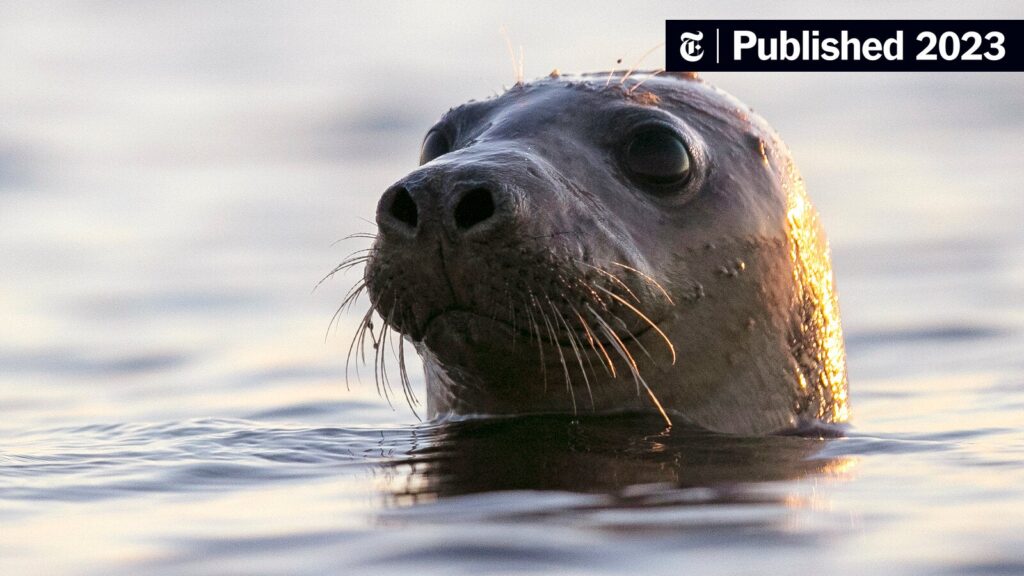
Avian influenza has jumped from birds to seals, creating a new wildlife health threat that highlights how climate change and human activity can
October 10, 2026
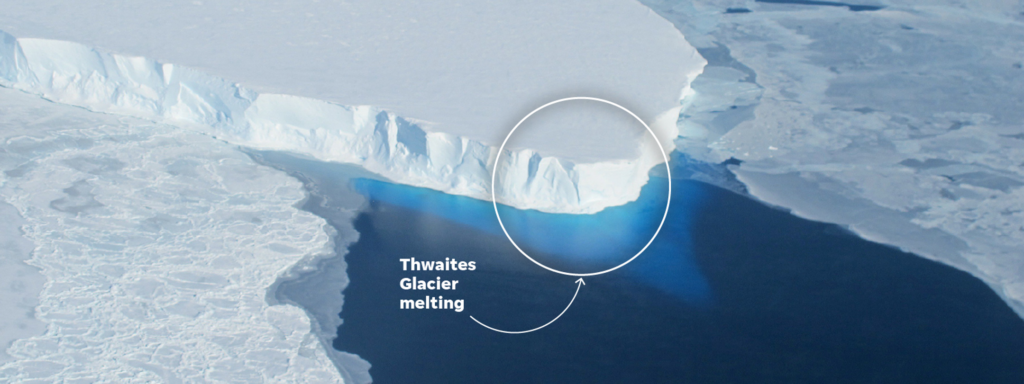
Thwaites Glacier, often called the “Doomsday Glacier,” is a massive West Antarctic ice stream whose accelerated melting could add up to three metres
October 5, 2026

Blue whale numbers are rising in the Atlantic after decades of decline, yet climate change, noise pollution, and fishing gear still threaten their
October 5, 2026
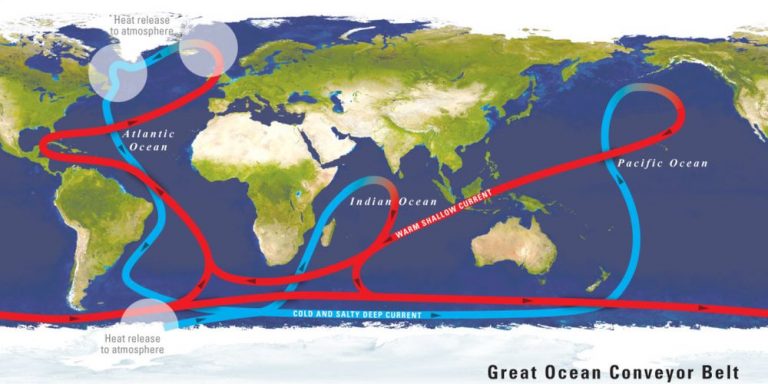
The Atlantic Meridional Overturning Circulation (AMOC) is now at its weakest state in a millennium, a slowdown driven by freshwater influx and warming
October 3, 2026

Rising ocean temperatures driven by climate change are causing repeated bleaching, disease, and structural loss in five iconic coral reef systems, threatening biodiversity,
September 18, 2026

October 18, 2026

24Earth is an independent environmental knowledge platform explaining climate, oceans, biodiversity, pollution, energy, and planetary change through accessible, evidence-based reporting.
Copyright ©2026
24Earth.