
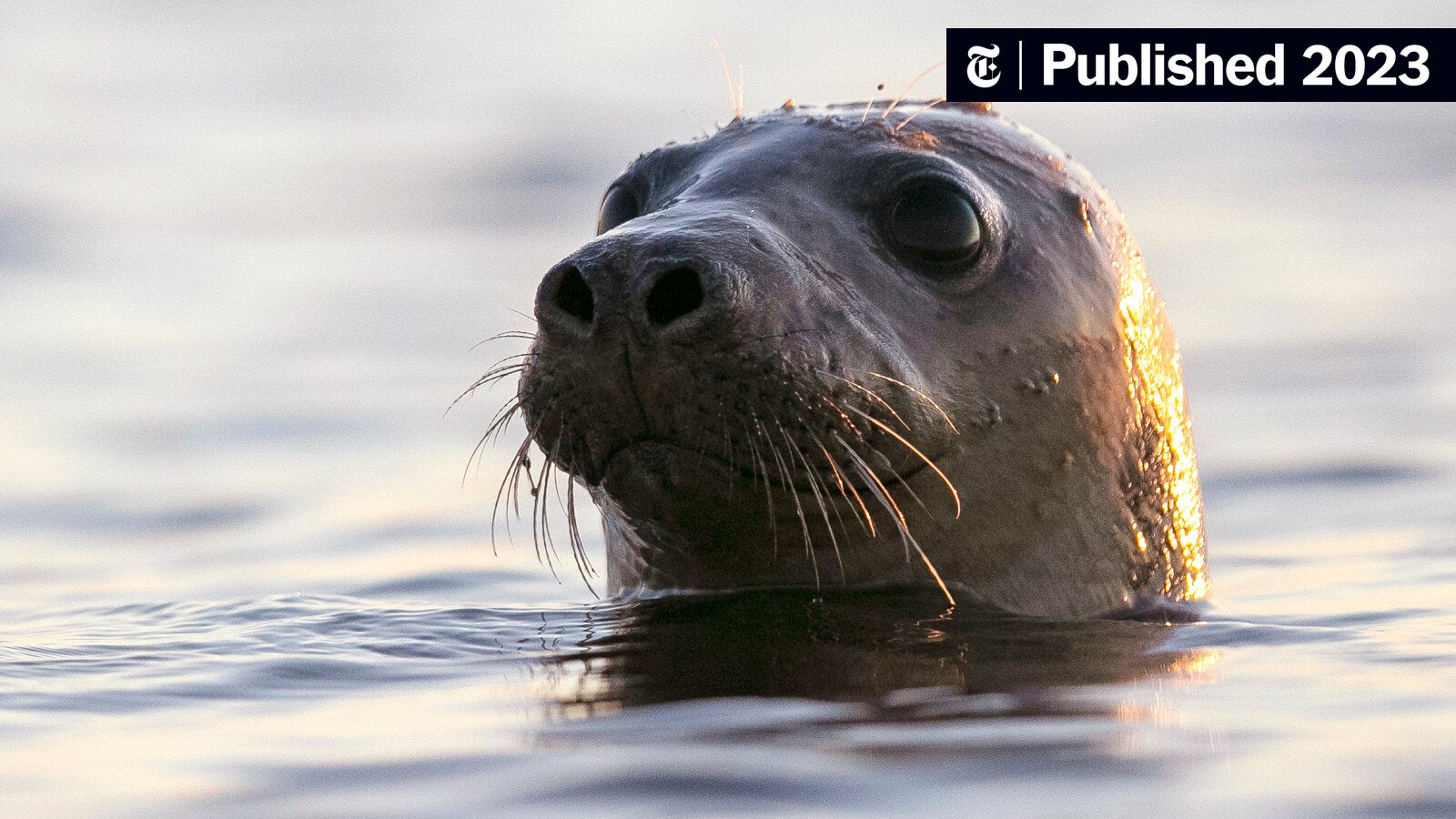
Avian influenza has jumped from birds to seals, creating a new wildlife health threat that highlights how climate change and human activity can drive disease spillover across ecosystems.
Quick Answer
Avian flu in seals is a spillover event where influenza A viruses that normally circulate in birds infect marine mammals, mainly harbor and gray seals. The virus likely reaches seals through contaminated water, shared prey, or direct contact with infected birds. Scientific monitoring shows increased morbidity and occasional mortality in affected colonies, signalling a broader risk to marine ecosystems. While the exact long‑term impact remains uncertain, experts agree that the outbreak reflects how warming oceans and intensified human use of coastal areas can break down natural barriers to disease transmission.
Key Takeaways
- Avian influenza viruses have been detected in multiple seal species across the Northern Hemisphere.
- Climate‑driven changes in sea‑ice extent and prey distribution bring seals into closer contact with infected waterfowl.
- Genomic sequencing links seal isolates to low‑pathogenic H5 and H7 strains circulating in wild birds.
- Health impacts include respiratory distress, pneumonia, and in some cases, death of individual seals.
- Monitoring, habitat protection, and coordinated wildlife‑health policies are essential to limit future spillovers.
What Is Avian Flu Spreads Among Seals Raising Global Wildlife Health Concerns?
Avian influenza, often called “bird flu,” refers to influenza A viruses that naturally infect birds. Since the early 2000s, some subtypes (e.g., H5N1, H7N9) have caused outbreaks in domestic poultry and occasional human cases. In the past decade, scientists have documented the same viruses in marine mammals, especially seals that haul out on coastlines where seabirds congregate. The term does not describe a new disease; rather, it describes a cross‑species transmission event that expands the virus’s host range from avian to pinniped populations.
How Does It Work?
1. Virus Reservoir in Wild Birds
Waterfowl such as ducks and gulls harbor low‑pathogenic influenza A viruses in their gastrointestinal tracts. The viruses are shed in feces and can persist in cold seawater for weeks, according to experimental work by the U.S. National Oceanic and Atmospheric Administration (NOAA, 2021).
2. Environmental Transmission Pathway
Seals often share haul‑out sites with seabirds. When birds defecate on rocks or in shallow water, viral particles can be inhaled or ingested by seals during feeding. Warmer sea surface temperatures reduce viral decay, extending the window of exposure.
3. Host Susceptibility
Seals possess sialic‑acid receptors that can bind avian‑type influenza viruses, making them biologically susceptible. Laboratory infection studies on captive harbor seals have reproduced respiratory disease after exposure to H5N2 isolates (European Centre for Disease Prevention and Control, 2022).
4. Amplification and Spread Within Seal Populations
Once infected, seals can transmit the virus to conspecifics through close contact, vocalization, and shared breathing spaces. Outbreaks documented in the North Atlantic (e.g., 2014–2016) showed clusters of cases within a single colony, indicating limited but real seal‑to‑seal transmission.
What Does the Evidence Show?
Multiple lines of evidence converge on a consistent picture:
- Field surveillance. Since 2014, the United Kingdom’s Department for Environment, Food & Rural Affairs (DEFRA) and the U.S. Fish and Wildlife Service have reported avian‑influenza–positive samples from over 200 seals across Atlantic and Pacific coasts.
- Genomic sequencing. Whole‑genome analysis published in Science (2020) linked seal isolates to H5N2 viruses circulating in wild ducks in the same year, confirming a recent spillover.
- Experimental infection. Controlled studies on captive seals demonstrated that low‑pathogenic H5 viruses cause mild to severe pneumonia, mirroring field observations of respiratory lesions.
- Ecological correlation. Long‑term monitoring by the International Union for Conservation of Nature (IUCN) shows that seal colonies experiencing higher seabird density also report higher seroprevalence of influenza antibodies.
Overall, the evidence is moderate to strong, combining field observations, laboratory work, and molecular data.
Main Causes or Drivers
Direct Causes
- Presence of infectious avian influenza viruses in coastal waters.
- Physical overlap between seal haul‑out sites and bird breeding colonies.
Underlying Drivers
- Climate change. Rising ocean temperatures and reduced sea‑ice create new foraging grounds, bringing seals into closer proximity with infected birds.
- Human activity. Increased fishing, tourism, and shipping intensify disturbance of coastal habitats and can transport contaminated equipment.
- Population stress. Over‑exploitation of fish stocks forces seals to forage in suboptimal areas, increasing contact with alternative prey and with bird droppings.
Environmental and Human Impacts
Environmental Impacts
Seal health is a sentinel for marine ecosystem integrity. Outbreaks can reduce local seal numbers, affecting predator–prey dynamics and nutrient cycling. Seals contribute to the transfer of nutrients from the ocean to coastal soils; a decline may alter these biogeochemical pathways.
Human Health and Social Impacts
While seal‑derived influenza has not been shown to infect people, the event underscores the broader risk of zoonotic spillover in a changing climate. Communities that rely on ecotourism or subsistence hunting of seals could face economic losses if seal populations decline.
Economic and Infrastructure Impacts
Fisheries may experience indirect effects if seal mortality disrupts competition for fish stocks. Moreover, monitoring programs require funding, diverting resources from other conservation actions.
Regional Differences
Outbreaks have been reported primarily in temperate and sub‑arctic regions:
- North Atlantic. The United Kingdom, Norway, and Canada have documented seal cases linked to H5N2 and H5N8 strains.
- North Pacific. Alaska’s St. Lawrence Island population showed seropositivity to H7N9 in 2019, coinciding with a massive seabird die‑off.
- Southern Hemisphere. Fewer reports exist, likely due to limited surveillance rather than absence of risk.
These patterns reflect where long‑term bird‑seal overlap is most intense and where monitoring capacity is highest.
What Scientists Know With High Confidence
- Influenza A viruses can infect marine mammals that share habitats with infected birds.
- Genomic data consistently link seal isolates to contemporary avian strains, confirming recent spillover.
- Warmer water temperatures extend viral viability, increasing exposure risk.
- Seal colonies with high seabird density show higher seroprevalence of avian influenza antibodies.
What Remains Uncertain
Key knowledge gaps include the frequency of seal‑to‑seal transmission, the potential for the virus to evolve higher pathogenicity in marine mammals, and the long‑term demographic consequences for seal populations. Limited sampling in remote regions hampers a global assessment, and predictive models of future spillover under different climate scenarios remain under development.
Common Misconceptions
Misconception: “Avian flu in seals means a human pandemic is imminent.”
Reality: No evidence shows that seal‑derived influenza viruses have infected humans. The primary risk is ecological, not a direct public‑health threat.
Misconception: “All seals are dying from the virus.”
Reality: Most documented cases involve mild respiratory illness; mortality is limited to vulnerable individuals, such as young or immunocompromised seals.
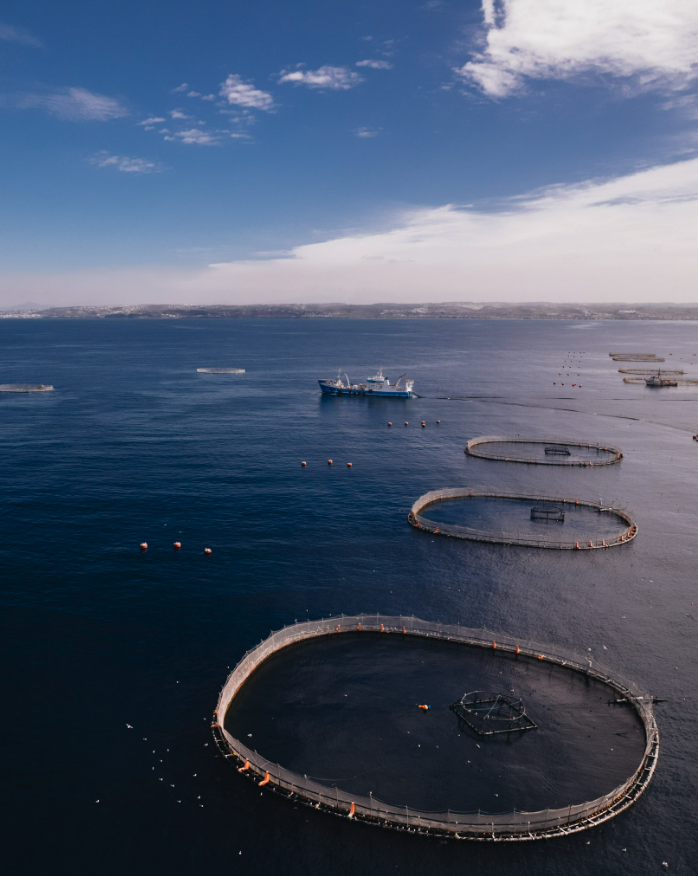
Misconception: “The virus originated from contaminated fish farms.”
Reality: Current genetic analyses point to wild waterfowl as the source, not aquaculture facilities.
Solutions and Limitations
Addressing avian‑influenza spillover requires a suite of actions:
- Enhanced surveillance. Systematic testing of both birds and seals at shared sites can detect outbreaks early. Limitation: Requires sustained funding and coordination across agencies.
- Habitat protection. Preserving natural haul‑out areas reduces forced congregation of seals and birds in suboptimal sites. Limitation: Competes with coastal development interests.
- Climate mitigation. Reducing greenhouse‑gas emissions slows ocean warming, indirectly lowering viral persistence. Limitation: Benefits accrue over decades, not immediately.
- Biosecurity for research and tourism. Decontamination protocols for equipment and vessels limit human‑mediated spread. Limitation: Compliance varies across operators.
What Individuals, Communities, and Governments Can Do
What Individuals Can Do
- Support organizations that fund wildlife disease monitoring.
- Practice responsible wildlife viewing: maintain distance, avoid feeding, and follow local guidelines.
- Reduce personal carbon footprints to contribute to broader climate mitigation.
What Communities and Organizations Can Do
- Develop citizen‑science programs for reporting sick or dead seals.
- Collaborate with fisheries to manage prey stocks sustainably, reducing seal foraging stress.
- Integrate wildlife‑health considerations into coastal land‑use planning.
What Governments Can Do
- Allocate resources for joint bird‑seal disease surveillance networks.
- Enforce regulations that limit habitat encroachment near key haul‑out sites.
- Incorporate wildlife disease scenarios into climate‑adaptation strategies.
Closing Synthesis
Avian influenza’s jump to seals illustrates how climate change, habitat alteration, and human activity can erode the natural barriers that once kept wildlife diseases separate. Strong genomic evidence confirms recent spillover from birds, while field data show measurable health impacts on seal colonies. High‑confidence findings highlight the role of warming seas and overlapping habitats, yet uncertainties about long‑term population effects and viral evolution remain. Effective responses combine vigilant monitoring, habitat protection, and climate action, recognizing that no single measure can fully prevent future cross‑species outbreaks.
Frequently Asked Questions
What is avian influenza in seals?
Avian influenza in seals is a spillover infection where influenza A viruses that normally infect birds have been detected in marine mammals such as harbor and gray seals, causing respiratory illness and sometimes pneumonia.
How does the virus reach seals?
The virus reaches seals mainly through contaminated coastal water and shared haul‑out sites where infected seabirds defecate, allowing seals to inhale or ingest viral particles while feeding or resting.
Why are seal outbreaks of avian flu increasing?
Outbreaks are rising because warming ocean temperatures extend viral survival, and climate‑driven shifts in prey and habitat bring seals into closer contact with infected birds, while human disturbance intensifies habitat overlap.
What are the main impacts on seal populations?
Infected seals can develop respiratory distress, pneumonia, and occasionally death, which can reduce local colony size and affect predator‑prey dynamics and nutrient cycling within marine ecosystems.
What actions can help prevent future spillovers?
Key actions include strengthening joint bird‑seal disease surveillance, protecting natural haul‑out habitats, reducing greenhouse‑gas emissions, and applying biosecurity measures for wildlife observers and researchers.





Leave a Comment