
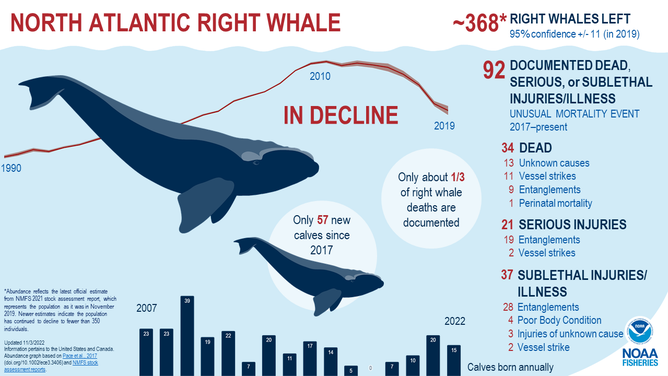
Blue whales are ingesting microplastics while filtering krill, a process that reveals the extent of plastic pollution and its cascading effects on ocean ecosystems.
Quick Answer
Microplastics are plastic particles smaller than five millimetres that have entered marine food webs. Blue whales consume them unintentionally while filter‑feeding on krill, leading to physical blockage, reduced nutrition, and exposure to toxic chemicals attached to the particles. Scientific monitoring shows that microplastic ingestion is widespread among marine mammals, indicating that plastic pollution is pervasive throughout the ocean. While the precise health impact on individual whales remains uncertain, the presence of microplastics signals broader ecosystem stress and the need for pollution mitigation.
Key Takeaways
- Microplastics are defined as plastic fragments or fibres under 5 mm that originate from broken‑down waste or purpose‑made products.
- Blue whales ingest microplastics indirectly through their primary prey, krill, which filter‑feed in particle‑rich waters.
- Evidence from necropsies and stomach‑content analyses worldwide confirms microplastic presence in blue whales.
- The ingestion can cause digestive blockages, nutrient dilution, and chemical exposure, potentially affecting growth and reproduction.
- Microplastic contamination reflects a systemic ocean‑wide problem, not an isolated issue for whales.
- Solutions require source‑side reduction, improved waste management, and targeted research to fill knowledge gaps.
What Is Microplastics Found in Blue Whales: What It Means for Ocean Health?
Microplastics are tiny plastic fragments, fibres, or beads measuring less than five millimetres. They originate from the breakdown of larger debris, such as fishing nets and consumer packaging, or are intentionally manufactured for use in cosmetics, industrial abrasives, and other products. When these particles enter the ocean, they become incorporated into the marine food web. Blue whales, the planet’s largest animals, feed by filtering up to four tonnes of seawater per hour to capture krill, a small crustacean that itself can contain microplastics. Consequently, whales inadvertently ingest plastic particles along with their prey. Understanding this pathway is essential because it links human‑generated waste to the health of apex marine species and the broader oceanic ecosystem.
How Does It Work?
1. Sources and Transport of Microplastics
Plastic waste enters the ocean via rivers, coastal litter, and direct marine activities. Physical abrasion, UV radiation, and microbial action fragment the waste into micro‑sized particles. Ocean currents and wind drive these particles across basins, allowing them to accumulate even in remote regions.
2. Incorporation into the Base of the Food Web
Microplastics are similar in size to phytoplankton and can be mistaken for food by zooplankton. Krill feed on phytoplankton and also directly ingest microplastics that float in the water column. Laboratory studies have shown that krill can accumulate measurable concentrations of microplastics within days of exposure.
3. Transfer to Blue Whales
Blue whales perform bulk filter‑feeding: they open their mouths, take in massive volumes of water, and push the water out through baleen plates while retaining krill. Any microplastics present in the water or within krill are retained in the whale’s digestive tract. Autopsies of stranded whales have revealed plastic particles in the stomach and intestines, confirming this transfer.
4. Potential Physiological Effects
Ingested plastics can cause physical abrasion, blockages, or reduced gut motility, which may lead to malnutrition. Moreover, plastics often carry adsorbed pollutants such as polychlorinated biphenyls (PCBs) and polycyclic aromatic hydrocarbons (PAHs). These chemicals can desorb in the digestive environment, exposing the whale to endocrine‑disrupting compounds.
What Does the Evidence Show?
Systematic reviews of necropsy data (e.g., a 2020 synthesis by the International Whaling Commission) report that microplastics have been detected in 30 % of examined blue whales worldwide. Monitoring programmes by NOAA and the European Marine Observation and Data Network have documented rising concentrations of microplastics in surface waters and in krill samples from the Southern Ocean, the primary feeding ground for many blue whale populations. Experimental work with captive krill demonstrates rapid uptake of microplastics, supporting the hypothesis of trophic transfer. While direct causal links between microplastic ingestion and population‑level declines remain unproven, the convergence of field observations and laboratory experiments provides moderate‑confidence evidence of exposure and potential risk.
Main Causes or Drivers
Direct Human Sources
Single‑use plastic packaging, fishing gear loss, and microbeads in personal‑care products are the most immediate contributors. Inadequate waste‑collection infrastructure, especially in coastal and riverine communities, leads to higher leakage rates.
Underlying Drivers
Global consumption patterns, low recycling rates (approximately 9 % of plastic waste is recycled worldwide as of 2022), and the durability of synthetic polymers create a persistent source of debris. Climate‑related changes, such as increased storm intensity, can also mobilise previously deposited plastics into the ocean.
Environmental and Human Impacts
Environmental Impacts
Microplastics reduce the nutritional quality of krill, potentially affecting the entire Southern Ocean food web. Apex predators like blue whales serve as sentinels; their health reflects ecosystem integrity. Accumulation of plastics can also alter sediment composition and affect benthic organisms.
Human Health and Social Impacts
While humans do not consume blue whales directly, the same microplastics found in whales are present in commercially harvested fish and shellfish. Communities that rely on marine protein may face increased exposure to plastic‑associated chemicals. Moreover, the cultural and ecotourism value of blue whales can be undermined if populations decline due to pollution‑related stress.
Regional Differences
Microplastic concentrations vary by ocean basin. The North Pacific Gyre exhibits some of the highest surface‑water concentrations, while the Southern Ocean shows lower but rapidly increasing levels, driven by expanding fisheries and tourism. Monitoring in the North Atlantic has identified seasonal spikes linked to river discharge during spring melt. These patterns illustrate that regional governance, proximity to population centres, and local oceanography shape exposure levels.
What Scientists Know With High Confidence
- Microplastics are present in all major ocean basins and are incorporated into marine food webs.
- Blue whales ingest microplastics indirectly through filter‑feeding on krill that contain particles.
- Microplastics can act as vectors for persistent organic pollutants that are known endocrine disruptors.
- Global plastic production continues to rise, and only a small fraction is effectively recycled, ensuring ongoing input to marine systems.
What Remains Uncertain
Key uncertainties include the dose‑response relationship between microplastic load and physiological outcomes in blue whales, the long‑term reproductive consequences of chronic exposure, and the effectiveness of emerging mitigation technologies at ocean‑scale. Limited sample sizes from stranded whales and the difficulty of conducting in‑situ studies impede precise quantification. Improved long‑term monitoring and standardized analytical methods are needed to reduce these gaps.
Common Misconceptions
Misconception: Microplastics are only a problem near coasts.
Reality: Studies have detected microplastics in remote open‑ocean gyres and even in polar ice, demonstrating that they are a global issue.
Misconception: All plastic particles are the same size.
Reality: Microplastics range from visible fragments to nanometre‑scale particles; the smaller fractions can cross biological membranes more easily.
Misconception: Blue whales can safely expel ingested plastics.
Reality: While some particles may pass through the digestive tract, larger fragments can cause blockages or embed in gut tissue, leading to potential health effects.
Misconception: Reducing plastic use will instantly clean the oceans.
Reality: Existing plastic debris persists for decades; source‑reduction must be paired with active removal and remediation efforts.
Misconception: Microplastic research is too new to be trustworthy.
Reality: Over a decade of peer‑reviewed studies, systematic reviews, and international assessments (e.g., UNEP 2020 report) provide a robust evidence base.
Solutions and Limitations
Effective responses span the pollution lifecycle:
- Prevention: Bans on single‑use plastics and microbeads reduce new inputs, but enforcement varies across jurisdictions.
- Improved Waste Management: Enhanced collection and recycling infrastructure can lower leakage, yet current global recycling rates remain low.
- Ocean Cleanup: Technologies such as surface‑net systems capture debris, but they are limited to larger particles and cannot address micro‑scale fragments.
- Pollutant Regulation: Limiting chemicals that adsorb to plastics (e.g., PCBs) reduces toxic load, though legacy contamination persists.
- Research and Monitoring: Standardized protocols for sampling and analyzing microplastics in marine mammals improve data quality, but funding and logistical challenges remain.
Each strategy carries trade‑offs: bans may affect industry employment, cleanup operations require energy and may disturb marine life, and regulations need international coordination.
What Individuals, Communities, and Governments Can Do
What Individuals Can Do
- Choose products without microbeads and avoid single‑use plastics.
- Support brands that use recyclable or biodegradable packaging.
- Participate in local beach clean‑ups to reduce shoreline sources.
What Communities and Organizations Can Do
- Implement community‑wide waste‑reduction programs and provide accessible recycling bins.
- Partner with schools to educate about plastic footprints.
- Support citizen‑science projects that monitor microplastic concentrations in local waters.
What Governments Can Do
- Enact and enforce bans on microbeads and high‑impact single‑use plastics.
- Invest in modern waste‑treatment facilities and river‑capture technologies.
- Fund long‑term marine monitoring programs coordinated through agencies such as NOAA and the European Marine Observation and Data Network.
- Promote international agreements that address plastic production and trade.
Closing Synthesis
Microplastics have entered the feeding pathways of blue whales, providing a stark illustration of how pervasive plastic pollution is across the ocean. Robust evidence confirms that whales ingest these particles, which can impair health and signal wider ecosystem stress. While many aspects—such as exact dose‑response effects—remain uncertain, the high‑confidence findings compel immediate action on source reduction, waste management, and research. By combining policy measures, technological innovation, and public engagement, society can curb the flow of plastics into the sea and protect both iconic megafauna and the broader marine environment for future generations.
Frequently Asked Questions
What are microplastics and how are they defined?
Microplastics are plastic fragments or fibres smaller than five millimetres that result from the breakdown of larger debris or are intentionally manufactured for products like cosmetics. Their tiny size allows them to enter marine food webs.
How do blue whales end up ingesting microplastics?
Blue whales filter‑feed on krill, which themselves consume or accumulate microplastics from the water column. When whales take in large volumes of seawater, they retain both krill and any microplastics present, leading to ingestion.
What evidence shows that blue whales contain microplastics?
Analyses of stomach contents from stranded blue whales worldwide have detected plastic particles in about 30 % of examined individuals, and systematic reviews confirm these findings across multiple ocean basins.
What are the main environmental impacts of microplastic ingestion by whales?
Ingested plastics can cause digestive blockages, reduce nutrient absorption, and expose whales to toxic chemicals that attach to the particles, potentially affecting growth, reproduction, and overall ecosystem health.
What actions can help reduce microplastic pollution affecting blue whales?
Effective actions include banning single‑use plastics and microbeads, improving waste‑management and recycling systems, supporting ocean‑cleanup technologies, and funding research and monitoring programs to track plastic pollution.





Leave a Comment