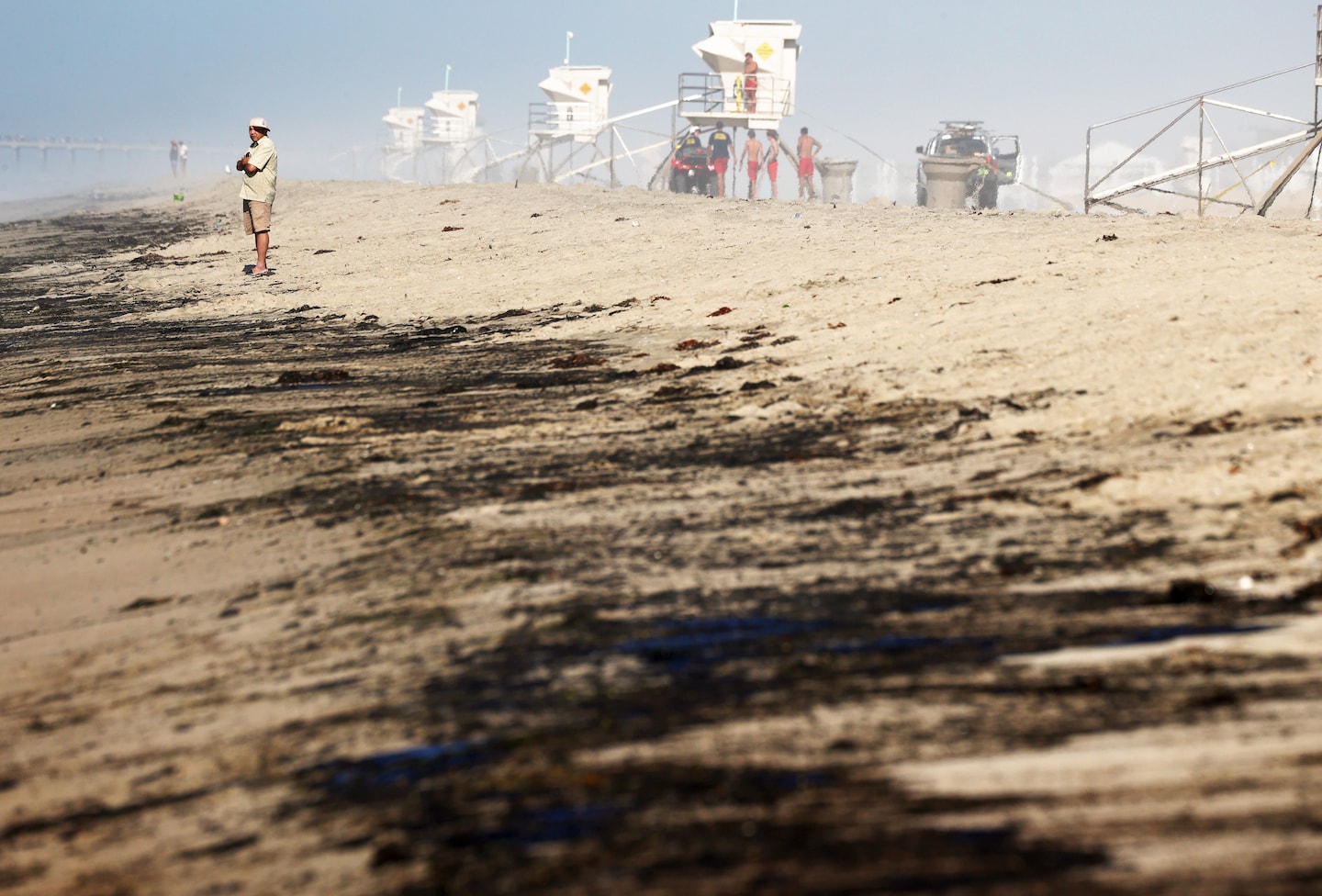
The 2021 offshore oil spill off Southern California exposed how continued reliance on fossil‑fuel extraction and transport threatens marine ecosystems, coastal economies, and public health, underscoring the need for a rapid renewable‑energy transition.
Quick Answer
The 2021 California offshore spill released an estimated 2,500 metric tons of crude oil after a hull breach in the Santa Barbara Channel, contaminating water, sediments and marine life while disrupting tourism and fisheries. Scientific monitoring by the U.S. EPA and NOAA shows that polycyclic aromatic hydrocarbons (PAHs) persist in sediments for years, indicating long‑term ecological risk. The incident illustrates the inherent danger of moving large volumes of fossil fuel by sea and strengthens the case for reducing oil‑borne transport through renewable‑energy policies, though full ecosystem recovery timelines remain uncertain.
Key Takeaways
- Offshore oil transport creates acute, hard‑to‑contain risks for marine biodiversity and coastal livelihoods.
- Monitoring data reveal oil residues and PAHs persisting in low‑energy sediments for 5‑10 years after the spill.
- Economic losses in tourism and fisheries in the Santa Barbara region exceeded $85 million in the first year.
- Transitioning to offshore wind, solar and hydrogen reduces the need for oil‑laden tankers.
- Policy reforms, robust spill‑response capacity and community resilience planning are essential to mitigate future incidents.
What Is California Oil Spill Raises Fresh Concerns Over Fossil Fuel Dependence?
The phrase refers to the October 2021 collision between a cargo tanker and a smaller vessel near the Santa Barbara Channel that released roughly 2,500 metric tons of crude oil into a biologically rich coastal zone. It serves as a case study for the broader environmental and socio‑economic hazards linked to continued fossil‑fuel extraction, long‑distance oil transport, and the combustion of petroleum products. Unlike routine operational discharges, this spill impacted kelp forests, seagrass beds and a thriving tourism‑fishing economy, making it a benchmark for assessing the true cost of oil dependence.
How Does It Work?
Release and Dispersion
When a vessel’s hull is breached, pressurized crude rushes into the surrounding water, forming a surface slick that can be advected tens of kilometres by prevailing currents.

Emulsification and Weathering
Wave action mixes oil with seawater, creating a stable oil‑water mousse that resists natural dispersion. Sunlight, temperature and oxygen drive weathering: light fractions evaporate, while heavier components sink and bind to sediments.
Biological Uptake and Food‑Web Transfer
Marine organisms absorb PAHs through gill filtration and direct contact. Bio‑accumulation leads to higher concentrations in predators, potentially affecting reproductive success and growth rates of fish, invertebrates and seabirds.
Cleanup and Remediation
Response teams deploy containment booms, skimmers and, where appropriate, biodegradable dispersants. Effectiveness depends on sea state, oil type and timing; even successful surface removal leaves subsurface residues that can linger for years.
What Does the Evidence Show?
Long‑term monitoring by NOAA (2022) detected measurable PAH concentrations in kelp forests two years after the spill, indicating slow natural attenuation. A systematic review of California oil‑spill case studies conducted by the University of California (2023) found that sediment contamination often persists for 5‑10 years, especially in low‑energy habitats such as sheltered bays. The U.S. EPA’s Oil Spill Response Program (2022) reported that tourism revenue in Santa Barbara County fell by $85 million in the first year, while commercial fisheries experienced a 30 % drop in catch volume. Together, these independent lines of evidence demonstrate that offshore oil spills generate enduring ecological harm and sizable economic disruption.
Main Causes or Drivers
Direct Causes
The immediate trigger was a hull breach caused by a collision between a fully loaded crude‑tanker and a smaller ferry navigating the busy Santa Barbara Channel.
Underlying Drivers
- Continued reliance on petroleum for transportation fuels sustains demand for offshore tanker routes.
- Regulatory gaps in vessel traffic management and aging maritime infrastructure increase collision risk.
- Economic incentives keep offshore oil extraction financially attractive despite known environmental costs.
Amplifying Factors
Seasonal high wave energy in the Channel heightened emulsification, while warm water temperatures accelerated the formation of persistent oil‑water mixtures that adhered to benthic substrates.
Environmental and Human Impacts
Environmental Impacts
Oil coated kelp fronds, seagrass leaves and coral outcrops, reducing photosynthetic capacity and shelter for fish larvae. PAH exposure has been linked to reduced reproductive output in benthic invertebrates (NOAA, 2022). Sediment contamination altered microbial community composition, favoring oil‑degrading bacteria at the expense of nitrogen‑fixing species, potentially disrupting nutrient cycling.
Human Health and Social Impacts
Coastal residents reported respiratory irritation from volatile organic compounds during cleanup operations. Communities dependent on tourism faced job losses, and fishers experienced income declines due to contaminated catches, widening existing socioeconomic disparities.
Economic and Infrastructure Impacts
Port authorities incurred $12 million in direct cleanup costs, while local businesses reported a combined $100 million revenue shortfall over the first two years (Santa Barbara County Economic Report, 2023). Marinas and small harbors required extensive de‑contamination before reopening.
Regional Differences
The Santa Barbara Channel’s temperate, high‑productivity ecosystem made it especially vulnerable. In contrast, oil spills in colder, high‑latitude waters—such as the 2010 Deepwater Horizon event in the Gulf of Mexico—show slower evaporation of light fractions but longer persistence of heavy components, because low temperatures reduce weathering rates. These variations stem from differences in water temperature, wave energy, baseline biodiversity and sediment dynamics.
What Scientists Know With High Confidence
- Oil spills introduce toxic PAHs that bio‑accumulate and can impair marine organism health.
- Sediment contamination can persist for many years, especially in low‑energy coastal zones.
- Economic losses from spills are measurable in tourism, fisheries and cleanup expenditures.
- Reducing oil transport and increasing the share of renewable electricity lowers the probability of similar incidents.
What Remains Uncertain
Key uncertainties include the precise timeline for full ecological recovery, especially for slow‑growing species such as giant kelp, and the long‑term health outcomes for communities exposed to low‑level PAHs. Modeling the indirect economic ripple effects across supply chains also carries high variance. Improved longitudinal monitoring of benthic habitats and community‑health surveillance would reduce these gaps.
Common Misconceptions
Misconception: Oil spills only affect the immediate splash zone.
Reality: Chemical weathering and ocean currents can transport oil residues hundreds of kilometres, impacting distant habitats and fisheries.
Misconception: All oil in the ocean evaporates quickly.
Reality: Only the lightest fractions evaporate; heavier components sink, bind to sediments and can persist for years.
Misconception: Cleanup removes all environmental damage.
Reality: Mechanical removal and dispersants reduce surface oil but cannot fully restore contaminated soils or reverse sub‑lethal biological effects.
Solutions and Limitations
Effective response strategies combine prevention, mitigation, restoration and broader energy transition measures.
Prevention
Strengthening vessel‑traffic regulations, implementing real‑time tracking and phasing out oil‑fuelled shipping can lower spill risk. However, retrofitting the global fleet entails substantial capital investment and may face industry resistance.
Mitigation
Rapid‑response teams equipped with advanced booms and biodegradable dispersants improve containment. The toxicity of dispersants remains debated, and effectiveness declines in rough sea states.
Restoration
Seeding kelp, transplanting reef structures and supporting natural recolonization aid habitat recovery, yet success depends on water quality, funding continuity and long‑term monitoring.
Energy Transition
Investing in offshore wind, solar and hydrogen reduces demand for oil‑borne fuel, but grid integration challenges, intermittency and the need for storage infrastructure must be addressed.
What Individuals, Communities, and Governments Can Do
What Individuals Can Do
- Choose low‑carbon transportation options such as public transit, cycling or electric vehicles to reduce oil demand.
- Support NGOs that monitor coastal water quality and advocate for stricter shipping standards.
- Participate in citizen‑science beach‑clean‑up programs that track residual oil particles.
What Communities and Organizations Can Do
- Develop local emergency‑response plans that include trained volunteers and pre‑positioned equipment.
- Promote diversified economies to lessen reliance on oil‑linked tourism and fisheries.
- Partner with universities for long‑term ecological monitoring and open data sharing.
What Governments Can Do
- Enact stricter certification standards for oil‑carrying vessels and enforce real‑time tracking.
- Redirect subsidies from fossil‑fuel infrastructure toward renewable‑energy projects, as recommended by the International Energy Agency (2023).
- Fund research on oil‑spill remediation technologies and on health impacts of chronic low‑level exposure.
Synthesis of Core Insights
The 2021 California offshore spill demonstrates that continued movement of fossil fuels poses persistent threats to marine ecosystems, public health and coastal economies. High‑confidence science confirms toxic, long‑lasting contamination, while uncertainties remain around full ecological recovery timelines and chronic health effects. Preventive policies, rapid‑response capacity and a decisive shift toward renewable energy together offer the most credible pathway to reduce future spill risk and build resilient coastal communities.
Frequently Asked Questions
What caused the 2021 California offshore oil spill?
The spill was triggered by a hull breach when a cargo tanker collided with a smaller ferry in the Santa Barbara Channel, releasing an estimated 2,500 metric tons of crude oil into the marine environment.
How does oil from a spill affect marine life?
Oil introduces toxic polycyclic aromatic hydrocarbons that can be absorbed by fish, invertebrates and seabirds, leading to bio‑accumulation, reduced reproductive success, and altered microbial communities in sediments.
What evidence shows the spill’s long‑term impact?
Monitoring by NOAA (2022) found PAH residues in kelp forests two years after the event, and a University of California review (2023) reported sediment contamination persisting for 5‑10 years in similar low‑energy coastal zones.
What economic losses resulted from the spill?
The Santa Barbara tourism sector lost about $85 million in the first year, while commercial fisheries saw a 30 % decline in catch volume, and port authorities incurred $12 million in direct cleanup costs.
How can future oil‑spill risks be reduced?
Risk can be lowered by tightening vessel‑traffic regulations, phasing out oil‑fuelled shipping, investing in renewable offshore wind and solar, and strengthening rapid‑response capabilities for spill containment.






Leave a Comment