Skip to content
24Earth | Climate, Oceans, Nature & Energy Explained
  • X
  • Instagram
CTA Button
  • Home
  • Tools
    • Air Quality Checker
    • Greenhouse Gas Converter
    • Appliance Energy Cost Calculator
    • Home Energy Emissions Calculator
    • Renewable Energy Comparison Tool
    • EV vs. Gasoline Car Emissions Calculator
    • Electricity Mix Explorer
    • Country Environmental Profile
    • COâ‚‚ Equivalency Converter
    • Household Carbon Footprint Calculator
  • Blog
    • Climate & Atmosphere

      Fundamental processes and indicators that drive Earth’s climate system.

      • Adaptation and Resilience

        Strategies to reduce vulnerability and recover from climate effects.

      • Carbon Cycle

        The natural and anthropogenic flows of carbon among Earth’s reservoirs.

      • Climate Attribution

        Methods for linking specific weather events to human‑caused climate change.

      • Climate Change Basics

        An overview of the science behind long‑term climate change.

      • Climate Impacts

        Consequences of climate change on ecosystems, economies, and societies.

      • Climate Indicators

        Metrics such as temperature, precipitation, and sea level that track climate trends.

      • Extreme Weather

        Intensified storms, heatwaves, and other severe weather events.

      • Global Warming

        The observed rise in average global temperatures due to greenhouse gases.

      • Greenhouse Effect

        How atmospheric gases trap heat and regulate Earth’s temperature.

      • Greenhouse Gases

        Key gases like COâ‚‚, methane, and nitrous oxide that drive warming.

    • Earth Data

      Tools and datasets for monitoring and understanding environmental change.

      • Climate Modeling

        Simulations that project future climate scenarios.

      • Data Quality Assurance

        Processes ensuring accuracy and reliability of data.

      • Data Visualization

        Graphic representation of complex climate data.

      • Earth Observation

        Satellite and aerial monitoring of planetary systems.

      • GIS Mapping

        Geographic information systems for spatial analysis.

      • Open Data Platforms

        Public repositories for sharing environmental datasets.

    • Energy & Solutions

      Clean energy technologies and strategies to mitigate climate change.

      • Carbon Removal

        Methods to capture and sequester atmospheric COâ‚‚.

      • Clean Transportation

        Low‑emission vehicles and mobility solutions.

      • Climate Policy

        Regulations and agreements aimed at mitigating climate change.

      • Electricity Grids

        Infrastructure for delivering power to consumers.

      • Energy Efficiency

        Reducing energy use while maintaining performance.

      • Energy Storage

        Technologies that retain energy for later use.

      • Geothermal Energy

        Utilizing Earth’s internal heat for power and heating.

      • Hydropower

        Electricity produced from flowing or stored water.

      • Nuclear Energy

        Generating electricity through nuclear fission reactions.

    • Nature & Biodiversity

      The variety of life, ecosystems, and the threats they face.

      • Biodiversity Basics

        Fundamental concepts of species variety and ecosystem function.

      • Ecosystem Restoration

        Projects aimed at rebuilding degraded natural systems.

      • Ecosystems

        Interconnected communities of organisms and their physical environment.

      • Forests and Deforestation

        The role of forests and the impacts of tree loss.

      • Freshwater Ecosystems

        Rivers, lakes, and wetlands and their vulnerability.

      • Habitat Loss

        Destruction and fragmentation of natural habitats.

      • Invasive Species

        Non‑native organisms that disrupt native ecosystems.

    • Oceans & Ice

      Changes in the world’s oceans, ice masses, and related coastal impacts.

      • Coastal Adaptation

        Measures to protect shorelines and communities from ocean threats.

      • Coastal Flooding

        Inundation of low‑lying areas from storms and rising seas.

      • Coral Reefs

        Heat‑induced bleaching and degradation of reef ecosystems.

      • Glaciers

        The retreat and mass loss of mountain and valley glaciers.

      • Ice Sheets

        Changes in the massive ice bodies of Antarctica and Greenland.

      • Marine Ecosystems

        Broad impacts on oceanic food webs and biodiversity.

      • Ocean Acidification

        The decreasing pH of seawater caused by absorbed COâ‚‚.

      • Ocean Warming

        Rising sea temperatures and their effects on marine life.

    • Pollution & Environmental Health

      Contaminants affecting air, water, land, and human‑well‑being.

      • Air Pollution

        Contaminants released into the atmosphere affecting health.

      • Chemical Pollution

        Release of hazardous substances into air, soil, and water.

      • Environmental Justice

        Equitable distribution of environmental benefits and burdens.

      • Microplastics

        Tiny plastic particles that infiltrate ecosystems and food chains.

      • Noise and Light Pollution

        Disturbances from excessive sound and artificial illumination.

      • Plastic Pollution

        Accumulation of plastic debris in terrestrial and marine environments.

      • Waste and Recycling

        Management of solid waste and material recovery.

      • Water Pollution

        Degradation of water quality from chemicals and waste.

Environmental Justice

Blue Whales Are Going Silent Scientists Warn—A Cry for Help From the Ocean

Blue whales are producing far fewer low‑frequency calls because growing ocean noise and climate‑driven shifts in krill distribution mask their songs, jeopardising communication, breeding

by

Edward Philips

November 16, 2026

AI-Powered Weather Stations Improve Air Quality Prediction and Climate Planning

AI-powered weather stations combine dense sensor networks with machine‑learning algorithms to deliver hyper‑local air‑quality forecasts and more adaptable climate‑planning tools, helping scientists, policymakers,

by

Edward Philips

November 5, 2026

Canada Wildfire Smoke: How Climate Change Is Polluting the Air Across Borders

Rising temperatures and changing weather patterns are turning Canada’s forests into a source of trans‑border air pollution, as wildfire smoke drifts southward and

by

Edward Philips

November 5, 2026

Causes and Effects of Air Pollution on Health and the Planet

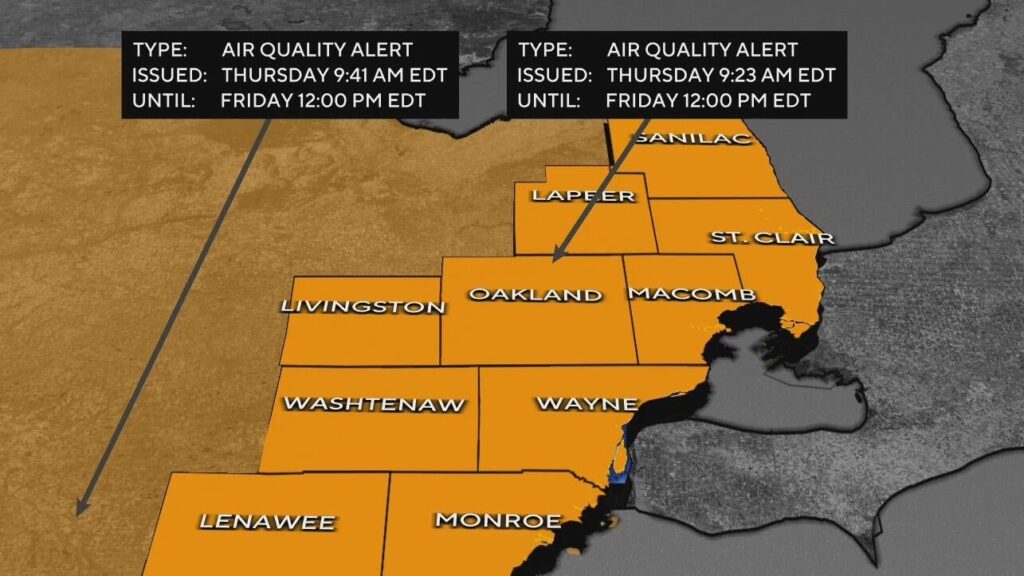
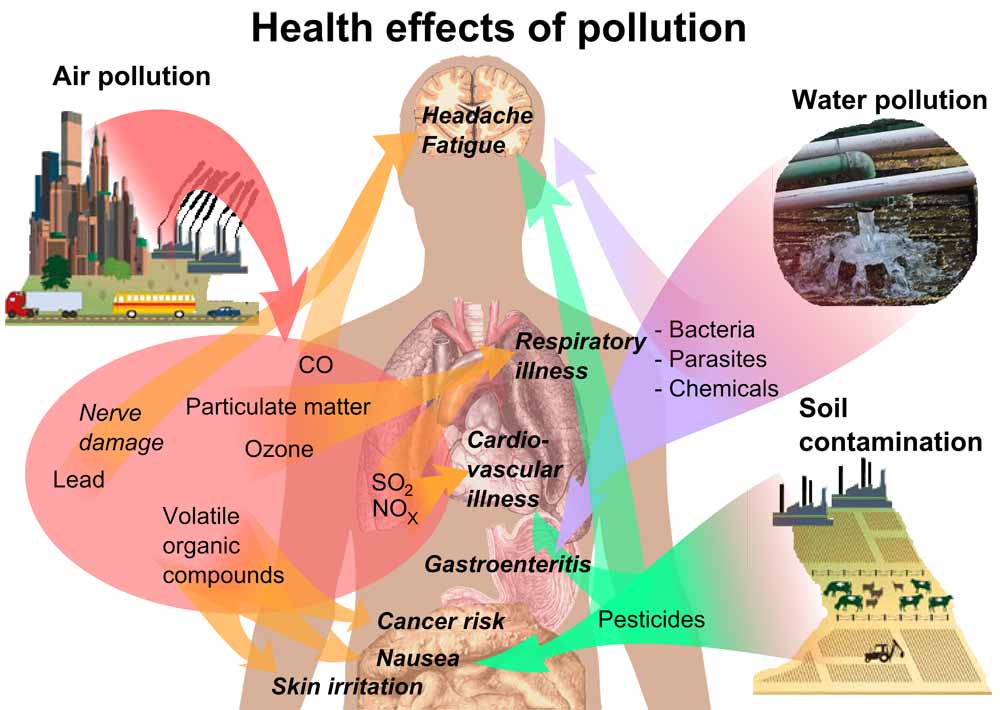
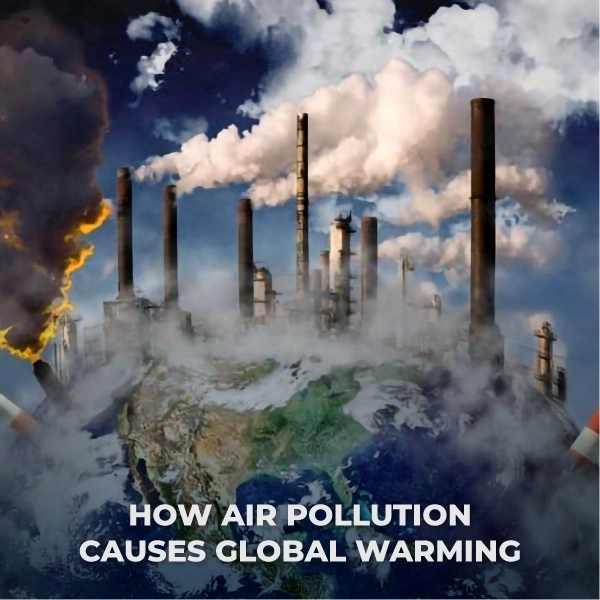
Air pollution, driven by industrial, transport, agricultural and natural sources, harms human health and ecosystems, while also influencing climate, making understanding its causes,

by

Edward Philips

October 28, 2026

Air Pollution in California: Causes Hotspots and Climate Links

Air pollution in California stems from traffic, industry, and increasingly frequent wildfires, creating regional hotspots and a feedback loop that intensifies climate change

by

Edward Philips

October 27, 2026

How Air Pollution Is Worsening the Spread of COVID-19

Air pollution weakens respiratory health and may increase COVID-19 spread and severity, making cleaner air a critical public‑health goal. Quick Answer Air pollution—especially

by

Edward Philips

October 26, 2026

Older posts
Page1 Page2 … Page14 Next →

Latest Post

November 16, 2026

Blue Whales Are Going Silent Scientists Warn—A Cry for Help From the Ocean

November 15, 2026

Business Coalition at COP30 Calls for Urgent Transition Away From Fossil Fuels

November 14, 2026

Brazilian Taxpayers Subsidize Amazon Clearing for Cattle Ranching Study Finds

Popular

Carbon Sinks Explained: Nature’s Role in Absorbing CO₂

Atmospheric CO₂ Jump in 2025 Pushes World Off Track for 1.5°C Goal

A Short Essay on Climate Change for Easy Understanding

How Arctic Ice Melt Releases COâ‚‚ Into the Atmosphere

Is Human COâ‚‚ Really Causing Glaciers to Melt?

24Earth is an independent environmental knowledge platform explaining climate, oceans, biodiversity, pollution, energy, and planetary change through accessible, evidence-based reporting.

Blog Categories

  • Climate & Atmosphere
  • Earth Data
  • Energy & Solutions
  • Nature & Biodiversity
  • Oceans & Ice
  • Pollution & Environmental Health

Nav Link

Privacy Policy AI Use Policy Correction Policy Editor Policy Fact-Checking Policy Sources Standart

Follow Us

  • Instagram
  • X
  • LinkedIn

Copyright ©2026

24Earth.

Contact Us About Me Disclaimer Funding and Advertising Disclosure
  • Home
  • Tools
    • Air Quality Checker
    • Greenhouse Gas Converter
    • Appliance Energy Cost Calculator
    • Home Energy Emissions Calculator
    • Renewable Energy Comparison Tool
    • EV vs. Gasoline Car Emissions Calculator
    • Electricity Mix Explorer
    • Country Environmental Profile
    • COâ‚‚ Equivalency Converter
    • Household Carbon Footprint Calculator
  • Blog
    • Climate & Atmosphere

      Fundamental processes and indicators that drive Earth’s climate system.

      • Adaptation and Resilience

        Strategies to reduce vulnerability and recover from climate effects.

      • Carbon Cycle

        The natural and anthropogenic flows of carbon among Earth’s reservoirs.

      • Climate Attribution

        Methods for linking specific weather events to human‑caused climate change.

      • Climate Change Basics

        An overview of the science behind long‑term climate change.

      • Climate Impacts

        Consequences of climate change on ecosystems, economies, and societies.

      • Climate Indicators

        Metrics such as temperature, precipitation, and sea level that track climate trends.

      • Extreme Weather

        Intensified storms, heatwaves, and other severe weather events.

      • Global Warming

        The observed rise in average global temperatures due to greenhouse gases.

      • Greenhouse Effect

        How atmospheric gases trap heat and regulate Earth’s temperature.

      • Greenhouse Gases

        Key gases like COâ‚‚, methane, and nitrous oxide that drive warming.

    • Earth Data

      Tools and datasets for monitoring and understanding environmental change.

      • Climate Modeling

        Simulations that project future climate scenarios.

      • Data Quality Assurance

        Processes ensuring accuracy and reliability of data.

      • Data Visualization

        Graphic representation of complex climate data.

      • Earth Observation

        Satellite and aerial monitoring of planetary systems.

      • GIS Mapping

        Geographic information systems for spatial analysis.

      • Open Data Platforms

        Public repositories for sharing environmental datasets.

    • Energy & Solutions

      Clean energy technologies and strategies to mitigate climate change.

      • Carbon Removal

        Methods to capture and sequester atmospheric COâ‚‚.

      • Clean Transportation

        Low‑emission vehicles and mobility solutions.

      • Climate Policy

        Regulations and agreements aimed at mitigating climate change.

      • Electricity Grids

        Infrastructure for delivering power to consumers.

      • Energy Efficiency

        Reducing energy use while maintaining performance.

      • Energy Storage

        Technologies that retain energy for later use.

      • Geothermal Energy

        Utilizing Earth’s internal heat for power and heating.

      • Hydropower

        Electricity produced from flowing or stored water.

      • Nuclear Energy

        Generating electricity through nuclear fission reactions.

    • Nature & Biodiversity

      The variety of life, ecosystems, and the threats they face.

      • Biodiversity Basics

        Fundamental concepts of species variety and ecosystem function.

      • Ecosystem Restoration

        Projects aimed at rebuilding degraded natural systems.

      • Ecosystems

        Interconnected communities of organisms and their physical environment.

      • Forests and Deforestation

        The role of forests and the impacts of tree loss.

      • Freshwater Ecosystems

        Rivers, lakes, and wetlands and their vulnerability.

      • Habitat Loss

        Destruction and fragmentation of natural habitats.

      • Invasive Species

        Non‑native organisms that disrupt native ecosystems.

    • Oceans & Ice

      Changes in the world’s oceans, ice masses, and related coastal impacts.

      • Coastal Adaptation

        Measures to protect shorelines and communities from ocean threats.

      • Coastal Flooding

        Inundation of low‑lying areas from storms and rising seas.

      • Coral Reefs

        Heat‑induced bleaching and degradation of reef ecosystems.

      • Glaciers

        The retreat and mass loss of mountain and valley glaciers.

      • Ice Sheets

        Changes in the massive ice bodies of Antarctica and Greenland.

      • Marine Ecosystems

        Broad impacts on oceanic food webs and biodiversity.

      • Ocean Acidification

        The decreasing pH of seawater caused by absorbed COâ‚‚.

      • Ocean Warming

        Rising sea temperatures and their effects on marine life.

    • Pollution & Environmental Health

      Contaminants affecting air, water, land, and human‑well‑being.

      • Air Pollution

        Contaminants released into the atmosphere affecting health.

      • Chemical Pollution

        Release of hazardous substances into air, soil, and water.

      • Environmental Justice

        Equitable distribution of environmental benefits and burdens.

      • Microplastics

        Tiny plastic particles that infiltrate ecosystems and food chains.

      • Noise and Light Pollution

        Disturbances from excessive sound and artificial illumination.

      • Plastic Pollution

        Accumulation of plastic debris in terrestrial and marine environments.

      • Waste and Recycling

        Management of solid waste and material recovery.

      • Water Pollution

        Degradation of water quality from chemicals and waste.

CTA Button