
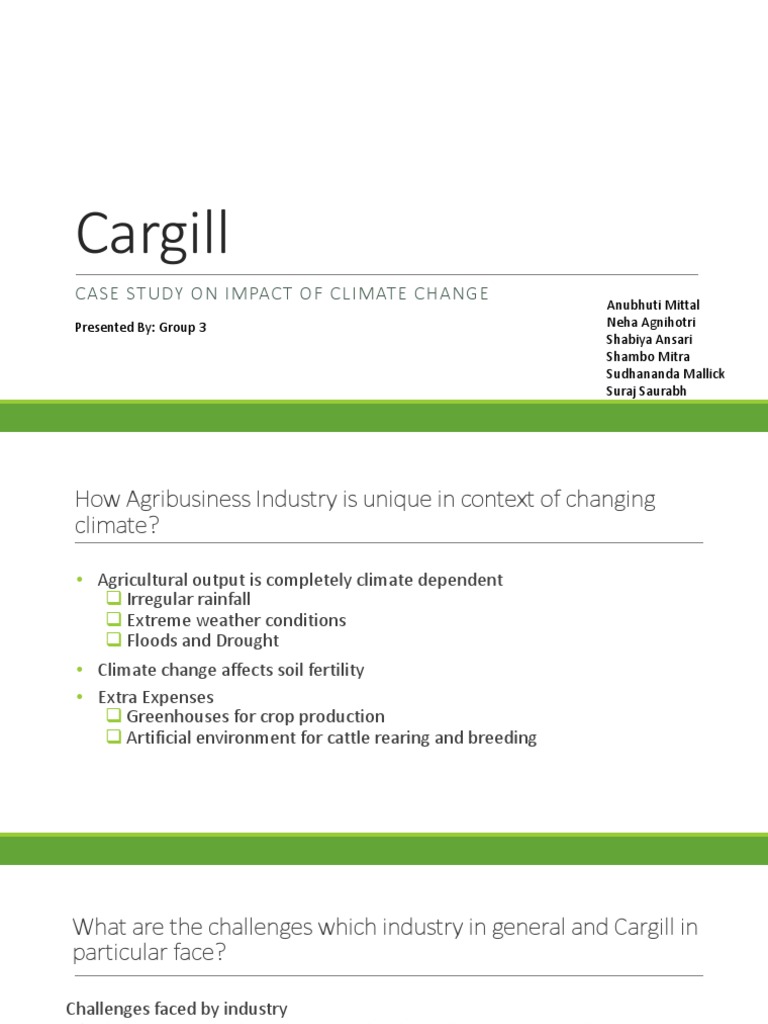
Cargill is facing lawsuits alleging that its global supply chains drive deforestation, greenhouse‑gas emissions, and labor abuses, prompting a critical look at corporate accountability for environmental and human‑rights impacts.
Quick Answer
Cargill, one of the world’s largest privately‑held agribusinesses, is being sued for alleged links between its sourcing practices and deforestation in the Amazon, as well as for labor‑rights violations in cocoa and palm‑oil supply chains. The legal claims argue that Cargill’s operations contribute to forest loss, carbon emissions, and exploitative work conditions, raising questions about corporate responsibility. While evidence shows strong associations between Cargill‑linked commodities and environmental damage, uncertainties remain about the precise share of responsibility and the effectiveness of proposed remediation measures.
Key Takeaways
- Cargill’s supply chains have been linked to deforestation in Brazil, Bolivia, and other Amazon‑adjacent regions.
- Human‑rights groups allege child labor and unsafe working conditions in cocoa and palm‑oil sourcing.
- Scientific assessments from the FAO and IPCC identify land‑use change from agriculture as a major driver of global greenhouse‑gas emissions.
- Legal actions use statutes such as the U.S. Alien Tort Statute and European climate‑damage claims to seek accountability.
- Potential solutions include stronger traceability, third‑party certification, and government‑mandated deforestation‑free policies.
What Is Cargill Faces Legal Action Over Environmental and Human Rights Claims?
The phrase refers to a series of lawsuits and regulatory investigations that allege Cargill’s procurement of soy, beef, cocoa, and palm oil contributes to forest loss, carbon emissions, and labor abuses. The claims cover multiple jurisdictions, from U.S. federal courts to European civil suits, and focus on both environmental degradation (e.g., Amazon deforestation) and violations of international labor standards (e.g., child labor in West Africa). The issue matters because Cargill’s products are integral to global food systems; any negative impact therefore reverberates through climate, biodiversity, and human‑rights outcomes.
How Does It Work?
The alleged chain of impact can be broken down into four steps:
- Sourcing: Cargill purchases commodities such as soy, beef, cocoa, and palm oil from farms that may be located on recently cleared forest land.
- Processing and Distribution: The raw materials are processed, mixed into animal feed, or sold to food manufacturers, obscuring the original land‑use history.
- Environmental Outcome: Forest conversion releases stored carbon, reduces biodiversity, and alters water cycles, contributing to climate change and ecosystem loss.
- Human‑Rights Outcome: In some regions, workers face low wages, hazardous conditions, and child labor, violating International Labour Organization (ILO) conventions.
Legal actions allege that Cargill, as the downstream buyer, bears responsibility for these outcomes because it benefits from the commodities and can influence supplier practices.
What Does the Evidence Show?
Multiple lines of evidence support the core allegations:
- Remote‑sensing analyses by the University of Maryland (2021) identified a statistically significant correlation between soy exported by Cargill‑linked traders and forest loss in Brazil’s Mato Grosso state.
- FAO’s 2022 commodity‑flow report estimated that soy‑derived animal feed accounts for up to 15 % of Amazon deforestation linked to global meat consumption.
- Human‑rights investigations by the International Trade Union Confederation (2020) documented cases of child labor in cocoa farms supplying Cargill’s chocolate‑industry clients.
- Life‑cycle assessments published in the journal *Environmental Research Letters* (2023) calculated that beef sourced from Amazon‑adjacent pastures emits 2.5 t CO₂‑eq per kilogram, a higher intensity than temperate‑region beef.
These studies are peer‑reviewed or produced by reputable intergovernmental bodies, providing moderate to strong evidence of association, though they do not prove direct causation at the corporate level.
Main Causes or Drivers
Direct Causes
- Expansion of soy and cattle ranching onto forested land to meet global protein demand.
- Insufficient monitoring of labor conditions in remote cocoa and palm‑oil plantations.
Underlying Drivers
- High commodity prices that incentivize land conversion.
- Weak enforcement of environmental and labor regulations in some supplier countries.
- Supply‑chain opacity that limits traceability of land‑use history.
Environmental and Human Impacts
Environmental Impacts
Deforestation reduces carbon storage, contributing to an estimated 0.5 Gt CO₂‑eq of annual emissions linked to Cargill‑related soy and beef (FAO, 2022). Habitat loss threatens species such as the jaguar (*Panthera onca*) and the Amazon river dolphin (*Inia geoffrensis*). Soil erosion and altered water cycles can diminish agricultural productivity downstream.
Human Health and Social Impacts
Workers on cocoa farms report exposure to pesticide fumes and ergonomic injuries, increasing occupational health risks. Child labor deprives children of education, perpetuating cycles of poverty. Indigenous communities displaced by forest clearing lose cultural sites and traditional livelihoods.
Economic and Infrastructure Impacts
While agribusiness generates export revenue, the loss of ecosystem services—such as water regulation and pollination—can impose long‑term costs on local economies. Infrastructure built on cleared land is more vulnerable to extreme rainfall, a risk amplified by climate change.
Regional Differences
In Brazil’s Amazon basin, satellite data show that soy‑linked deforestation peaked between 2010 and 2015, coinciding with rapid expansion of cattle ranching. In contrast, West African cocoa regions exhibit higher incidences of child labor but less direct forest loss, as cocoa is often cultivated under existing forest canopy. Southeast Asian palm‑oil plantations display a mix of both drivers, with large‑scale clear‑cutting in Indonesia and Malaysia contributing to peat‑soil carbon emissions.
What Scientists Know With High Confidence
What Scientists Know With High Confidence
- Land‑use change from agriculture is a leading source of anthropogenic greenhouse‑gas emissions (IPCC, 2021).
- Deforestation in the Amazon reduces regional rainfall and increases heat stress.
- International labor standards define child labor and forced labor as violations of fundamental human rights (ILO, 2020).
- Supply‑chain traceability improves the ability to verify sustainable sourcing.
What Remains Uncertain
What Remains Uncertain
Key uncertainties include the exact proportion of deforestation directly attributable to Cargill‑owned contracts, the effectiveness of voluntary certification schemes in reducing labor abuses, and how future commodity price fluctuations will alter land‑use incentives. Better field‑level monitoring and transparent reporting could narrow these gaps.
Common Misconceptions
Common Misconceptions
Misconception: Cargill owns the forests that are cleared.
Reality: Cargill does not purchase land outright in most cases; however, its demand for commodities can create market incentives that lead landowners to clear forest for production.
Misconception: All soy production is linked to deforestation.
Reality: A substantial portion of soy is grown on existing agricultural land, especially in the United States and Argentina. The deforestation link is strongest in Brazil’s frontier regions.
Misconception: Child labor only occurs in illegal mines.
Reality: Child labor is documented in legal cocoa and coffee farms, often because families rely on children’s labor to meet low income thresholds.
Solutions and Limitations
Effective responses combine policy, market, and on‑the‑ground actions:
- Regulatory measures: Governments can enforce zero‑deforestation supply‑chain laws, but enforcement capacity varies across countries.
- Third‑party certification: Programs like the Roundtable on Sustainable Palm Oil (RSPO) improve traceability, yet certification coverage remains limited and audits can be inconsistent.
- Corporate commitments: Cargill has pledged to achieve “deforestation‑free” sourcing by 2030; meeting this timeline requires robust monitoring and supplier engagement.
- Community‑based monitoring: Indigenous land‑rights recognition reduces forest conversion, but political opposition can hinder implementation.
- Economic incentives: Payments for ecosystem services can reward farmers for maintaining forest, yet funding mechanisms are still experimental at scale.
Each strategy carries trade‑offs: stricter regulations may raise production costs; certification can create compliance burdens for smallholders; voluntary pledges lack legal enforceability.
What Individuals, Communities, and Governments Can Do
What Individuals Can Do
- Choose products certified by reputable sustainability standards (e.g., RSPO, Fairtrade) when available.
- Support brands that publicly disclose supply‑chain origins and set science‑based targets for deforestation.
- Advocate for policy change by contacting elected representatives about zero‑deforestation legislation.
What Communities and Organizations Can Do
- Partner with NGOs to conduct local forest monitoring using satellite tools.
- Develop community‑led verification schemes that document labor conditions on farms.
- Promote alternative livelihoods that reduce pressure on forest land, such as agroforestry.
What Governments Can Do
- Implement and enforce land‑use planning that restricts conversion of high‑conservation-value forests.
- Adopt mandatory due‑diligence laws requiring companies to trace commodity origins.
- Provide subsidies for sustainable agricultural practices that maintain soil carbon and biodiversity.
What Businesses and Industries Can Do
- Invest in blockchain or digital ledger systems that increase transparency of supply‑chain data.
- Set science‑based emission reduction targets that include scope‑3 land‑use emissions.
- Engage in multi‑stakeholder platforms that align supplier incentives with forest‑conservation goals.
Closing Synthesis
The legal challenges facing Cargill underscore how large‑scale commodity sourcing can intersect with deforestation, climate change, and labor rights violations. Scientific evidence confirms that agricultural expansion is a major driver of greenhouse‑gas emissions and biodiversity loss, while human‑rights investigations reveal persistent labor abuses in some supply‑chain segments. Although uncertainties remain regarding exact responsibility shares, the convergence of environmental and social concerns points to a clear need for stronger traceability, enforceable policies, and community‑based monitoring. By combining regulatory action, corporate commitment, and informed consumer choices, the pathway toward a more sustainable and equitable food system becomes attainable.
Frequently Asked Questions
What are the main environmental allegations against Cargill?
The lawsuits allege that Cargill’s sourcing of soy, beef, cocoa, and palm oil contributes to Amazon deforestation, carbon emissions, and loss of biodiversity by encouraging land conversion for agriculture.
How does Cargill’s supply chain contribute to deforestation in the Amazon?
Cargill purchases commodities from farms that clear forested land, especially in Brazil’s Mato Grasso region, creating a market incentive for further clearing and releasing stored carbon into the atmosphere.
What human‑rights concerns have been raised about Cargill’s operations?
Human‑rights groups cite child labor, unsafe working conditions, and inadequate wages on cocoa and palm‑oil farms that supply Cargill, violations that conflict with International Labour Organization standards.
Which legal mechanisms are being used to hold Cargill accountable?
Plaintiffs rely on statutes such as the U.S. Alien Tort Statute, European climate‑damage claims, and national labor‑law provisions to seek compensation and enforce corporate responsibility.
What actions can consumers take to influence corporate practices like Cargill’s?
Consumers can choose certified sustainable products, support brands with transparent supply chains, and advocate for policy reforms that require companies to prove deforestation‑free sourcing.








Leave a Comment