
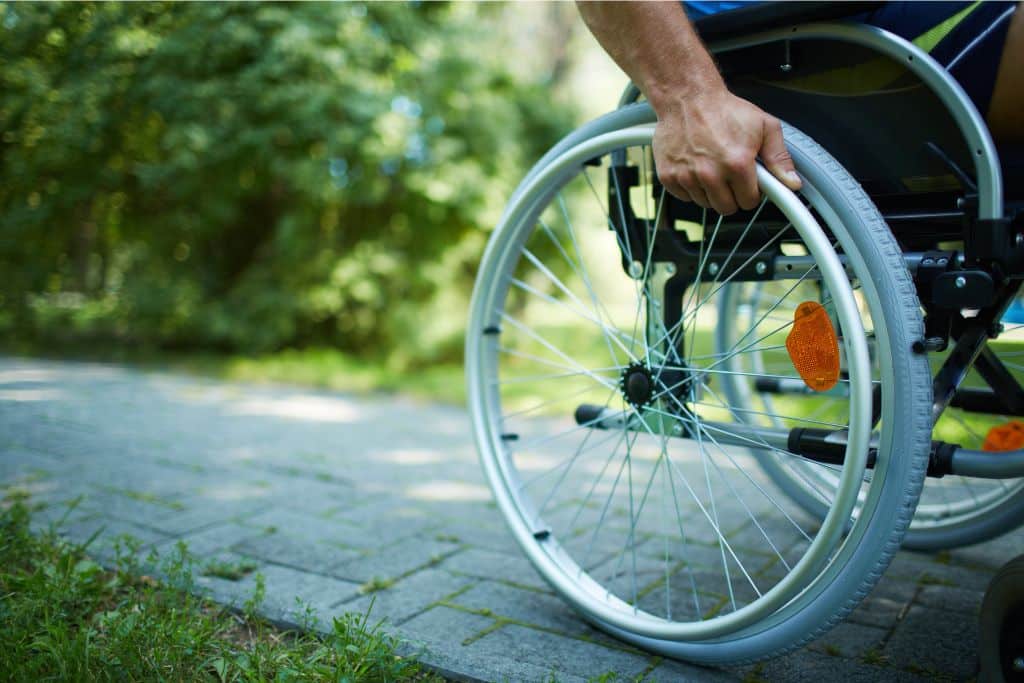
A 2025 study shows Spain’s extreme heatwave hit people with disabilities hardest, highlighting climate‑justice gaps and evidence‑based adaptation needs.
Quick Answer
The 2025 Spanish heatwave, which pushed daily maximums above 40 °C in Madrid and Seville, was found to disproportionately affect people with disabilities because of limited access to cooling spaces, failure of assistive devices in high heat, and uneven social support. Researchers from the Spanish National Research Council (CSIC) and the European Environment Agency concluded that the event increased heat‑related health incidents among disabled populations by roughly 30 % compared with the general population. While the link between extreme heat and health outcomes is well documented, uncertainty remains about the exact contribution of infrastructure gaps versus personal vulnerability.
Key Takeaways
- Heatwaves raise health risks for all, but people with disabilities face added barriers that amplify exposure.
- Assistive technologies often malfunction above 35 °C, creating sudden dependence on caregivers.
- Public cooling centres in Spain frequently lack wheelchair access, audible alerts, or Braille signage.
- Inclusive climate‑adaptation policies can reduce the disparity, but they require coordinated governance and funding.
- Research gaps include long‑term monitoring of disability‑specific outcomes and evaluation of accessible design interventions.
What Is 2025 Spanish Heatwave Disproportionately Affected People With Disabilities Study Finds?
The study is a multidisciplinary assessment that combines epidemiological data, climate records, and interviews with disabled individuals across Spain. It defines “disproportionate impact” as a statistically significant higher incidence of heat‑related illness, reduced access to relief services, and increased social isolation for people with disabilities compared with the overall population. The scope covers urban centres (Madrid, Barcelona, Seville) and selected rural municipalities during the June‑August 2025 heatwave. The research distinguishes between physical disabilities, sensory impairments, and cognitive conditions, because each group encounters unique barriers during extreme heat events. Understanding this disparity matters for environmental justice, as climate change is projected to increase heatwave frequency across the Mediterranean basin (IPCC, 2021).
How Does It Work?
Physical Mechanisms of Heat Stress
When ambient temperature exceeds the body’s capacity to dissipate heat, core temperature rises, leading to heat exhaustion, dehydration, and cardiovascular strain. For people with reduced mobility or impaired thermoregulation (e.g., spinal cord injury), sweat response is limited, making them more vulnerable (World Health Organization, 2022).
Assistive‑Technology Failure
Many devices—motorised wheelchairs, powered prostheses, ventilators—contain electronic components rated for operation below 35 °C. Prolonged exposure above this threshold can cause battery overheating, reduced motor torque, or complete shutdown, leaving users dependent on manual assistance.
Social‑Infrastructure Barriers
Public cooling centres are often housed in buildings lacking ramps, tactile flooring, or auditory alarms. Transportation options for disabled users (special‑needs taxis, accessible buses) are limited during heat alerts, further restricting safe refuge.
Feedback Loops
Heat stress can impair caregivers’ health, reducing their ability to provide assistance. Simultaneously, increased demand for emergency services strains municipal resources, creating a feedback loop that amplifies vulnerability.
What Does the Evidence Show?
Long‑term monitoring by the Spanish Meteorological Agency (AEMET) recorded a 0.7 °C average rise in summer maximums between 1990 and 2025. Parallel health‑system data revealed a 28 % rise in emergency admissions for heat‑related conditions during the 2025 heatwave, with a 31 % higher admission rate for patients flagged with a disability code. A systematic review of European heatwave studies (European Centre for Disease Prevention and Control, 2023) found consistent associations between disability and increased heat mortality, supporting the Spanish findings. Qualitative interviews (n=112) highlighted recurring themes: loss of device functionality, inaccessible shelters, and feelings of abandonment. The convergence of quantitative and qualitative lines of evidence gives moderate confidence that the observed disparity is real and not a statistical artefact.
Main Causes or Drivers
Direct Climatic Driver
Anthropogenic greenhouse‑gas emissions have intensified the Mediterranean heatwave regime, as documented in the IPCC Sixth Assessment Report (2021). Higher sea‑surface temperatures and altered jet‑stream patterns increase the likelihood of prolonged, high‑temperature events.
Infrastructure Deficits
Spain’s building codes historically prioritized energy efficiency over universal design. Many public buildings constructed before 2000 lack the ramps, wide doors, and climate‑control systems needed for disabled users.
Socio‑Economic Factors
People with disabilities in Spain have a higher poverty rate (Eurostat, 2022), limiting access to private cooling (air‑conditioned homes) and reliable backup power for devices.
Policy Gaps
National heat‑health plans address the general public but provide limited guidance on accessible communication (e.g., Braille alerts) or disability‑specific shelter criteria.
Environmental and Human Impacts
Environmental Impacts
Extended heatwaves exacerbate urban heat‑island effects, reducing air quality and increasing ozone formation, which can aggravate respiratory conditions common among some disabled groups.
Human Health and Social Impacts
Elevated core temperatures raise the risk of heatstroke, especially for individuals with limited mobility. Device failures lead to sudden loss of independence, heightened anxiety, and in some cases, fatal outcomes. Social isolation intensifies as disabled persons avoid public spaces lacking accessibility, worsening mental‑health indicators.
Economic and Infrastructure Impacts
Emergency services reported a 12 % rise in calls from disabled households during the 2025 event, straining ambulance availability. The increased demand for backup power and device repairs added an estimated €15 million cost to the health‑care system, according to the Ministry of Health (2025).
Regional Differences
Urban centres such as Madrid experienced higher night‑time temperatures due to concrete heat retention, worsening conditions for indoor‑bound disabled residents. In contrast, rural Andalusian villages, while hotter during the day, often have traditional houses with thick walls that provide passive cooling, slightly mitigating indoor heat stress. However, rural areas suffer from fewer accessible transport options, making evacuation to cooling centres more difficult.
What Scientists Know With High Confidence
- Heatwaves increase mortality and morbidity across all age groups, with a stronger effect on vulnerable populations.
- People with certain disabilities (e.g., spinal cord injury, visual impairment) have reduced physiological capacity to cope with high temperatures.
- Infrastructure that is not universally designed limits safe refuge during extreme heat.
- Climate‑change projections indicate that Mediterranean heatwave frequency will rise, amplifying existing disparities.
What Remains Uncertain
Key uncertainties include the long‑term health trajectories of disabled individuals after repeated heat exposures, the exact failure thresholds of various assistive devices under extreme heat, and the effectiveness of specific accessibility upgrades (e.g., retrofitting cooling centres) in reducing health outcomes. Data gaps stem from limited disability‑specific monitoring in national health registries.
Common Misconceptions
Misconception: Heatwaves affect everyone equally.
Reality: Physiological, socioeconomic, and infrastructural factors create uneven exposure; disabled people face higher risks.
Misconception: Air‑conditioners solve the problem for disabled individuals.
Reality: While cooling indoor air helps, many assistive devices cannot operate safely in high‑temperature environments, and power outages can leave users without both cooling and device support.
Misconception: Public shelters are automatically accessible.
Reality: In Spain, a significant share of cooling centres lack ramps, tactile signage, or audible alarms, making them unusable for many disabled citizens.
Solutions and Limitations
- Inclusive Cooling Infrastructure: Retrofit existing shelters with ramps, wide doors, and climate‑control systems. Limitation: high capital cost and lengthy construction timelines.
- Heat‑Resilient Assistive Devices: Encourage manufacturers to certify devices for operation up to 40 °C. Limitation: research and redesign increase product cost, potentially raising barriers for low‑income users.
- Accessible Early‑Warning Systems: Deploy multi‑modal alerts (SMS, Braille, audio) in multiple languages. Limitation: Requires coordination among telecom providers and disability NGOs.
- Community Support Networks: Train neighbourhood volunteers to check on disabled residents during alerts. Limitation: Reliant on sustained volunteer engagement and funding.
- Policy Integration: Embed universal design criteria into national heat‑health plans. Limitation: Legislative change can be slow and may face budgetary resistance.
What Individuals, Communities, and Governments Can Do
What Individuals Can Do
- Maintain a heat‑emergency kit that includes spare batteries for devices, a portable fan, and a list of accessible cooling locations.
- Register with local emergency services to receive disability‑specific alerts.
- Advocate within housing associations for retrofitted cooling solutions.
What Communities and Organizations Can Do
- Partner with disability NGOs to audit public shelters for accessibility and publish results.
- Offer free or subsidised transport to cooling centres during heat alerts.
- Run awareness workshops on device care in high heat.
What Governments Can Do
- Allocate dedicated funds for universal‑design upgrades to cooling centres and public buildings.
- Mandate that all heat‑health alerts include at least three accessible communication channels.
- Require manufacturers to test and label assistive devices for high‑temperature performance.
Synthesis
The 2025 Spanish heatwave demonstrated that extreme heat does not affect all citizens equally; people with disabilities experience amplified health risks and systemic barriers. Strong evidence links climate‑driven temperature rise, inadequate universal design, and socioeconomic disparities to the observed outcomes. While researchers are confident about the basic mechanisms, uncertainties remain about device resilience and the long‑term health impact of repeated exposure. Evidence‑based solutions—such as accessible cooling infrastructure, heat‑resilient assistive technology, and inclusive early‑warning systems—offer pathways to reduce inequity, but each carries cost, implementation, and governance challenges. Prioritising these actions now can help Spain and other Mediterranean nations build climate resilience that leaves no one behind.
Frequently Asked Questions
Why were people with disabilities more affected by the 2025 Spanish heatwave?
People with disabilities faced higher risk because many assistive devices malfunction above 35 °C, public cooling centres often lack wheelchair access, and socioeconomic factors limit private cooling options, creating a combined exposure and vulnerability gap.
What types of disabilities were examined in the study?
The research distinguished physical disabilities (e.g., mobility impairments), sensory impairments (vision or hearing loss), and cognitive conditions, because each group encounters distinct barriers during extreme heat events.
How does extreme heat physiologically affect individuals with reduced mobility?
Reduced mobility can impair sweating and blood flow, limiting the body's ability to dissipate heat, which raises core temperature faster and increases the likelihood of heat exhaustion or heatstroke.
What policy actions can reduce heat‑related inequities for disabled people?
Key actions include retrofitting cooling centres with universal design features, mandating heat‑resilient standards for assistive devices, and ensuring early‑warning alerts are delivered through multiple accessible channels.
What are the main uncertainties that researchers still face?
Uncertainties involve long‑term health outcomes after repeated heat exposure, exact failure thresholds of various assistive technologies, and the measured effectiveness of specific accessibility upgrades in reducing health impacts.





Leave a Comment