Why the Atlantic Ocean Circulation Is Slowing Down
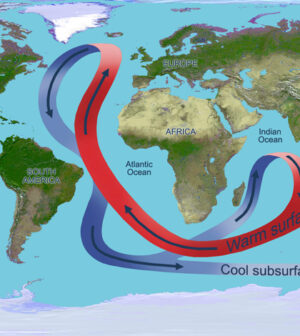
The Atlantic Meridional Overturning Circulation is weakening because warming melts polar ice, freshens surface waters and alters wind patterns, reducing the density‑driven flow
October 17, 2026
Metrics such as temperature, precipitation, and sea level that track climate trends.
The Atlantic Meridional Overturning Circulation is weakening because warming melts polar ice, freshens surface waters and alters wind patterns, reducing the density‑driven flow
October 17, 2026
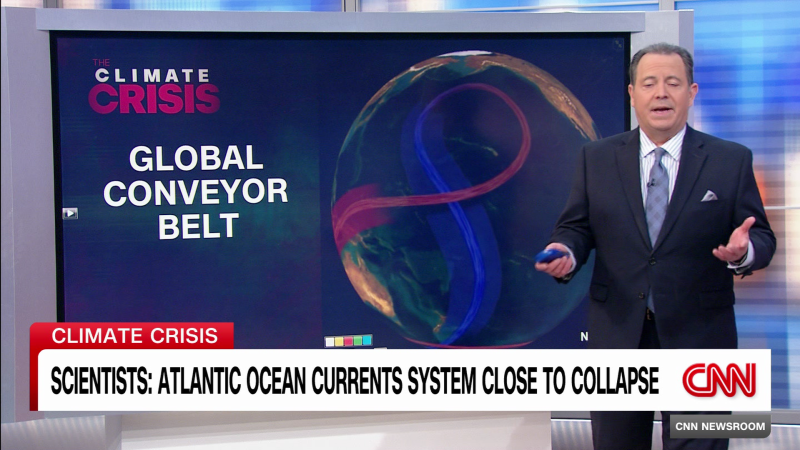
A new assessment shows that the Atlantic Meridional Overturning Circulation is weakening toward a possible irreversible tipping point, with far‑reaching climate and societal
October 8, 2026

Scientists warn that by 2025 the world is on a trajectory toward higher temperatures, more extreme weather, and escalating impacts on ecosystems and
October 7, 2026
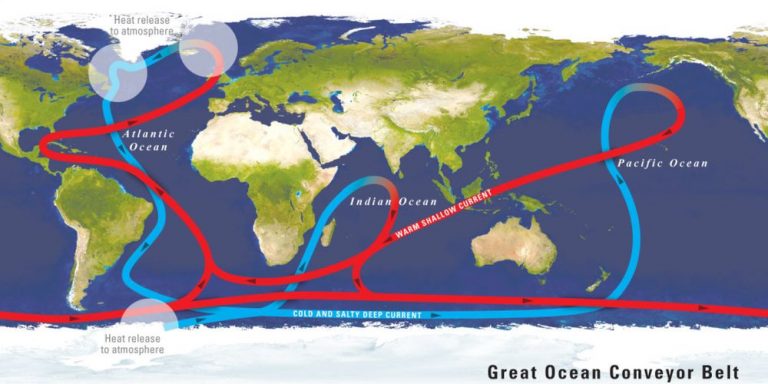
The Atlantic Meridional Overturning Circulation (AMOC) is now at its weakest state in a millennium, a slowdown driven by freshwater influx and warming
October 3, 2026
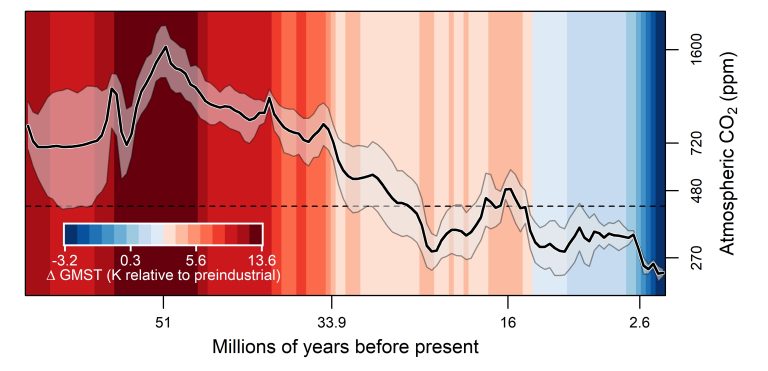
Atmospheric carbon dioxide concentrations have risen to levels (about 420 ppm) that closely resemble those of the Miocene epoch 15 million years ago, a
July 14, 2026
November 11, 2026
November 9, 2026
November 8, 2026

24Earth is an independent environmental knowledge platform explaining climate, oceans, biodiversity, pollution, energy, and planetary change through accessible, evidence-based reporting.
Copyright ©2026
24Earth.