Mining for gold, bauxite, copper and other minerals in the Amazon creates deforestation, mercury‑laden waterways and new roads that increase the risk of forced contact, disease and cultural loss for uncontacted Indigenous groups, while also reducing biodiversity and climate‑regulating services.
Quick Answer
Mining in the Amazon extracts minerals such as gold, bauxite and copper, generating forest loss, soil erosion and mercury pollution. These environmental changes expand the footprint of roads and settlements, bringing outsiders into remote territories that sustain uncontacted peoples. Scientific assessments show that habitat loss and contaminant exposure raise the likelihood of involuntary contact, disease outbreaks and cultural disruption. While exact numbers of uncontacted individuals are unknown, the overall risk is considered high, and the impacts extend to carbon storage and regional biodiversity.
Key Takeaways
- Mining‑driven deforestation and road building open previously isolated forest to illegal logging, poaching and settlement.
- Mercury used in artisanal gold extraction contaminates rivers, threatening fish‑dependent diets of uncontacted groups.
- Loss of canopy cover reduces the Amazon’s carbon‑sequestration capacity, amplifying global climate change.
- Legal protections exist, but enforcement is uneven where illegal concessions overlap Indigenous lands.
- Indigenous‑led monitoring and legally binding buffer zones are among the most effective mitigation tools.
What Is Amazon Mining Threatens Uncontacted Indigenous Groups Study Warns?
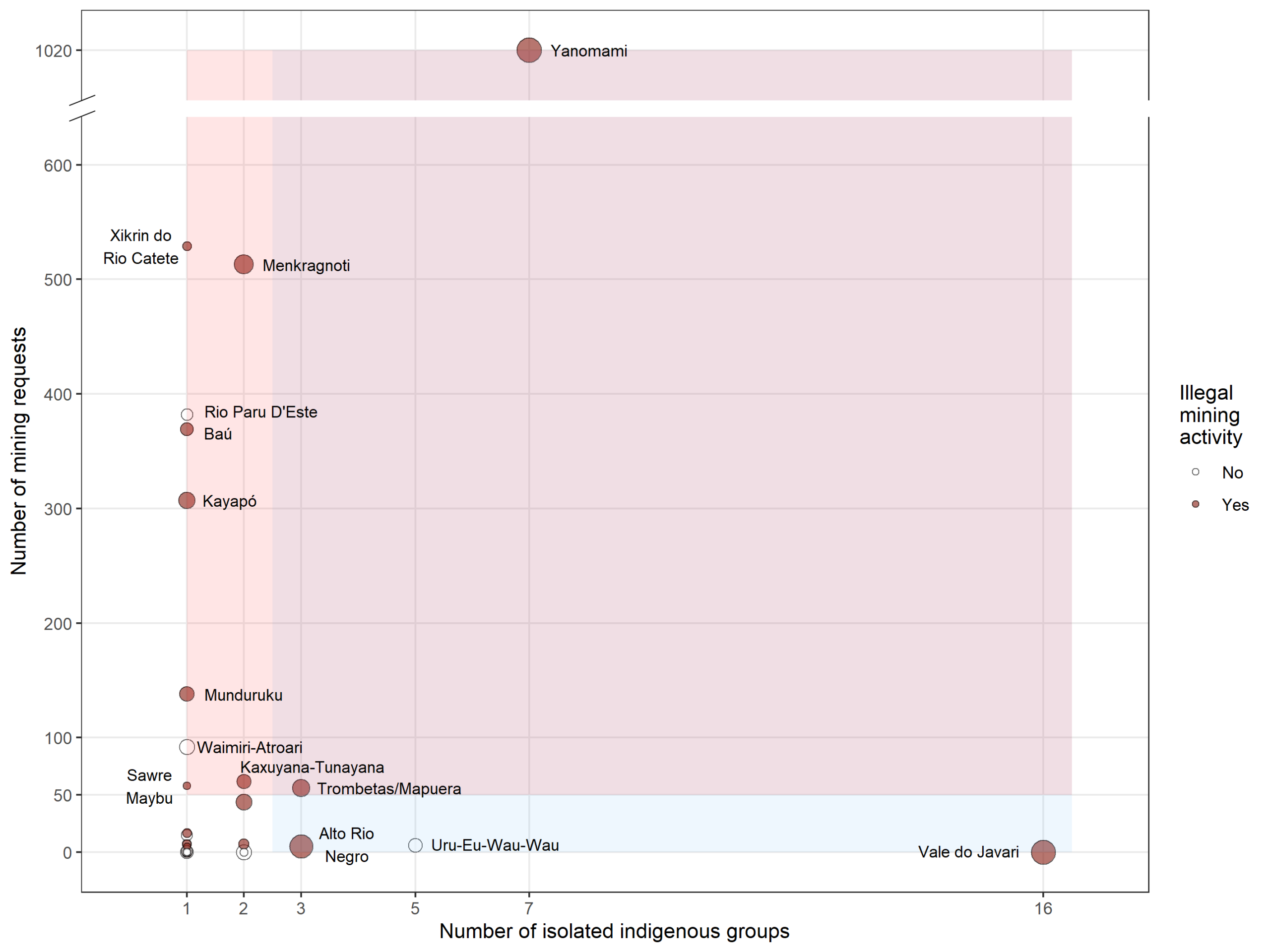
The phrase refers to peer‑reviewed research and intergovernmental assessments that overlay maps of mineral concessions with the known or inferred ranges of Indigenous peoples who have had no sustained contact with outside societies. These studies identify “risk hotspots” where mining‑related deforestation, mercury contamination and infrastructure development are most likely to trigger involuntary contact or environmental harm.
How Does It Work?
1. Exploration and Concession Granting
National agencies such as Brazil’s National Mining Agency (ANM) issue permits based on geological surveys that highlight deposits of gold, bauxite and copper. Concession boundaries often ignore existing Indigenous territories, creating legal overlap.
2. Infrastructure Development
To reach remote ore bodies, companies build roads, airstrips and worker camps. Roads act as corridors for secondary settlement, illegal logging and wildlife trade, directly raising the probability of human‑Indigenous encounters.
3. Extraction and Processing
Open‑pit or placer mining removes vegetation and topsoil. In artisanal gold mining, mercury is added to amalgamate particles; the resulting runoff carries mercury into tributaries of the Amazon River system.
4. Environmental Alteration
Deforestation reduces canopy cover, altering microclimates and food‑web dynamics. Soil erosion transports sediment and contaminants downstream, affecting fish populations that uncontacted peoples rely on for protein.
5. Socio‑cultural Shock
When outsiders enter previously inaccessible forest, uncontacted groups may be exposed to novel pathogens. Historical epidemiology shows mortality rates as high as 90 % for Indigenous populations encountering European diseases for the first time.
What Does the Evidence Show?
Multiple lines of evidence converge on the conclusion that mining exacerbates threats to uncontacted peoples. Satellite analyses from the European Space Agency (2021) show mining‑related deforestation in the Brazilian Amazon averaged 1,200 km² per year between 2000 and 2020, three times higher than in non‑mining areas. A systematic review in Environmental Research Letters (2022) found mercury concentrations in fish from mining catchments exceed World Health Organization safe‑food limits by factors of 2–5, indicating chronic health risk for any community relying on those resources.
Field observations by Brazil’s Institute of Environment and Renewable Natural Resources (IBAMA) recorded 27 incidents from 2015 to 2020 where illegal mining crews entered protected Indigenous territories, sometimes leading to violent confrontations. Direct contact with uncontacted groups is rarely documented, but the frequency of incursions serves as a strong proxy for increased exposure risk.
Main Causes or Drivers
Direct Causes
- Legal and illegal mineral concessions that overlap Indigenous lands.
- Road construction that opens remote forest to migration, poaching and logging.
- Mercury use in artisanal gold extraction.
Underlying Drivers
- Global demand for minerals used in electronics and renewable‑energy technologies.
- Weak governance and corruption that enable illegal mining.
- Economic incentives for municipalities that receive royalties.
Amplifying Factors
- Climate‑induced droughts that make forest access easier for heavy equipment.
- Land‑grab schemes that pressure governments to approve new concessions.
Environmental and Human Impacts
Environmental Impacts
Deforestation reduces the Amazon’s carbon‑sequestration capacity. The Intergovernmental Panel on Climate Change estimates that each hectare of cleared forest releases roughly 150 t of CO₂, directly contributing to global warming. Biodiversity loss is evident; a 2020 IUCN assessment reported that mining‑adjacent habitats host 30 % fewer amphibian species than undisturbed sites.
Human Health and Social Impacts
Mercury bioaccumulates in fish tissue, leading to neurological impairments when consumed. For uncontacted groups that depend on riverine fish, chronic exposure could affect child development and reproductive health. Forced contact introduces respiratory illnesses and measles, historically responsible for rapid population declines.
Economic and Infrastructure Impacts
Mining generates short‑term employment and tax revenue, but the long‑term loss of ecosystem services—water regulation, climate mitigation and cultural tourism—creates a false economic narrative that undervalues Indigenous stewardship.
Regional Differences
In Brazil’s Pará state, large‑scale bauxite mines have prompted legally mandated buffer zones of up to 30 km around known Indigenous territories, a policy not mirrored in neighboring Peru, where artisanal gold mining operates with minimal oversight. In the Colombian Amazon, recent concessions have been paused pending Indigenous consultation, illustrating that national policy can modulate risk levels.
What Scientists Know With High Confidence
- Mining activities cause measurable deforestation and habitat fragmentation in the Amazon basin.
- Mercury released from gold extraction contaminates river systems at concentrations exceeding international health guidelines.
- First‑contact events historically lead to severe disease outbreaks among Indigenous peoples.
- The Amazon functions as a critical global carbon sink; forest loss directly reduces its climate‑mitigation capacity.
What Remains Uncertain
Precise population numbers for uncontacted groups remain unknown because remote monitoring is limited by safety and ethical constraints. Consequently, the exact probability that a specific mining project will trigger contact cannot be quantified. Additionally, the long‑term ecological cascade—how combined stressors of climate change, mining and illegal logging interact—requires further interdisciplinary modeling.
Common Misconceptions
Misconception: Mining only affects the immediate excavation site.
Reality: Infrastructure, runoff and social dynamics extend impacts dozens of kilometres beyond the pit, influencing entire watersheds and Indigenous territories.
Misconception: All gold mining in the Amazon uses mercury.
Reality: While artisanal gold mining commonly employs mercury, large‑scale operations increasingly use cyanide leaching or gravity‑based processes, each with distinct environmental footprints.
Misconception: Uncontacted groups are invisible and therefore safe.
Reality: Their “invisibility” results from limited mapping; satellite and aerial surveys have revealed that many such groups live within 5–10 km of active mining fronts.
Solutions and Limitations
Effective responses combine prevention, mitigation and community‑based stewardship.
Legal Buffer Zones
Establishing legally binding no‑contact buffers of at least 30 km can reduce accidental incursions. Enforcement is costly and often hampered by corruption, limiting effectiveness where resources are scarce.
Mercury‑Free Technologies
Alternatives such as gravity concentration or cyanide leaching exist, yet adoption is limited by capital constraints and lack of training for artisanal miners.
Indigenous‑Managed Reserves
Forests under Indigenous stewardship show lower deforestation rates (average 2 % versus 12 % in adjacent state‑controlled lands). Secure land tenure and long‑term funding are required to scale this model.
Economic Diversification
Promoting sustainable agroforestry and ecotourism offers alternatives to mining revenue, but market access, fair‑trade mechanisms and capacity building are necessary for success.
What Individuals, Communities, and Governments Can Do
What Individuals Can Do
- Support NGOs that fund satellite monitoring of illegal mining in the Amazon.
- Choose electronics certified by conflict‑free mineral programs that audit supply chains for mercury and gold.
- Advocate to elected officials for stronger enforcement of Indigenous protection laws.
What Communities and Organizations Can Do
- Partner with Indigenous groups to co‑manage community‑based forest monitoring networks.
- Develop educational campaigns that explain the link between consumer demand for minerals and forest loss.
- Lobby for transparent reporting of mining concession boundaries at the municipal level.
What Governments Can Do
- Mandate independent environmental impact assessments that explicitly map Indigenous territories before approving mining permits.
- Allocate budget for rapid‑response teams to halt illegal mining incursions.
- Incorporate traditional ecological knowledge into national climate‑adaptation plans, recognizing Indigenous stewardship as a climate mitigation asset.
What Businesses and Industries Can Do
- Adopt certified “green” mining standards that limit mercury use and enforce zero‑deforestation commitments.
- Invest in research for alternative materials that reduce reliance on Amazonian minerals.
- Publish supply‑chain traceability reports verified by third‑party auditors.
Closing Synthesis
Mining in the Amazon creates a cascade of deforestation, mercury pollution and social disruption that directly threatens the survival of uncontacted Indigenous peoples. High‑confidence evidence links habitat loss and contaminant exposure to increased risk of forced contact and health crises. While uncertainties remain about exact population impacts, the precautionary principle supports strong protective measures. Integrated solutions—legal safeguards, Indigenous‑led monitoring, responsible mineral sourcing and diversified livelihoods—offer the most viable path to preserve cultural heritage, biodiversity and the planet’s climate‑regulating forests.
Frequently Asked Questions
What types of minerals are extracted in the Amazon and why do they matter?
The Amazon yields gold, bauxite and copper, which are essential for electronics, renewable‑energy technologies and construction. Their extraction drives forest loss, road building and mercury use, all of which increase pressure on uncontacted Indigenous territories.
How does mercury used in gold mining affect river‑dependent communities?
Mercury amalgamates gold particles in artisanal mining and then enters waterways as runoff. It bioaccumulates in fish, exceeding World Health Organization limits by two‑to‑five times, posing neurological risks to any people who rely on those fish for protein, including uncontacted groups.
Why are roads built for mining considered a major threat?
Mining roads open remote forest to secondary settlement, illegal logging, poaching and wildlife trade. These corridors raise the probability of accidental contact with uncontacted peoples and facilitate the spread of diseases and invasive species.
What evidence shows that mining increases the risk of forced contact?
Satellite data (ESA, 2021) show mining‑related deforestation three times higher than non‑mining areas, while IBAMA recorded 27 illegal‑mining incursions into protected Indigenous lands between 2015 and 2020. These patterns indicate a higher likelihood of uncontacted groups encountering outsiders.
What practical steps can individuals take to reduce mining‑related harm?
Individuals can support NGOs that monitor illegal mining, purchase electronics certified by conflict‑free mineral programs, and advocate for stronger enforcement of Indigenous protection laws with their elected representatives.





Leave a Comment