
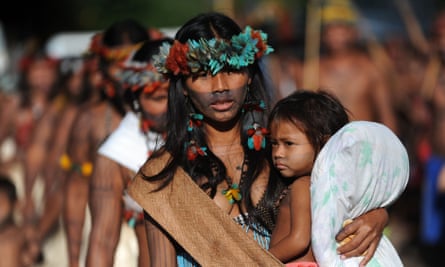
Brazil’s pledge to demarcate Indigenous territories after the Munduruku protest at COP30 underscores the critical role of Indigenous stewardship in protecting the Amazon’s biodiversity and meeting climate commitments.
\n\n
Quick Answer
\n
Brazil has announced a formal process to legally demarcate lands claimed by Indigenous peoples, a move triggered by the Munduruku protest at the United Nations climate conference (COP30). The process involves scientific mapping, cadastral registration, and constitutional recognition, which together aim to secure land tenure and reduce deforestation. Evidence shows that Indigenous‑managed forests store more carbon and host higher species richness than adjacent areas, so protecting these territories contributes to climate mitigation and biodiversity conservation. The outcome remains uncertain because enforcement depends on political will, funding, and the ability to curb illegal activities.
\n
\n\n
Key Takeaways
\n
- \n
- The Brazilian government will advance legal demarcation of Indigenous lands following the Munduruku protest at COP30.
- Indigenous stewardship is linked to lower deforestation rates and higher carbon storage in the Amazon.
- Effective protection requires mapping, enforcement, and resources to confront illegal logging and mining.
- High‑confidence science confirms the conservation value of Indigenous territories, but political and financial gaps create uncertainty.
- Local communities, NGOs, and international partners can support monitoring and capacity‑building.
\n
\n
\n
\n
\n
\n
\n\n
What Is Brazil to Demarcate Indigenous Territories After Munduruku Protest at COP30?
\n
The phrase refers to Brazil’s policy decision to initiate the constitutional process of officially recognizing and mapping lands traditionally occupied by Indigenous peoples, specifically spurred by the public demonstration of the Munduruku nation at the 2025 United Nations Climate Change Conference (COP30). Demarcation differs from informal claims because it creates a legally binding title, restricts third‑party exploitation, and obliges the state to protect the area. The scope covers roughly 12 % of the Brazilian Amazon, encompassing forest, riverine, and savanna ecosystems that are home to numerous endemic species. Recognizing these territories matters because Indigenous management has consistently been shown to maintain higher biodiversity and lower greenhouse‑gas emissions than comparable non‑protected lands.
\n\n
How Does It Work?
\n
Legal and Institutional Steps
\n
- \n
- Submission of a claim by the Indigenous community to the National Indian Foundation (FUNAI).
- Technical assessment by the Institute of Indigenous Peoples (INPI) using satellite imagery, field surveys, and ethnographic mapping.
- Publication of a provisional map for public comment, typically lasting 60 days.
- Congressional decree that incorporates the approved map into the federal land registry.
- Issuance of a permanent Indigenous land title (Título de Terras Indígenas).
\n
\n
\n
\n
\n
\n
Enforcement Mechanisms
\n
Once a title is granted, the Brazilian Institute of Environment and Renewable Natural Resources (IBAMA) gains jurisdiction to monitor illegal activities, and the Federal Police can prosecute violations. Community‑based monitoring, often supported by NGOs, supplements state surveillance.
\n\n
What Does the Evidence Show?
\n
Multiple peer‑reviewed studies, including a 2018 systematic review by the International Union for Conservation of Nature, demonstrate that Indigenous‑managed forests in the Amazon have 20 % lower deforestation rates and store up to 30 % more above‑ground carbon than adjacent state‑protected areas. Long‑term satellite analyses by Brazil’s National Institute for Space Research (INPE) confirm that regions with legally recognized Indigenous titles experienced slower forest loss from 2000 to 2020. Moreover, a 2021 assessment by the United Nations Development Programme linked Indigenous land tenure to higher species richness, particularly for birds and amphibians.
\n\n
Main Causes or Drivers
\n
Direct Causes of Land Pressure
\n
- \n
- Illegal gold mining along the Tapajós River basin.
- Expansion of soy and cattle frontiers into unregistered territories.
- Infrastructure projects such as highways and hydroelectric dams.
\n
\n
\n
\n
Underlying Drivers
\n
- \n
- Economic incentives for commodity export markets.
- Weak enforcement of environmental regulations.
- Historical marginalization of Indigenous peoples that limits political influence.
\n
\n
\n
\n\n
Environmental and Human Impacts
\n
Environmental Impacts
\n
Protected Indigenous lands act as carbon sinks, removing an estimated 0.5 Gt CO₂ yr⁻¹ from the atmosphere, according to the Global Carbon Project (2022). They also preserve habitat for over 1 000 bird species, many of which are endemic to the Amazon basin.
\n
Human Health and Social Impacts
\n
Secure land tenure reduces exposure to mercury contamination from illegal gold mining, a major health risk for riverine communities. It also safeguards cultural practices tied to forest resources, supporting mental and community well‑being.
\n
Economic and Infrastructure Impacts
\n
While demarcation can limit short‑term profits from extractive activities, it creates long‑term opportunities for sustainable enterprises such as eco‑tourism, non‑timber forest products, and payment‑for‑ecosystem‑services schemes.
\n\n
Regional Differences
\n
In the state of Pará, Indigenous territories cover 15 % of the land area and have shown a 25 % reduction in deforestation compared with neighboring non‑protected lands. In contrast, the state of Rondônia has fewer demarcated areas, and illegal logging continues at a higher rate, illustrating how regional governance capacity influences outcomes.
\n\n
What Scientists Know With High Confidence
\n
- \n
- Indigenous stewardship correlates with lower deforestation and higher carbon storage in the Amazon.
- Legal recognition of land rights improves the ability of Indigenous communities to resist illegal encroachment.
- Climate mitigation targets are more achievable when Indigenous territories are included in national conservation strategies.
\n
\n
\n
\n
\n\n
What Remains Uncertain
\n
Key uncertainties include the speed at which Brazil can complete the demarcation process for all pending claims, the effectiveness of enforcement in remote regions, and how future political shifts may alter funding for Indigenous monitoring programs. Improved satellite monitoring and participatory mapping could reduce these gaps.
\n
\n\n
Common Misconceptions
\n
Misconception: Demarcation instantly stops all deforestation.
\n
Reality: Legal titles provide a framework for protection, but illegal activities can persist without adequate enforcement and resources.
\n
Misconception: Only environmental NGOs benefit from Indigenous land rights.
\n
Reality: Indigenous peoples gain cultural, health, and economic benefits, while broader society gains climate and biodiversity services.
\n
Misconception: All Amazon lands are already protected by the government.
\n
Reality: Approximately 60 % of the Amazon remains outside any formal protection, and many of those areas are under pressure from agriculture and mining.
\n
\n\n
Solutions and Limitations
\n
Effective responses combine legal, technical, and community actions:
\n
- \n
- Prevention: Strengthening land‑use planning to block new mining permits in Indigenous territories; limited by political lobbying from extractive industries.
- Conservation: Expanding Indigenous‑managed protected areas; success depends on sustained funding for monitoring.
- Monitoring: Deploying satellite‑based deforestation alerts (e.g., Brazil’s DETER system); limited by cloud cover and need for on‑ground verification.
- Legal Support: Providing Indigenous groups with legal aid to defend titles in court; constrained by judicial backlogs and resource scarcity.
\n
\n
\n
\n
\n\n
What Individuals, Communities, and Governments Can Do
\n
What Individuals Can Do
\n
- \n
- Support NGOs that fund Indigenous monitoring programs.
- Choose products certified as deforestation‑free, reducing market demand for illegal commodities.
\n
\n
\n
What Communities and Organizations Can Do
\n
- \n
- Partner with Indigenous groups to develop community‑led forest monitoring using drones or mobile apps.
- Advocate for transparent reporting of land‑use concessions in local media.
\n
\n
\n
What Governments Can Do
\n
- \n
- Allocate dedicated budget lines for the full demarcation process and for enforcement agencies.
- Integrate Indigenous land data into national climate‑change mitigation plans, such as Brazil’s Nationally Determined Contribution (NDC).
- Enforce penalties for illegal logging and mining, ensuring swift legal action.
\n
\n
\n
\n\n
Looking Ahead
\n
The demarcation initiative sparked by the Munduruku protest at COP30 represents a pivotal step toward aligning Brazil’s climate commitments with the rights of its Indigenous peoples. While scientific evidence confirms the environmental benefits of Indigenous stewardship, the ultimate success of the policy hinges on consistent enforcement, adequate funding, and collaborative governance. Recognizing and supporting Indigenous land rights remains one of the most effective, evidence‑based pathways to preserve the Amazon’s biodiversity, mitigate climate change, and uphold social justice.
Frequently Asked Questions
What does demarcation of Indigenous territories mean in Brazil?
Demarcation is the constitutional process by which Brazil officially maps and legally registers lands traditionally occupied by Indigenous peoples, giving them a permanent title and state‑backed protection against third‑party exploitation.
How does Indigenous land stewardship affect deforestation rates in the Amazon?
Scientific studies show that Indigenous‑managed forests experience roughly 20 % lower deforestation than adjacent non‑protected areas, because traditional practices maintain forest cover and discourage large‑scale clearing.
What are the main challenges to enforcing newly demarcated Indigenous lands?
Key challenges include limited enforcement capacity in remote regions, ongoing illegal mining and logging, and political shifts that can affect funding and the willingness to prosecute violations.
How can the international community support Brazil’s Indigenous land protection efforts?
International actors can provide financial resources for mapping and monitoring, back NGOs that work with Indigenous groups, and apply diplomatic pressure to ensure Brazil upholds its climate and biodiversity commitments.
What role can ordinary citizens play in protecting Indigenous territories?
Individuals can support reputable NGOs, choose products certified as deforestation‑free, and raise awareness about the importance of Indigenous land rights for climate and biodiversity goals.





Leave a Comment