
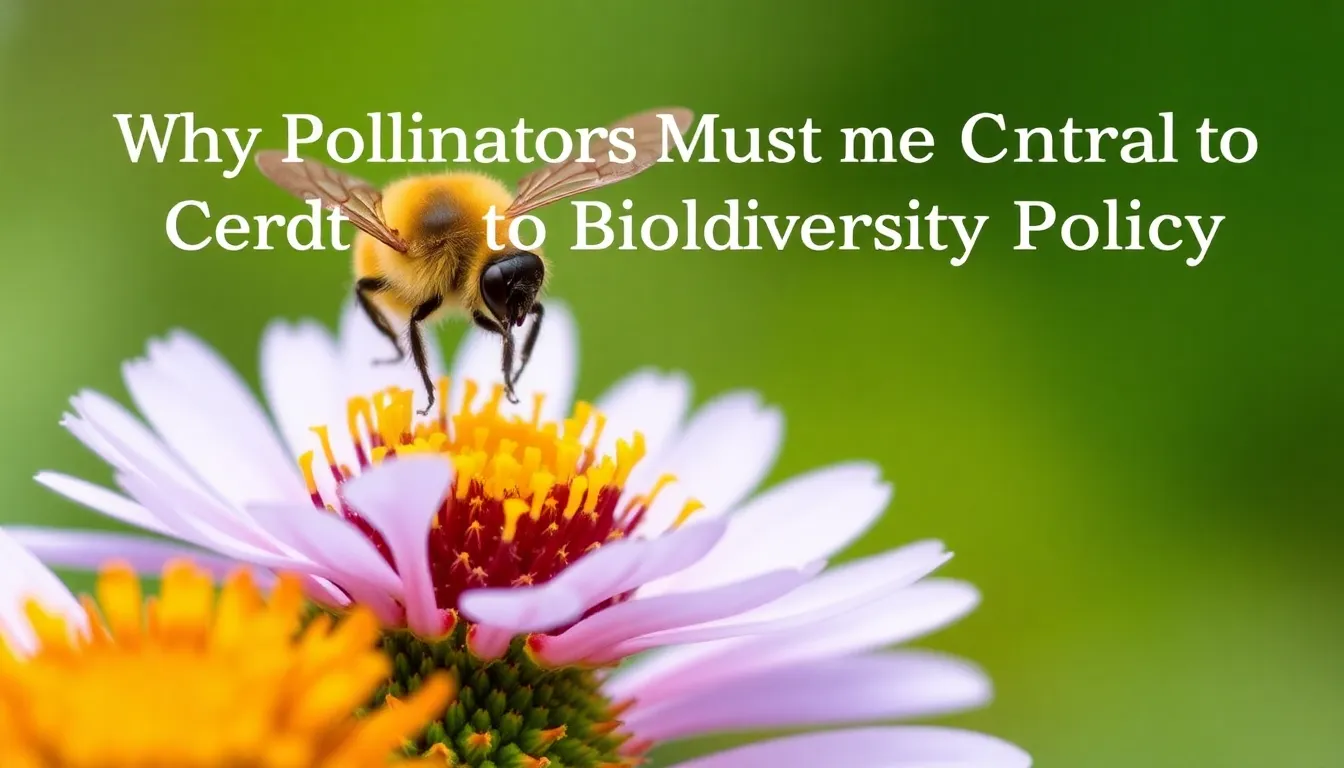
Understanding the Role of Pollinators
Pollinators—bees, butterflies, moths, birds, bats, and even some beetles—transfer pollen from the male structures of a flower to the female structures, enabling fertilisation and seed production. This seemingly simple act underpins the reproductive success of roughly 75% of flowering plants, many of which are key food crops or provide critical habitat for other wildlife. Because pollination links plant diversity with animal diversity, pollinators sit at the heart of ecosystem function.
Pollinators and Ecosystem Services
Food production
Globally, pollinator‑dependent crops such as fruits, vegetables, nuts, and oilseeds account for a substantial share of human nutrition. Without adequate pollination, yields drop, market prices rise, and dietary diversity suffers. The service is not limited to agriculture; wild plants that support soils, water cycles, and carbon storage also rely on pollinators.
Genetic diversity and resilience
By moving pollen between individual plants, pollinators promote genetic mixing. This genetic diversity enhances plant resilience to pests, disease, and climate extremes, creating a feedback loop that supports broader biodiversity.
Threats Driving Pollinator Declines
- Habitat loss: Urban expansion, intensive farming, and deforestation remove nesting sites and foraging resources.
- Pesticide exposure: Neonicotinoids and other systemic chemicals can impair navigation, reproduction, and immune function.
- Climate change: Shifts in temperature and precipitation alter flowering times, creating mismatches between pollinators and plants.
- Pathogens and invasive species: Parasites such as Varroa mites and invasive plants that outcompete native flora further stress pollinator populations.
Why Policy Must Prioritise Pollinators
Because pollinators directly affect food security, rural livelihoods, and natural capital, they represent a clear entry point for biodiversity policy that delivers tangible benefits. Integrating pollinator considerations helps meet multiple international commitments, from the Convention on Biological Diversity to the Sustainable Development Goals. Moreover, protecting pollinators often aligns with climate‑adaptation goals, making them a cost‑effective lever for broader environmental objectives.
Integrating Pollinators into Biodiversity Frameworks
- Explicit targets: Set measurable national or regional goals for pollinator abundance, species richness, or habitat coverage.
- Cross‑sectoral coordination: Align agricultural, urban‑planning, and conservation policies to create continuous foraging corridors and safe nesting sites.
- Incentive mechanisms: Provide subsidies, tax breaks, or certification schemes for farmers who adopt pollinator‑friendly practices such as reduced pesticide use or diversified cropping.
- Monitoring and reporting: Incorporate pollinator indicators into existing biodiversity monitoring networks to track progress and adjust strategies.
- Public engagement: Support citizen‑science programs and education campaigns that raise awareness of pollinator value and encourage backyard stewardship.
Practical Recommendations for Policymakers
- Adopt land‑use policies that preserve and restore native flowering habitats, especially in agricultural mosaics and urban green spaces.
- Mandate integrated pest‑management (IPM) guidelines that limit the use of high‑risk chemicals and promote biological control.
- Include pollinator metrics in national biodiversity strategies and action plans, ensuring regular data collection and transparent reporting.
- Facilitate research on pollinator health, climate impacts, and effective restoration techniques through dedicated funding streams.
- Promote market‑based tools such as pollinator‑friendly certification labels to stimulate consumer demand for sustainably produced goods.
Looking Ahead: Future Research and Adaptive Management
Science continues to uncover how pollinator networks respond to complex stressors. Emerging tools—remote sensing of floral resources, genomic monitoring of bee health, and predictive modelling of phenological shifts—offer policymakers finer‑grained information for decision‑making. Adaptive management frameworks that incorporate new evidence can keep policies responsive, ensuring pollinators remain a resilient backbone of biodiversity.
Conclusion
Pollinators are indispensable connectors between plant diversity, food systems, and ecosystem stability. Their decline signals broader environmental imbalance, making them an urgent focus for biodiversity policy. By embedding pollinator objectives into legislation, incentives, and monitoring, governments can safeguard essential ecosystem services while advancing climate resilience and sustainable development.
Frequently Asked Questions
What ecosystem services do pollinators provide?
Pollinators enable plant reproduction, support food production, enhance genetic diversity, and sustain habitats that underpin soil health, water regulation, and carbon storage.
Which human activities most threaten pollinator populations?
Habitat loss from urbanisation and intensive farming, pesticide exposure, climate‑induced phenological mismatches, and disease pressures from pathogens and invasive species are the main threats.
How can biodiversity policy explicitly support pollinators?
Policies can set measurable pollinator targets, coordinate across agriculture and land‑use sectors, offer incentives for pollinator‑friendly practices, and integrate pollinator indicators into monitoring frameworks.
What are practical steps for farmers to protect pollinators?
Farmers can preserve native flowering strips, adopt integrated pest‑management to limit harmful chemicals, diversify crops, and participate in certification schemes that reward pollinator‑friendly management.
Why are pollinators a cost‑effective focus for climate‑adaptation goals?
By promoting genetic diversity and resilient plant communities, pollinators help ecosystems withstand climate extremes, delivering food security and ecosystem services without requiring large‑scale infrastructure investments.





Leave a Comment