

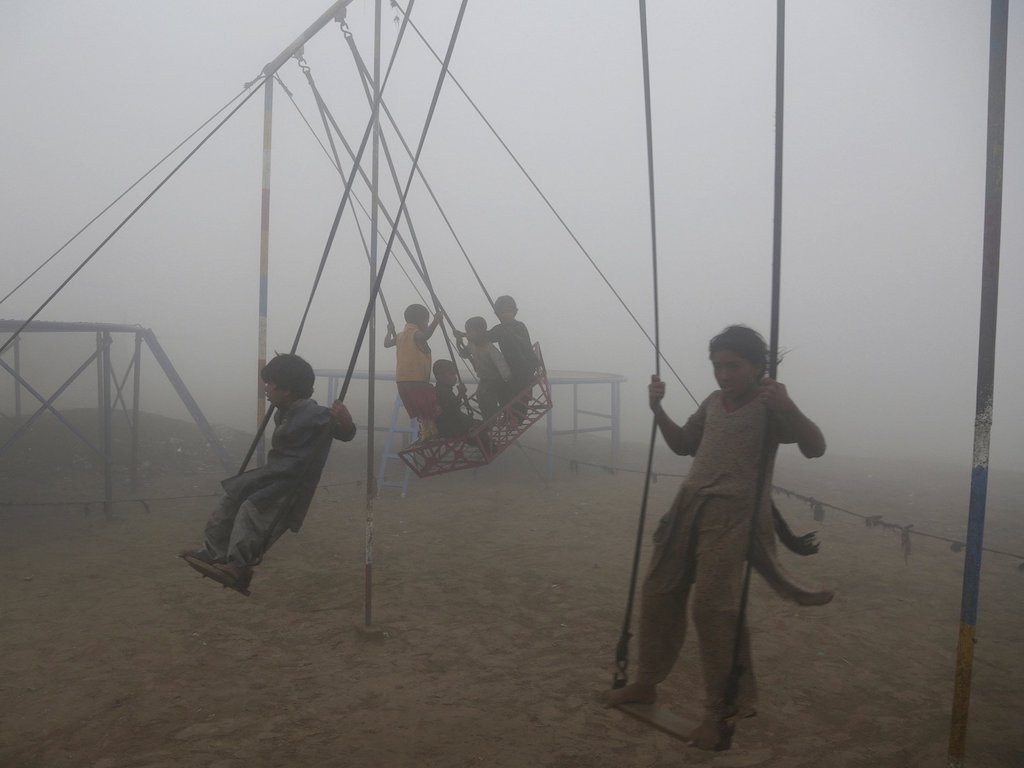
Air pollution is termed the silent killer because its invisible pollutants infiltrate the atmosphere, cause chronic health problems, and often go unnoticed until severe damage occurs.
\n\n
Quick Answer
\n
Air pollution consists of a mixture of gases, particles, and chemicals released from natural and human activities that degrade air quality. These contaminants can enter the lungs, bloodstream, and even the brain, leading to respiratory, cardiovascular, and neurological effects. Scientific assessments, such as the World Health Organization (2021) report, indicate that long‑term exposure is linked to millions of premature deaths worldwide. Because many pollutants are odorless and invisible, the health impacts accumulate silently, which is why the term “silent killer” is widely used. However, uncertainties remain around exact dose‑response relationships for low‑level, long‑term exposure.
\n
\n\n
Key Takeaways
\n
- \n
- Air pollution includes particulate matter (PM2.5, PM10), ozone, nitrogen oxides, sulfur dioxide, carbon monoxide, and volatile organic compounds.
- Major sources are transportation, industry, residential heating, agriculture, and natural events such as wildfires.
- Evidence from global monitoring networks shows strong links between polluted air and respiratory, cardiovascular, and cognitive health outcomes.
- Vulnerable groups—children, the elderly, and people with pre‑existing conditions—experience disproportionate risks.
- Effective solutions combine cleaner technologies, stricter regulations, and community‑level actions, but each has trade‑offs.
\n
\n
\n
\n
\n
\n
\n\n
What Is Air Pollution: Why It’s Called the Silent Killer?
\n
Air pollution refers to the presence of substances in the atmosphere at concentrations that can harm human health, ecosystems, or materials. The term covers both primary pollutants emitted directly (e.g., vehicle exhaust) and secondary pollutants formed through atmospheric chemistry (e.g., ground‑level ozone). Unlike visible waste, many harmful components are colorless or too fine to see, allowing exposure to occur without immediate awareness—hence the nickname “silent killer.” Understanding this phenomenon is essential because air quality directly influences climate, biodiversity, and public health.
\n\n
How Does It Work?
\n
Emission → Transformation → Exposure
\n
- \n
- Emission: Fossil‑fuel combustion, industrial processes, and agricultural activities release gases and particles into the atmosphere.
- Transformation: Sunlight and atmospheric reactions convert precursors (e.g., nitrogen oxides, volatile organic compounds) into secondary pollutants such as ozone and secondary organic aerosols.
- Dispersion: Wind patterns and temperature gradients transport pollutants regionally and globally, sometimes crossing national borders.
- Deposition & Exposure: Pollutants settle on surfaces or remain airborne, where they can be inhaled or absorbed through skin.
\n
\n
\n
\n
\n
These steps create feedback loops—for instance, particulate matter can influence cloud formation, which in turn affects regional climate and subsequent emission patterns.
\n\n
What Does the Evidence Show?
\n
Long‑term monitoring by agencies such as the U.S. Environmental Protection Agency (EPA) and the European Environment Agency (EEA) consistently finds that annual average concentrations of PM2.5 above 10 µg/m³ are associated with increased mortality. A 2021 systematic review in *The Lancet* pooled data from over 200 cohort studies and concluded that each 10 µg/m³ rise in PM2.5 corresponds to a 6 % rise in all‑cause mortality. The Intergovernmental Panel on Climate Change (IPCC, 2022) notes that air‑quality improvements can yield rapid health benefits, often within a few years of emission reductions. While the causal pathways for some outcomes (e.g., neurodevelopmental effects) are still under investigation, the overall evidence base is strong and convergent.
\n\n
Main Causes or Drivers
\n
Direct Causes
\n
- \n
- Vehicle exhaust (especially diesel engines) – primary source of nitrogen oxides (NOx) and fine particles.
- Industrial stack emissions – major contributors of sulfur dioxide (SO₂), heavy metals, and coarse particles.
- Residential heating – wood burning and coal use release PM and organic compounds.
- Agricultural activities – ammonia from livestock and fertilizers forms secondary particulate matter.
- Natural events – wildfires, dust storms, and volcanic eruptions inject large quantities of particles and gases.
\n
\n
\n
\n
\n
\n
Underlying Drivers
\n
- \n
- Urbanization – higher population density intensifies traffic and energy demand.
- Economic growth in low‑income regions – often relies on coal‑heavy power generation.
- Policy gaps – insufficient emission standards or enforcement.
- Climate change – hotter temperatures boost ozone formation and increase wildfire frequency.
\n
\n
\n
\n
\n\n
Environmental and Human Impacts
\n
Environmental Impacts
\n
Airborne pollutants contribute to acid rain, which damages forests, soils, and freshwater systems. Nitrogen deposition accelerates eutrophication in lakes, leading to algal blooms and loss of biodiversity. Particulate matter can also affect climate by scattering sunlight and acting as cloud condensation nuclei, influencing regional weather patterns.
\n
Human Health and Social Impacts
\n
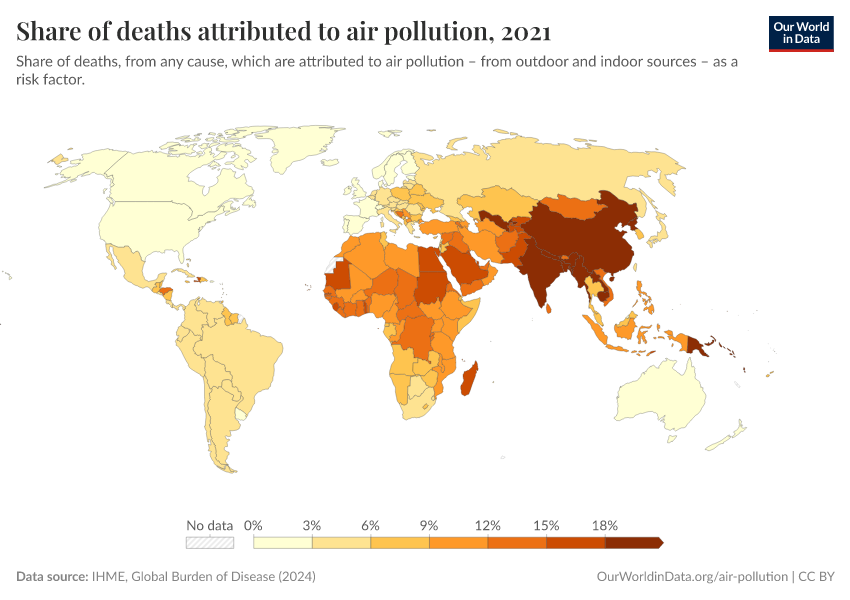
Exposure to PM2.5 and ozone is linked to asthma exacerbations, chronic obstructive pulmonary disease, heart attacks, and stroke. The WHO (2021) estimates that ambient air pollution caused 4.2 million premature deaths worldwide in 2019. Children exposed to high pollution levels show reduced lung growth and may experience learning difficulties. Economic analyses suggest that healthcare costs attributable to air pollution exceed US$5 trillion annually, diverting resources from education and infrastructure.
\n
Economic and Infrastructure Impacts
\n
Reduced labor productivity, increased absenteeism, and damage to building materials (e.g., corrosion from sulfur compounds) impose additional financial burdens on societies, especially in rapidly developing urban centers.
\n\n
Regional Differences
\n
High‑income North American and European cities typically have lower average PM2.5 concentrations (<12 µg/m³) due to stricter regulations, yet still experience ozone spikes during heatwaves. In contrast, many South‑Asian megacities report PM2.5 levels exceeding 100 µg/m³, driven by a combination of traffic, industrial emissions, and seasonal biomass burning. Rural regions in sub‑Saharan Africa may have lower overall concentrations but face acute exposure from indoor cooking with solid fuels, a major source of household air pollution.
\n\n
What Scientists Know With High Confidence
\n
- \n
- Fine particulate matter (PM2.5) and ground‑level ozone increase the risk of premature death.
- Long‑term exposure is associated with cardiovascular disease, respiratory illness, and adverse birth outcomes.
- Regulatory actions that reduce emissions lead to measurable health improvements within a few years.
- Air pollution disproportionately affects low‑income and marginalized communities.
\n
\n
\n
\n
\n
\n\n
What Remains Uncertain
\n
Key uncertainties include the precise dose‑response curves for low‑level, chronic exposure to ultrafine particles (<0.1 µm), and the long‑term neurocognitive effects of combined pollutant mixtures. Additionally, the interaction between air pollution and emerging climate‑related stressors (e.g., heatwaves) is an active research area, with models showing varying degrees of synergistic health impacts.
\n
\n\n
Common Misconceptions
\n
Misconception: Only smoky or smelly air is harmful.
\n
Reality: Many dangerous pollutants, such as ozone and fine particles, are invisible and odorless, allowing exposure without obvious sensory cues.
\n
Misconception: Rural areas have clean air.
\n
Reality: Indoor combustion of solid fuels and agricultural emissions can create high pollution levels even where outdoor air appears clear.
\n
Misconception: Individual actions alone can solve air‑quality problems.
\n
Reality: Personal measures reduce exposure but large‑scale emission cuts require policy, industry, and infrastructure changes.
\n
\n\n
Solutions and Limitations
\n
Evidence‑based strategies fall into three categories: prevention, mitigation, and adaptation.
\n
- \n
- Cleaner Energy Transition: Shifting from coal to wind, solar, and natural‑gas reduces SO₂, NOx, and PM. The International Energy Agency (2022) reports that a 30 % share of renewables can cut global PM2.5‑related deaths by 15 %. Limitations include intermittency, required grid upgrades, and upfront capital costs.
- Transportation Decarbonization: Electrifying vehicles and expanding public transit lower tailpipe emissions. However, electricity must be generated from low‑carbon sources to realize full benefits.
- Industrial Emission Controls: Flue‑gas desulfurization, selective catalytic reduction, and particulate filters are proven technologies, yet retrofitting older plants can be financially burdensome.
- Urban Planning: Green infrastructure (e.g., trees, green roofs) can capture particulates and reduce heat islands, but effectiveness varies with species selection and maintenance.
- Regulation and Monitoring: Air‑quality standards (e.g., WHO guideline levels) drive compliance; robust monitoring networks are essential for enforcement, but data gaps persist in many low‑income regions.
\n
\n
\n
\n
\n
\n\n
What Individuals, Communities, and Governments Can Do
\n
What Individuals Can Do
\n
- \n
- Use air‑purifiers with HEPA filters in homes located in high‑pollution zones.
- Prefer active transport (walking, cycling) when air quality is good, and avoid intense outdoor exercise during peak ozone hours.
- Choose low‑emission appliances and support clean‑energy utility plans.
\n
\n
\n
\n
What Communities and Organizations Can Do
\n
- \n
- Implement local monitoring stations and public dashboards to raise awareness.
- Adopt low‑emission zones or congestion pricing to reduce traffic density.
- Promote community tree‑planting projects that prioritize native, low‑allergen species.
\n
\n
\n
\n
What Governments Can Do
\n
- \n
- Enact and enforce stringent emission standards for vehicles, industry, and residential heating.
- Invest in public transit, electric‑vehicle charging infrastructure, and renewable‑energy grids.
- Support international agreements that address transboundary pollution, such as the Convention on Long‑Range Transboundary Air Pollution.
\n
\n
\n
\n\n
Closing Synthesis
\n
Air pollution earns the label “silent killer” because its most harmful components are invisible, yet their health impacts are profound and cumulative. Robust scientific evidence links fine particles and ozone to premature mortality, especially among vulnerable populations. While uncertainties remain around low‑level exposure thresholds and combined climate‑pollution interactions, the high‑confidence findings justify immediate action. Solutions—cleaner energy, stricter regulation, and community engagement—are supported by data, though each carries economic and logistical trade‑offs. Collective effort across individuals, local groups, industry, and governments offers the most realistic path toward cleaner air and healthier societies.
\n
Frequently Asked Questions
What is air pollution and why is it called the silent killer?
Air pollution is a mixture of gases, particles, and chemicals that degrade air quality. It is called the silent killer because many harmful components are invisible and odorless, allowing health damage to accumulate without obvious warning signs.
How does air pollution affect human health?
Long‑term exposure to pollutants such as fine particulate matter (PM2.5) and ozone is linked to respiratory diseases, heart attacks, strokes, and premature death. Vulnerable groups—children, the elderly, and people with pre‑existing conditions—are especially at risk.
What are the main sources of air pollution in urban and rural areas?
In cities, vehicle exhaust, industrial stacks, and residential heating dominate emissions. In rural settings, agricultural activities (ammonia from livestock and fertilizers) and indoor burning of solid fuels are key contributors, while natural events like wildfires affect both.
Which solutions have the strongest evidence for reducing air pollution?
Evidence shows that cleaner energy transitions, stricter emission standards for industry and transport, and robust air‑quality monitoring lead to measurable reductions in pollutants and associated health benefits. Renewable‑energy adoption can cut pollution‑related deaths by up to 15 % globally.
What actions can individuals take to lower their personal exposure to air pollution?
Individuals can use HEPA air purifiers at home, avoid outdoor exercise during high ozone periods, choose low‑emission appliances, and support clean‑energy policies. While personal steps reduce exposure, systemic changes are needed for broader air‑quality improvement.






Leave a Comment