Rising temperatures and changing weather patterns are turning Canada’s forests into a source of trans‑border air pollution, as wildfire smoke drifts southward and affects health, economies, and ecosystems far beyond the fire‑line.
Quick Answer
Canada wildfire smoke consists of fine particulate matter (PM2.5), carbon monoxide, and a mixture of organic compounds released when vegetation burns. Climate‑driven warming, earlier snowmelt, and prolonged drought create conditions that increase fire frequency and intensity. The resulting smoke can travel thousands of kilometres, raising Air Quality Index (AQI) values in the United States and other neighboring regions. While scientific consensus is strong that climate change amplifies fire risk, exact future smoke trajectories depend on weather patterns and mitigation actions.
Key Takeaways
- Warmer, drier conditions in northern Canada have doubled the rate of temperature increase compared with the global average, fueling larger, longer‑lasting wildfires.
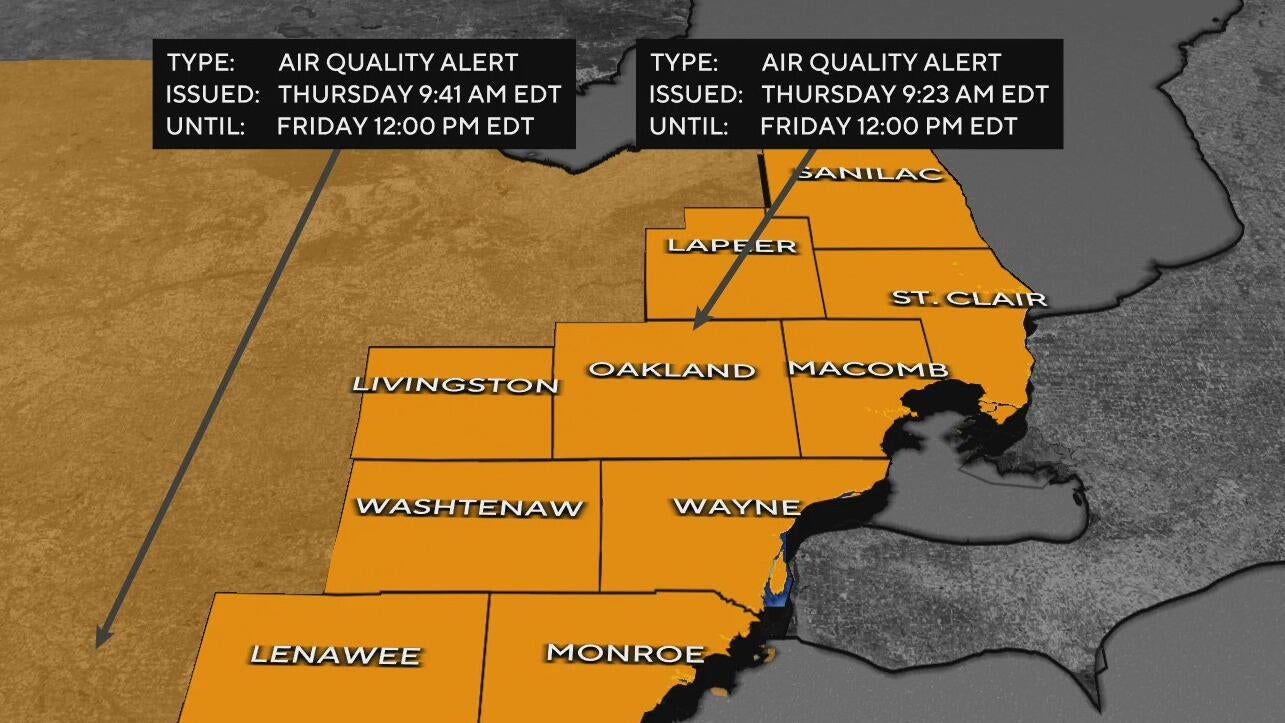
- Smoke plumes can cross the Canada‑U.S. border, delivering PM2.5 concentrations that exceed health‑based thresholds for days to weeks.
- Vulnerable groups—children, older adults, and people with pre‑existing respiratory or cardiovascular conditions—experience higher rates of hospital visits during smoke events.
- Economic impacts include increased healthcare costs, lost tourism revenue, and higher firefighting expenditures.
- Effective responses combine forest‑management practices, regional air‑quality monitoring, and public‑health advisories, but each carries trade‑offs and resource limits.
What Is Canada Wildfire Smoke: How Climate Change Is Polluting the Air Across Borders?
Canada wildfire smoke refers to the aerosol and gas emissions produced when forest, peatland, or grassland fires burn in Canadian territories. The term encompasses a range of pollutants, most notably fine particulate matter (PM2.5), carbon monoxide (CO), nitrogen oxides (NOx), volatile organic compounds (VOCs), and polycyclic aromatic hydrocarbons (PAHs). Unlike local emissions, these particles can be lofted into the free troposphere and carried by prevailing westerly winds into the United States, the Atlantic, and occasionally into the Arctic. Understanding this phenomenon matters because it links climate‑driven fire dynamics with public‑health outcomes and cross‑border environmental policy.
How Does It Work?
1. Climate Sets the Stage
Rising average temperatures—recorded by Environment and Climate Change Canada as a 1.8 °C increase in the boreal zone since 1950—shorten snow cover duration and lengthen the fire‑season. Drought indices such as the Canadian Drought Monitor show a trend toward more severe moisture deficits, especially in Alberta and the Northwest Territories.
2. Ignition and Combustion
Natural ignition (lightning) and human activities (campfires, equipment) start fires that consume vegetation. Combustion releases carbon stored in biomass as CO₂ and produces incomplete‑combustion products that form aerosols.
3. Smoke Injection and Transport
Strong updrafts lift smoke into the upper boundary layer. The jet stream then transports the plume eastward or southward. Satellite observations from NASA’s MODIS instrument routinely capture smoke tracks extending over 2,000 km.
4. Atmospheric Processing
Within the plume, chemical reactions transform VOCs into secondary organic aerosols, increasing toxicity. Sunlight‑driven photochemistry can also generate ozone at ground level, further degrading air quality.
5. Deposition and Exposure
When the plume encounters stable air masses or mountain ranges, particles settle or are mixed down to the surface, where they are inhaled by people and deposited onto soils and water bodies.
What Does the Evidence Show?
Long‑term monitoring by the U.S. Environmental Protection Agency (EPA) and Health Canada indicates that PM2.5 spikes associated with Canadian fires have become more frequent since the early 2000s. A 2022 systematic review in *Environmental Research Letters* found a statistically significant upward trend in the number of days with AQI ≥ 150 in the Pacific Northwest that could be linked to Canadian wildfire smoke. Attribution studies using climate‑model ensembles (e.g., CMIP6) estimate that anthropogenic warming has increased the probability of large boreal fires by roughly 30 % compared with pre‑industrial conditions.
Health‑outcome research, such as a 2021 cohort analysis published in *The Lancet Planetary Health*, reported a 12 % rise in emergency‑room visits for asthma during high‑smoke episodes across Washington and Oregon. Economic assessments by the Canadian Institute for Climate Choices estimate that wildfire suppression costs rose from CAD $1.2 billion in 2010 to CAD $3.5 billion in 2021, reflecting both larger fire footprints and longer active periods.
Main Causes or Drivers
Direct Causes
- Elevated summer temperatures that exceed 30 °C in interior British Columbia.
- Extended periods of low relative humidity (< 20 %) during peak fire months.
- Fuel accumulation from decades of fire suppression policies that limit natural low‑severity burns.
Underlying Drivers
- Global greenhouse‑gas emissions driving climate change, as documented by the Intergovernmental Panel on Climate Change (IPCC) Sixth Assessment Report.
- Land‑use changes, including expansion of oil‑sand operations that fragment forest cover and create ignition sources.
- Shifts in snowpack timing, reducing the natural moisture buffer that historically limited fire spread.
Environmental and Human Impacts
Environmental Impacts
Smoke deposition can acidify lakes and soils, altering nutrient cycles. Fine particles settle on snowpacks, decreasing albedo and accelerating melt—a feedback loop highlighted in studies by the National Snow and Ice Data Center.
Human Health and Social Impacts
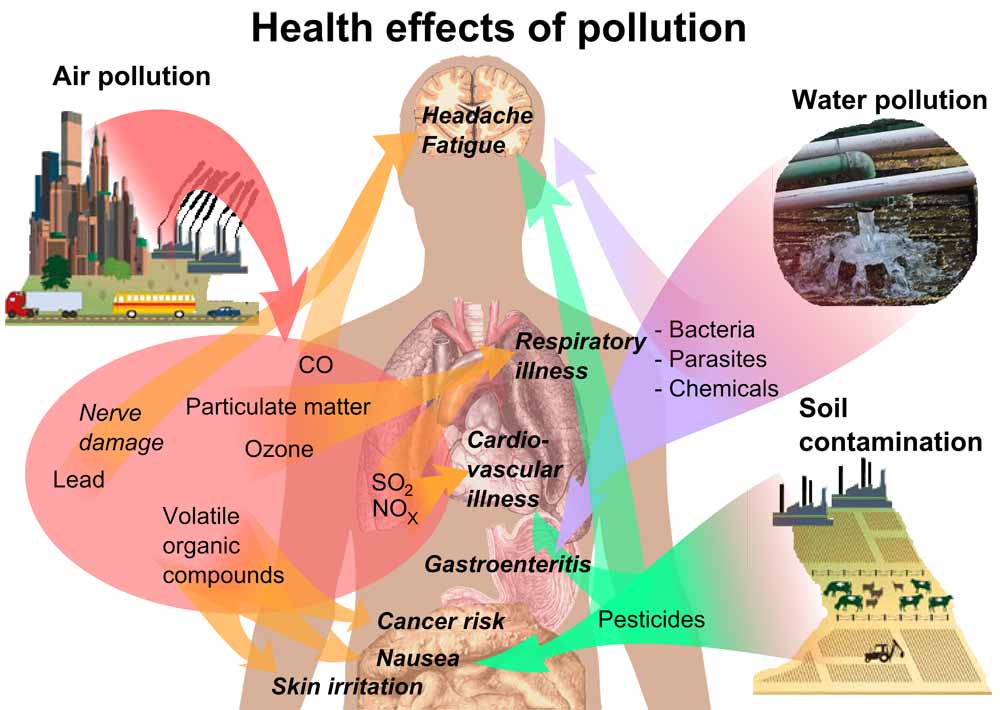
PM2.5 penetrates deep into the lungs and can enter the bloodstream, increasing the risk of cardiovascular events. The World Health Organization classifies prolonged exposure to PM2.5 > 10 µg m⁻³ as a major health risk. During intense smoke events, public‑health advisories recommend staying indoors, using HEPA filters, and limiting physical activity, disproportionately affecting low‑income households that lack access to clean‑air spaces.
Economic and Infrastructure Impacts
Tourism revenues in regions such as Banff National Park dropped by an estimated 8 % during the 2023 fire season, according to Parks Canada reports. Power‑grid operators sometimes curtail electricity demand when smoke reduces solar generation, illustrating indirect infrastructure stress.
Regional Differences
The intensity of smoke exposure varies with geography. The Pacific Northwest (Washington, Oregon, British Columbia) frequently experiences the highest AQI values because prevailing westerly winds direct plumes inland. In contrast, Atlantic Canada sees less frequent but still measurable smoke events, often when high‑altitude transport carries particles eastward. Indigenous communities in northern Alberta report longer smoke durations, linked to the proximity of boreal peatland fires that produce especially thick, carbon‑rich plumes.
What Scientists Know With High Confidence
- Anthropogenic climate change has increased the frequency and severity of boreal wildfires in Canada.
- Wildfire smoke contains fine particulate matter and gases that can travel across international borders.
- Short‑term exposure to elevated PM2.5 levels is associated with increased respiratory and cardiovascular morbidity.
- Fire‑suppression costs and economic losses from smoke‑related tourism decline have risen markedly over the past two decades.
What Remains Uncertain
Key uncertainties include the exact magnitude of future smoke exposure under different emission scenarios, the long‑term health effects of repeated low‑level smoke exposure, and how changing land‑use policies might alter fuel loads. Improved satellite retrievals and expanded ground‑based monitoring networks are needed to reduce these gaps.
Common Misconceptions
Misconception: Smoke only harms people living near the fire.
Reality: Smoke can travel thousands of kilometres; cities hundreds of miles away can experience hazardous AQI levels, as documented during the 2021 British Columbia fire season.
Misconception: All wildfire smoke is the same as urban smog.
Reality: While both contain PM2.5, wildfire smoke includes a higher proportion of organic carbon and fewer industrial pollutants such as sulfur dioxide, leading to different health risk profiles.
Misconception: Fire suppression alone can stop smoke pollution.
Reality: Suppression reduces immediate fire size but can increase fuel accumulation, potentially leading to larger, more intense fires in the long term.
Solutions and Limitations
Prevention
Prescribed burns and mechanical thinning lower fuel loads, but they require skilled personnel, favorable weather windows, and community acceptance.
Mitigation
Reducing greenhouse‑gas emissions addresses the root climate driver; however, policy implementation timelines span decades, making near‑term smoke reductions reliant on other measures.
Adaptation
Air‑quality forecasting systems (e.g., NOAA’s HYSPLIT model) enable early warnings, yet vulnerable populations may lack resources to act on advisories.
Regulation and Monitoring
Strengthening cross‑border data sharing improves response coordination, but differing national reporting standards can hinder real‑time analysis.
What Individuals, Communities, and Governments Can Do
What Individuals Can Do
- Use certified N95 or higher‑efficiency masks during high‑AQI days.
- Operate portable HEPA air cleaners in bedrooms and living spaces.
- Limit outdoor exercise when AQI > 150, especially for children and older adults.
What Communities and Organizations Can Do
- Establish clean‑air shelters equipped with filtration systems in schools and community centers.
- Coordinate with regional health agencies to disseminate real‑time AQI alerts via text or app notifications.
- Support local fire‑management agencies through volunteer training for safe prescribed‑burn operations.
What Governments Can Do
- Invest in trans‑border monitoring networks and share data through the North American Air Quality Partnership.
- Fund research on smoke‑related health outcomes, prioritizing longitudinal cohort studies.
- Incorporate climate‑resilient forest‑management policies that balance suppression with ecological thinning.
- Implement stricter emissions standards for industrial sources that compound smoke‑related ozone formation.
Synthesis
Canada’s expanding wildfire regime, driven by a warming climate, is a trans‑border air‑quality challenge. Robust evidence links higher temperatures and drier conditions to larger fires, and the resulting smoke poses measurable health and economic risks far beyond the fire perimeter. While uncertainties remain regarding future exposure patterns, the high‑confidence findings provide a clear basis for action: reduce greenhouse‑gas emissions, manage forest fuels responsibly, and enhance public‑health preparedness. Coordinated efforts across jurisdictions can mitigate the most severe impacts while acknowledging the limits of any single solution.
Frequently Asked Questions
What causes wildfire smoke to travel from Canada into the United States?
Smoke travels long distances when strong updrafts lift it into the upper atmosphere, where prevailing westerly winds and the jet stream transport the plume across the border. Satellite data show these plumes can travel over 2,000 km before descending.
How does climate change increase the frequency of Canadian wildfires?
Climate change raises average summer temperatures and lengthens drought periods, creating drier fuels and longer fire seasons. Assessment reports from the IPCC indicate that anthropogenic warming has increased the probability of large boreal fires by about 30 % compared with pre‑industrial conditions.
What health risks are associated with exposure to wildfire smoke?
Fine particulate matter (PM2.5) can penetrate deep into the lungs and enter the bloodstream, raising the risk of respiratory infections, asthma attacks, and cardiovascular events. Studies in the Pacific Northwest report a 12 % rise in emergency‑room visits for asthma during high‑smoke days.
Are prescribed burns an effective way to reduce smoke pollution?
Prescribed burns lower fuel loads and can prevent larger, uncontrolled fires, but they require suitable weather, trained crews, and community acceptance. They are a useful tool, yet they do not eliminate smoke and must be combined with broader climate and land‑use policies.
What actions can individuals take to protect themselves during a smoke event?
People can wear N95 or higher‑efficiency masks, use HEPA air cleaners indoors, and limit outdoor activities when the Air Quality Index exceeds 150. Setting up clean‑air shelters in public buildings also helps vulnerable groups stay safe.





Leave a Comment