
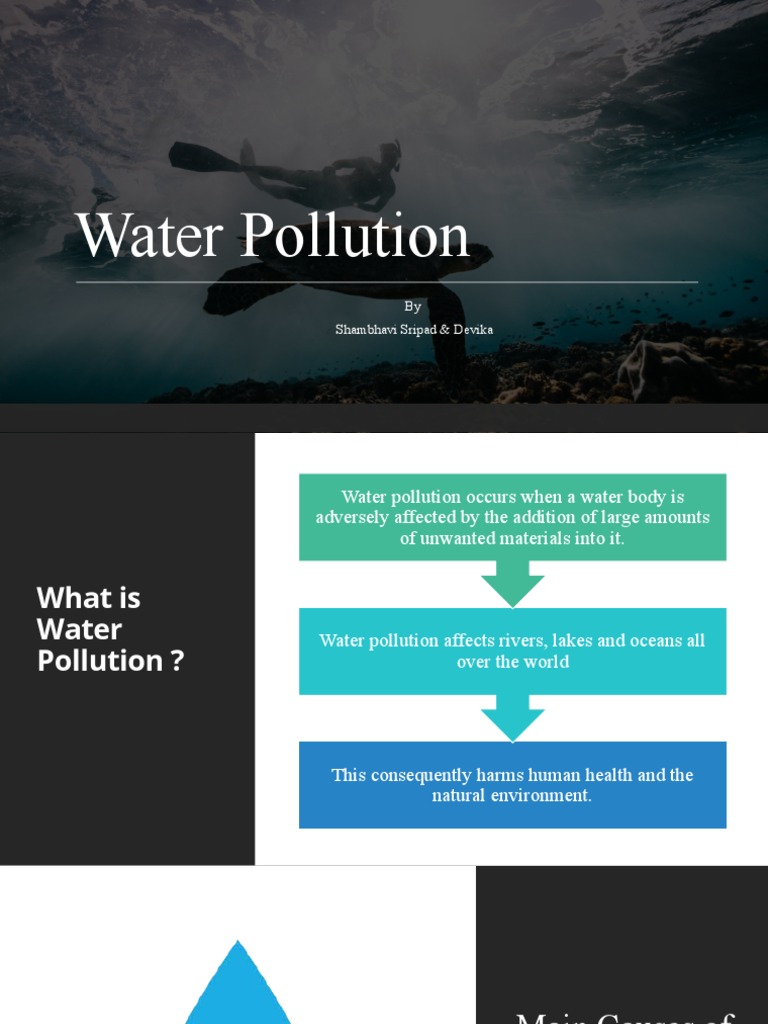
Water pollution degrades ecosystems, threatens human health, and undermines economies; understanding its mechanisms, evidence, and mitigation pathways is essential for sustainable water stewardship.
Quick Answer
Water pollution is the introduction of harmful substances—such as nutrients, heavy metals, pathogens, or chemicals—into rivers, lakes, groundwater, or oceans. These inputs alter physical, chemical, and biological conditions, often reducing dissolved oxygen and contaminating food webs. Scientific assessments consistently show that polluted water bodies experience biodiversity loss, altered ecosystem services, and increased risk of water‑borne disease. The most immediate impact is eutrophication and toxic contamination, which can cause fish kills and unsafe drinking water. However, the magnitude of effects varies by region, pollutant type, and local management practices, creating uncertainty around long‑term recovery trajectories.
Key Takeaways
- Pollutants enter water from agriculture, industry, sewage, and diffuse sources, creating complex chemical mixtures.
- Eutrophication, toxic metal bioaccumulation, and pathogen spread are the three dominant pathways of ecological and health harm.
- Long‑term monitoring by agencies such as the US EPA and UNEP confirms worldwide declines in freshwater biodiversity.
- Solutions combine prevention (e.g., best‑management practices), treatment technologies, and ecosystem restoration, but each has cost and scalability limits.
- Vulnerable communities—especially in low‑income regions—bear disproportionate exposure and health burdens.
What Is The Environmental Impact of Water Pollution Explained?
Water‑pollution impact refers to the measurable changes in ecological function, species composition, and human well‑being that result from contaminant loads in aquatic systems. The scope includes surface waters (rivers, lakes, coastal zones) and groundwater that supplies drinking water. Impacts are assessed across sub‑categories such as nutrient enrichment, chemical toxicity, and microbial contamination, each affecting water quality differently. Unlike natural variability, pollution introduces substances at concentrations or in combinations that exceed ecosystem tolerance, leading to observable degradation.
How Does It Work?
Physical and Chemical Transport
Rainfall or irrigation mobilises dissolved nutrients (e.g., nitrogen, phosphorus) and soluble chemicals from fields and industrial sites. These substances travel via surface runoff, tile drains, or groundwater flow into streams. Physical processes such as sedimentation can concentrate heavy metals in riverbeds, while volatile compounds may evaporate and redeposit elsewhere.
Biological Responses
Elevated nutrients fuel algal blooms; when algae die, bacterial decomposition consumes dissolved oxygen, creating hypoxic zones (eutrophication). Toxic metals like mercury bind to sediments and are taken up by benthic organisms, then biomagnify up the food chain. Pathogens introduced through untreated sewage survive in warm water, increasing infection risk for humans and wildlife.
Feedback Loops
Reduced oxygen limits fish populations, which in turn diminishes predation on algae, reinforcing bloom conditions. Degraded wetlands lose their capacity to filter nutrients, accelerating downstream pollution. These feedbacks can push ecosystems toward alternative, less productive states.
What Does the Evidence Show?
Multiple lines of evidence converge on the conclusion that water pollution is a leading driver of freshwater biodiversity loss. The 2022 UNEP Global Environment Outlook reports a 46% decline in freshwater species richness over the past three decades, with nutrient loading identified as a primary factor. Long‑term monitoring by the U.S. Geological Survey (USGS) shows that 40% of major rivers exceed EPA nutrient criteria, correlating with documented fish kills. Systematic reviews of epidemiological studies (World Health Organization, 2021) link contaminated drinking water to over 2 million deaths annually from diarrhoeal diseases, especially in low‑income nations. Experimental mesocosm studies demonstrate that mercury concentrations as low as 0.1 µg L⁻¹ can cause reproductive impairment in fish, supporting field observations of bioaccumulation.
Main Causes or Drivers
Agricultural Runoff
Fertilizers and pesticides applied to cropland are the largest source of nitrogen and phosphorus in many watersheds. The Food and Agriculture Organization estimates that 70% of global riverine nitrogen originates from agriculture.
Industrial Discharges
Manufacturing plants release heavy metals, solvents, and synthetic organic chemicals. In the European Union, industrial effluents account for roughly 30% of measured riverine toxic load.
Urban Sewage and Wastewater
Insufficiently treated municipal wastewater contributes nutrients, pathogens, and emerging contaminants such as pharmaceuticals. The WHO notes that only 71% of the global population has access to safely managed sanitation.
Diffuse and Legacy Sources
Atmospheric deposition of mercury, historic mining tailings, and leaching from landfills add to the pollutant mix, often persisting for decades.
Environmental and Human Impacts
Environmental Impacts
- Eutrophication: Algal blooms reduce light penetration and oxygen, causing fish kills and loss of macrophytes.
- Bioaccumulation: Toxic metals accumulate in sediments and organisms, threatening apex predators and altering food‑web dynamics.
- Habitat Degradation: Sediment loading smothers spawning grounds and reduces habitat complexity.
Human Health and Social Impacts
- Water‑borne diseases: Contaminated drinking water spreads cholera, dysentery, and hepatitis A, with children under five most vulnerable.
- Chemical exposure: Chronic ingestion of mercury‑contaminated fish can impair neurological development.
- Livelihoods: Communities reliant on fisheries experience reduced catches, affecting food security and income.
Economic and Infrastructure Impacts
Treatment upgrades to meet water‑quality standards cost billions annually; the World Bank estimates $260 billion is needed by 2030 for safe water infrastructure in low‑income countries. Pollution also increases maintenance costs for hydroelectric dams and irrigation canals.
Regional Differences
In South Asia, intensive rice‑wheat systems generate high nitrate runoff, leading to frequent cyanobacterial blooms in the Ganges basin. Conversely, North America’s Great Lakes region faces legacy PCB contamination, with long‑term fish‑consumption advisories still in place. In sub‑Saharan Africa, limited wastewater treatment means pathogen loads dominate, while in the Mediterranean, tourism‑related sewage spikes cause seasonal eutrophication events. These patterns reflect differing land‑use practices, regulatory capacity, and climate conditions.
What Scientists Know With High Confidence
- Excess nutrients from agriculture are the primary driver of freshwater eutrophication worldwide.
- Heavy metals released by industry bioaccumulate and pose measurable risks to wildlife and human consumers.
- Untreated sewage is the leading source of water‑borne disease in low‑income regions.
- Wetland degradation reduces natural nutrient‑filtering capacity, amplifying downstream pollution.
What Remains Uncertain
Key uncertainties include the long‑term recovery rates of heavily polluted ecosystems once sources are reduced, the combined effects of multiple pollutants acting synergistically, and the extent to which emerging contaminants (e.g., microplastics, pharmaceuticals) influence ecosystem health. Improved long‑term monitoring and integrated modelling are needed to resolve these gaps.
Common Misconceptions
Misconception: All water pollution is visible.
Reality: Many contaminants—such as dissolved heavy metals or pathogens—are invisible to the eye yet can have severe ecological and health effects.
Misconception: Only industrialized nations cause water pollution.
Reality: Agricultural runoff and inadequate sanitation generate the majority of global freshwater pollution, with significant contributions from both developed and developing countries.
Misconception: Treating drinking water eliminates all risks.
Reality: Conventional treatment often removes pathogens but may not fully eliminate chemicals like PFAS; advanced treatment technologies are required for comprehensive protection.
Solutions and Limitations
- Best‑Management Practices (BMPs) in agriculture: Buffer strips and precision fertilizer application can cut nutrient runoff by up to 40%, but adoption costs and farmer knowledge gaps limit widespread use.
- Enhanced wastewater treatment: Membrane bioreactors achieve >90% removal of nutrients and micropollutants, yet they demand high energy and skilled operation.
- Industrial pretreatment standards: Enforcing limits on heavy‑metal discharge reduces river concentrations, but compliance monitoring can be resource‑intensive.
- Nature‑based solutions: Restoring wetlands restores natural filtration, yet land‑use conflicts and long establishment times constrain rapid impact.
- Policy and regulation: Strong legal frameworks (e.g., EU Water Framework Directive) improve water quality, but enforcement varies across jurisdictions.
What Individuals, Communities, and Governments Can Do
What Individuals Can Do
- Reduce use of phosphorus‑based detergents and choose eco‑labelled cleaning products.
- Properly dispose of pharmaceuticals and avoid flushing them.
- Support local watershed groups that monitor water quality.
What Communities and Organizations Can Do
- Implement community rain gardens and vegetated swales to capture runoff.
- Organize citizen‑science water‑testing events to identify hotspots.
- Partner with schools to teach BMPs and water‑stewardship.
What Governments Can Do
- Invest in modern wastewater treatment infrastructure, prioritising regions with high disease burden.
- Provide subsidies or technical assistance for farmers to adopt precision agriculture.
- Enforce stringent discharge permits and conduct regular compliance audits.
What Businesses and Industries Can Do
- Adopt closed‑loop water recycling to minimize effluent volumes.
- Conduct life‑cycle assessments to identify and replace hazardous chemicals.
- Report water‑use and discharge data transparently under frameworks such as the CDP.
Synthesis
The environmental impact of water pollution stems from nutrient overload, toxic chemical release, and pathogen introduction, each altering physical, chemical, and biological processes in aquatic systems. Robust evidence links these changes to biodiversity loss, ecosystem‑service degradation, and serious public‑health outcomes, especially for vulnerable populations. While high‑confidence findings clarify primary drivers, uncertainties remain around multi‑pollutant interactions and ecosystem recovery timelines. Evidence‑based solutions—ranging from BMPs and advanced treatment to nature‑based restoration—are effective when paired with strong governance and community engagement. Addressing water pollution requires coordinated action across scales, balancing technological, regulatory, and socio‑economic considerations to safeguard water for current and future generations.
Frequently Asked Questions
What is water pollution and why is it a problem?
Water pollution is the addition of harmful substances—such as nutrients, chemicals, heavy metals, or pathogens—to rivers, lakes, groundwater, or oceans. These contaminants degrade water quality, harm aquatic life, and can make water unsafe for human consumption.
How do nutrients from agriculture cause ecosystem damage?
Nutrients like nitrogen and phosphorus from fertilizers run off fields and enter water bodies, fueling algal blooms. When algae die, bacterial decomposition depletes dissolved oxygen, creating hypoxic zones that can kill fish and reduce biodiversity.
What health risks are linked to polluted drinking water?
Contaminated drinking water can spread water‑borne diseases such as cholera, dysentery, and hepatitis A, especially in low‑income regions. Chronic exposure to chemicals like mercury in fish can also cause neurological problems.
Which solutions are most effective for reducing water‑pollution impacts?
Evidence‑based solutions include agricultural best‑management practices (e.g., buffer strips), advanced wastewater treatment (membrane bioreactors), industrial pretreatment standards, and nature‑based approaches like wetland restoration. Each has proven benefits but also cost or implementation limits.
What actions can individuals take to help prevent water pollution?
Individuals can reduce use of phosphorus‑based detergents, properly dispose of medications, support local water‑monitoring groups, and adopt water‑saving habits at home. While personal steps alone won’t solve the problem, they contribute to broader pollution‑reduction efforts.






Leave a Comment