
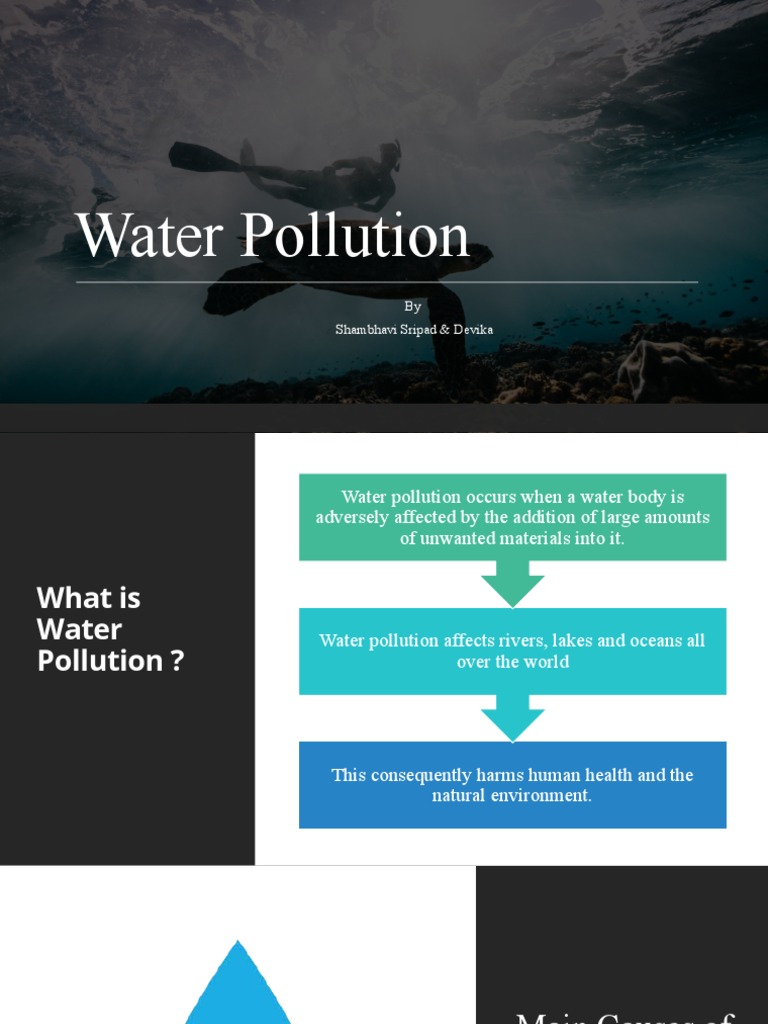
Water pollution is the contamination of rivers, lakes, and oceans by chemicals, pathogens, nutrients, or debris that harms ecosystems and poses serious health risks to people who drink, eat, or come into contact with the water.
Quick Answer
Water pollution occurs when harmful substances enter freshwater or marine systems through runoff, discharge, or atmospheric deposition, degrading water quality and creating exposure pathways such as ingestion, skin contact, or inhalation. Strong evidence links contaminated water to diarrheal disease, heavy‑metal toxicity, and ecosystem collapse, while uncertainties remain around the long‑term health effects of emerging contaminants like microplastics.
Key Takeaways
- Pollutants enter water from industrial, agricultural, urban, and atmospheric sources.
- Pathogens and chemical toxins in drinking water cause diarrheal disease, neurological damage, and developmental problems.
- Heavy metals, excess nutrients, and microplastics affect both ecosystem health and food safety.
- Improved water treatment can lower disease burden by up to 40 %.
- Effective solutions combine regulation, technology, and community action.
What Is Water Pollution Explained: Why It’s Dangerous for People?
Water pollution is the introduction of biological, chemical, physical, or radiological substances that alter the natural composition of water and reduce its suitability for ecosystems or human use. It is measured by changes in dissolved oxygen, pH, turbidity, and contaminant concentrations. The term covers a wide range of pollutants – from invisible microbes to visible plastic debris – and matters because humans rely on water for drinking, cooking, hygiene, agriculture, and industry.
How Does It Work?
Physical and Chemical Pathways
Pollutants are released from point sources such as factories or diffuse sources such as farmland. Rainfall and stormwater carry these substances into streams, lakes, or groundwater. In the water column, chemicals may dissolve, adsorb to sediments, or transform through oxidation or photolysis. Sedimentation can concentrate contaminants in riverbeds, creating long‑term reservoirs.
Biological Processes
Nutrient enrichment from fertilizers fuels algal blooms. Warm, nutrient‑rich water allows pathogenic microbes to multiply. When algae die, their decomposition consumes dissolved oxygen, creating hypoxic zones that can release toxins like microcystins.
Ecological Feedbacks
Persistent chemicals such as mercury or polychlorinated biphenyls (PCBs) bioaccumulate in aquatic food webs. Small concentrations at the base of the web can become high concentrations in predatory fish, ultimately exposing humans who consume those fish.
What Does the Evidence Show?
Long‑term monitoring by the United Nations Environment Programme (2021) indicates that more than 80 % of global wastewater is discharged untreated, exposing billions to pathogens and chemicals. A WHO systematic review (2022) linked contaminated drinking water to 1.7 million diarrheal deaths annually, especially among children under five. EPA data (2020) show that lead levels above 15 µg/L are associated with reduced IQ scores. Meta‑analyses confirm that methylmercury intake above 0.1 ppm raises the risk of neurodevelopmental disorders. Emerging research documents microplastics in 90 % of sampled marine organisms, though human health effects remain uncertain.
Main Causes or Drivers
Industrial Discharges
Manufacturing plants release heavy metals, solvents, and synthetic organics directly into waterways. In regions with weak enforcement, concentrations often exceed WHO drinking‑water guidelines.
Agricultural Runoff
Fertilizers contribute nitrogen and phosphorus, while pesticides add organophosphates and glyphosate residues. The European Environment Agency (2020) estimates that agriculture accounts for about 60 % of nutrient loading in European rivers.
Urban Stormwater
Impervious surfaces channel oil, heavy metals, and litter into combined sewer systems, which can overflow during heavy rain and dump untreated water into rivers.
Plastic Waste
Improper disposal of single‑use plastics leads to fragmentation into microplastics that persist in both freshwater and marine environments.
Atmospheric Deposition
Combustion of fossil fuels releases mercury and other pollutants that settle onto land and water bodies, adding a diffuse source of contamination.
Environmental and Human Impacts
Environmental Impacts
Excess nutrients cause eutrophication, producing dead zones such as the Gulf of Mexico’s seasonal hypoxic area, which can cover up to 22,000 km² in peak years. Toxic algal blooms release neurotoxins that kill fish and marine mammals. Heavy metals and persistent organic pollutants reduce biodiversity by impairing reproduction and increasing mortality.
Human Health and Social Impacts
Pathogenic bacteria (e.g., Vibrio cholerae) and viruses spread through contaminated drinking water, causing diarrheal disease, cholera, and hepatitis A. Chronic arsenic exposure in Bangladesh groundwater is linked to skin lesions, cardiovascular disease, and cancers. Lead and mercury exposure impair cognitive development in children, leading to lifelong educational and economic disadvantages.
Economic and Infrastructure Impacts
Treating polluted water is costly; U.S. municipalities spent $12 billion on water‑infrastructure upgrades between 2010 and 2020. In low‑income regions, limited resources divert funds from health and education, exacerbating poverty cycles.
Regional Differences
In South Asia, groundwater arsenic affects an estimated 150 million people (UNESCO, 2019). Sub‑Saharan Africa experiences high rates of water‑borne disease due to inadequate sanitation, with an average of 3.5 diarrheal episodes per child per year (UNICEF, 2020). European countries have reduced nutrient loads through stricter agricultural regulations, yet microplastic contamination remains widespread in coastal waters. Tropical regions see rapid algal bloom formation because of higher temperatures and intense runoff, whereas cold‑climate areas retain persistent chemicals longer, extending exposure periods.
What Scientists Know With High Confidence
- Untreated or poorly treated wastewater is a major global source of microbial and chemical contamination.
- Consuming water contaminated with pathogens is causally linked to diarrheal disease and child mortality.
- Lead concentrations above 15 µg/L in drinking water reduce cognitive performance in children.
- Agricultural nutrient enrichment reliably triggers eutrophication and hypoxic zones.
What Remains Uncertain
Key gaps include the long‑term health effects of chronic microplastic ingestion, the combined impact of low‑level chemical mixtures, and the scalability of advanced treatment technologies such as advanced oxidation processes. Better global monitoring of emerging contaminants and standardized exposure metrics would reduce these uncertainties, but current evidence does not yet allow definitive conclusions about chronic human health outcomes.
Common Misconceptions
Misconception: All plastic in the ocean is visible to the naked eye.
Reality: Over 90 % of marine plastic debris is micro‑sized, invisible without laboratory analysis, yet it can still enter food webs and accumulate in organisms.
Misconception: Boiling water removes all pollutants.
Reality: Boiling kills pathogens but does not eliminate chemical contaminants such as heavy metals, pesticides, or dissolved solids.
Misconception: Clear water is safe to drink.
Reality: Many harmful substances are colorless and odorless; water quality must be confirmed with chemical and microbiological testing.
Solutions and Limitations
Effective responses combine prevention, treatment, and ecosystem restoration. Regulatory standards that limit industrial effluent can reduce point‑source pollution, but enforcement varies widely. Best‑management agricultural practices—such as buffer strips and precision fertilizer application—lower nutrient runoff, yet adoption costs can be a barrier for smallholder farms. Advanced treatment technologies (membrane filtration, activated carbon) remove many chemicals but are energy‑intensive and expensive for low‑income communities. Bans on single‑use plastics lower new inputs, but existing litter persists for decades, requiring active cleanup. Wetland restoration offers natural filtration, but land availability and long‑term maintenance are constraints.
What Individuals, Communities, and Governments Can Do
What Individuals Can Do
- Use certified water filters that remove lead and microbes when safe tap water is unavailable.
- Reduce single‑use plastic consumption and join local clean‑up initiatives.
- Choose products certified for low pesticide residues.
What Communities and Organizations Can Do
- Implement rainwater harvesting and small‑scale grey‑water treatment to lessen municipal loads.
- Advocate for regular, publicly reported water‑quality monitoring.
- Develop education programs on safe water storage and sanitation.
What Governments Can Do
- Adopt and enforce effluent standards aligned with WHO guidelines.
- Invest in modernizing water infrastructure, prioritizing underserved regions.
- Provide subsidies or technical assistance for precision agriculture and cover‑crop adoption.
- Fund research on emerging contaminants and support nationwide monitoring networks.
What Businesses and Industries Can Do
- Implement zero‑liquid‑discharge processes where feasible.
- Conduct life‑cycle assessments to minimize plastic packaging.
- Report water use and discharge data transparently through frameworks such as the CDP.
Closing Synthesis
Water pollution degrades ecosystems and creates direct exposure pathways that jeopardize human health, especially in regions lacking treatment infrastructure. Strong evidence shows that reducing pollutant inputs and improving treatment can dramatically lower disease burden, while uncertainties remain around emerging contaminants like microplastics. A coordinated mix of regulation, technology, nature‑based solutions, and community action offers the most realistic path to safeguarding water quality for current and future generations.
Frequently Asked Questions
What defines water pollution and why is it a health concern?
Water pollution is the introduction of harmful biological, chemical, or physical substances into freshwater or marine systems, degrading water quality. It is a health concern because contaminated water can transmit pathogens, toxic metals, and chemicals to people through drinking, cooking, bathing, and food production.
How do nutrients from agriculture cause problems in water bodies?
Nutrients like nitrogen and phosphorus from fertilizers runoff into rivers and lakes, fueling algal blooms. When algae die, their decomposition consumes dissolved oxygen, creating hypoxic zones that can kill aquatic life and release toxins, which may affect human health through contaminated fish or water.
What evidence links untreated wastewater to disease?
Long‑term monitoring by UNEP (2021) shows over 80 % of global wastewater is discharged untreated, exposing billions to pathogens. A WHO systematic review (2022) found contaminated drinking water is associated with 1.7 million diarrheal deaths each year, especially among children under five.
Why are microplastics considered an emerging concern?
Microplastics are tiny plastic fragments found in 90 % of sampled marine organisms. While they are widespread, scientific studies have not yet established clear human health effects, making them an emerging concern that requires further monitoring and research.
What actions can communities take to reduce local water pollution?
Communities can install rainwater harvesting systems, develop small‑scale grey‑water treatment, advocate for regular water‑quality monitoring, and run education programs on safe water storage and sanitation to lower pollution inputs and protect public health.







Leave a Comment