

The Blue Economy harnesses ocean resources—such as sustainable fisheries, renewable marine energy, and marine biotechnology—to generate economic growth while preserving marine ecosystems, offering a pathway toward long‑term environmental and social resilience.
\n\n
Quick Answer
\n
The Blue Economy is an integrated framework that promotes the sustainable use of ocean‑based resources to drive economic development, create jobs, and improve livelihoods while protecting marine health. It works by aligning sectors such as fisheries, aquaculture, marine tourism, offshore renewable energy, and biotechnology with science‑based management and conservation measures. Evidence from the Food and Agriculture Organization (FAO) and the Intergovernmental Panel on Climate Change (IPCC) shows that well‑managed marine activities can increase gross domestic product without degrading ecosystems. However, outcomes depend on effective governance and the avoidance of high‑risk practices such as uncontrolled seabed mining.
\n
\n\n
Key Takeaways
\n
- \n
- The Blue Economy links economic growth to ocean health through sustainable practices.
- Renewable marine energy (tidal, wave, offshore wind) can supply up to 10 % of global electricity by 2050 under current trajectories (IEA, 2023).
- Well‑managed fisheries and aquaculture provide food security for over 3 billion people (FAO, 2022).
- Policy gaps and weak enforcement remain the main barriers to scaling sustainable marine activities.
- Local communities benefit most when they participate in decision‑making and receive direct economic returns.
\n
\n
\n
\n
\n
\n
\n\n
What Is The Blue Economy: How Oceans Can Drive Sustainable Growth?
\n
The term \”Blue Economy\” refers to the organized, sustainable exploitation of oceanic resources for economic benefit while maintaining ecosystem integrity. It encompasses traditional sectors—commercial fisheries, ports, and shipping—and emerging ones such as offshore wind, wave power, marine biotechnology, and eco‑tourism. Unlike the broader \”maritime economy\”, which often focuses on trade and transport, the Blue Economy explicitly embeds environmental stewardship into its definition. By treating the ocean as a living system that provides services like carbon sequestration, climate regulation, and habitat, the approach seeks to balance profit with planetary health.
\n\n
How Does It Work?
\n
Physical and Biological Foundations
\n
Oceans store more than 97 % of Earth’s water and absorb roughly one‑third of anthropogenic CO₂, creating natural climate buffers. Primary production by phytoplankton fuels marine food webs, supporting fisheries and aquaculture. Renewable energy technologies capture kinetic energy from tides, waves, and thermal gradients, converting it into electricity without combustion.
\n
Governance and Management
\n
Science‑based quotas, Marine Protected Areas (MPAs), and ecosystem‑based management (EBM) set limits on extraction and habitat disturbance. International frameworks such as the United Nations Convention on the Law of the Sea (UNCLOS) and the Sustainable Development Goal 14 provide legal and policy scaffolding. National agencies issue licenses, monitor compliance, and enforce penalties for illegal, unreported, and unregulated (IUU) fishing.
\n
Economic Flow
\n
- \n
- Resource assessment: scientific surveys quantify fish stocks, seabed mineral deposits, and energy potential.
- Investment and technology deployment: public and private capital fund vessels, turbines, or biotech labs.
- Production and service delivery: harvest, processing, and distribution of seafood, electricity, or bio‑products.
- Revenue generation and reinvestment: profits fund further research, community projects, or conservation measures.
\n
\n
\n
\n
\n\n
What Does the Evidence Show?
\n
Long‑term monitoring by the FAO indicates that fisheries managed with catch limits have rebounded in 60 % of cases where compliance is high (FAO, 2022). A systematic review of offshore wind farms (IEA, 2023) finds life‑cycle greenhouse‑gas emissions 10–20 % lower than coal power. Marine biotechnology surveys report that over 30 % of marine natural products tested have pharmacological activity, yet only a fraction have been commercialised (NOAA, 2021). Conversely, modelling studies warn that unregulated seabed mining could cause habitat loss equivalent to 1 % of global marine area per decade (UNEP, 2020).
\n\n
Main Causes or Drivers
\n
Direct Causes
\n
- \n
- Over‑exploitation of fish stocks due to inadequate quotas.
- Carbon emissions driving ocean acidification and warming.
- Infrastructure expansion (ports, offshore platforms) that fragments habitats.
\n
\n
\n
\n
Underlying Drivers
\n
- \n
- Growing global demand for protein and energy.
- Technological advances that lower the cost of offshore extraction.
- Policy incentives for low‑carbon energy and marine‑based jobs.
\n
\n
\n
\n\n
Environmental and Human Impacts
\n
Environmental Impacts
\n
Sustainable fisheries can maintain biodiversity, while poorly managed ones cause trophic cascades and loss of keystone species. Renewable marine energy has a relatively low carbon footprint but may affect local seabed communities; impact assessments show that turbine foundations can act as artificial reefs, enhancing local fish abundance (IPCC, 2022). Seabed mining poses the greatest risk, potentially destroying benthic habitats and releasing sediment that smothers filter feeders.
\n
Human Health and Social Impacts
\n
Secure seafood supplies support nutrition for coastal populations; micronutrient deficiencies decline where fish consumption rises (FAO, 2022). However, exposure to pollutants from oil spills or mining tailings can affect coastal communities, increasing respiratory and skin ailments (WHO, 2021). Marine tourism generates income and fosters cultural exchange, yet overcrowding can degrade coral reefs, reducing the very attraction that drives tourism.
\n\n
Regional Differences
\n
In Southeast Asia, small‑scale fishers rely on near‑shore stocks, making community‑based co‑management essential. The European Union has invested heavily in offshore wind, reaching 25 GW installed capacity in 2024 (European Commission, 2024). In the Pacific Island nations, marine protected areas cover over 30 % of exclusive economic zones, providing a model for biodiversity conservation combined with tourism revenue. Conversely, the Arctic faces rapid sea‑ice loss, opening new shipping routes and mineral extraction opportunities but also threatening fragile ice‑dependent ecosystems.
\n\n
What Scientists Know With High Confidence
\n
- \n
- Over‑fishing reduces fish biomass and can be reversed with science‑based limits.
- Ocean‑based renewable energy reduces greenhouse‑gas emissions compared with fossil fuels.
- Marine ecosystems provide critical services—including carbon sequestration, climate regulation, and food provision.
- Effective governance, monitoring, and enforcement are prerequisite for sustainable outcomes.
\n
\n
\n
\n
\n
\n\n
What Remains Uncertain
\n
Key uncertainties include the long‑term ecological effects of large‑scale wave and tidal farms, the economic viability of deep‑sea mineral extraction under strict environmental safeguards, and how climate‑induced shifts in species distribution will alter fisheries productivity. Improved observation networks and scenario modelling are needed to reduce these knowledge gaps.
\n
\n\n
Common Misconceptions
\n
Misconception: The Blue Economy means unlimited ocean exploitation.
\n
Reality: The Blue Economy is defined by sustainability; it explicitly rejects practices that exceed ecological thresholds.
\n
Misconception: Offshore wind harms marine life more than it helps climate.
\n
Reality: While turbine foundations alter local habitats, life‑cycle analyses show net climate benefits and many studies report modest or positive effects on fish abundance.
\n
Misconception: Seabed mining is a necessary component of the Blue Economy.
\n
Reality: Seabed mining is considered a high‑risk activity; the Blue Economy framework prioritises low‑impact sectors and calls for precautionary regulation.
\n
\n\n
Solutions and Limitations
\n
Key strategies include:
\n
- \n
- Ecosystem‑based management: Aligns harvest with ecosystem capacity but requires robust data and stakeholder buy‑in.
- Marine protected areas: Preserve biodiversity and can boost fisheries spillover, yet they may restrict short‑term economic activities.
- Renewable marine energy: Offers low‑carbon power but demands high upfront investment and careful site selection to minimise habitat disturbance.
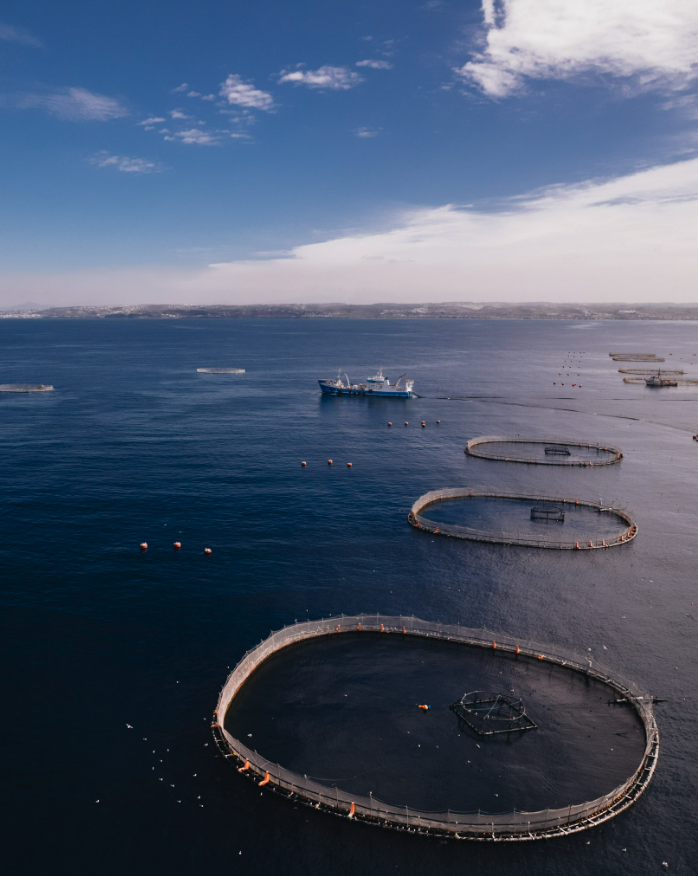
- Sustainable aquaculture: Reduces pressure on wild stocks, though nutrient runoff and disease can arise without best‑practice controls.
- Regulatory frameworks for seabed mining: Needed to prevent irreversible damage, but enforcement across international waters remains challenging.
\n
\n
\n
\n
\n
\n\n
What Individuals, Communities, and Governments Can Do
\n
What Individuals Can Do
\n
- \n
- Choose certified sustainable seafood (e.g., MSC, ASC labels).
- Support policies that fund marine research and protected areas.
- Reduce personal carbon footprints, decreasing pressure on oceanic carbon sinks.
\n
\n
\n
\n
What Communities and Organizations Can Do
\n
- \n
- Develop community‑led fisheries co‑management plans.
- Promote eco‑tourism that invests a share of revenue into habitat restoration.
- Partner with universities for local monitoring of water quality and biodiversity.
\n
\n
\n
\n
What Governments Can Do
\n
- \n
- Implement and enforce science‑based catch limits and anti‑IUU measures.
- Provide subsidies and incentives for offshore renewable projects that meet environmental standards.
- Establish clear licensing and environmental impact assessment procedures for any seabed extraction.
\n
\n
\n
\n\n
Closing Synthesis
\n
The Blue Economy offers a pragmatic pathway to reconcile economic ambition with ocean stewardship. Robust evidence confirms that sustainable fisheries, marine renewable energy, and responsible biotechnology can generate growth while safeguarding ecosystem services. Yet uncertainties around emerging technologies and climate‑driven ecosystem changes require adaptive governance and continued research. By aligning policy, industry, and community actions, societies can harness the ocean’s potential without compromising its health for future generations.
Frequently Asked Questions
What is the Blue Economy?
The Blue Economy is a framework that seeks to generate economic growth by sustainably using ocean resources such as fisheries, offshore renewable energy, marine tourism, aquaculture, and biotechnology, while preserving marine ecosystems and the services they provide. It integrates environmental stewardship into economic planning, aiming for jobs, food security, and climate benefits without degrading ocean health.
How does marine renewable energy contribute to sustainable growth?
Marine renewable energy—including tidal, wave, and offshore wind—captures kinetic or thermal energy from the ocean and converts it into electricity with very low greenhouse‑gas emissions. According to the International Energy Agency, offshore wind alone could supply up to 10 % of global power by 2050, reducing reliance on fossil fuels and creating jobs in manufacturing, installation, and operations, while providing a stable, climate‑resilient power source.
What are the main environmental risks of seabed mining?
Seabed mining can destroy benthic habitats, release sediments that smother filter‑feeding organisms, and generate noise that disrupts marine mammals. Modelling by the United Nations Environment Programme suggests that unregulated mining could eliminate up to 1 % of global marine area each decade, leading to biodiversity loss and impairing ecosystem services such as carbon storage and nutrient cycling.
Which sectors of the Blue Economy provide the greatest job opportunities?
Current evidence points to offshore renewable energy and sustainable fisheries as the largest employment generators. Offshore wind farms require engineers, technicians, and maintenance crews, while well‑managed fisheries and aquaculture support millions of fishers, processors, and market workers. Marine tourism also creates seasonal jobs, especially in coastal communities that host eco‑tourists.
How can individuals support sustainable ocean practices?
Individuals can choose seafood certified by the Marine Stewardship Council or Aquaculture Stewardship Council, reduce personal carbon emissions to lessen ocean acidification, and support political candidates or NGOs that advocate for marine protected areas and responsible ocean policies. Simple actions like avoiding single‑use plastics also help protect marine habitats.





Leave a Comment