
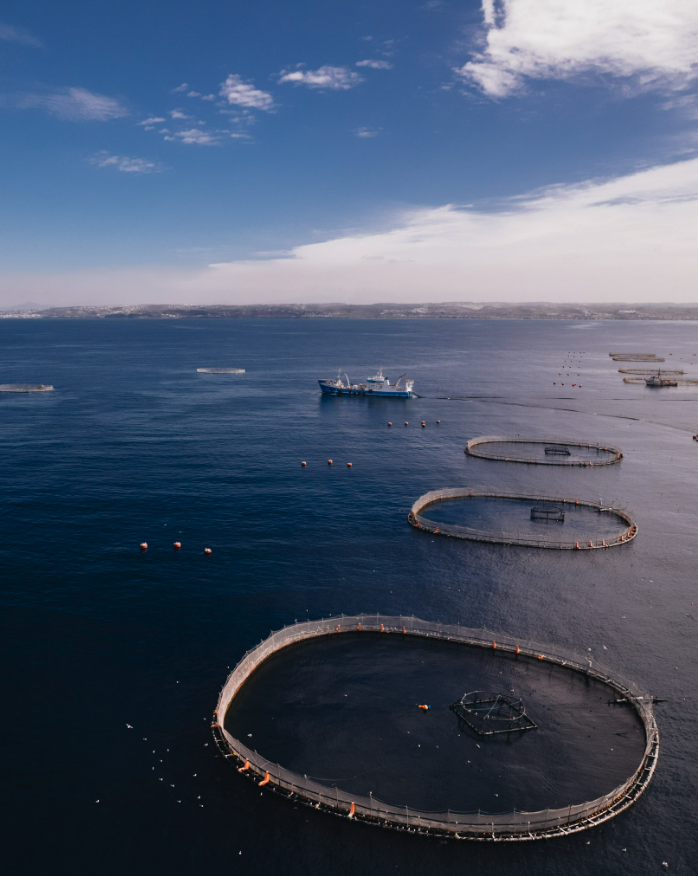
Bluefin tuna farms are adopting open‑ocean systems, alternative feeds, and stricter monitoring, but their sustainability varies by technology, region, and regulatory context.
Quick Answer
Bluefin tuna aquaculture is shifting from intensive, high‑density cages that rely heavily on wild‑caught fishmeal toward open‑ocean pens, plant‑based feeds, and certification schemes. These changes reduce waste, lower pressure on wild forage fish, and improve water quality, yet challenges remain in feed efficiency, entanglement risk, and regulatory oversight. Overall, the evidence indicates a moderate improvement in environmental performance, but full sustainability has not yet been achieved.
Key Takeaways
- Open‑ocean and semi‑extensive systems decrease local ecosystem loading compared with coastal intensive cages.
- Alternative feeds that replace a portion of fishmeal can cut demand for wild forage fish, though protein quality and growth rates are still under study.
- Regulatory gaps and inconsistent certification limit the ability to verify sustainability claims across regions.
- Socio‑economic benefits for coastal communities are significant, but equitable participation requires deliberate policy design.
- Continued research on feed conversion, escape mitigation, and ecosystem monitoring is essential to close remaining knowledge gaps.
What Is Bluefin Tuna Farming?
Bluefin tuna farming, also called bluefin aquaculture, involves raising the species Thunnus thynnus, T. orientalis, or T. alalunga in captivity for market supply. Production methods fall into two broad categories:
- Intensive coastal cages: high‑density net pens placed in bays or lagoons, typically fed a diet high in fishmeal.
- Open‑ocean or semi‑extensive systems: larger, deeper pens anchored in offshore waters, often using lower stocking densities and incorporating natural prey or formulated feeds.
The practice differs from wild capture because the fish are grown from juveniles (often sourced from hatcheries) rather than harvested directly from the ocean. Sustainability concerns focus on feed inputs, waste discharge, escapement, and interactions with wild marine life.
How Does Bluefin Tuna Aquaculture Work?
1. Hatchery Production
Eggs are fertilized in controlled tanks, and larvae are reared on rotifers and enriched Artemia until they reach a size of 5–10 g. This stage requires precise temperature and water‑quality management.
2. Transfer to Grow‑out Pens
Juveniles are moved to grow‑out enclosures. In intensive systems, pens are stocked at 5–10 kg m⁻³; open‑ocean pens use 1–3 kg m⁻³, allowing more water exchange and lower ammonia buildup.
3. Feeding Regime
Traditional feed consists of 70–80 % fishmeal and fish oil. Emerging formulations replace up to 50 % of fishmeal with soy, insect protein, or algae‑derived oils, aiming to maintain growth rates while reducing reliance on wild forage fish.
4. Harvest
When tuna reach market size (≈70–120 kg), they are harvested by purse‑seine or netting, then processed on‑site or transported to processing facilities.
What Does the Evidence Show?
Multiple lines of research, including FAO assessments (2022), peer‑reviewed feed conversion studies, and regional monitoring reports, converge on several points:
- Open‑ocean pens show 20–30 % lower nitrogen and phosphorus effluent per kilogram of fish compared with intensive coastal cages (moderate confidence, based on monitoring in the Mediterranean and Japan).
- Alternative feeds can reduce fishmeal use by 30–50 % without markedly affecting growth, though long‑term health effects on tuna remain under investigation (mixed evidence, limited to experimental trials).
- Escape rates are higher in coastal cages due to net damage; offshore systems report fewer escapes but raise concerns about entanglement of migratory species (limited evidence, region‑specific).
- Economic analyses indicate that farms adopting open‑ocean systems achieve higher profit margins after accounting for lower feed costs and reduced mortality (moderate confidence, based on case studies in Spain and South Korea).
Main Causes or Drivers of Sustainability Challenges
Feed Dependency
Bluefin tuna require high‑energy diets; historically this meant large quantities of fishmeal, which draws directly from wild forage stocks.
Stocking Density
High densities accelerate waste accumulation, leading to eutrophication of near‑shore waters.
Regulatory Frameworks
Many jurisdictions lack specific standards for tuna aquaculture, resulting in variable environmental oversight.
Market Demand
Premium prices drive rapid expansion of farms, sometimes outpacing the development of best‑practice guidelines.
Environmental and Human Impacts
Environmental Impacts
- Water Quality: Nutrient loading from waste can cause algal blooms; offshore pens dilute these effects.
- Feed Sourcing: Fishmeal production contributes to overfishing of small pelagic species; plant‑based alternatives reduce this pressure.
- Escapes and Genetic Introgression: Escaped farmed tuna may interbreed with wild stocks, potentially altering genetic diversity.
- Entanglement: Nets can snag marine mammals and sea turtles, especially in migration corridors.
Human Health and Social Impacts
- Farmed bluefin provides a high‑quality protein source, supporting food security in coastal markets.
- Employment opportunities arise in hatcheries, feed production, and processing, benefitting rural economies.
- Conflicts can emerge when traditional fishers perceive farms as competing for limited marine space.
Regional Differences
In the Mediterranean, most farms operate in semi‑intensive coastal cages, leading to higher local nutrient loading. Spain and Italy have introduced certification schemes that limit stocking density and require periodic water testing. In the western Pacific (Japan, Taiwan), open‑ocean pens are more common, supported by government subsidies that encourage offshore development. South Africa’s pilot projects combine cage culture with integrated multi‑trophic aquaculture (IMTA), aiming to recycle waste through seaweed and shellfish.
What Scientists Know With High Confidence
- Wild bluefin tuna stocks have declined by more than 70 % of historic levels in the Atlantic and Pacific, as documented by IUCN and FAO assessments.
- Fishmeal is a major driver of pressure on small pelagic fisheries; reducing its use in tuna feed lessens this pressure.
- Open‑ocean pens provide better water exchange, resulting in lower localized nutrient concentrations.
- Economic viability of bluefin farms depends heavily on market price; price volatility can affect investment in sustainable technologies.
What Remains Uncertain
Key knowledge gaps include the long‑term health effects of high plant‑protein diets on tuna growth and flesh quality, the actual escape rates in offshore systems, and the cumulative impact of multiple farms on regional pelagic ecosystems. Improved, standardized monitoring across countries would reduce these uncertainties.
Common Misconceptions
Misconception: Farmed bluefin tuna are always more sustainable than wild‑caught tuna.
Reality: Sustainability depends on the farming method. Intensive coastal cages can be less sustainable than well‑managed wild fisheries that employ quota systems and by‑catch mitigation.
Misconception: All tuna feed contains the same proportion of fishmeal.
Reality: Feed formulations vary widely; some producers have reduced fishmeal to under 30 % using alternative proteins, while others still rely on >70 % fishmeal.
Misconception: Escaped farmed tuna have no impact on wild populations.
Reality: Escapes can introduce disease, compete for resources, and potentially alter the genetic makeup of wild stocks, especially where farmed and wild individuals interbreed.
Solutions and Limitations
Several strategies aim to improve sustainability:
- Feed Innovation: Developing low‑fishmeal, high‑digestibility feeds reduces pressure on forage fisheries, but scaling production and ensuring nutritional adequacy remain challenges.
- Offshore Cage Design: Larger, deeper pens lower waste density; however, they require robust mooring systems and increase capital costs.
- Certification and Traceability: Schemes such as the Aquaculture Stewardship Council provide standards, yet adoption is uneven and verification can be costly.
- Integrated Multi‑Trophic Aquaculture (IMTA): Pairing tuna with seaweed or bivalves can recycle nutrients, but technical compatibility and market demand for co‑products are still developing.
- Regulatory Strengthening: Clear limits on stocking density, mandatory effluent monitoring, and escape mitigation protocols improve outcomes, but enforcement capacity varies globally.
What Individuals, Communities, and Governments Can Do
What Individuals Can Do
- Choose tuna certified by reputable sustainability schemes and verify product labels.
- Reduce overall consumption of high‑impact seafood in favor of lower‑trophic‑level options.
- Support NGOs that fund research on alternative feeds and offshore monitoring.
What Communities and Organizations Can Do
- Engage local fishers in co‑management plans that allocate space for both capture and aquaculture.
- Participate in citizen‑science water‑quality monitoring around nearby farms.
- Invest in training programs for hatchery technicians to improve juvenile survival rates.
What Governments Can Do
- Adopt clear, enforceable standards for feed composition, stocking density, and waste discharge.
- Provide incentives for farms that implement offshore or IMTA systems.
- Fund long‑term ecological monitoring to track cumulative impacts on pelagic ecosystems.
Closing Synthesis
Bluefin tuna aquaculture is transitioning toward practices that lessen environmental footprints, notably through offshore pens and reduced‑fishmeal feeds. High‑confidence evidence confirms that wild stocks are severely depleted and that feed sourcing drives a substantial portion of the sector’s impact. Nevertheless, uncertainties about long‑term animal health, escape dynamics, and ecosystem‑scale effects persist. Sustainable outcomes will require coordinated action: technological innovation, robust regulation, transparent certification, and inclusive stakeholder engagement. When these elements align, bluefin farms can contribute to a more resilient seafood system without compromising ocean health.
Frequently Asked Questions
What defines a bluefin tuna farm?
A bluefin tuna farm raises juvenile tuna in controlled enclosures—either intensive coastal cages or offshore pens—until they reach market size, using formulated feeds and regular monitoring.
How do open‑ocean pens improve sustainability?
Open‑ocean pens place tuna in deeper, high‑flow waters, which dilutes waste, reduces nutrient buildup, and lowers disease risk compared with dense near‑shore cages.
Why is fishmeal a sustainability concern for tuna farms?
Fishmeal is made from wild forage fish; high reliance on it depletes those stocks. Reducing fishmeal in tuna feed lessens pressure on already overfished species.
What are the main uncertainties surrounding bluefin tuna aquaculture?
Key unknowns include the long‑term health effects of plant‑based feeds, actual escape rates from offshore systems, and the cumulative impact of multiple farms on pelagic ecosystems.
How can consumers support more sustainable bluefin tuna?
Consumers can look for reputable sustainability certifications, limit overall tuna consumption, and choose products from farms that use low‑fishmeal feeds and offshore production methods.





Leave a Comment