
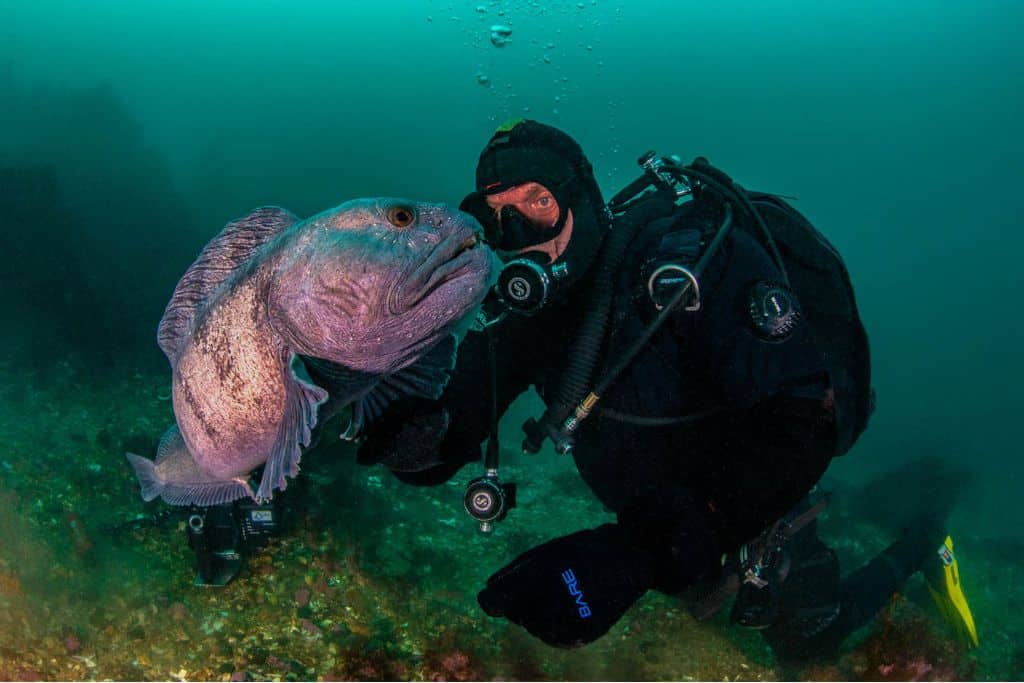
Quick Answer: Beyond the famous Silfra fissure, Icelandic divers are documenting a rapidly changing underwater world where volcanic geology, glacial melt, and climate shifts are reshaping marine ecosystems. Their work reveals both breathtaking biodiversity and alarming signs of habitat loss, making them frontline witnesses to a vanishing frontier.
What is Beyond Silfra: Iceland’s Divers Document a Vanishing Underwater World?
This refers to the growing effort by scientific and recreational divers to explore and record Iceland’s lesser-known aquatic environments—from geothermal vents and kelp forests to deep fjords and freshwater springs. While Silfra draws global attention for its crystal-clear visibility and tectonic drama, the broader mission involves cataloguing species, monitoring water chemistry, and capturing visual evidence of how warming oceans, glacial retreat, and human activity are transforming these fragile habitats. Divers act as citizen scientists, using photography, videography, and data collection to create a baseline for future conservation.
Why It Matters
Iceland’s waters are a living laboratory. The island sits at the confluence of the Arctic and North Atlantic, making it uniquely sensitive to climate change. Submerged volcanic systems, hydrothermal vents, and cold-water coral reefs host life forms found nowhere else. As glaciers melt at unprecedented rates, freshwater influx alters salinity and circulation patterns, threatening species adapted to stable conditions. Documenting these changes is critical not only for Iceland but for understanding global ocean health. The divers’ work provides irreplaceable time-series data that satellites and buoys cannot capture, offering a ground-truth perspective on a rapidly transforming ecosystem.
How Divers Document the Underwater World
Divers employ a range of techniques to capture the vanishing world:
- Photogrammetry and 3D mapping: By taking overlapping images, they create detailed models of reefs and geological formations, allowing scientists to track structural changes over time.
- Environmental DNA (eDNA) sampling: Collecting water samples to identify species present without direct observation, revealing hidden biodiversity.
- Temperature and salinity logging: Deploying sensors during dives to record microclimatic data in hard-to-reach areas.
- Visual storytelling: High-resolution images and video convey the beauty and fragility of these ecosystems to the public, fostering emotional connections that drive conservation support.
Each dive becomes a data-gathering mission, blending adventure with rigorous science.
Causes of the Underwater Transformation
Several interconnected factors are driving the changes divers witness:
- Climate change and ocean warming: Rising sea temperatures cause cold-water coral bleaching and shift species distributions northward, disrupting food webs.
- Glacial melt: Iceland’s glaciers are retreating at an accelerating pace, releasing freshwater that reduces salinity and increases turbidity, smothering sensitive benthic communities.
- Ocean acidification: Increased CO₂ absorption lowers pH, weakening the calcium carbonate structures of shellfish and corals.
- Pollution and microplastics: Even remote Icelandic fjords show traces of plastic particles, which accumulate in marine life.
- Overfishing and bottom trawling: Destructive fishing practices scar the seafloor and deplete key species, altering entire ecosystems.
Effects on Marine Life and Habitats
The impacts are stark and multifaceted:
- Kelp forest decline: Warming waters and sea urchin overpopulation (due to predator loss) have led to extensive kelp deforestation, reducing nursery habitats for fish.
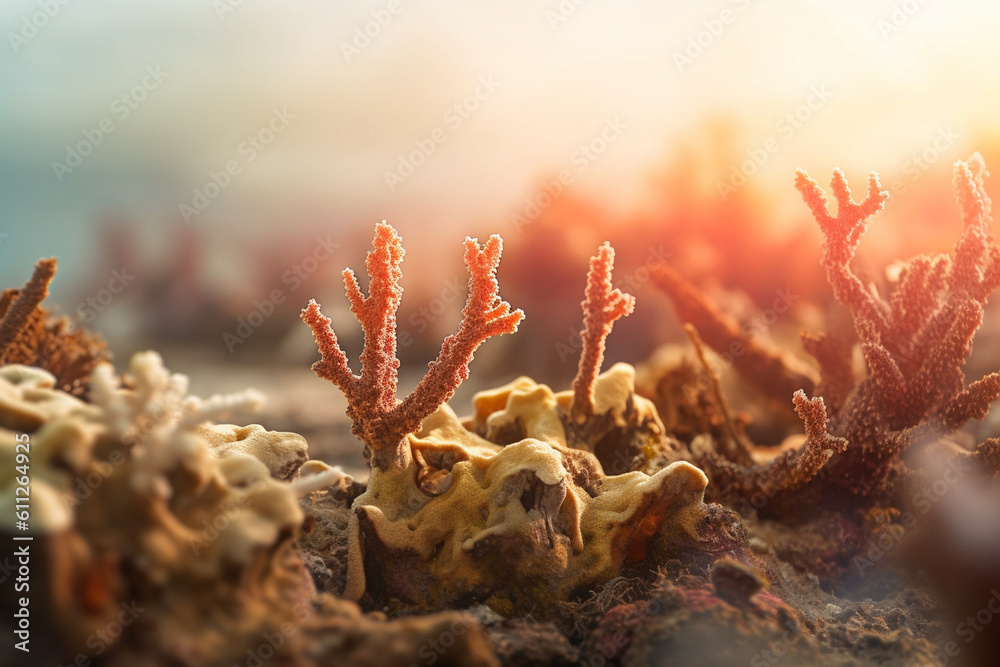
- Coral bleaching: Cold-water corals, such as Lophelia pertusa, are showing signs of stress and mortality in previously thriving reefs.
- Species migration: Atlantic cod and other commercially important fish are moving northward, affecting local fisheries and food webs.
- Invasive species: Warmer temperatures allow non-native species to colonize Icelandic waters, outcompeting indigenous life.
- Glacial lagoon changes: Iconic dive sites like Silfra are experiencing altered visibility and flow due to glacial melt and shifting subterranean pressures.
Current Data & Trends
Note: All numeric claims should be verified against the latest scientific reports before publication. Recent surveys indicate that some cold-water coral reefs in Icelandic waters have experienced up to 30% bleaching in the past decade. Kelp forest coverage has declined by an estimated 15–20% in certain fjords since the 1990s. Water temperatures in the North Atlantic have risen by approximately 0.5°C per decade, with localized spikes near geothermal vents. Divers’ photographic records provide a crucial visual timeline, showing, for example, the retreat of glacier-fed underwater moraines and the spread of invasive species like the red king crab. These trends underscore the urgency of continued monitoring.
What Can Be Done: Solutions and Mitigation
Addressing the vanishing underwater world requires a combination of local and global actions:
- Marine Protected Areas (MPAs): Expanding and enforcing MPAs around critical habitats, such as hydrothermal vents and coral gardens, can provide refuges for vulnerable species.
- Sustainable fisheries management: Implementing science-based quotas and banning bottom trawling in sensitive zones helps preserve ecosystem balance.
- Citizen science programs: Training more divers in data collection and underwater photography can scale up monitoring efforts.
- Climate action: Reducing carbon emissions globally is essential to slow warming and acidification.
- Public engagement: Sharing divers’ images and stories through exhibitions, social media, and documentaries raises awareness and pressures policymakers.
- Research funding: Supporting long-term studies on Iceland’s unique marine environments ensures that changes are documented and understood.
Frequently Asked Questions
Why is Silfra fissure so clear, and is it threatened?
Silfra’s water is filtered through porous lava rock for decades, giving it exceptional clarity. However, glacial melt and increased diving tourism are altering its flow and visibility, while climate change may affect the surrounding hydrological system.
What unique species do divers document in Iceland’s cold waters?
Divers encounter wolf fish, Atlantic cod, various nudibranchs, cold-water corals like Lophelia pertusa, and even hydrothermal vent fauna such as unique bacteria and amphipods in geothermal areas.
How can recreational divers contribute to conservation?
They can join citizen science projects, follow strict no-touch and buoyancy control practices, report observations to databases like iNaturalist, and support eco-friendly dive operators that prioritize environmental education.
Is diving in Iceland only for experts?
While some sites require advanced drysuit certification due to cold water and challenging conditions, many locations offer guided dives for intermediate divers. Proper training and local guidance are essential.
What is the biggest threat to Iceland’s underwater ecosystems?
Climate change is the overarching threat, driving ocean warming, acidification, and glacial melt. These interact with local stressors like overfishing and pollution, amplifying the damage.





Leave a Comment