
The 2025 Arctic Report Card identifies five key climate takeaways that reveal how rapid warming is reshaping the Arctic’s ice, permafrost, oceans, weather patterns, and mitigation pathways.
Quick Answer
The 2025 Arctic Report Card is a peer-reviewed assessment that documents accelerating changes in Arctic sea ice, permafrost, ocean chemistry, atmospheric circulation, and the need for coordinated mitigation and adaptation. Warmer temperatures reduce multi-year ice, thaw permafrost releases methane and carbon dioxide, and increased CO₂ absorption lowers ocean pH. These feedbacks amplify global warming and affect ecosystems and communities far beyond the polar region. While trends are robust, uncertainties remain around the timing of climate thresholds and the magnitude of future emissions from thawing permafrost.
Key Takeaways
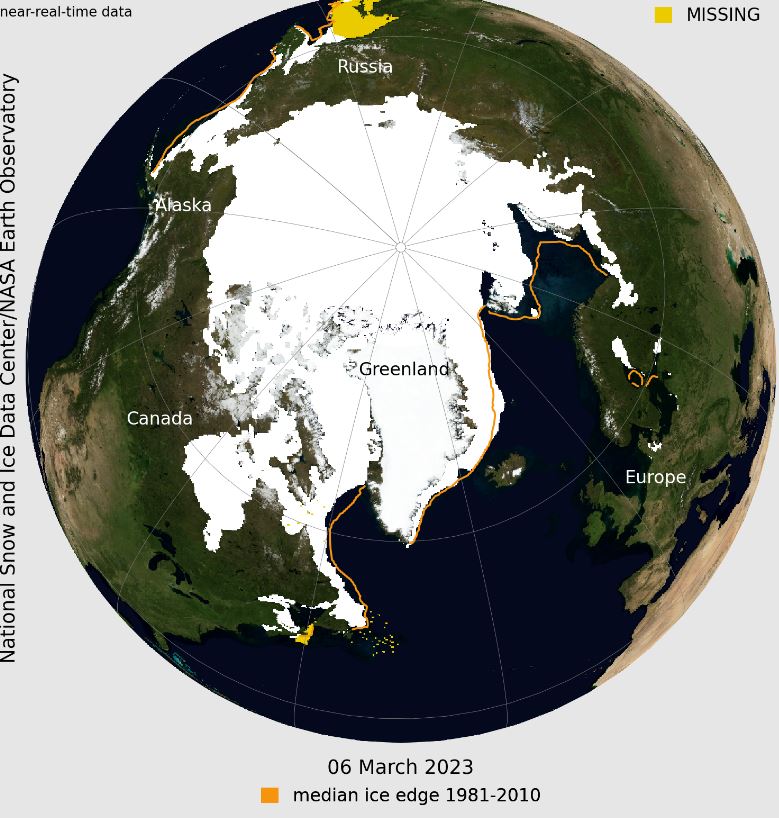
- Sea‑ice extent and thickness are declining at record rates, with multi-year ice disappearing faster than any previous decade.
- Permafrost is thawing across the tundra, releasing stored greenhouse gases and destabilizing infrastructure.
- Arctic waters are becoming more acidic, threatening calcifying organisms and the food webs that depend on them.
- Changes in Arctic temperature and pressure patterns are reshaping jet‑stream behavior, influencing weather across the Northern Hemisphere.
- Effective mitigation and locally tailored adaptation strategies are essential to limit further warming and protect vulnerable communities.
What Is 2025 Arctic Report Card: Five Key Climate Takeaways?
The Arctic Report Card is a collaborative effort led by the National Oceanic and Atmospheric Administration (NOAA) and the International Arctic Science Committee that compiles the latest observational data on temperature, ice, permafrost, ocean chemistry, and ecological indicators. The 2025 edition highlights five thematic takeaways, each summarizing a distinct aspect of climate-driven change. Unlike short-term news reports, the Report Card draws on long-term monitoring networks, satellite archives, and peer-reviewed research to present a comprehensive snapshot of the Arctic’s state and its global relevance.
How Does It Work?
Physical Processes
Rising greenhouse-gas concentrations trap infrared radiation, raising Arctic air and ocean temperatures. Warmer oceans melt sea‑ice from below, while higher air temperatures thin ice from above, reducing overall ice volume.
Permafrost Thaw
Permafrost contains an estimated 1,500 Gt of carbon. When the active layer deepens, microbial decomposition converts organic carbon into CO₂ and CH₄, gases that re-enter the atmosphere and reinforce warming—a classic positive feedback loop.
Ocean Acidification
CO₂ dissolves in seawater, forming carbonic acid and lowering pH. The Arctic’s cold, less-mixed waters absorb CO₂ more efficiently than temperate oceans, accelerating acidification and impairing organisms that build calcium carbonate shells.
Atmospheric Circulation
Reduced temperature contrast between the Arctic and mid-latitudes weakens the polar vortex, allowing the jet stream to wobble. This “wavy” jet stream can stall weather systems, leading to extreme heatwaves, cold snaps, and altered precipitation patterns far from the pole.
Monitoring and Synthesis
Data are collected from satellite remote sensing (e.g., NASA’s AMSR‑2 for ice concentration), ground stations (e.g., the Global Terrestrial Network for Permafrost), autonomous buoys, and Indigenous observations. Analysts integrate these streams, assess trends, and evaluate confidence using the Intergovernmental Panel on Climate Change (IPCC) framework.
What Does the Evidence Show?
Multiple lines of evidence converge on a clear picture of rapid Arctic change. Satellite records indicate that September sea‑ice extent has declined by roughly 13 % per decade since 1979 (NOAA, 2025). Field measurements show that permafrost temperatures have risen 0.4 °C on average over the past 30 years, with deepening active layers documented across Siberia, Alaska, and Canada (NASA Permafrost Network, 2024). Ocean pH measurements from the Arctic Ocean Monitoring Program reveal a 0.1‑unit decline since the early 2000s, consistent with global acidification trends (IPCC, 2023). Atmospheric reanalysis data link a 30 % increase in Arctic‑derived heat fluxes to more frequent jet‑stream waviness (European Centre for Medium‑Range Weather Forecasts, 2025). Together, these observations constitute strong, corroborated evidence of accelerating climate impacts.
Main Causes or Drivers
Direct Human Drivers
Burning of fossil fuels, deforestation, and industrial processes have raised atmospheric CO₂ concentrations to 421 ppm as of 2023 (World Meteorological Organization, 2024), directly driving Arctic warming.
Amplifying Natural Factors
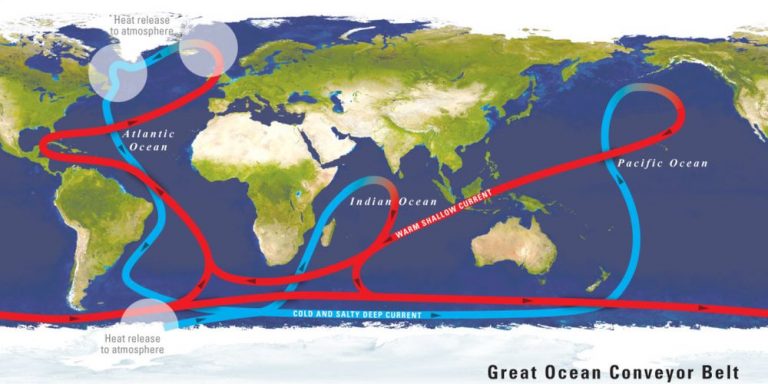
Albedo feedback—where less ice reflects less sunlight—amplifies warming. Additionally, changes in ocean circulation can transport warm Atlantic water into the Arctic basin, further melting ice.
Socio‑Economic Drivers
Increased Arctic shipping and resource extraction create localized heat sources and disturb permafrost, while also raising the risk of oil spills that threaten marine habitats.
Environmental and Human Impacts
Environmental Impacts
Loss of sea ice eliminates critical hunting platforms for polar bears and ringed seals, while altering primary productivity patterns that support the entire food web. Thawing permafrost triggers landslides, releases previously trapped nutrients, and can create thermokarst lakes that emit additional CH₄. Acidified waters impair shell formation in pteropods, a key food source for fish and whales, potentially reshaping Arctic fisheries.
Human Health and Social Impacts
Inuit and other Indigenous communities experience food insecurity as traditional species decline, and infrastructure damage from ground instability threatens housing and transportation. Increased wildfire smoke from boreal regions, linked to warmer temperatures, can exacerbate respiratory conditions in northern populations.
Economic and Infrastructure Impacts
Permafrost thaw undermines roads, pipelines, and buildings, raising maintenance costs for remote settlements. Conversely, reduced sea‑ice opens new shipping lanes, offering economic opportunities but also heightening the risk of accidents and invasive species introductions.
Regional Differences
The rate of sea‑ice loss is fastest in the Barents and Kara Seas, where Atlantic inflow accelerates melt, whereas the central Arctic Basin retains relatively thicker ice due to colder conditions. Permafrost degradation is most pronounced in Siberian lowlands and Alaska’s North Slope, while Canadian Arctic islands show slower temperature trends. Ocean acidification is relatively uniform across the Arctic Ocean, but its ecological consequences are most acute in regions with high biodiversity, such as the Bering Sea.
What Scientists Know With High Confidence
- Arctic temperatures are rising at roughly twice the global average, a phenomenon known as Arctic amplification.
- Multi‑year sea ice is declining faster than seasonal ice, leading to a thinner, more vulnerable ice cover.
- Permafrost stores vast amounts of carbon, and thaw releases measurable quantities of CO₂ and CH₄.
- Increased CO₂ absorption is lowering Arctic ocean pH, with measurable effects on calcifying organisms.
- Changes in Arctic temperature gradients are influencing jet‑stream patterns and weather extremes at lower latitudes.
What Remains Uncertain
Key uncertainties include the exact timing and magnitude of a potential permafrost “tipping point” that could unleash large, rapid greenhouse‑gas emissions, and the degree to which feedbacks from vegetation shifts (e.g., shrub expansion) will amplify warming. Model projections of future sea‑ice extent vary considerably under different emissions scenarios, reflecting limited knowledge of cloud‑feedback processes in polar regions. Improved in‑situ monitoring and high‑resolution modeling are needed to narrow these gaps.
Common Misconceptions
Misconception: The Arctic is “just getting colder” during winter.
Reality: While winter temperatures can still be extreme, the long‑term trend shows a consistent rise in minimum temperatures, reducing the duration of stable sea‑ice cover and extending the melt season.
Misconception: Only polar bears are affected by sea‑ice loss.
Reality: Sea‑ice loss cascades through the food web, impacting seals, fish, seabirds, and Indigenous peoples who rely on these species for nutrition and cultural practices.
Misconception: Ocean acidification is a future problem.
Reality: Measurements already show a measurable drop in Arctic ocean pH over the past two decades, affecting organisms that form shells and skeletons today.
Misconception: Reducing emissions now won’t help the Arctic.
Reality: Climate models indicate that limiting warming to 1.5 °C versus 2 °C could preserve a larger fraction of multi‑year ice and reduce permafrost carbon release, illustrating the tangible benefits of near‑term mitigation.
Solutions and Limitations
Mitigation strategies focus on rapid reduction of CO₂ emissions through renewable‑energy transitions, energy efficiency, and carbon‑pricing mechanisms. Adaptation includes reinforcing infrastructure on stable permafrost, developing early‑warning systems for coastal erosion, and supporting Indigenous food‑security programs. Nature‑based solutions, such as restoring coastal wetlands, can sequester carbon and buffer storm surges, but their capacity is limited by scale and climate feedbacks. Technological carbon‑removal approaches (e.g., direct air capture) are still emerging, costly, and unproven at the scale required to offset Arctic emissions.
What Individuals, Communities, and Governments Can Do
What Individuals Can Do
Support policies that price carbon, choose low‑carbon transportation and energy options, and reduce personal waste that contributes to climate‑driven pollution. Engaging with Indigenous‑led advocacy groups amplifies local knowledge in decision‑making.
What Communities and Organizations Can Do
Invest in resilient building designs that account for permafrost thaw, develop community‑based monitoring programs, and diversify livelihoods to reduce dependence on climate‑sensitive resources.
What Governments Can Do
Implement and enforce ambitious emissions‑reduction targets aligned with the Paris Agreement, fund long‑term Arctic monitoring networks, and create adaptation financing mechanisms for vulnerable northern communities. International cooperation through the Arctic Council can coordinate research, emergency response, and sustainable shipping regulations.
Synthesis of Findings
The 2025 Arctic Report Card demonstrates that rapid warming is reshaping the Arctic’s physical and biological systems in ways that reverberate worldwide. High‑confidence evidence confirms accelerating sea‑ice loss, permafrost carbon release, and ocean acidification, while uncertainties remain around future thresholds and feedback magnitudes. Mitigation that curtails greenhouse‑gas emissions, coupled with targeted adaptation, offers the most credible pathway to preserve Arctic ecosystems and protect the peoples who depend on them. Continued observation and collaborative action are essential to translate scientific knowledge into effective stewardship.
Frequently Asked Questions
What is the 2025 Arctic Report Card?
The 2025 Arctic Report Card is a peer‑reviewed assessment that compiles the latest observations of temperature, ice, permafrost, ocean chemistry, and ecosystem changes across the Arctic, providing a comprehensive overview of climate impacts in the region.
Why is sea‑ice loss considered a key indicator of climate change?
Sea‑ice loss directly reflects rising Arctic temperatures; thinner, less extensive ice reduces the surface albedo, causing more solar absorption and further warming, which creates a feedback loop that amplifies global climate change.
How does thawing permafrost contribute to greenhouse‑gas emissions?
When permafrost thaws, organic material previously frozen becomes decomposable, releasing stored carbon as carbon dioxide and methane—potent greenhouse gases—that add to atmospheric concentrations and accelerate warming.
What are the main uncertainties in projecting future Arctic changes?
Uncertainties focus on the timing of permafrost carbon‑release thresholds, the magnitude of feedbacks from vegetation shifts, and variations in model projections of sea‑ice extent due to limited knowledge of cloud and ocean‑circulation processes.
What actions can individuals take to support Arctic climate mitigation?
Individuals can back carbon‑pricing policies, choose renewable energy and low‑carbon transport, reduce waste, and support Indigenous‑led advocacy groups that amplify local knowledge and climate‑resilient solutions.




Leave a Comment