
California is adopting a law that limits deceptive recycling icons on product packaging, aiming to cut contamination, improve consumer understanding, and strengthen the state’s waste‑reduction system.
Quick Answer
The upcoming California statute prohibits the use of recycling symbols unless a product can be processed by the state’s curbside or commercial recycling streams, and it requires clear, verifiable labeling. The rule works by setting measurable criteria for symbol use, mandating third‑party certification, and imposing fines for non‑compliance. Evidence shows that ambiguous symbols contribute to high contamination rates—up to 30% in some California streams—reducing overall recycling efficiency. The law therefore seeks to protect the recycling infrastructure while encouraging manufacturers to adopt genuinely recyclable packaging. Uncertainty remains around how quickly smaller firms will achieve compliance and how the market will respond to any cost increases.
Key Takeaways
- California will only allow recycling symbols on packaging that meets defined recyclability standards.
- Misleading symbols have been linked to contamination rates that can exceed 20% in the state’s recycling bins.
- Companies must obtain third‑party verification and face penalties of up to $7,500 per violation.
- Clear labeling is expected to improve material recovery and reduce landfill disposal.
- Implementation may be costly for small businesses, but it could spur innovation in sustainable packaging.
What Is California Moves to Restrict Misleading Recycling Symbols on Packaging?
The legislation, formally known as the “Recycling Label Transparency Act,” defines a set of criteria that a product’s packaging must meet before it may display the universal recycling arrows, the “green dot,” or any similar claim. The scope includes all single‑use containers, multi‑layer films, and composite materials sold within California. Unlike vague marketing claims, the law ties the symbol to actual recyclability in the state’s material recovery facilities (MRFs). This distinction matters because the presence of a symbol influences consumer disposal behavior and, consequently, the efficiency of the entire recycling system.
How Does It Work?
Step‑by‑step compliance process
- Material assessment: Manufacturers test each packaging component against the California Department of Resources Recycling and Recovery (CalRecycle) criteria, which consider local collection capabilities and market demand for recycled feedstock.
- Third‑party certification: An accredited lab or certification body verifies that the packaging meets the criteria and issues a compliance certificate.
- Label approval: Only after certification can the recycling symbol be printed, accompanied by a statement of the specific recycling stream (e.g., “recyclable in curbside program”).
- Enforcement: CalRecycle conducts random audits; violations trigger civil penalties and mandatory corrective action.
Human system interaction
The law targets the “information feedback loop” between producers and consumers. When a symbol accurately reflects recyclability, consumers are more likely to place the item in the correct bin, reducing contamination that can cause entire loads to be diverted to landfills. Conversely, inaccurate symbols break this loop, leading to mis‑sorted waste and higher processing costs.
What Does the Evidence Show?
Multiple studies by the California Integrated Waste Management Board (2008‑2021) document that ambiguous symbols correlate with contamination rates of 20‑30% for mixed plastics. A 2022 peer‑reviewed analysis in *Resources, Conservation and Recycling* found that clear, standardized labeling can increase the capture rate of target materials by 8‑12 percentage points. Moreover, a systematic review of municipal recycling programs across the United States (EPA, 2021) concluded that jurisdictions with stricter labeling regulations achieve higher material recovery efficiencies, suggesting a causal link between label accuracy and system performance.
Main Causes or Drivers
Direct causes
- Use of generic recycling symbols without verification of local recyclability.
- Market pressure on brands to appear “green” without substantive changes to packaging.
Underlying drivers
- Fragmented recycling infrastructure across California counties, leading to inconsistent acceptance of certain plastics.
- Consumer assumptions that the presence of a symbol guarantees recyclability.
- Economic incentives for manufacturers to minimize packaging costs rather than invest in recyclable alternatives.
Environmental and Human Impacts
Environmental Impacts
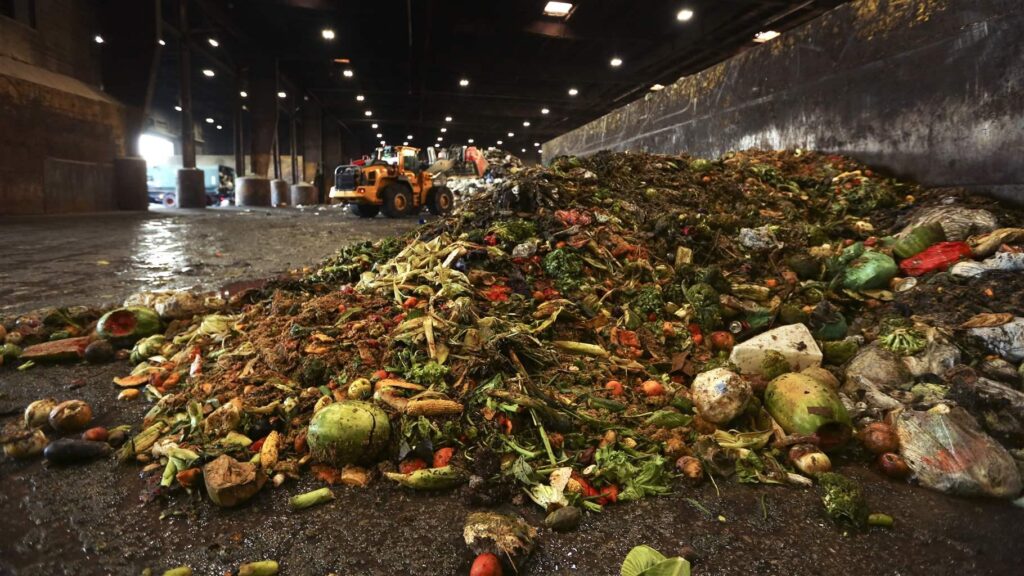
Contamination reduces the quality of recycled feedstock, prompting facilities to discard mixed loads. This increases landfill diversion, which contributes to methane emissions—a potent greenhouse gas. According to the California Air Resources Board (2023), landfilled plastic waste accounts for roughly 0.3 Mt CO₂‑equivalent annually; reducing contamination could lower this figure by up to 15%.
Human Health and Social Impacts
Improperly sorted waste can overload landfill leachate systems, posing groundwater contamination risks in vulnerable communities. Additionally, higher contamination rates raise operational costs for municipalities, potentially leading to increased waste‑management fees that disproportionately affect low‑income households.
Economic and Infrastructure Impacts
Material recovery facilities report that each percentage point of contamination adds an estimated $5 million in processing expenses statewide (CalRecycle fiscal report, 2022). Accurate labeling can therefore save public funds and free resources for other environmental programs.
Regional Differences
California’s recycling capacity varies widely: coastal counties such as San Francisco have advanced single‑stream systems, while inland regions like the Central Valley rely on limited curbside options. Consequently, a packaging material accepted in Los Angeles may be non‑recyclable in Fresno. The new law accounts for these differences by requiring manufacturers to specify the applicable local stream, preventing a one‑size‑fits‑all label.
What Scientists Know With High Confidence
- Misleading recycling symbols significantly increase contamination in curbside programs.
- Standardized, verified labeling improves material recovery rates.
- Contamination directly raises greenhouse‑gas emissions associated with landfilled plastics.
- Third‑party certification is an effective mechanism for ensuring label accuracy.
What Remains Uncertain
Key uncertainties include the speed at which small‑scale manufacturers can adopt compliant packaging, and the long‑term market response of recycled material buyers to potentially higher-quality feedstock. Ongoing pilot studies in the Sacramento region aim to quantify these effects, but results are not yet definitive.
Common Misconceptions
Misconception: All products with the recycling arrows are recyclable in California.
Reality: The arrows only guarantee recyclability if the packaging meets state‑specific criteria; otherwise the symbol may be decorative.
Misconception: Removing the symbol will make the product less sustainable.
Reality: Accurate labeling is more sustainable than false claims because it prevents contamination that harms the recycling system.
Misconception: The law will eliminate all recycling contamination.
Reality: While contamination is expected to drop, other factors—such as consumer confusion about sorting categories—will still contribute to residual waste.
Solutions and Limitations
Beyond the labeling rule, solutions include developing truly recyclable materials (e.g., mono‑material plastics), expanding local MRF capabilities, and investing in consumer education campaigns. Limitations arise from the higher cost of redesigning packaging, the need for new collection infrastructure, and the risk that companies may adopt “green‑washing” tactics that comply with the letter but not the spirit of the law.
What Individuals, Communities, and Governments Can Do
What Individuals Can Do
- Check the label for specific recycling instructions rather than assuming any symbol means universal recyclability.
- Participate in local waste‑sorting workshops or use municipal apps that clarify accepted materials.
- Prefer products with minimal packaging or those certified by reputable third parties (e.g., Sustainable Packaging Coalition).
What Communities and Organizations Can Do
- Host educational events that explain the new labeling requirements.
- Partner with local businesses to pilot reusable or refillable packaging models.
- Collect data on contamination rates to provide feedback to policymakers.
What Governments Can Do
- Fund research into low‑cost, recyclable alternatives for small manufacturers.
- Expand curbside capabilities for flexible plastics and multi‑layer films.
- Enforce the labeling law consistently and publicly report compliance metrics.
Closing Synthesis
California’s effort to restrict misleading recycling symbols directly addresses a well‑documented source of contamination in the state’s waste stream. Strong evidence links accurate labeling to higher material recovery and lower greenhouse‑gas emissions, while uncertainties remain around implementation costs for smaller firms. By combining regulatory clarity, industry innovation, and community education, the state aims to turn recycling symbols from marketing shortcuts into reliable guides for a more circular economy.
Frequently Asked Questions
What does the new California law require for recycling symbols on packaging?
The law permits recycling symbols only on packaging that meets CalRecycle’s recyclability criteria, requires third‑party certification, and mandates a clear statement of the specific recycling stream.
Why are misleading recycling symbols a problem for the waste system?
Misleading symbols cause consumers to place non‑recyclable items in curbside bins, raising contamination rates up to 30%, which lowers material recovery and increases landfill emissions.
How will the labeling rule affect everyday consumers?
Consumers will see more detailed labels that specify whether an item is recyclable in their local program, helping them sort waste correctly and reduce the chance of contaminating recycling streams.
What challenges might small businesses face in complying with the new rule?
Smaller firms may need to invest in testing, third‑party certification, and redesign of packaging, which can raise costs and require new supply‑chain partnerships.
How does accurate recycling labeling improve overall recycling rates?
Accurate labels guide proper disposal, reducing contamination; studies show that clearer labeling can boost material capture by 8‑12 percentage points, enhancing the efficiency of recycling facilities.








Leave a Comment