
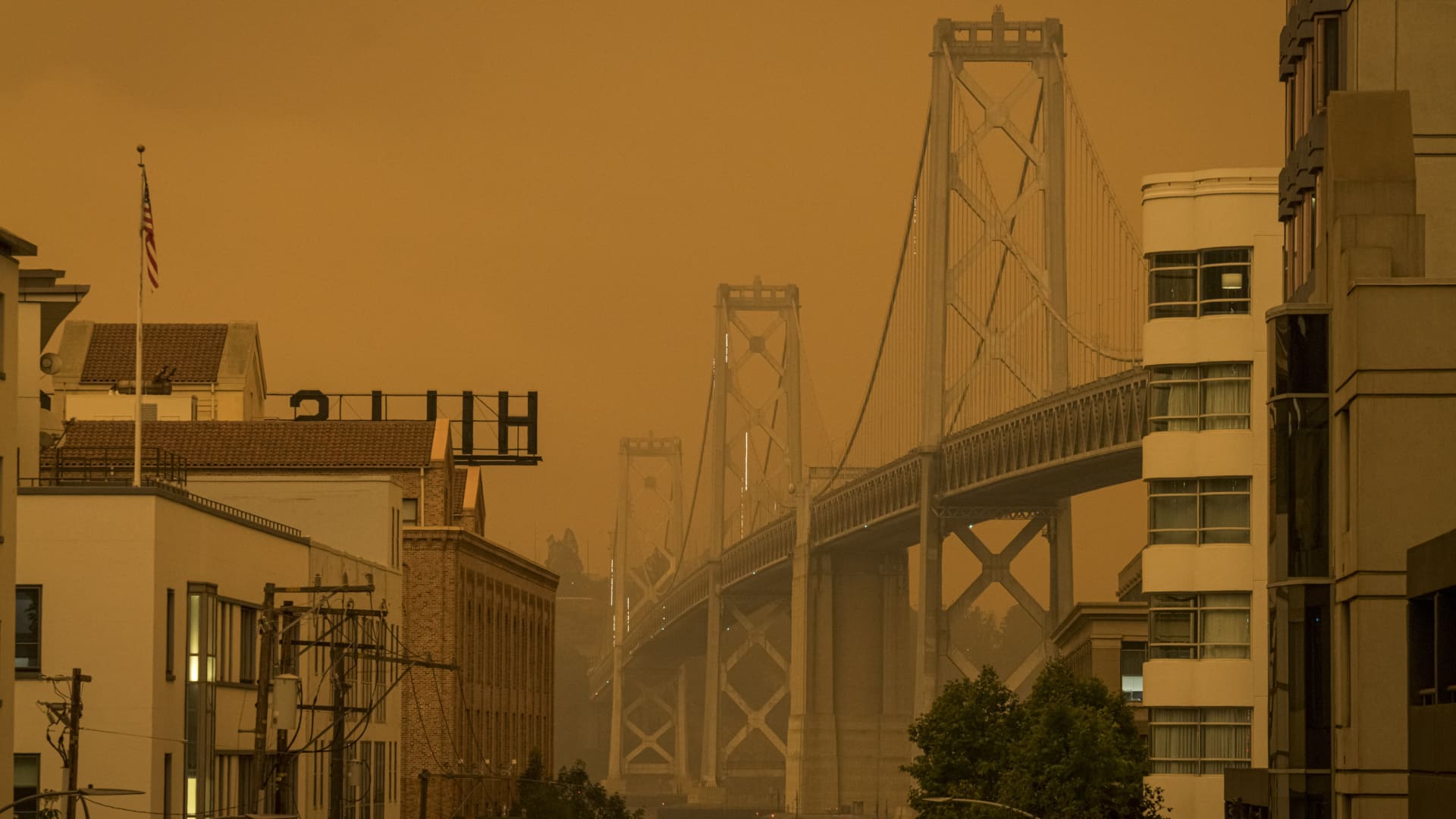
A peer‑reviewed modelling study published in 2023 estimated that wildfire‑related air pollution could be responsible for roughly 1.5 million premature deaths each year worldwide, highlighting a major but often hidden public‑health crisis.
Quick Answer
Wildfire smoke contains fine particulate matter (PM2.5) and a mixture of gases that travel far beyond the fire‑zone, entering the respiratory system and aggravating cardiovascular and respiratory diseases. A 2023 modelling analysis suggests the global burden of premature mortality from this pollution may be about 1.5 million deaths per year. The estimate carries moderate uncertainty because exposure assessments rely on satellite‑derived smoke plumes and health‑impact functions that vary by region.
Key Takeaways
- Wildfire smoke is a major source of fine particulate matter (PM2.5) that can travel thousands of kilometres.
- Global modelling indicates roughly 1.5 million premature deaths each year are linked to wildfire‑related air pollution.
- Children, older adults, and people with pre‑existing heart or lung conditions are most vulnerable.
- Climate‑driven increases in fire frequency and intensity amplify future health risks.
- Effective responses combine improved air‑quality monitoring, public‑health advisories, forest‑management, and climate mitigation.
What Is Wildfire Air Pollution Kills 1.5 Million People a Year Study Finds?
The phrase refers to a quantitative assessment that attributes a portion of global premature mortality to the inhalation of pollutants generated by wildfires. The study considered emissions of carbon dioxide, carbon monoxide, volatile organic compounds (VOCs), and especially fine particulate matter (PM2.5) released during fire events. It evaluated exposure across urban and rural populations using satellite‑derived smoke plume data, ground‑based monitoring networks, and health‑impact functions derived from epidemiological research. The scope is global and annual, focusing on the cumulative health burden rather than isolated fire incidents.
How Does It Work?
1. Emission Generation
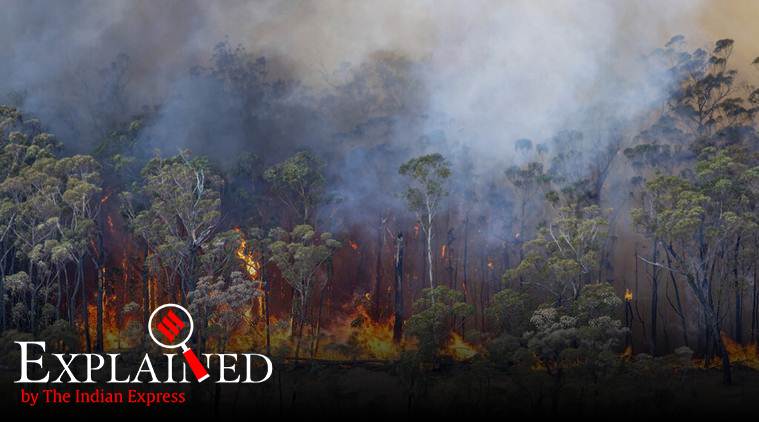
When vegetation burns, it releases carbon‑based gases and solid particles. The smallest particles, PM2.5 (diameter ≤2.5 µm), remain suspended for days and can be lofted into the upper troposphere.
2. Atmospheric Transport
Wind patterns, temperature inversions, and convection spread smoke across regional and continental scales. Remote sensing shows that smoke from North American fires can reach Europe within 24–48 hours.
3. Human Exposure
People inhale PM2.5, which penetrates deep into the alveoli and can enter the bloodstream. The dose‑response relationship between short‑term PM2.5 spikes and increased risk of heart attacks, strokes, and asthma attacks is well documented by the World Health Organization.
4. Health Impact Assessment
Researchers combine exposure estimates with concentration‑response functions derived from large cohort studies (e.g., the Global Burden of Disease project). By integrating population data, they calculate the number of premature deaths attributable to the additional PM2.5 from wildfire smoke.
What Does the Evidence Show?
Long‑term satellite monitoring (e.g., MODIS, VIIRS) combined with ground stations confirms that wildfire smoke contributes a measurable fraction of ambient PM2.5 in many regions. Systematic reviews of epidemiological studies (e.g., a 2022 review in *Environmental Health Perspectives*) find consistent associations between wildfire smoke days and increased emergency‑room visits for respiratory and cardiovascular conditions. Modelling studies that apply Global Burden of Disease health‑impact functions estimate the global mortality burden to be on the order of one to two million premature deaths per year, aligning with the 1.5 million figure cited by the 2023 analysis.
Main Causes or Drivers
Direct Causes
- Combustion of forest, grassland, and peatland fuels during wildfire events.
- Release of fine particulate matter and toxic gases.
Underlying Drivers
- Rising global temperatures that lengthen fire‑season length and increase drought severity (IPCC, 2021).
- Land‑use changes that create more ignitable fuel loads, such as historic fire suppression and forest densification.
- Human ignition sources, including power‑line failures and arson.
Environmental and Human Impacts
Environmental Impacts
Beyond health, wildfire smoke alters atmospheric chemistry, contributes to short‑term climate forcing, and can deposit nutrients (e.g., nitrogen) that affect downstream ecosystems. Repeated smoke events may suppress photosynthesis in nearby forests, reducing carbon uptake.
Human Health and Social Impacts
Acute exposure raises the risk of:
- Respiratory infections and exacerbations of asthma or chronic obstructive pulmonary disease.
- Cardiovascular events such as heart attacks and strokes.
- Premature mortality, particularly among the elderly, children, and people with pre‑existing conditions.
Longer‑term exposure may contribute to reduced lung function and cognitive decline, as suggested by cohort analyses in the United States and Europe.
Economic and Infrastructure Impacts
Increased hospital admissions strain health systems, while smoke‑related work‑day losses affect productivity. Air‑quality alerts can disrupt transportation and outdoor labor.
Regional Differences
Exposure intensity and health outcomes vary by geography:
- North America: Frequent large‑scale fires in the western United States and Canada produce smoke that reaches densely populated corridors such as the Pacific Northwest and the Midwest.
- Southern Europe: Mediterranean wildfires create episodic PM2.5 spikes that affect urban centers like Rome and Athens, where baseline air quality is already challenged by traffic emissions.
- Southeast Asia: Seasonal peat‑land fires in Indonesia generate haze that impacts millions across the Malay Peninsula, with limited monitoring infrastructure.
- Africa: Fire‑prone savannas contribute to background aerosol loads, but health data are sparse, making burden estimates more uncertain.
What Scientists Know With High Confidence
What Scientists Know With High Confidence
- Wildfire smoke contains fine particulate matter (PM2.5) that can travel long distances.
- Short‑term spikes in PM2.5 are linked to increased hospital admissions for respiratory and cardiovascular conditions.
- Climate warming is increasing the frequency and severity of large wildfires globally.
- Vulnerable groups—children, older adults, and people with chronic diseases—experience disproportionate health impacts.
What Remains Uncertain
What Remains Uncertain
The precise global mortality figure carries uncertainty because exposure models rely on satellite retrievals that may miss low‑altitude plumes, and health‑impact functions are derived mainly from urban air‑pollution studies rather than wildfire‑specific cohorts. Regional disparities in monitoring capacity also limit the ability to validate modelled exposures, especially in low‑income countries. Future research that integrates ground‑based sensors, personal exposure monitoring, and long‑term health follow‑up will reduce these gaps.
Common Misconceptions
Common Misconceptions
Misconception: Wildfire smoke only affects people who live near the fire.
Reality: Smoke can travel hundreds to thousands of kilometres, exposing distant urban populations that may have little experience with fire‑related hazards.
Misconception: Only the visible haze is harmful.
Reality: Fine particles are invisible to the naked eye; even clear‑looking air can contain dangerous concentrations of PM2.5.
Misconception: Short‑term exposure is harmless if you feel fine.
Reality: Epidemiological evidence shows that health effects can occur without immediate symptoms, and repeated short exposures can accumulate risk.
Solutions and Limitations
Prevention and Mitigation
Forest‑management practices such as controlled burns, thinning, and fuel‑break creation reduce fire intensity. However, these actions require careful planning to avoid unintended emissions and may face public opposition.
Air‑Quality Monitoring and Public Alerts
Expanding real‑time sensor networks improves exposure forecasts and enables health advisories. Limitations include funding constraints and uneven coverage in low‑income regions.
Health‑Protection Measures
Use of N95 or higher‑efficiency masks, indoor air filtration, and limiting outdoor activity during high‑smoke days can lower inhaled dose. Access to high‑quality masks and clean indoor spaces is not universal, creating equity challenges.
Climate Action
Reducing greenhouse‑gas emissions addresses the root driver of increasing fire frequency. Transitioning energy systems is a long‑term solution; short‑term health benefits depend on the speed of implementation.
What Individuals, Communities, and Governments Can Do
What Individuals Can Do
- Monitor local air‑quality indices (e.g., AQI) and follow public‑health advisories.
- Use certified N95 masks on high‑smoke days and keep windows closed.
- Maintain indoor air filters (HEPA) and replace filters regularly.
- Support policies that fund air‑quality monitoring and climate mitigation.
What Communities and Organizations Can Do
- Establish community clean‑air shelters equipped with filtration systems.
- Partner with local health clinics to disseminate protective‑equipment kits.
- Develop public‑education campaigns about smoke‑related health risks.
What Governments Can Do
- Invest in dense networks of low‑cost air‑quality sensors, especially in vulnerable regions.
- Integrate wildfire‑smoke forecasts into emergency‑management plans.
- Fund research on wildfire health impacts and exposure mitigation technologies.
- Implement and enforce climate‑mitigation policies that limit the long‑term rise in fire risk.
Synthesis
Wildfire smoke is a transboundary pollutant that delivers fine particulate matter deep into the respiratory system, contributing to an estimated 1.5 million premature deaths each year. Robust evidence confirms the physical transport of smoke, the health‑risk relationship of PM2.5, and the accelerating role of climate change in fire dynamics. Uncertainties remain around exact exposure levels in data‑poor regions and the translation of short‑term spikes into long‑term mortality. Effective action blends improved monitoring, public‑health guidance, forest‑management, and decisive climate policy, while ensuring that protective measures reach the most vulnerable populations.
Frequently Asked Questions
How does wildfire smoke cause premature deaths?
Wildfire smoke contains fine particulate matter (PM2.5) that penetrates deep into the lungs and can enter the bloodstream, triggering inflammation and increasing the risk of heart attacks, strokes, and respiratory failure, especially in vulnerable groups.
What is the estimated global death toll from wildfire‑related air pollution?
A peer‑reviewed modelling study published in 2023 estimated that roughly 1.5 million premature deaths worldwide each year are linked to exposure to wildfire‑generated air pollutants.
Which populations are most at risk from wildfire smoke?
Children, older adults, and people with pre‑existing cardiovascular or respiratory conditions are most susceptible because their bodies are less able to cope with the added stress of inhaled pollutants.
How can individuals reduce their exposure during smoke events?
Individuals can monitor local air‑quality indexes, stay indoors with windows closed, use HEPA air filters, and wear certified N95 or higher‑efficiency masks when outdoor activity is unavoidable.
What role does climate change play in increasing wildfire health impacts?
Climate change raises temperatures and lengthens drought periods, creating conditions that make wildfires larger and more frequent, which in turn amplifies the amount of smoke released and the geographic reach of health impacts.





Leave a Comment