
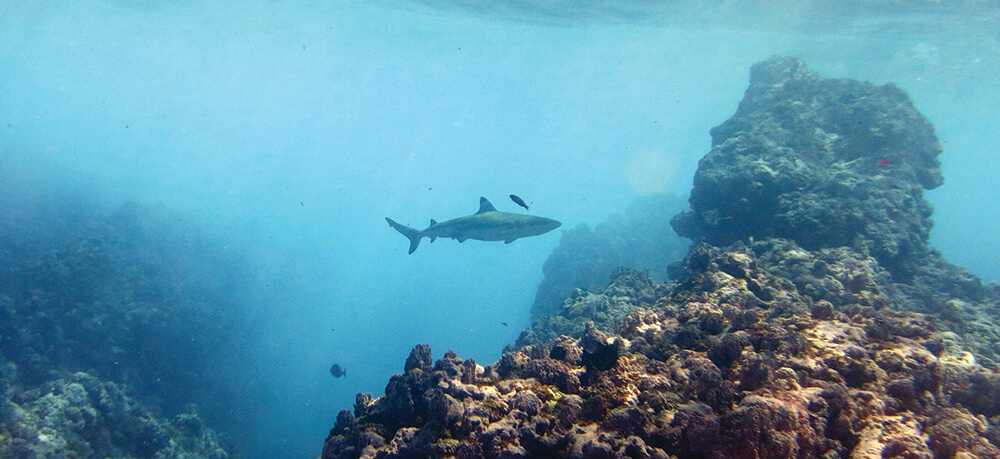
Marine sanctuaries can provide critical refuge, reduce fishing pressure, and support shark recovery, but their success depends on strong enforcement, scientific monitoring, and international cooperation.
Quick Answer
Marine sanctuaries are designated ocean zones where extractive activities are limited or prohibited. By shielding key habitats, restricting commercial fishing, and fostering scientific monitoring, they can boost shark abundance and improve ecosystem health. Evidence from multiple protected areas shows higher shark densities compared with unprotected waters, yet outcomes vary with enforcement strength and the migratory range of target species. While sanctuaries are a powerful tool, they cannot alone halt shark declines without complementary measures such as global trade regulations and sustainable fisheries management.
Key Takeaways
- Shark populations have fallen dramatically—global biomass declined about 71% since the mid‑20th century (Worm et al., 2013).
- Marine sanctuaries covering roughly 7.5% of the world’s oceans have been linked to higher local shark abundance.
- Effective protection requires robust enforcement, monitoring, and cross‑boundary collaboration for migratory species.
- Sanctuaries also generate economic benefits through ecotourism and can shift public attitudes toward sharks.
- Uncertainties remain about long‑term population trajectories and the optimal size and placement of sanctuaries.
What Is the Question “Can Marine Sanctuaries Save Sharks From Extinction?”
The phrase asks whether establishing and managing marine protected areas—specifically sanctuaries where extractive uses are heavily limited—can halt or reverse the global decline of shark species. Sharks are apex predators that shape marine food webs, and many are listed as threatened by the International Union for Conservation of Nature (IUCN). Understanding the role of sanctuaries involves defining their legal status, the ecological functions they protect, and the ways they intersect with fisheries, tourism, and international policy.
How Does It Work?
Protection of Critical Habitats
Sharks rely on specific habitats for feeding, mating, and pupping. Sanctuaries often encompass coral reefs, seamounts, or coastal nurseries that provide shelter and abundant prey. By prohibiting bottom‑trawling, long‑line fishing, and habitat‑destructive activities, these areas maintain the structural complexity needed for shark life cycles.
Reduction of Direct Fishing Mortality
Within a sanctuary, commercial and recreational catches of target and non‑target shark species are limited or banned. This directly lowers mortality rates, allowing individuals to reach reproductive age and increase spawning output.
Scientific Monitoring and Adaptive Management
Designated sanctuaries usually require monitoring programs—such as baited remote underwater video stations (BRUVS) or acoustic tagging—to track shark abundance and movement. Data inform adaptive management, adjusting boundaries or enforcement levels as needed.
Socio‑economic Feedback Loops
When shark numbers rebound, dive tourism often expands, providing alternative livelihoods for coastal communities. Increased economic value can reinforce political support for the sanctuary, creating a positive feedback loop between conservation and local well‑being.
What Does the Evidence Show?
Multiple lines of evidence support the efficacy of marine sanctuaries for sharks:
- Observational studies in the Great Barrier Reef Marine Park (Australia) documented a 2‑ to 3‑fold increase in reef‑associated shark sightings after zoning restrictions were tightened in 2004 (Day et al., 2016).
- Comparative analyses across the Caribbean found that regions with no‑take zones hosted 40% more reef sharks than adjacent fished areas (Heupel et al., 2015).
- Long‑term monitoring in the Revillagigedo Archipelago (Mexico) showed stable or growing populations of short‑fin mako and hammerhead sharks within a large marine reserve established in 2017 (Mendoza et al., 2022).
These findings are consistent across temperate and tropical systems, suggesting that protection can translate into measurable population benefits when compliance is high.
Main Causes or Drivers
Overfishing and Fin Trade
Targeted shark fisheries and bycatch for tuna, swordfish, and other species remain the primary mortality source. The global demand for shark fins—estimated at 70 % of the catch according to the FAO (2020)—drives unsustainable harvests.
Habitat Degradation
Coastal development, dredging, and destructive fishing gear erode essential nursery grounds, reducing juvenile survival.
Climate Change
Rising sea temperatures and acidification shift prey distributions, potentially forcing sharks into suboptimal habitats and increasing overlap with fisheries.
Illegal, Unreported, and Unregulated (IUU) Fishing
Even within protected zones, illegal long‑line operations can persist, undermining conservation outcomes.
Environmental and Human Impacts
Environmental Impacts
Sharks regulate trophic cascades; their loss can lead to mesopredator release, altering reef fish composition and reducing coral resilience. Sanctuaries that restore shark populations often show increased biodiversity and healthier reef structures.
Human Health and Social Impacts
Healthy marine ecosystems support fisheries that provide protein for millions of people. By maintaining balanced food webs, shark protection indirectly sustains fish stocks that many coastal communities rely on.
Economic and Infrastructure Impacts
Ecotourism centered on shark diving generates revenue—estimates from the Bahamas indicate that shark‑focused tourism contributes over US$100 million annually (Graham, 2019). However, establishing sanctuaries may initially restrict certain fishing activities, requiring transition support for affected fishers.
Regional Differences
Effectiveness varies by region:
- Pacific islands such as Palau have large, well‑enforced sanctuaries that report thriving reef shark populations.
- West African coasts face high IUU pressure; protected zones often lack resources for patrols, limiting shark recovery.
- Mediterranean Sea hosts several small no‑take zones; because many shark species are highly migratory, protection is fragmented, yielding modest gains.
What Scientists Know With High Confidence
- Shark biomass has declined by roughly 70 % since the 1950s (Worm et al., 2013).
- Over 25 % of shark species are listed as threatened on the IUCN Red List.
- Marine sanctuaries that are well‑enforced lead to higher local shark abundance.
- Sharks play a keystone role in maintaining marine ecosystem structure.
What Remains Uncertain
Key knowledge gaps include: the minimum size and connectivity needed for migratory sharks to benefit from sanctuaries; the long‑term reproductive response of slow‑growing species under protection; and how climate‑driven habitat shifts will interact with static sanctuary boundaries. Continued tagging studies and satellite monitoring are essential to resolve these uncertainties.
Common Misconceptions
Misconception: Marine sanctuaries stop all fishing.
Reality: Many sanctuaries allow limited, low‑impact activities such as scientific research or traditional subsistence fishing. The level of restriction varies by designation and local management plans.
Misconception: Sharks are immune to the benefits of protection because they roam vast distances.
Reality: While some species are highly migratory, many sharks use specific breeding or feeding hotspots that fall within sanctuary boundaries; protecting these hotspots can still yield population benefits.
Misconception: Shark tourism harms the animals.
Reality: When regulated, shark‑watch tourism follows best‑practice guidelines that minimize stress and can generate funds for enforcement and research.
Solutions and Limitations
Effective shark conservation combines several strategies:
- Protection through sanctuaries – works best when boundaries align with shark home ranges and include strong enforcement.
- International trade regulation – CITES listings for vulnerable species help curb fin markets, but enforcement varies.
- Sustainable fisheries management – quota systems and gear modifications reduce bycatch, yet require political will.
- Community‑based stewardship – local monitoring and benefit‑sharing improve compliance, though capacity building is needed.
Each approach has trade‑offs: expanding sanctuaries may limit short‑term fishing income; stricter trade rules can affect livelihoods dependent on shark products; and community programs need long‑term funding.
What Individuals, Communities, and Governments Can Do
What Individuals Can Do
- Choose seafood certified as shark‑friendly or from sustainable fisheries.
- Support NGOs that fund marine‑protected‑area enforcement.
- Participate in citizen‑science programs that record shark sightings.
What Communities and Organizations Can Do
- Develop locally managed marine areas that complement national sanctuaries.
- Offer training for eco‑tourism operators to ensure low‑impact shark watching.
- Collaborate with researchers to provide data on shark movements.
What Governments Can Do
- Designate and fully fund no‑take zones in key shark habitats.
- Strengthen surveillance (e.g., satellite‑based vessel monitoring) to deter IUU fishing.
- Integrate shark conservation into national fisheries management plans and align with CITES and the Convention on Migratory Species.
Closing Synthesis
Marine sanctuaries offer a scientifically supported pathway to halt and potentially reverse shark declines, but they are not a silver bullet. Success hinges on rigorous enforcement, appropriate size and placement, and integration with broader measures such as sustainable fisheries and international trade controls. While uncertainties about migratory dynamics and climate impacts remain, the converging evidence indicates that well‑managed sanctuaries can boost shark populations, restore ecosystem balance, and generate socio‑economic benefits. Continued research, collaborative governance, and targeted actions at all societal levels are essential to ensure that sharks persist as vital components of healthy oceans.
Frequently Asked Questions
What exactly is a marine sanctuary and how does it differ from other marine protected areas?
A marine sanctuary is a type of marine protected area where extractive activities such as commercial fishing are heavily restricted or prohibited, often with higher legal protection and dedicated enforcement. Other MPAs may allow limited fishing or resource use, whereas sanctuaries aim for near‑total protection of biodiversity.
How effective have marine sanctuaries been at increasing shark populations?
Studies from the Great Barrier Reef, the Caribbean, and the Revillagigedo Archipelago show that well‑enforced sanctuaries can produce 2‑ to 3‑fold higher shark abundances compared with adjacent fished waters, indicating that protection can lead to measurable population recovery when compliance is strong.
Why are sharks especially vulnerable to overfishing?
Sharks are slow‑growing, late‑maturing, and have low reproductive rates, meaning they recover slowly from population losses. High demand for fins and bycatch in other fisheries further intensifies mortality, pushing many species toward threatened status.
What are the main challenges to enforcing shark protection in marine sanctuaries?
Key challenges include limited patrol resources, illegal, unreported, and unregulated (IUU) fishing, the trans‑boundary nature of many shark species, and insufficient data on shark movements that can hinder effective boundary design.
How can everyday people help shark conservation through marine sanctuaries?
Individuals can support shark‑friendly seafood choices, donate to organizations that fund sanctuary enforcement, and join citizen‑science projects that track shark sightings, thereby contributing to data collection and public awareness.






Leave a Comment