
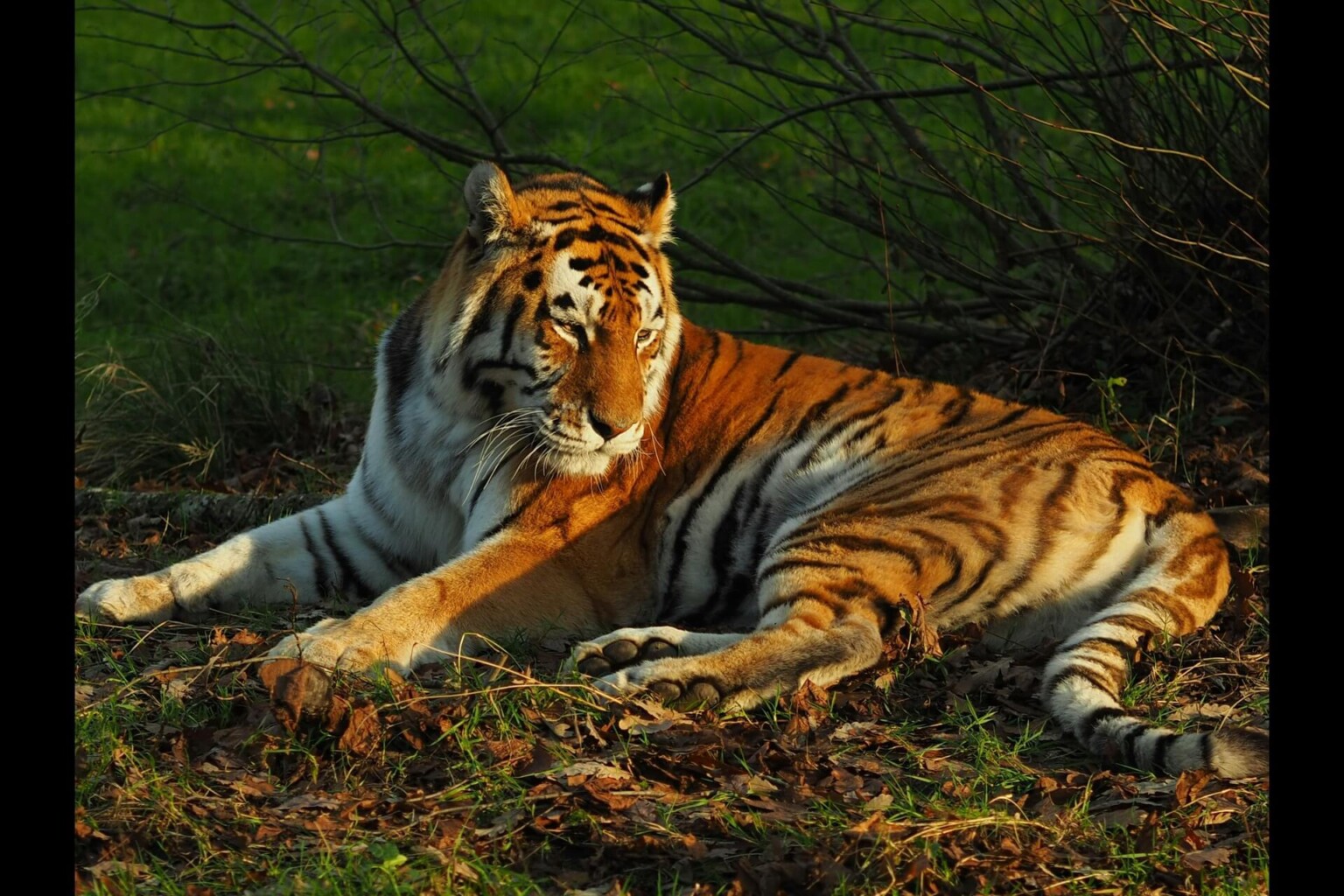
Breeding programmes create genetically healthy, self‑sustaining populations in controlled settings and, when paired with habitat protection and reintroduction, offer a proven pathway to rescue species on the brink of extinction.
Quick Answer
Breeding programmes are coordinated efforts—usually run by zoos, wildlife agencies, or specialist conservation centres—to produce viable offspring of threatened species under carefully managed conditions. By matching genetically compatible pairs, maintaining detailed pedigree records, and training individuals for survival skills, these programmes aim to bolster population numbers and preserve genetic diversity for future re‑release. Scientific assessments, such as the IUCN Species Survival Commission reports, consistently show that well‑designed breeding initiatives have prevented extinction in dozens of cases, though success depends on simultaneous habitat restoration and long‑term monitoring. Uncertainty remains around how quickly captive‑bred animals can adapt to wild environments under changing climate conditions.
Key Takeaways
- Genetic diversity is the cornerstone of any successful breeding programme.
- Behavioural training and simulated habitats help retain wild‑type skills.
- Reintroduction only succeeds when suitable habitat is secured and managed.
- Advances such as DNA banking and CRISPR offer new tools but raise ethical questions.
- Long‑term funding, international collaboration, and public support are essential.
What Is Breeding Programmes: A Critical Tool for Saving Endangered Species?
In conservation biology, a breeding programme (sometimes called an ex‑situ conservation or captive‑breeding effort) is a systematic plan to produce offspring of a threatened or endangered species outside its natural habitat. These programmes operate in zoos, dedicated wildlife sanctuaries, or specialized research facilities, and they follow rigorous scientific protocols that include genetic pedigree analysis, health monitoring, and behavioural enrichment. The ultimate goal is to create a self‑sustaining, genetically robust population that can either supplement dwindling wild numbers or serve as a fallback reservoir if wild populations collapse.
Breeding programmes differ from simple animal husbandry in that they are explicitly conservation‑oriented, guided by species recovery plans, and integrated with broader actions such as habitat restoration, anti‑poaching measures, and community outreach. They are also distinct from in‑situ conservation, which focuses on protecting species within their natural ecosystems.
How Does It Work?
Successful breeding programmes follow a series of interlinked steps that balance biology, genetics, and logistics.
1. Species Assessment and Goal Setting
Conservation scientists first evaluate the species’ conservation status (e.g., IUCN Red List category), demographic trends, and genetic health. Goals may include establishing a minimum viable population (MVP) of 500–1,000 individuals with sufficient heterozygosity to avoid inbreeding depression.
2. Genetic Management
Using studbooks—comprehensive databases that record each individual’s lineage—managers apply mean kinship or optimal contribution analysis to pair animals that minimize relatedness. This approach is supported by long‑term studies showing that genetically diverse captive populations have higher survival and reproductive rates (IUCN SSC, 2020).
3. Captive Husbandry and Health Care
Animals receive species‑specific diets, veterinary checks, and environmental enrichment that mimic natural conditions. Research indicates that enriched enclosures improve stress markers and reproductive success in felids and primates (Zoo Biology, 2019).
4. Behavioural Training and Pre‑Release Conditioning
Before any reintroduction, individuals undergo training that encourages natural foraging, predator avoidance, and social interactions. Simulated habitats—large outdoor enclosures with native vegetation—allow animals to practice hunting or grazing, reducing the “behavioural deficit” often observed in captive‑bred animals.
5. Reintroduction Planning
Releases are coordinated with habitat assessments, predator control, and community engagement. A phased “soft release” (gradual exposure to the wild) is preferred over a sudden “hard release” because it improves survival rates, as documented in the successful reintroduction of the black‑footed ferret (U.S. Fish & Wildlife Service, 2021).
6. Post‑Release Monitoring
Radio‑telemetry, camera traps, and genetic sampling track survival, reproduction, and integration with wild conspecifics. Adaptive management allows managers to modify future releases based on observed outcomes.
What Does the Evidence Show?
Systematic reviews of captive‑breeding efforts compiled by the IUCN Species Survival Commission (SSC) reveal that, out of roughly 300 programmes worldwide, more than 50 species have moved from “Critically Endangered” to “Endangered” or lower status after successful reintroduction. Notable examples include the California condor (Gymnogyps californianus), the Arabian oryx (Oryx leucoryx), and the Mauritius pink pigeon (Nesoenas mayeri). Long‑term monitoring of the California condor shows a fledgling survival rate of 80 % for captive‑bred birds released between 2002‑2015, compared with 45 % for wild‑born individuals (U.S. Geological Survey, 2020).
Genetic studies consistently demonstrate that programmes maintaining >90 % of the original heterozygosity avoid inbreeding depression, a finding supported by meta‑analyses of over 40 vertebrate species (Conservation Genetics, 2021). Conversely, programmes that neglect genetic management often experience reduced fertility and higher disease susceptibility, underscoring the importance of pedigree‐based pairing.
Main Causes or Drivers of Species Decline
Breeding programmes arise as a response to multiple, interacting threats that push species toward extinction.
Direct Causes
- Habitat loss from agriculture, urban expansion, and infrastructure development.
- Poaching and illegal wildlife trade.
- Invasive species that out‑compete or prey on native fauna.
- Emerging diseases such as chytridiomycosis in amphibians.
Underlying Drivers
- Global climate change altering temperature and precipitation regimes, thereby shifting suitable habitats.
- Economic pressures that prioritize short‑term resource extraction over conservation.
- Weak governance and insufficient enforcement of wildlife protection laws.
Environmental and Human Impacts
Environmental Impacts
Recovering keystone species through breeding programmes can restore trophic dynamics. For instance, re‑establishing wolves in Yellowstone reshaped elk behavior, leading to vegetation recovery and increased biodiversity—a classic “trophic cascade” documented in ecological research (Science, 2019).
Human Health and Social Impacts
Healthy ecosystems provide services that support human wellbeing, such as clean water, pollination, and cultural values tied to iconic wildlife. The presence of charismatic species often fuels ecotourism, generating income for local communities and incentivising habitat protection.
Economic and Infrastructure Impacts
While breeding programmes require upfront investment—facility construction, staff expertise, and long‑term monitoring—the cost per saved species is often lower than the economic losses associated with complete extinction, which include lost genetic resources, tourism revenue, and ecosystem services.
Regional Differences
Implementation and outcomes of breeding programmes vary across continents.
- Africa: Large‑mammal programmes (e.g., black‑rhino) benefit from extensive land bases but face challenges from poaching and limited funding.
- Asia: Species such as the Chinese pangolin rely heavily on captive breeding due to intense illegal trade, yet reintroduction is hampered by fragmented habitats.
- North America: Robust regulatory frameworks and public‑private partnerships have enabled the recovery of species like the whooping crane.
- Europe: Intensive land‑use pressures make habitat restoration a critical complement to breeding efforts for birds of prey.
What Scientists Know With High Confidence
What Scientists Know With High Confidence
- Genetic diversity directly influences population resilience to disease and environmental change.
- Captive‑bred individuals can survive and reproduce in the wild when reintroduction protocols include behavioural conditioning and habitat preparation.
- Long‑term, coordinated breeding programmes have contributed to status improvements for more than 50 species worldwide.
- Habitat loss is the primary driver of biodiversity decline; breeding programmes cannot succeed without concurrent habitat protection.
What Remains Uncertain
What Remains Uncertain
Key knowledge gaps include the long‑term genetic health of populations established from a limited founder base, the scalability of emerging technologies such as CRISPR‑mediated gene editing for disease resistance, and the capacity of reintroduced animals to adapt to rapidly shifting climate zones. More longitudinal studies that track multiple generations after release are needed to resolve these uncertainties.
Common Misconceptions
Common Misconceptions
Misconception: Breeding programmes alone can stop extinction.
Reality: Without secure, suitable habitat, reintroduced animals face the same threats that caused the original decline. Conservation must address both ex‑situ and in‑situ factors.
Misconception: Captive animals lose all wild instincts.
Reality: Behavioural enrichment and pre‑release training can retain or restore essential survival skills, as demonstrated in successful reintroductions of raptors and ungulates.
Misconception: Genetic engineering will instantly fix all genetic bottlenecks.
Reality: While tools like CRISPR hold promise, ethical concerns, regulatory frameworks, and ecological risks mean they are not a panacea and must be applied cautiously.
Solutions and Limitations
Effective conservation blends several strategies:
- Habitat protection and restoration: Securing land, controlling invasive species, and restoring native vegetation are prerequisites for any reintroduction. However, land acquisition can be costly and politically contentious.
- Genetic management tools: Pedigree analysis, DNA banking, and assisted reproductive technologies improve genetic health but require specialized expertise and laboratory infrastructure.
- Technology‑enhanced breeding: Techniques such as artificial insemination and embryo transfer increase reproductive success for species with low natural fertility. These methods are expensive and may not be feasible for all taxa.
- Community engagement: Involving local peoples in monitoring and anti‑poaching patrols builds stewardship. Yet, success depends on equitable benefit‑sharing and long‑term commitment.
- Policy and funding: International agreements (e.g., Convention on Biological Diversity) and national legislation provide legal frameworks, but enforcement gaps often limit impact.
What Individuals, Communities, and Governments Can Do
What Individuals Can Do
- Support accredited zoos and wildlife NGOs that fund breeding and habitat projects.
- Reduce demand for illegal wildlife products by choosing certified sustainable products.
- Participate in citizen‑science programs that monitor local wildlife.
What Communities and Organizations Can Do
- Develop community‑based conservation plans that incorporate traditional knowledge and benefit‑sharing.
- Partner with research institutions to provide land for soft‑release sites.
- Implement education campaigns that highlight the ecological role of target species.
What Governments Can Do
- Allocate stable funding streams for national breeding centres and habitat corridors.
- Enforce anti‑poaching laws and strengthen cross‑border wildlife trafficking agreements.
- Integrate species recovery objectives into land‑use planning and climate‑adaptation strategies.
Closing Synthesis
Breeding programmes represent a scientifically validated tool that, when combined with habitat protection, genetic management, and community involvement, can reverse the trajectory toward extinction for many threatened species. High‑confidence evidence confirms their role in increasing population numbers and preserving genetic health, while uncertainties remain around long‑term adaptability and emerging technologies. Continued investment, interdisciplinary collaboration, and public support are essential to ensure that captive‑born animals not only survive but thrive in the wild, securing biodiversity for future generations.
Frequently Asked Questions
What is the main purpose of a breeding programme for endangered species?
The main purpose is to produce a self‑sustaining, genetically diverse population in captivity that can later be reintroduced to bolster wild numbers and reduce extinction risk.
How do breeding programmes maintain genetic diversity?
They use studbooks and genetic analyses to pair individuals with the lowest relatedness, applying methods like mean kinship to keep heterozygosity high and avoid inbreeding depression.
Why is habitat restoration essential for reintroduction success?
Without suitable, protected habitat, released animals face the same threats that caused their decline; restored habitats provide food, shelter, and safe breeding grounds necessary for survival.
Can captive‑bred animals survive in the wild without training?
Behavioural training and pre‑release conditioning are critical; studies show that animals lacking such preparation often lack hunting, predator‑avoidance, and social skills needed for wild life.
What are the biggest uncertainties facing future breeding programmes?
Key uncertainties include the long‑term genetic health of small founder populations, the ecological impacts of gene‑editing technologies, and how reintroduced animals will cope with rapid climate change.







Leave a Comment