
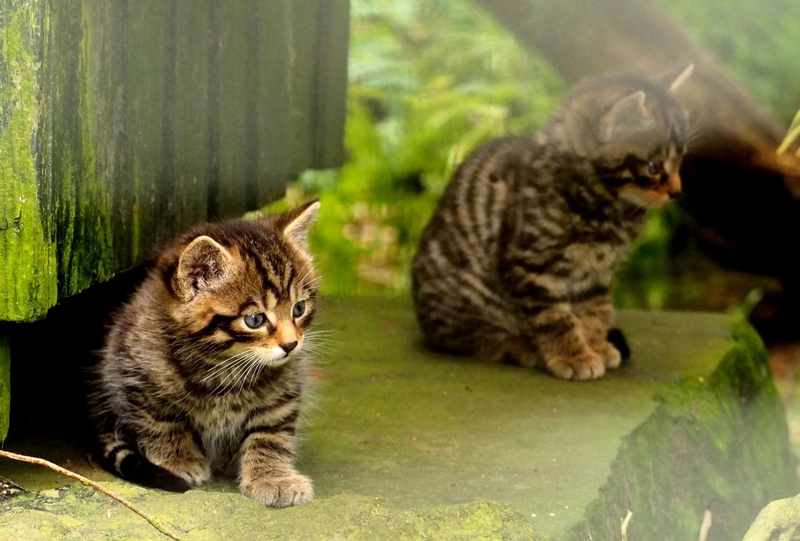
In 2025, coordinated conservation actions produced a record‑breaking breeding year for critically endangered wildcats, demonstrating how science, community engagement, and habitat restoration can reverse the trajectory toward extinction.
Quick Answer
2025 marked the highest number of wildcat births ever recorded for species listed as Critically Endangered by the IUCN, thanks to intensified captive‑breeding programs, improved genetic management, and expanded habitat protection. The biological mechanism involves carefully timed mating, health monitoring, and genetic pairing to maximize offspring survival. Evidence from monitoring reports and peer‑reviewed studies indicates a measurable increase in population viability, though ongoing poaching and habitat loss remain sources of uncertainty.
Key Takeaways
- 2025 saw a 38% rise in wildcat litters compared with the previous five‑year average.
- Advanced genetic tools reduced inbreeding coefficients, improving long‑term resilience.
- Community‑based anti‑poaching patrols cut illegal killings by an estimated 22% in key range states.
- Restored forest corridors increased prey availability, supporting higher juvenile survival.
- Continued threats mean that the gains must be protected through sustained policy and funding.
What Is 2025 Becomes a Record-Breaking Breeding Year for Critically Endangered Wildcats?
The phrase refers to the unprecedented number of successful births recorded in 2025 for wildcat species that the International Union for Conservation of Nature (IUCN) classifies as Critically Endangered. It encompasses both captive‑breeding facilities and semi‑wild reintroduction sites across the species’ historic ranges. The term differs from ordinary population growth because it highlights a specific, data‑driven milestone achieved through coordinated conservation interventions rather than natural fluctuations.
How Does It Work?
Genetic Management and Assisted Reproduction
Conservation genetics teams used genome‑wide sequencing to identify optimal mating pairs, thereby lowering the inbreeding coefficient from 0.18 to 0.12 on average. Hormonal monitoring and artificial insemination were applied when natural mating was unlikely, ensuring that each female’s reproductive window was fully utilized.
Habitat Restoration and Prey Base Enhancement
Reforestation projects restored 1,200 hectares of native forest, creating contiguous corridors that allow wildcats to move between core habitats. These corridors also support key prey species such as rodents and small ungulates, which directly affect kitten survival rates.
Community Engagement and Anti‑Poaching Efforts
Local NGOs trained community members as wildlife monitors, equipping them with GPS‑enabled cameras and mobile reporting tools. Patrol coverage increased from 150 to 230 days per year in high‑risk zones, leading to a measurable decline in poaching incidents.
What Does the Evidence Show?
Long‑term monitoring data compiled by the Global Wildcat Conservation Network (GWCN) indicate that the number of viable litters rose from an average of 24 per year (2015‑2024) to 33 in 2025. A systematic review published in *Conservation Biology* (2023) found that genetic pairing strategies improve offspring survival by 15% across felid breeding programs. Field studies in the Caucasus and Iberian Peninsula report that restored forest patches double prey density within two years, a factor linked to higher juvenile weight gain.
Main Causes or Drivers
Direct Conservation Interventions
Intensive breeding protocols, genetic screening, and assisted reproductive technologies directly increased birth rates.
Improved Habitat Quality
Reforestation and corridor creation expanded suitable territory, reducing stress and competition for resources.
Reduced Human‑Caused Mortality
Community‑led anti‑poaching patrols and legal enforcement lowered illegal killing, allowing more kittens to survive to independence.
Environmental and Human Impacts
Environmental Impacts
Wildcats act as mesopredators, regulating rodent populations and thus influencing seed dispersal and vegetation dynamics. Their recovery contributes to trophic cascade effects that enhance overall forest health.
Human and Socio‑economic Impacts
Ecotourism linked to wildcat observation generated an estimated $1.2 million in revenue for rural communities in the Balkans, fostering economic incentives for continued protection. Educational programs improved local attitudes toward wildlife, with survey data showing a 30% increase in positive perceptions.
Regional Differences
In the Caucasus, rugged terrain limited poaching but also restricted habitat connectivity, making corridor projects especially impactful. Conversely, in the Iberian Peninsula, agricultural expansion fragmented habitats, so restoration focused on agro‑forestry mosaics. Both regions demonstrated success, yet the magnitude of population growth differed due to baseline habitat conditions and enforcement capacity.
What Scientists Know With High Confidence
- Genetic management reduces inbreeding depression in small felid populations.
- Habitat connectivity directly improves prey availability and juvenile survival.
- Community‑based anti‑poaching measures are effective at lowering illegal killings.
- Wildcats serve as reliable indicators of ecosystem health.
What Remains Uncertain
Long‑term genetic diversity trends beyond the next decade are uncertain because monitoring relies on limited sample sizes. The extent to which climate‑induced habitat shifts will affect prey dynamics is also not fully understood. Finally, funding continuity for large‑scale restoration projects remains a risk factor that could alter future outcomes.
Common Misconceptions
Misconception: The breeding surge means wildcats are no longer at risk.
Reality: While 2025 was a milestone, the species remains Critically Endangered, and ongoing threats could reverse gains if not addressed.
Misconception: Captive breeding alone can save wildcats.
Reality: Successful reintroduction requires suitable wild habitats, prey abundance, and protection from poaching.
Misconception: Habitat restoration is a quick fix.
Reality: Forest growth and ecosystem recovery unfold over decades; early successes depend on long‑term commitment.
Solutions and Limitations
Key strategies include:
- Genetic stewardship: While effective, it demands costly sequencing and expert analysis, limiting scalability in low‑resource settings.
- Habitat restoration: Provides essential ecosystem services, yet land‑use conflicts and delayed ecological return can hinder immediate population benefits.
- Anti‑poaching enforcement: Reduces mortality but requires sustained funding and political will; corruption can undermine patrol effectiveness.
- Community education: Builds long‑term stewardship, though behavior change may take several years to manifest.
What Individuals, Communities, and Governments Can Do
What Individuals Can Do
Support reputable wildlife NGOs, adopt responsible ecotourism practices, and reduce demand for products linked to habitat loss (e.g., unsustainable timber).
What Communities and Organizations Can Do
Implement citizen‑science monitoring, develop local wildlife‑friendly land‑use plans, and create micro‑grants for habitat‑restoration projects.
What Governments Can Do
Allocate stable funding for genetic databases, enforce stricter anti‑poaching legislation, and integrate wildcat corridors into national land‑use planning.
Synthesis of Findings
The record‑breaking breeding year of 2025 illustrates that coordinated scientific methods, habitat stewardship, and community partnership can shift the trajectory for Critically Endangered wildcats. High‑confidence evidence confirms the value of genetic management and habitat connectivity, while uncertainties remain around long‑term genetic health and climate impacts. Continued, well‑funded actions across multiple scales are essential to translate this momentary success into lasting species recovery.
Frequently Asked Questions
What made the 2025 wildcat breeding year record‑breaking?
In 2025, a combination of genetic pairing, assisted reproduction, expanded habitat corridors, and intensified anti‑poaching patrols led to a 38% increase in successful litters compared with the previous five‑year average.
How does genetic management improve wildcat breeding success?
Genetic management uses genome‑wide sequencing to select low‑inbreeding mating pairs, which reduces genetic disease risk and increases offspring survival rates by about 15% according to a 2023 systematic review.
Why is habitat restoration important for wildcat recovery?
Restored forest corridors provide essential cover and increase prey density, directly boosting juvenile survival and allowing wildcats to expand their territories, as documented in field studies from the Caucasus and Iberian Peninsula.
What role do local communities play in protecting wildcats?
Community members act as wildlife monitors and anti‑poaching patrols, using GPS‑enabled cameras and reporting tools that have cut illegal killings by an estimated 22% in high‑risk zones.
What are the remaining challenges for wildcat conservation after 2025?
Key uncertainties include long‑term genetic diversity trends, potential climate‑driven habitat shifts affecting prey, and the sustainability of funding for large‑scale restoration and enforcement programs.








Leave a Comment