
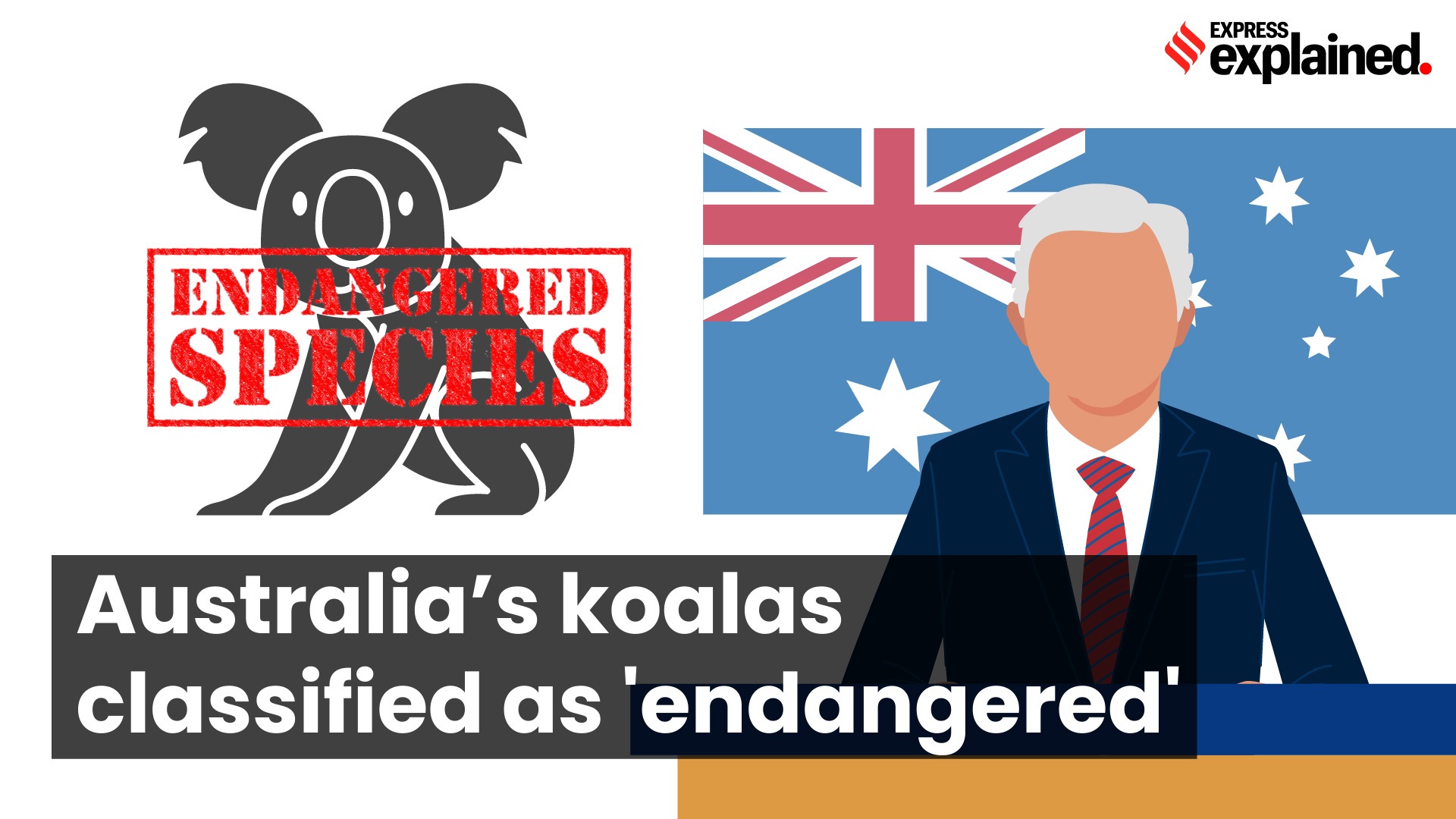
Australia’s official classification of koalas as an endangered species reflects mounting habitat loss, climate‑driven stress, disease, and highlights urgent conservation actions needed to safeguard this iconic marsupial.
\n\n
Quick Answer
\n
Koalas (Phascolarctos cinereus) have been listed as endangered under Australia’s Environment Protection and Biodiversity Conservation Act after comprehensive assessments showed a continuing decline of more than 30 % across their eastern range. The primary drivers are large‑scale clearing of eucalyptus forest, intensified bush‑fire frequency linked to climate change, and the spread of chlamydial infection. Scientists are confident that without coordinated habitat restoration, disease management, and climate mitigation, the species faces a high risk of local extinctions. Some uncertainty remains around the exact future population trajectory because projections depend on policy actions and climate scenarios.
\n
\n\n
Key Takeaways
\n
- \n
- Habitat loss from land clearing and urban expansion is the leading cause of koala decline.
- Climate‑induced droughts and bushfires reduce food availability and increase mortality.
- Chlamydia infection compromises reproductive success and overall health.
- Scientific assessments place koalas in the “endangered” category with high confidence.
- Effective solutions require habitat corridors, disease research, and stronger land‑use regulations.
\n
\n
\n
\n
\n
\n
\n\n
What Is Australia Officially Declares Koalas an Endangered Species?
\n
The 2023 amendment to the EPBC Act formally classifies the koala as “endangered,” meaning the species meets IUCN criteria for a very high risk of extinction in the wild. This status is based on nationwide population surveys, long‑term monitoring of forest cover, and disease prevalence studies. “Endangered” differs from “vulnerable” or “critically endangered” in the magnitude of decline and the immediacy of threats, but all categories trigger legal protections and recovery planning.
\n\n
How Does It Work?
\n
1. Assessment Process
\n
- \n
- State and federal agencies compile population data from field surveys and remote‑sensing of habitat.
- Scientific panels evaluate trends against IUCN quantitative thresholds (e.g., >30 % decline over 10 years).
- The final recommendation is submitted to the Minister for the Environment, who signs the listing.
\n
\n
\n
\n\n
2. Ecological Mechanisms Behind Decline
\n
Koalas rely almost exclusively on certain eucalyptus species for food and shelter. When clearing removes these trees, koalas lose both nutrition and safe roosting sites, forcing them into smaller, isolated patches. Climate change amplifies stress by increasing the frequency of severe droughts and heatwaves that weaken trees and reduce leaf quality. Bushfires can decimate whole feeding grounds in a single event. Finally, the bacterial pathogen Chlamydia pecorum spreads more readily in stressed, crowded populations, leading to infertility and blindness.
\n\n
What Does the Evidence Show?
\n
Long‑term monitoring by the Australian Department of Agriculture, Water and the Environment indicates a 38 % reduction in estimated koala numbers between 2010 and 2022 across New South Wales and Queensland (government dataset, 2023). Satellite analysis published by Geoscience Australia confirms that between 1990 and 2020, 23 % of suitable eucalyptus habitat was cleared for agriculture or urban development. A systematic review in *Conservation Biology* (2021) found that chlamydia prevalence exceeds 50 % in many southern populations, correlating with reduced breeding success. Climate models from the Commonwealth Scientific and Industrial Research Organisation (CSIRO) project a 15‑20 % increase in extreme fire days by 2050 under a high‑emissions scenario, further threatening remaining habitats.
\n\n
Main Causes or Drivers
\n
Direct Causes
\n
- \n
- Land clearing for housing, mining, and livestock pasture.
- Intense bushfires linked to hotter, drier conditions.
- Spread of chlamydial infection within fragmented populations.
\n
\n
\n
\n
Underlying Drivers
\n
- \n
- Climate change accelerating drought and fire regimes.
- Policy gaps that allow exemptions to clearing permits.
- Limited funding for large‑scale disease research and vaccine development.
\n
\n
\n
\n\n
Environmental and Human Impacts
\n
Environmental Impacts
\n
Koalas are keystone herbivores; their feeding helps shape eucalyptus forest structure and promotes biodiversity. Declining koala numbers can lead to over‑growth of certain tree species, altering fire fuel loads and affecting other wildlife that depend on the same habitat.
\n
Human and Societal Impacts
\n
Koalas hold significant cultural value for Indigenous Australians and are a major draw for ecotourism, contributing an estimated AUD 1.2 billion annually to the national economy (Tourism Research Australia, 2022). Habitat loss also reduces ecosystem services such as carbon sequestration and water regulation, indirectly affecting agricultural productivity and community resilience.
\n\n
Regional Differences
\n
In southeastern Queensland, rapid urban expansion around Brisbane has fragmented koala populations into isolated patches, making genetic exchange rare. In contrast, coastal New South Wales still retains larger continuous forests, but recent bushfires (2020‑2021) burned over 1 million hectares, causing acute mortality. The southern Victorian populations face the highest chlamydia prevalence, while the northern Queensland range benefits from relatively intact forest but suffers from increasing cyclone activity that can uproot eucalyptus trees.
\n\n
What Scientists Know With High Confidence
\n
- \n
- Habitat loss and fragmentation are the primary drivers of koala population decline.
- Climate‑induced increases in fire frequency and severity directly reduce koala survival.
- Chlamydia infection is widespread and significantly lowers reproductive output.
- Population surveys consistently show a >30 % decline over the past decade across the species’ core range.
\n
\n
\n
\n
\n
\n\n
What Remains Uncertain
\n
Key uncertainties include the future effectiveness of vaccine programs against chlamydia, the exact population response to different climate‑change mitigation pathways, and the potential for adaptive management to restore connectivity across highly fragmented landscapes. Improved longitudinal monitoring and genetics studies are needed to resolve these gaps.
\n
\n\n
Common Misconceptions
\n
Misconception: Koalas are only threatened by bushfires.
\n
Reality: While fires cause acute mortality, long‑term habitat clearance and disease are equally, if not more, responsible for the overall decline.
\n
Misconception: All koala populations are equally at risk.
\n
Reality: Risk varies regionally; some northern populations retain larger, healthier habitats, whereas southern groups face higher disease loads and greater fragmentation.
\n
Misconception: Planting a few trees will solve the problem.
\n
Reality: Tree planting helps only when it creates contiguous corridors that connect existing habitats and when the planted species are suitable eucalyptus varieties.
\n
\n\n
Solutions and Limitations
\n
Effective responses combine habitat protection, disease management, and climate mitigation. Protecting existing forests through stricter land‑clearing legislation can halt further loss, but enforcement costs and political opposition may limit speed of implementation. Wildlife corridors can improve genetic flow, yet require coordination across private landowners and substantial funding. Vaccine research for chlamydia shows promise, but large‑scale deployment is constrained by production capacity and the need for repeated boosters. Climate action at national and global scales will reduce future fire risk, but benefits accrue over decades, leaving short‑term gaps.
\n\n
What Individuals, Communities, and Governments Can Do
\n
What Individuals Can Do
\n
- \n
- Support reputable koala conservation charities that fund habitat restoration and disease research.
- Participate in citizen‑science programs that monitor koala sightings and health.
- Choose products certified as free from illegal timber to reduce pressure on eucalyptus forests.
\n
\n
\n
\n
What Communities and Organizations Can Do
\n
- \n
- Develop and maintain local tree‑planting projects using native eucalyptus species that are known koala food sources.
- Advocate for municipal policies that limit clearing in identified koala corridors.
- Partner with Indigenous groups to incorporate traditional land‑management practices that benefit koala habitats.
\n
\n
\n
\n
What Governments Can Do
\n
- \n
- Enforce and tighten land‑clearing regulations under the EPBC Act, with clear penalties for non‑compliance.
- Fund large‑scale vaccine trials and establish treatment clinics in high‑risk areas.
- Integrate koala habitat considerations into climate‑adaptation planning, including fire‑break design that avoids fragmenting remaining forests.
- Allocate dedicated recovery funding to support long‑term monitoring and adaptive management.
\n
\n
\n
\n
\n\n
Closing Synthesis
\n
The endangered listing of koalas encapsulates a convergence of habitat loss, climate stress, and disease that together threaten the species’ survival. High‑confidence evidence links these drivers to observed population declines, while uncertainties remain around future disease control and climate outcomes. Conservation strategies that protect and reconnect habitats, invest in disease mitigation, and address broader climate change offer the most viable path forward, but must be implemented with realistic expectations of cost, scale, and time. Collective action across individuals, communities, and governments is essential to ensure that koalas remain a living symbol of Australia’s unique biodiversity.
Frequently Asked Questions
What does it mean for koalas to be classified as endangered in Australia?
It means the species meets the EPBC Act criteria for a very high risk of extinction, based on documented population declines of over 30 % and ongoing threats such as habitat loss, fire, and disease.
Which factors are the main drivers of the koala decline?
The primary drivers are large‑scale clearing of eucalyptus forest, increased frequency and intensity of bushfires linked to climate change, and the spread of chlamydia infection that reduces fertility and survival.
How reliable is the scientific evidence supporting the endangered listing?
Multiple lines of strong evidence—including long‑term government population surveys, satellite habitat analyses, and peer‑reviewed systematic reviews—converge on a consistent picture of significant decline, giving scientists high confidence in the listing.
What conservation actions are most effective for protecting koalas?
Protecting remaining habitats through stricter land‑clearing laws, creating wildlife corridors to reconnect fragmented patches, and advancing vaccine research for chlamydia are the strategies with the strongest evidence, though each faces implementation challenges.
Can individuals make a difference in koala conservation?
Yes; individuals can support reputable conservation charities, join citizen‑science monitoring programs, and choose products that do not contribute to illegal timber harvesting, all of which help fund habitat restoration and disease research.







Leave a Comment