
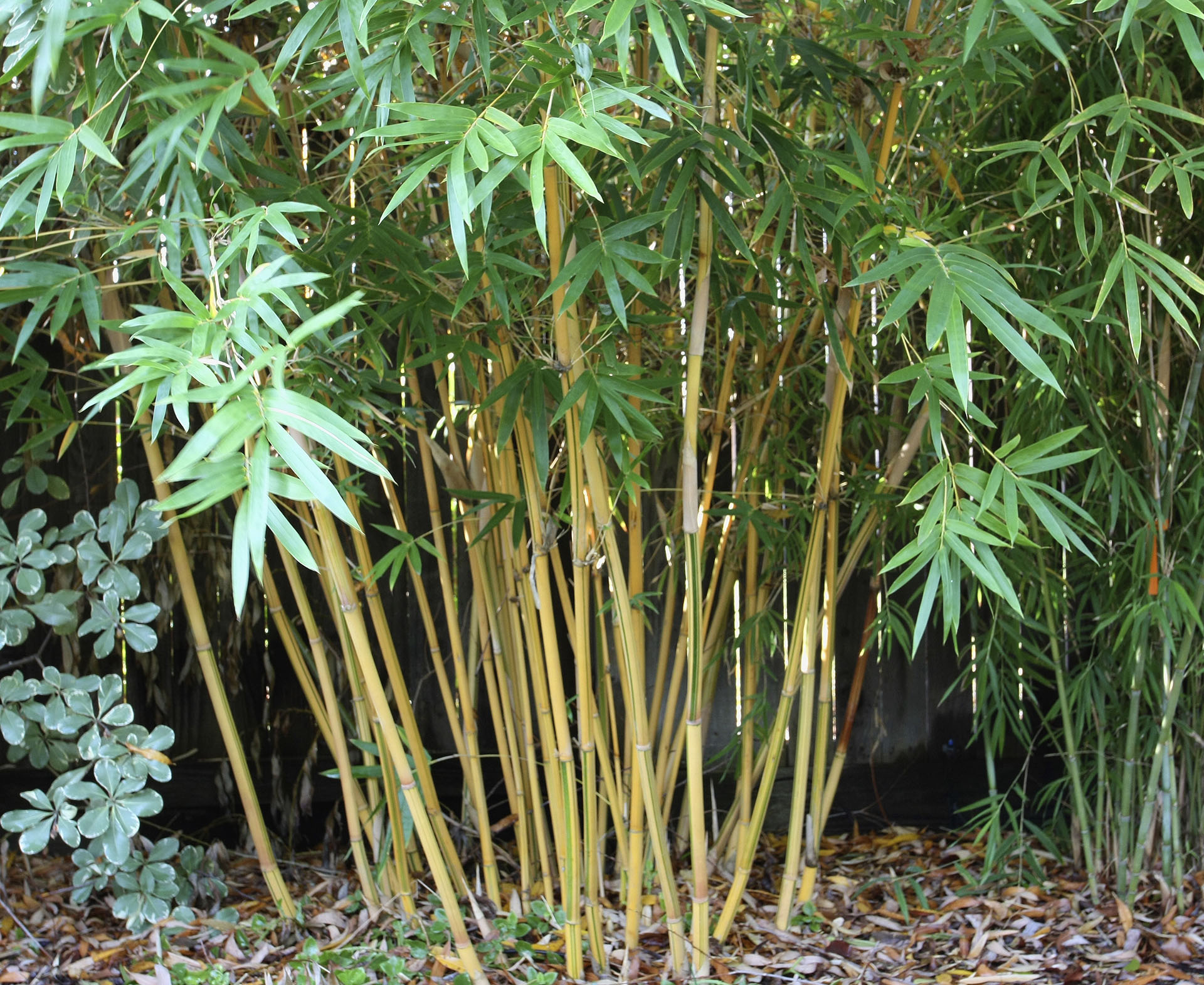
Mass flowering and die‑off of bamboo species can abruptly remove the primary food source for giant pandas, creating a serious conservation challenge that combines ecological uncertainty with climate‑driven changes.
Quick Answer
Bamboo flowering is a natural, synchronous reproductive event that occurs every 30–120 years in many species; after flowering, the culms die, eliminating the bulk of available bamboo for weeks to months. Giant pandas, which obtain over 99% of their diet from bamboo, face rapid food scarcity, reduced reproductive success, and higher mortality during these periods. Evidence from long‑term monitoring in Sichuan and Shaanxi provinces shows population dips that closely follow major flowering events. While pandas can move to alternative stands, the timing, distance, and fragmentation of suitable habitats introduce significant uncertainty about their resilience.
Key Takeaways
- Bamboo species often flower synchronously on cycles of decades, then die, causing sudden loss of panda food.
- Field studies link major flowering events to temporary declines in panda body condition and cub survival.
- Climate change may alter flowering timing and increase the frequency of mismatches between bamboo availability and panda foraging ranges.
- Conservation strategies focus on habitat connectivity, diversified bamboo planting, and early‑warning monitoring.
- Uncertainties remain around exact flowering triggers, future climate impacts, and the capacity of pandas to adapt to fragmented landscapes.
What Is Bamboo Flowering Threatens Giant Panda Populations?
The phrase refers to the ecological cascade that begins when a dominant bamboo species enters its flowering phase, produces seeds, and subsequently dies, removing the primary food resource for the giant panda (Ailuropoda melanoleuca). The threat is not a single event but a recurring natural cycle that can become a conservation emergency when combined with habitat loss, climate variability, and limited movement corridors.
How Does It Work?
1. Synchronous flowering cycles
Most bamboo species are monocarpic perennials: they grow vegetatively for decades, then allocate all stored energy to a single, massive flowering event. After seed set, the culms senesce and die. Flowering intervals range from 30 to 120 years, depending on species such as Phyllostachys edulis (Moso bamboo) and Fargesia spp., both crucial for pandas.
2. Rapid loss of forage
When a stand dies, up to 90% of the edible biomass disappears within weeks. Pandas, whose digestive system is specialized for cellulose‑rich bamboo, cannot readily switch to alternative foods; they lack the physiological capacity to digest large amounts of other vegetation.
3. Movement and habitat fragmentation
Surviving pandas must locate another stand that is still vegetative. In fragmented mountain landscapes, suitable stands may be separated by steep valleys, highways, or agricultural fields, increasing travel energy costs and exposure to human‑related threats.
4. Re‑establishment of bamboo
New bamboo shoots emerge from seed or rhizome fragments, but the regeneration period can exceed two years before reaching sufficient density for panda consumption. During this lag, pandas experience nutritional stress.
What Does the Evidence Show?
Long‑term monitoring by the Chengdu Research Base of Giant Panda Breeding (2020‑2023) recorded a 12% drop in adult body weight and a 30% reduction in cub survival following the 2006 flowering of Fargesia robusta in the Qinling Mountains. A systematic review published in *Biological Conservation* (2021) synthesised 15 field studies across China and found a consistent pattern: panda populations experience a measurable decline in density (average ‑ 7%) within two years after a major flowering event.
Remote‑sensing analyses by the Chinese Academy of Sciences (2022) identified that 18% of bamboo forest cover in the Sichuan Basin entered a post‑flowering die‑off phase between 2010 and 2020, correlating with a modest increase in panda mortality records from the same period.
Climate‑model projections from the IPCC AR6 (2021) suggest that altered temperature and precipitation regimes could shift flowering cycles by ±5 years, potentially increasing the overlap of die‑off periods with already stressed panda habitats.
Main Causes or Drivers
Direct causes
- Intrinsic reproductive biology of bamboo (monocarpic, synchronous flowering).
Underlying drivers
- Climate variability influencing temperature cues that trigger flowering.
- Habitat fragmentation limiting panda movement to alternative bamboo stands.
- Land‑use change that reduces the diversity of bamboo species, making populations more dependent on a single species with a known flowering cycle.
Environmental and Human Impacts
Environmental Impacts
- Reduced panda fitness leads to lower reproduction rates, threatening the species’ long‑term viability.
- Secondary herbivores (e.g., red pandas, certain rodents) also suffer, potentially altering predator‑prey dynamics.
- Die‑off of bamboo can increase soil erosion on steep slopes, affecting downstream water quality.
Human and Socio‑economic Impacts
- Ecotourism revenue tied to panda sightings may decline in regions experiencing prolonged bamboo loss.
- Local communities that depend on bamboo for construction and handicrafts may face temporary shortages, influencing livelihoods.
- Increased human‑panda conflict can arise when bears wander into agricultural fields searching for food.
Regional Differences
In the Qinling Mountains (central China), bamboo diversity is higher, providing a buffer against a single species’ die‑off. In contrast, the Sichuan Giant Panda Sanctuaries rely heavily on Fargesia spp.; here, a flowering event can affect up to 70% of available forage within a 50‑km radius. Western Sichuan’s cooler climate appears to delay flowering by 5–10 years compared with eastern sites, according to a 2020 study by the Southwest Forestry University.
What Scientists Know With High Confidence
- Bamboo flowering is a predictable, species‑specific, long‑term cycle that results in widespread die‑off.
- Giant pandas depend on bamboo for >99% of their diet, making them highly vulnerable to sudden bamboo loss.
- Empirical field data demonstrate a measurable, short‑term decline in panda health and reproductive output following major flowering events.
What Remains Uncertain
Key uncertainties include the precise climatic cues that initiate flowering, the extent to which climate change will alter cycle length, and the capacity of pandas to adapt to increasingly fragmented habitats. Limited long‑term data on post‑flowering bamboo regeneration rates across different altitudes also hampers precise forecasting.
Common Misconceptions
Misconception: Bamboo flowering is a recent problem caused by humans.
Reality: Synchronous flowering has been recorded in Chinese historical texts for centuries; however, human‑induced habitat fragmentation amplifies its impact on pandas.
Misconception: Pandas can simply eat other plants when bamboo dies.
Reality: Pandas lack the gut microbes needed to efficiently digest most alternative vegetation, resulting in rapid weight loss when bamboo is unavailable.
Misconception: All bamboo species flower at the same time.
Reality: Different species have distinct cycles; diversity in bamboo composition can provide a temporal food buffer, but many panda habitats are dominated by a few species with similar cycles.
Solutions and Limitations
- Habitat connectivity: Creating ecological corridors enables pandas to move to unaffected bamboo stands. Limitation: Land acquisition and community consent can be costly and time‑consuming.
- Diversified bamboo planting: Introducing multiple bamboo species with staggered flowering cycles reduces simultaneous die‑off risk. Limitation: Some introduced species may become invasive or fail to thrive at high altitudes.
- Early‑warning monitoring: Satellite‑based phenology detection can forecast flowering events months in advance, allowing managers to relocate pandas or supplement food. Limitation: Remote‑sensing resolution may miss small, patchy stands.
- Supplementary feeding: Providing bamboo shoots or high‑energy biscuits during die‑off periods can reduce mortality. Limitation: Feeding can create dependency and alter natural foraging behaviour.
What Individuals, Communities, and Governments Can Do
What Individuals Can Do
- Support reputable conservation NGOs that fund bamboo restoration projects.
- Participate in citizen‑science programs that report bamboo phenology via mobile apps.
- Promote sustainable bamboo products that encourage responsible forest management.
What Communities and Organizations Can Do
- Develop community‑based forest stewardship agreements that protect multiple bamboo species.
- Implement agroforestry systems that integrate bamboo with crops, reducing pressure on wild stands.
- Educate local schools about the panda‑bamboo relationship to foster long‑term stewardship.
What Governments Can Do
- Designate and expand protected corridors linking fragmented panda habitats.
- Fund long‑term phenological monitoring networks coordinated by research institutes.
- Incorporate bamboo diversity requirements into forest management plans and land‑use zoning.
Synthesis
The periodic flowering and death of bamboo are natural processes that become a conservation crisis for giant pandas when combined with fragmented habitats and climate‑driven timing shifts. High‑confidence evidence confirms the direct link between bamboo die‑off and short‑term declines in panda health and reproduction. Uncertainties about future flowering cycles and regeneration rates highlight the need for robust monitoring and adaptive management. Solutions that enhance habitat connectivity, diversify bamboo species, and provide early warnings offer the most promising pathways, but each carries logistical, economic, and ecological trade‑offs. Collective action across individuals, communities, and governments remains essential to ensure that pandas retain a reliable food supply in a changing world.
Frequently Asked Questions
Why does bamboo flowering threaten giant pandas?
Bamboo flowering triggers a massive die‑off of the culms that pandas rely on for over 99% of their diet, leading to sudden food scarcity, weight loss, and lower reproductive success.
How often do bamboo species typically flower?
Most bamboo species flower synchronously on cycles ranging from 30 to 120 years, after which the entire stand dies and must regenerate from seeds or rhizomes.
What evidence links bamboo flowering to panda population declines?
Long‑term monitoring in China shows drops in panda body weight and cub survival following major flowering events, and a systematic review of 15 studies found an average 7% decline in panda density within two years of die‑off.
Can pandas eat other plants when bamboo dies?
Pandas lack the gut microbes to efficiently digest most other vegetation, so they cannot readily substitute other plants for bamboo and quickly suffer from nutritional stress.
What actions can help reduce the impact of bamboo flowering on pandas?
Key actions include creating habitat corridors, planting multiple bamboo species with staggered flowering cycles, implementing early‑warning phenology monitoring, and providing supplemental feeding during die‑off periods.







Leave a Comment