
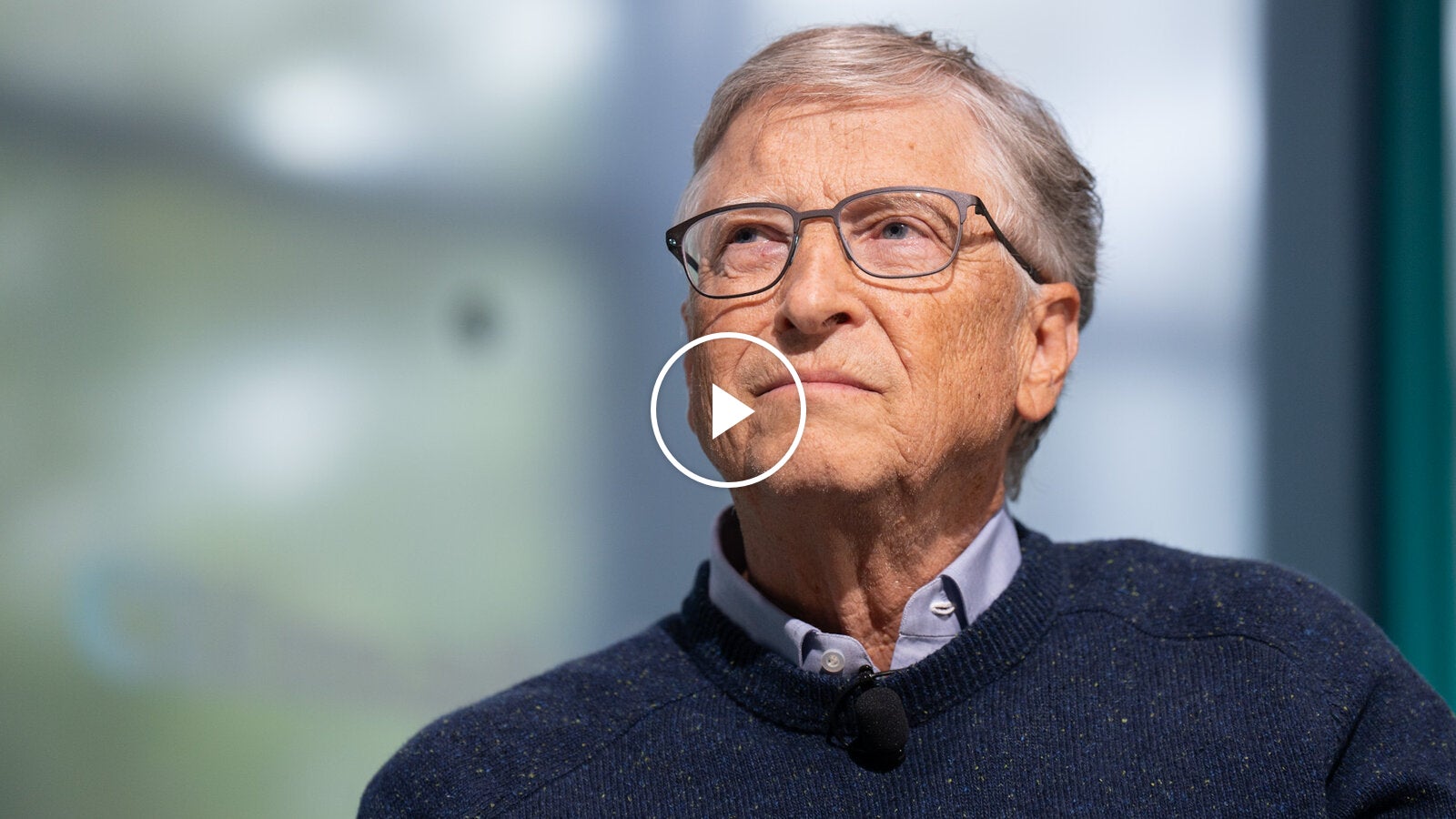
Bill Gates’ book *How to Avoid a Climate Disaster* outlines a technology‑focused roadmap to net‑zero emissions by 2050, while critics argue it underplays lifestyle changes, equity, and the readiness of proposed solutions.
Quick Answer
Bill Gates proposes that achieving net‑zero greenhouse‑gas emissions by 2050 is technically possible through a combination of clean electricity, low‑carbon transportation, sustainable agriculture, decarbonized industry, and energy‑efficient buildings. He emphasizes rapid deployment of proven renewables, expanded nuclear power, and emerging technologies such as carbon capture and advanced batteries. The scientific consensus affirms that these sectors account for over 80% of global emissions, but uncertainties remain about the speed of technology scale‑up, cost trajectories, and the social acceptance needed for widespread adoption.
Key Takeaways
- Net‑zero by 2050 requires deep cuts across electricity, transport, agriculture, industry, and buildings.
- Renewables, nuclear, and energy storage are central, but each faces distinct technical and policy barriers.
- Critics warn that overreliance on future tech may delay necessary demand‑side measures and equitable policies.
- Evidence from the Intergovernmental Panel on Climate Change (IPCC) and International Energy Agency (IEA) supports the emissions‑reduction potential of the sectors Gates highlights.
- Implementation success depends on coordinated government incentives, private‑sector innovation, and inclusive community engagement.
What Is Bill Gates’ Climate Change Book: Key Ideas and Criticisms?
Published in 2021, *How to Avoid a Climate Disaster* is a nonfiction work that synthesizes Gates’ engineering background with policy analysis to present a pragmatic, technology‑centric plan for mitigating climate change. The book delineates five emission‑intensive sectors—electricity, transportation, agriculture, industry, and buildings—and proposes specific innovations for each. It differs from broader climate manifestos by focusing on engineering solutions rather than behavioral or systemic critiques, and it has sparked debate over the balance between technological optimism and socio‑economic realism.
How Does It Work?
1. Decarbonizing Electricity
Gates argues that a fully renewable grid, supplemented by nuclear power and long‑duration storage, can replace fossil‑fuel generation. He recommends:
- Scaling solar and wind to meet at least 70% of global electricity demand by 2040 (IEA, 2022).
- Deploying advanced battery chemistries and pumped‑hydro storage to smooth intermittency.
- Expanding next‑generation nuclear (small modular reactors) to provide baseload power with lower capital risk.
2. Low‑Carbon Transportation
The transition hinges on electrifying passenger vehicles, increasing fuel‑cell adoption for heavy trucks, and improving public‑transit efficiency. Gates highlights the need for:
- Nationwide fast‑charging networks to reduce range anxiety.
- Government subsidies for battery research that lower reliance on scarce minerals.
- Policy frameworks that internalize vehicle‑operating emissions.
3. Sustainable Agriculture
Innovation in crop genetics, precision farming, and alternative proteins can cut emissions from fertilizer use, methane, and land‑use change. Gates supports:
- Genetically engineered crops that require less nitrogen.
- Methane‑reducing feed additives for ruminants.
- Soil‑carbon sequestration practices validated by field trials.
4. Decarbonizing Heavy Industry
Steel, cement, and chemicals are responsible for roughly 30% of industrial CO₂. Gates proposes:
- Carbon capture, utilization, and storage (CCUS) combined with hydrogen‑based reduction for steel.
- Low‑carbon cement formulations that replace a portion of clinker with industrial by‑products.
- Electrification of heat processes where feasible.
5. Energy‑Efficient Buildings
Improving insulation, adopting heat‑pump heating, and integrating smart‑grid controls can reduce building energy use by up to 40% (IEA, 2021). Gates calls for building codes that mandate passive‑house standards for new construction and retrofits for existing stock.
What Does the Evidence Show?
Multiple independent assessments confirm that the five sectors identified by Gates dominate global emissions. The IPCC Sixth Assessment Report (2021) attributes 73% of CO₂ emissions to electricity, industry, and transport, with agriculture adding another 12%. Scenario modelling by the IEA’s Net‑Zero Emissions by 2050 (NZE) pathway shows that achieving net‑zero requires:
- Renewables supplying 70‑80% of electricity by 2040.
- Electric vehicles representing 60% of new car sales by 2035.
- CCUS capacity of 7 GtCO₂ per year by 2050, roughly five times current levels.
These lines of evidence are strong (multiple peer‑reviewed studies, long‑term monitoring, and expert consensus). However, the timing and cost of large‑scale CCUS and next‑generation nuclear remain moderate to uncertain, reflecting limited commercial deployment.
Main Causes or Drivers
Direct Causes
- Combustion of coal, oil, and natural gas for electricity and heat.
- Transportation fuels (petroleum‑based gasoline and diesel).
- Process emissions from cement calcination and steelmaking.
- Enteric fermentation and manure management in livestock.
Underlying Drivers
- Economic growth that increases energy demand.
- Urbanisation patterns that favour car‑centric infrastructure.
- Policy environments that subsidise fossil fuels.
- Technological lock‑in to high‑carbon equipment.
Environmental and Human Impacts
Environmental Impacts
Elevated CO₂ concentrations intensify the greenhouse effect, leading to global temperature rise, sea‑level rise, and increased frequency of extreme weather events (IPCC, 2021). Sector‑specific impacts include:
- Air‑quality degradation from power‑plant emissions, contributing to premature mortality.
- Loss of biodiversity from land‑use change driven by agriculture.
- Ocean acidification linked to CO₂ absorption, threatening coral reefs and shellfish.
Human Health and Social Impacts
Heatwaves exacerbate cardiovascular stress, especially among the elderly. Climate‑related food insecurity can affect low‑income regions disproportionately, as highlighted by FAO assessments of climate‑vulnerable agriculture.
Economic and Infrastructure Impacts
Climate‑related damages to infrastructure (e.g., flood‑damaged roads) cost the global economy an estimated $2.5 trillion annually (World Bank, 2022). Transitioning to low‑carbon technologies also creates new jobs in renewable manufacturing, while potentially displacing workers in fossil‑fuel sectors.
Regional Differences
Emission profiles vary widely:
- North America and Europe rely heavily on electricity and transport, making renewable grid upgrades and EV adoption central.
- China’s emissions are dominated by steel and cement, highlighting the importance of CCUS and low‑carbon material cycles.
- Sub‑Saharan Africa’s emissions are lower in absolute terms but are increasingly driven by agricultural expansion, emphasizing sustainable land‑use practices.
Policy capacity and financing also differ; high‑income nations can fund large‑scale nuclear projects, whereas low‑income regions may benefit more immediately from decentralized solar solutions.
What Scientists Know With High Confidence
- Human activities are the dominant cause of observed warming since the mid‑20th century (IPCC, 2021).
- Electricity, industry, and transport together account for the majority of global CO₂ emissions.
- Renewable electricity generation has become cost‑competitive with new fossil‑fuel plants in most regions.
- Without rapid emissions reductions, the world is likely to exceed 1.5 °C of warming, increasing climate‑related risks.
What Remains Uncertain
Key knowledge gaps include the commercial viability of large‑scale carbon capture, the long‑term durability of next‑generation nuclear reactors, and the social acceptance of widespread land‑use changes for bioenergy. Uncertainty also surrounds the speed at which battery supply chains can be decarbonised and the effectiveness of policy instruments in low‑income contexts. These uncertainties affect cost projections but do not overturn the overall conclusion that deep decarbonisation is technically feasible.
Common Misconceptions
Misconception: “Renewables alone can solve the climate crisis instantly.”
Reality: While renewables are essential, the transition requires complementary technologies (e.g., storage, nuclear, CCUS) and systemic changes in demand, policy, and behavior.
Misconception: “Bill Gates believes technology will replace all lifestyle changes.”
Reality: Gates acknowledges the need for reduced consumption and efficiency, but his emphasis is on making low‑carbon options widely available, not on eliminating all personal behavior shifts.
Misconception: “Carbon capture is a proven, cheap solution ready for mass deployment.”
Reality: CCUS has demonstrated pilot‑scale success, yet commercial-scale projects remain costly and limited; scaling will require substantial policy support and cost reductions.
Solutions and Limitations
Gates’ roadmap groups solutions into mitigation (energy transition, industrial decarbonisation), adaptation (resilient infrastructure), and research‑driven innovation. Each carries trade‑offs:
- Renewables: Low emissions and falling costs, but intermittency demands storage and grid upgrades.
- Nuclear: Provides reliable baseload, yet faces high capital costs, waste management concerns, and public opposition.
- CCUS: Can address hard‑to‑abate sectors, but energy‑intensive and currently expensive.
- GMOs in agriculture: Potentially reduce fertilizer use, yet raise concerns about corporate control and biodiversity.
- Passive‑house building standards: Dramatically cut energy use, but may be financially out of reach for low‑income households without subsidies.
What Individuals, Communities, and Governments Can Do
What Individuals Can Do
- Choose high‑efficiency appliances and improve home insulation where possible.
- Support policies that fund renewable infrastructure through voting or advocacy.
- Adopt low‑carbon travel options (public transit, cycling) and consider EVs when feasible.
What Communities and Organizations Can Do
- Implement district‑level solar or wind projects to lower collective electricity costs.
- Develop local climate‑resilience plans that incorporate green infrastructure.
- Partner with research institutions to pilot sustainable farming or carbon‑capture pilots.
What Governments Can Do
- Set clear, long‑term net‑zero targets and align subsidy structures to favor low‑carbon technologies.
- Fund R&D for next‑generation nuclear, battery chemistries, and CCUS.
- Enforce building codes that require energy‑efficient standards for new construction.
- Provide just‑transition programs for workers displaced from fossil‑fuel industries.
What Businesses and Industries Can Do
- Invest in renewable power purchase agreements to decarbonise operations.
- Adopt circular‑economy practices that reduce material waste and emissions.
- Report emissions transparently and set science‑based targets.
Closing Synthesis
Bill Gates’ *How to Avoid a Climate Disaster* offers a detailed, technology‑centered blueprint for reaching net‑zero emissions by 2050. Scientific assessments confirm that the sectors he highlights dominate global emissions and that many of the proposed solutions are already demonstrably effective. Yet the speed of deployment, economic affordability, and equitable access remain uncertain, especially for emerging technologies like CCUS and advanced nuclear. Balancing Gates’ optimism with critical attention to policy design, social equity, and complementary demand‑side measures will be essential for turning the book’s vision into a sustainable reality.
Frequently Asked Questions
What is the main premise of Bill Gates' climate change book?
The book argues that achieving net‑zero greenhouse‑gas emissions by 2050 is technically feasible through a combination of clean electricity, low‑carbon transport, sustainable agriculture, decarbonized industry, and energy‑efficient buildings.
Which five sectors does Gates identify as responsible for most global emissions?
Gates highlights electricity, transportation, agriculture, industry, and buildings, which together account for more than 80% of worldwide greenhouse‑gas emissions.
What are the biggest uncertainties surrounding Gates' proposed solutions?
Key uncertainties include the commercial scale‑up of carbon capture, the cost and public acceptance of next‑generation nuclear, battery supply‑chain sustainability, and the speed of policy implementation in different regions.
How do critics view Gates' emphasis on technology?
Critics argue that focusing heavily on future technologies may delay needed lifestyle changes, overlook equity concerns, and rely on solutions that are not yet proven at large scale.
What actions can governments take to support the book's roadmap?
Governments can set long‑term net‑zero targets, realign subsidies toward renewables and low‑carbon tech, fund R&D for nuclear and CCUS, enforce energy‑efficient building codes, and create just‑transition programs for affected workers.








Leave a Comment