
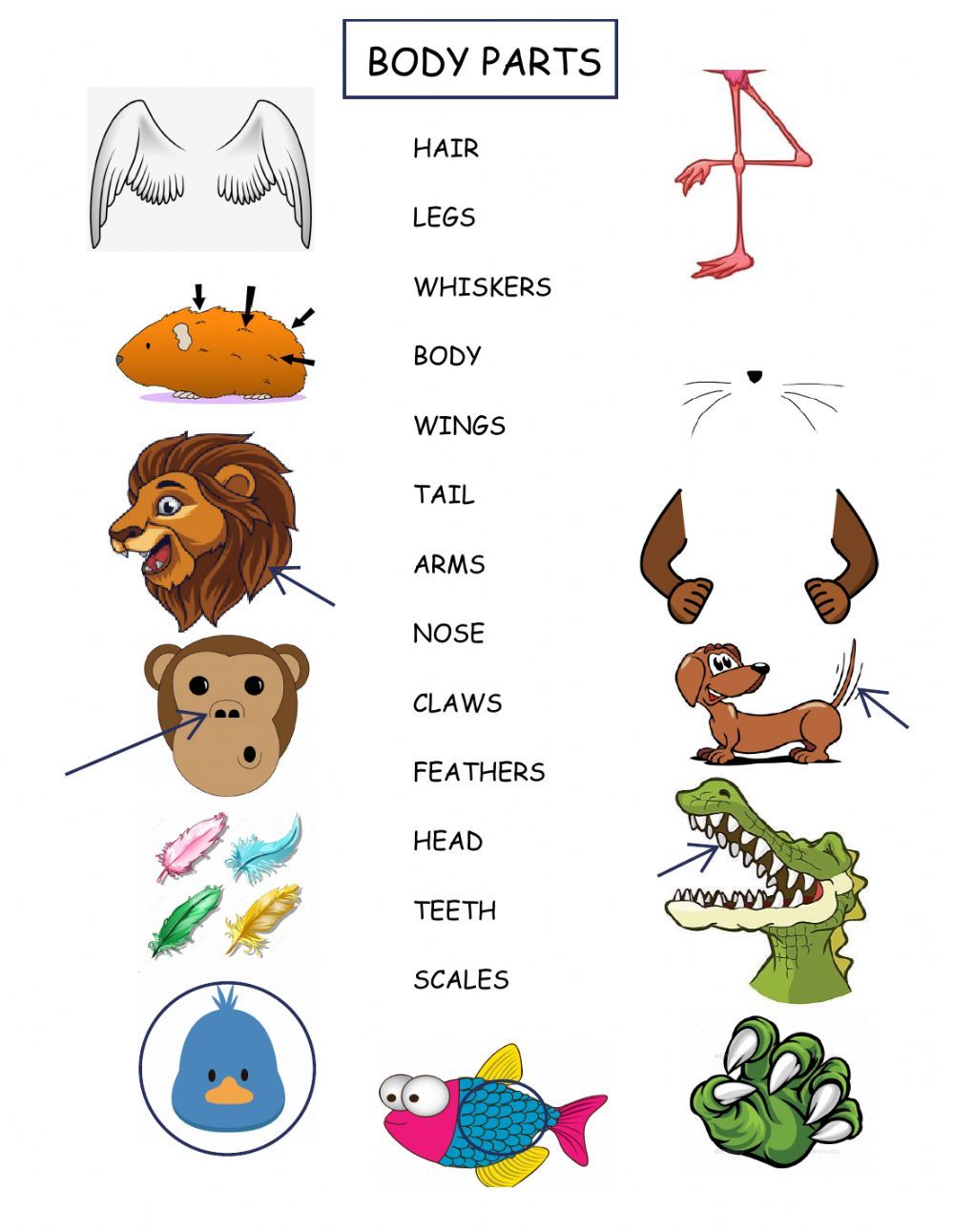
The trade in animal body parts removes wild individuals for ivory, horn, bone, scales and other products, driving poaching, ecosystem disruption and organized crime worldwide.
\n
Quick Answer
\n
The trade in animal body parts is an illicit market that extracts, transports, sells and consumes tissues, teeth, horns, skins and derivatives of wild species. Poachers kill animals to obtain high‑value parts, which are moved through informal routes to consumer markets, mainly in Asia and increasingly via online platforms. Strong evidence from CITES monitoring, IUCN assessments and peer‑reviewed studies links this trade to steep declines in elephants, rhinos, tigers and pangolins, and to cascading ecological impacts. While the exact global revenue is uncertain, the World Wildlife Fund estimates illegal wildlife trade generates $7–10 billion annually, indicating a powerful economic driver.
\n
\n
Key Takeaways
\n
- \n
- Illegal demand for ivory, rhino horn, tiger bone and pangolin scales fuels poaching of threatened species.
- Removal of keystone animals such as elephants and tigers triggers cascading effects on vegetation, fire regimes and prey populations.
- Wildlife part trafficking is linked to organized crime and can fund armed groups in several regions.
- High‑confidence evidence shows population declines of more than 30 % for many listed species directly attributable to the trade.
- Effective responses require coordinated law enforcement, community livelihoods, demand‑reduction campaigns and regulated alternatives.
\n
\n
\n
\n
\n
\n
\n
What Is The Trade in Animal Body Parts: A Hidden Threat to Earth’s Biodiversity?
\n
The wildlife part trade comprises the extraction, transport, sale and consumption of animal tissues, teeth, horns, skins, feathers and derived products such as traditional medicines. It includes both illegal activities that breach the Convention on International Trade in Endangered Species of Wild Fauna and Flora (CITES) and legally sanctioned but unsustainable harvests. The market ranges from iconic items like African elephant ivory and Asian rhino horn to less visible commodities such as pangolin scales and shark fins. Unlike broader wildlife trafficking that often moves live animals, this trade removes individuals directly from wild populations, causing immediate loss of breeding adults and genetic diversity.
\n
How Does It Work?
\n
Supply‑Chain Steps
\n
- \n
- Extraction: Poachers use firearms, snares or traps to kill target species and harvest the desired part.
- Processing: Parts are cleaned, cut, carved, powdered or otherwise transformed into ornaments, medicines or curios.
- Transport: Products travel through informal routes—hidden compartments, fraudulent customs paperwork or couriers—often crossing several borders.
- Distribution: Middlemen sell to markets in East and South‑East Asia, the Middle East and increasingly on Western e‑commerce platforms.
- Consumption: End‑users purchase items for status symbols, perceived health benefits or decorative purposes.
\n
\n
\n
\n
\n
\n
Feedback Loops
\n
High market prices increase the profit incentive for poaching, attracting armed groups that protect smuggling routes. As animal numbers decline, the risk of detection for remaining poachers may fall, reinforcing a self‑sustaining cycle of extraction.
\n
What Does the Evidence Show?
\n
Long‑term monitoring by the IUCN Red List indicates that African elephant numbers fell by roughly 30 % across their range between 2000 and 2020, a decline strongly linked to ivory poaching (IUCN, 2021). A systematic review of tiger trade data (WWF, 2022) found that over 80 % of confiscated tiger parts originated from illegal hunting driven by demand for traditional medicine. UNEP (2020) estimates that more than one million pangolins have been removed from wild populations in the past decade, making the species the most heavily trafficked mammal globally. CITES seizure reports show a steady annual increase in illegal animal part seizures since 2015, suggesting expanding market activity.
\n
Main Causes or Drivers
\n
Direct Causes
\n
- \n
- High consumer demand for status symbols (ivory, rhino horn) and perceived medicinal benefits (pangolin scales, tiger bone).
- Weak law enforcement, corruption at borders and limited forensic capacity.
\n
\n
\n
Underlying Drivers
\n
- \n
- Poverty and lack of alternative livelihoods in rural communities adjacent to protected areas.
- Organised crime networks that diversify income through wildlife products.
- Cultural traditions that value animal parts as symbols of wealth, health or spiritual power.
\n
\n
\n
\n
Environmental and Human Impacts
\n
Environmental Impacts
\n
Removal of keystone species alters trophic cascades. Elephant loss reduces seed dispersal and increases woody vegetation, which can suppress grassland habitats and change fire regimes (Ecological Applications, 2019). Rhino poaching lowers grazing pressure, shifting plant community composition. The decline of apex predators such as tigers leads to mesopredator release, increasing herbivore browsing and altering forest regeneration patterns.
\n
Human Health and Social Impacts
\n
Some animal parts—particularly pangolin scales—are used in unregulated traditional medicines, creating potential zoonotic disease pathways. Wildlife crime also finances armed groups, contributing to insecurity in regions such as Central Africa and the Sahel. Communities that depend on tourism suffer income loss when flagship species disappear, reducing economic incentives for conservation.
\n
Regional Differences
\n
In sub‑Saharan Africa, illegal ivory and rhino horn dominate the market, often linked to transnational poaching syndicates. In South‑East Asia, pangolin scales and tiger parts are the primary commodities, driven by demand in China and Vietnam’s traditional‑medicine markets. Latin America sees smaller‑scale trade in jaguar skins and macaw feathers, reflecting localized cultural uses. Monitoring capacity varies: African Range States report higher confiscation rates due to improved patrols, whereas many Asian nations lack comprehensive trade data, creating gaps in global assessments.
\n
What Scientists Know With High Confidence
\n
- \n
- Poaching for high‑value parts is the leading cause of recent population declines in elephants, rhinos, tigers and pangolins.
- Removal of keystone species alters ecosystem structure, influencing vegetation dynamics, fire regimes and predator–prey relationships.
- Wildlife part trade is financially linked to organized crime and can fund armed conflict.
- International trade controls under CITES have reduced legal trade volumes but have not eliminated illegal markets.
\n
\n
\n
\n
\n
\n
What Remains Uncertain
\n
Accurate global valuation of the illegal wildlife‑part market remains uncertain because much activity is hidden and reporting standards differ across countries. The relative contribution of domestic versus international demand for specific parts is poorly quantified, limiting the precision of demand‑reduction campaigns. Long‑term ecological consequences of simultaneous removal of multiple keystone species are not fully understood, requiring ecosystem‑level monitoring and modelling.
\n
\n
Common Misconceptions
\n
Misconception: All wildlife products are sourced legally
\n
Reality: The majority of high‑value parts—especially ivory, rhino horn and tiger bone—enter markets through illegal poaching, as documented by CITES enforcement reports (2022).
\n
Misconception: Reducing demand alone will stop poaching
\n
Reality: While demand reduction is essential, without strong law enforcement and viable livelihood alternatives, poachers may continue because of the high profitability of the trade.
\n
Misconception: Synthetic alternatives are always safe and acceptable
\n
Reality: Some synthetic substitutes lack consumer acceptance or are marketed as “real” parts, inadvertently sustaining demand; rigorous certification and consumer education are required.
\n
\n
Solutions and Limitations
\n
Effective responses combine several strategies, each with strengths and constraints.
\n
- \n
- Enhanced Enforcement: Anti‑poaching patrols, forensic DNA tools and cross‑border intelligence sharing can increase detection, but they require sustained funding, political will and trained personnel.
- Community‑Based Conservation: Providing alternative income—such as eco‑tourism, sustainable agriculture or beekeeping—reduces reliance on poaching; however, benefits may be uneven and need long‑term support.
- Demand‑Reduction Campaigns: Targeted education in consumer countries has lowered ivory demand in some markets, yet deep‑rooted cultural values around certain parts limit rapid change.
- Legal Trade Controls: Strengthening CITES listings and national legislation curtails legal loopholes, but enforcement gaps can be exploited.
- Synthetic and Certified Alternatives: Lab‑grown ivory or horn replicas can satisfy niche markets, but scaling production and building consumer trust remain challenges.
\n
\n
\n
\n
\n
\n
What Individuals, Communities, and Governments Can Do
\n
What Individuals Can Do
\n
- \n
- Avoid purchasing products made from endangered species and verify provenance through reputable retailers.
- Support NGOs that fund anti‑poaching patrols and community‑livelihood projects.
- Share accurate information about the impacts of wildlife part trade on social media.
\n
\n
\n
\n
What Communities and Organizations Can Do
\n
- \n
- Develop community‑managed wildlife monitoring programs that incorporate local knowledge.
- Promote sustainable tourism that directly benefits wildlife protection.
- Partner with law‑enforcement agencies to report suspicious activity.
\n
\n
\n
\n
What Governments Can Do
\n
- \n
- Allocate resources for modern forensic labs to identify seized parts.
- Implement stricter penalties for wildlife trafficking and related corruption.
- Invest in culturally resonant education campaigns in major consumer markets.
- Facilitate regional cooperation agreements for joint patrols and data sharing.
\n
\n
\n
\n
\n
Closing Synthesis
\n
The trade in animal body parts is a well‑documented driver of biodiversity loss, ecosystem disruption and socio‑economic instability. High‑confidence evidence links poaching for ivory, rhino horn, tiger parts and pangolin scales to steep population declines and cascading ecological effects. Although uncertainties remain about the precise market size and some long‑term ecosystem outcomes, coordinated action—combining stronger enforcement, viable community alternatives and targeted demand reduction—offers the most realistic path to curbing this hidden threat and safeguarding Earth’s intricate web of life.
Frequently Asked Questions
What does the term “trade in animal body parts” refer to?
It refers to the illegal extraction, transport, sale and consumption of tissues, teeth, horns, skins and derivatives of wild species, such as ivory, rhino horn, tiger bone and pangolin scales.
How does the trade affect elephant populations?
Elephant numbers have declined by about 30 % across their range between 2000 and 2020, a reduction strongly linked to ivory poaching, which removes breeding adults and reduces genetic diversity.
Which regions generate the highest demand for wildlife parts?
Demand is highest in East and South‑East Asia, especially China and Vietnam, where ivory, rhino horn, tiger parts and pangolin scales are used for status symbols, traditional medicine and decorative purposes.
Why is it difficult to estimate the global value of the illegal wildlife‑part market?
Much of the activity is hidden, reporting standards differ across countries, and both domestic and international demand are poorly quantified, making precise economic valuation uncertain.
What practical steps can individuals take to help stop the trade?
Individuals can avoid buying products made from endangered species, verify provenance, support anti‑poaching NGOs, and share accurate information about the trade’s impacts on social media.









Leave a Comment