
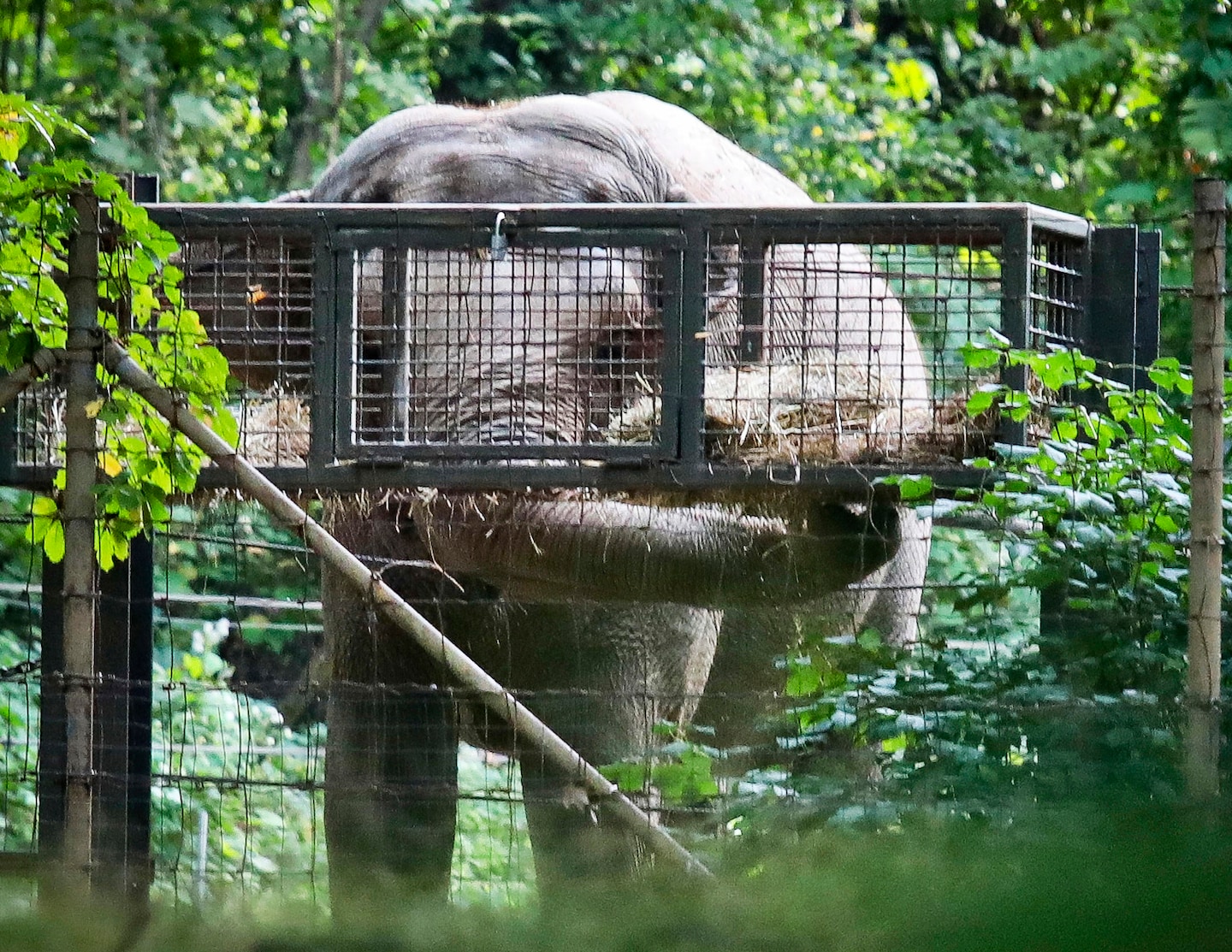
The legal fight to free Happy the Asian elephant from the Bronx Zoo highlights scientific concerns about captivity, the push for animal personhood, and broader environmental and ethical implications.
Quick Answer
Happy, an Asian elephant held at the Bronx Zoo for over 40 years, is the subject of a lawsuit that asks New York’s highest court to recognize her right to bodily liberty based on her status as a sentient, highly intelligent being. The case hinges on scientific evidence that long‑term captivity harms elephants’ physical health and mental wellbeing, and on legal arguments that certain non‑human animals should be afforded limited personhood rights. While the outcome is uncertain, a ruling in Happy’s favor could set a precedent for future animal‑rights litigation.
Key Takeaways
- Elephants are socially complex, long‑lived mammals whose welfare is compromised by confinement in typical zoo enclosures.
- Scientific studies link captive environments to physical ailments (e.g., foot problems, obesity) and behavioural signs of stress such as stereotypies.
- The lawsuit seeks legal personhood, arguing that certain animals possess intrinsic rights to freedom and bodily integrity.
- A favorable ruling could reshape U.S. wildlife law, influencing zoo standards, sanctuary development, and future litigation.
- Solutions involve improving enclosure design, expanding accredited sanctuaries, and revising legal frameworks to reflect animal cognition.
What Is The Case to Free Happy the Elephant Heads to New York’s Highest Court?
The case is a civil lawsuit filed by animal‑rights organization Animal Defenders International on behalf of Happy, an Asian elephant born in 1973 and residing at the Bronx Zoo. Plaintiffs argue that New York’s Constitution guarantees every sentient being a right to bodily liberty, and that Happy’s confinement violates that right. The legal question is whether an elephant can be recognized as a “person” for purposes of constitutional protection, a concept known as legal personhood.
How Does It Work?
Legal Process
- Filing – The suit was filed in New York state court, asserting constitutional claims.
- Lower‑court rulings – Initial decisions dismissed the case on procedural grounds.
- Appeal – Plaintiffs appealed, and the appellate court remanded for further consideration of the personhood argument.
- Supreme Court review – The highest court now decides whether to hear the appeal and, if so, how to interpret sentient‑being rights.
Scientific Evidence Supporting the Claim
Researchers have documented that captive elephants often develop chronic foot disease, obesity, and reduced life expectancy compared with wild counterparts (World Elephant Census, 2016). Behavioural studies show increased occurrence of repetitive swaying, head‑bobbing, and self‑injury—behaviours interpreted as stress responses (Journal of Applied Animal Welfare Science, 2020). These findings underpin the argument that confinement deprives elephants of essential physical and social needs.
What Does the Evidence Show?
Multiple lines of evidence converge on the conclusion that long‑term captivity is detrimental to elephant welfare. Longitudinal health monitoring by the Association of Zoos and Aquariums (AZA) indicates a 30 % higher incidence of foot disorders in zoo‑held Asian elephants than in wild populations (AZA Health Survey, 2018). Field observations of wild Asian elephants in India and Thailand reveal extensive daily ranging (up to 50 km) and complex matriarchal societies, conditions that cannot be replicated in typical zoo enclosures (IUCN Asian Elephant Specialist Group, 2021). Meta‑analyses of behavioural data confirm that stereotypic behaviours correlate strongly with reduced space and social isolation (Animal Welfare, 2019).
Main Causes or Drivers
Direct Causes
- Limited physical space that prevents natural foraging and walking distances.
- Social isolation or small group sizes that disrupt matriarchal structures.
- Hard substrate flooring that damages foot pads.
Underlying Drivers
- Historical zoo design prioritising visitor viewing over animal welfare.
- Economic incentives to display charismatic megafauna for attendance revenue.
- Lack of enforceable federal standards specifically addressing large‑mammal cognition.
Environmental and Human Impacts
Environmental Impacts
Captive elephants require substantial resource inputs—water, feed, and energy—contributing to a larger ecological footprint per animal compared with wild populations that obtain food directly from ecosystems. Moreover, zoos often import hay and grain from distant farms, generating transportation‑related emissions. While zoos claim conservation value, the net environmental benefit is debated when animal welfare costs are considered.
Human Health and Social Impacts
Public exposure to suffering animals can erode trust in institutions that claim to protect wildlife, potentially reducing support for genuine conservation programs. Conversely, high‑profile cases like Happy’s raise awareness of animal cognition, fostering empathy and encouraging more ethical consumer choices (e.g., supporting sanctuaries over traditional zoos).
Regional Differences
Zoo standards vary worldwide. In the United States, the AZA accredits facilities based on animal‑care criteria, yet critics argue these standards fall short of the needs of large, socially complex mammals. European zoos, guided by the European Association of Zoos and Aquaria (EAZA), often provide larger outdoor ranges and herd‑based social groups, though challenges remain. In contrast, many Asian zoos still lack basic enrichment protocols, highlighting a global gradient of welfare implementation.
What Scientists Know With High Confidence
- Elephants possess advanced cognitive abilities, including self‑recognition, problem‑solving, and long‑term memory.
- Captive environments that restrict movement and social interaction are associated with higher rates of physical disease and stereotypic behaviour.
- Legal personhood for non‑human animals is recognized in a limited number of jurisdictions (e.g., New Zealand’s recognition of whales as sentient beings).
- Wild Asian elephant populations are declining, with the IUCN listing the species as Endangered due to habitat loss and poaching.
What Remains Uncertain
Key uncertainties include the extent to which legal personhood would affect day‑to‑day zoo management, the long‑term health outcomes for elephants transferred from zoos to sanctuaries, and the economic feasibility of retrofitting existing facilities to meet optimal welfare standards. Additionally, the legal definition of “sentient being” remains contested, and future case law will shape its practical application.
Common Misconceptions
Misconception: Zoos always provide the best care for endangered animals.
Reality: While many zoos contribute to breeding programs, the majority of captive elephants experience health and behavioural issues that exceed those observed in wild populations.
Misconception: Legal personhood would give animals voting rights.
Reality: Legal personhood in animal‑rights cases typically confers specific protections (e.g., freedom from unlawful confinement) without extending political rights.
Misconception: All captive elephants suffer equally.
Reality: Welfare outcomes vary widely based on enclosure size, social structure, enrichment, and veterinary care; some accredited facilities have made measurable improvements.
Solutions and Limitations
Potential solutions fall into several categories:
- Sanctuary relocation: Moving elephants to large, naturalistic sanctuaries can improve health, but limited sanctuary capacity and high transport costs restrict scalability.
- Enclosure redesign: Expanding indoor/outdoor space, providing soft substrate, and facilitating herd dynamics address key stressors, yet retrofitting older zoos is capital‑intensive.
- Legal reform: Enacting statutes that recognize sentient‑being rights could create enforceable standards, but political resistance and legal complexity pose barriers.
- Public education: Shifting visitor expectations toward welfare‑focused experiences can drive market pressure, though changing deep‑seated entertainment preferences takes time.
What Individuals, Communities, and Governments Can Do
What Individuals Can Do
- Support accredited sanctuaries and reputable conservation NGOs through donations or volunteering.
- Choose zoo visits that demonstrate transparent, science‑based welfare practices, and provide feedback to management.
- Advocate for legislation that strengthens animal‑welfare standards by contacting elected representatives.
What Communities and Organizations Can Do
- Develop community‑based education programs that highlight elephant cognition and the impacts of captivity.
- Partner with local universities to monitor zoo animal health and publish findings publicly.
- Encourage schools to incorporate animal‑rights discussions into curricula, fostering early empathy.
What Governments Can Do
- Update state animal‑welfare codes to reflect current scientific understanding of elephant needs.
- Allocate funding for the creation or expansion of regional elephant sanctuaries.
- Require independent, peer‑reviewed welfare audits for all facilities housing large mammals.
Closing Synthesis
The lawsuit to free Happy the elephant crystallises a broader ethical and scientific debate: whether societies should recognize the intrinsic rights of highly sentient, socially complex animals. Robust evidence shows that traditional captivity harms elephant health and behaviour, while legal personhood offers a potential pathway to enforce higher welfare standards. Uncertainties remain around implementation costs, legal definitions, and long‑term outcomes for relocated elephants. Nonetheless, incremental steps—improved enclosure design, sanctuary development, and policy reform—provide a realistic roadmap toward better treatment of elephants and, by extension, other captive wildlife.
Frequently Asked Questions
What is the legal case seeking to free Happy the elephant about?
The case is a civil lawsuit that asks New York’s highest court to recognize Happy, an Asian elephant at the Bronx Zoo, as a sentient being with a constitutional right to bodily liberty, challenging her long‑term confinement.
How does elephant captivity affect their physical and mental health?
Captivity often leads to chronic foot disease, obesity, and reduced life expectancy, while also causing stereotypic behaviours such as swaying and head‑bobbing, which are interpreted as signs of stress and unmet social needs.
What scientific evidence supports the claim that captivity harms elephants?
Studies show a 30 % higher incidence of foot disorders in zoo‑held Asian elephants than in wild populations, and meta‑analyses link limited space and social isolation to increased stereotypic behaviour, indicating compromised welfare.
What are the main arguments for granting legal personhood to animals like Happy?
Proponents argue that animals with advanced cognition and self‑awareness possess intrinsic rights to freedom and bodily integrity, and that legal personhood would provide enforceable protections against unlawful confinement.
What actions can the public take to support better elephant welfare?
People can donate to accredited sanctuaries, choose zoo visits that meet high welfare standards, advocate for stronger animal‑welfare legislation, and educate others about elephant cognition and the impacts of captivity.








Leave a Comment