
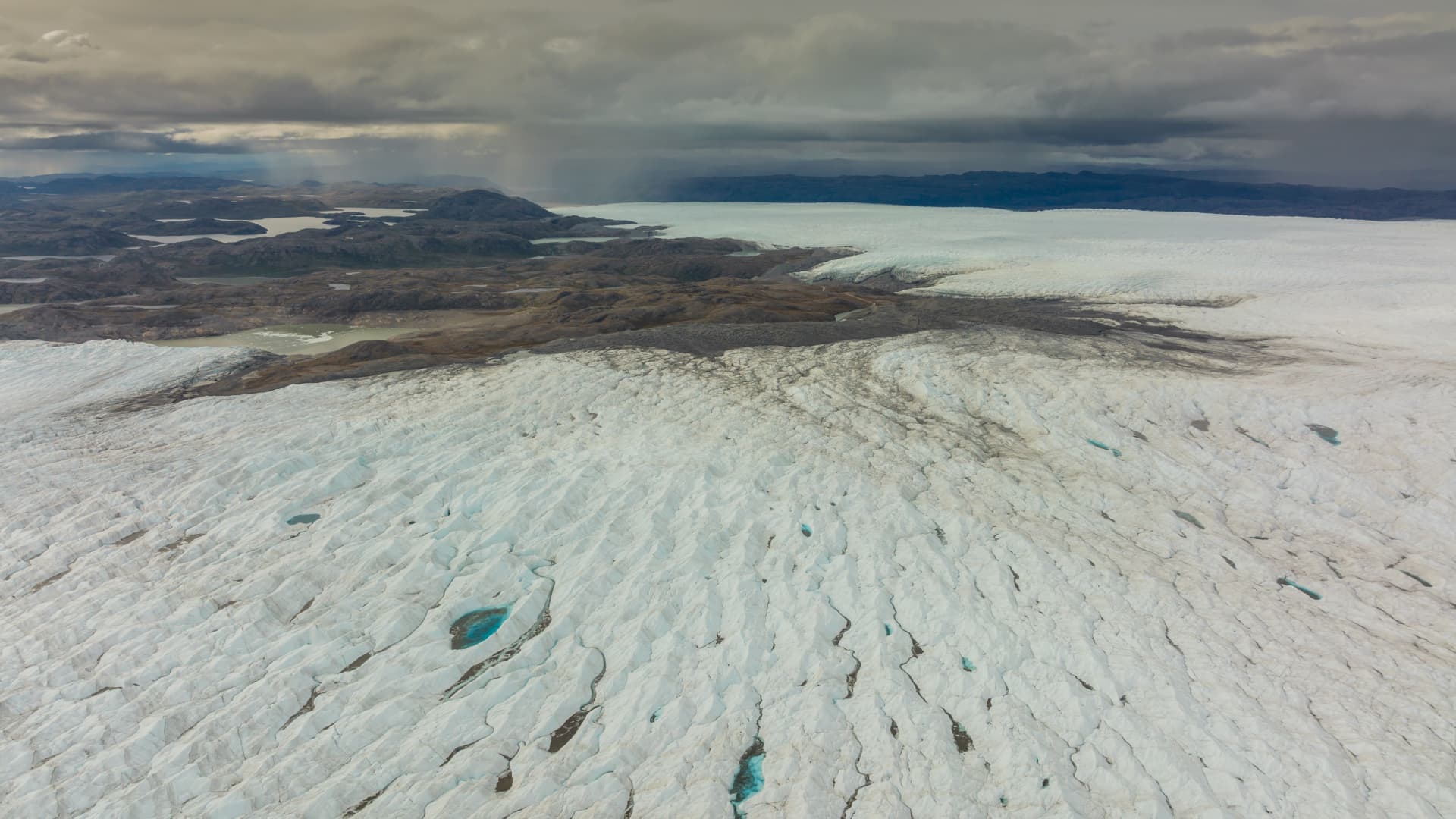
Glacier retreat around the Greenland Ice Sheet is the accelerating loss of ice due to surface melting and ocean‑driven thinning, driven by human‑induced warming, and it threatens sea‑level rise and Arctic ecosystems.
Quick Answer
Glacier retreat in Greenland describes the net loss of ice from the sheet’s outlet glaciers and peripheral ice caps, caused primarily by rising air temperatures that increase surface melt and by warmer ocean waters that erode glacier fronts from below. Multiple lines of observation—including satellite altimetry, airborne laser surveys, and in‑situ measurements—show that the ice sheet is losing mass at a rate of about 270 Gt yr⁻¹ between 2003 and 2020 (IPCC AR6, 2021). This loss contributes roughly 0.8 mm yr⁻¹ to global sea‑level rise, a figure with moderate uncertainty because future warming pathways remain unknown.
Key Takeaways
- The Greenland Ice Sheet is losing ice faster than at any time in the instrumental record.
- Surface melt, driven by atmospheric warming, and basal melt, driven by ocean warming, are the two dominant mechanisms.
- Accelerated retreat raises global sea level, alters ocean circulation, and reshapes Arctic ecosystems.
- High‑confidence findings include the magnitude of recent mass loss and the role of albedo feedback.
- Uncertainties remain around future ocean‑temperature trends and the response of marine‑terminating glaciers.
What Is Glacier Retreat Around the Greenland Ice Sheet Explained?
Glacier retreat refers to the net landward movement of a glacier’s terminus over time, indicating that ice loss exceeds accumulation. In the context of Greenland, it encompasses the shrinking of the main ice sheet (≈1.7 million km²) and its many outlet glaciers that flow toward the coast. The term is distinct from temporary seasonal melt; retreat describes a long‑term, often multi‑decadal, reduction in ice volume and area. Understanding this process matters because the Greenland Ice Sheet stores enough freshwater to raise global sea level by more than 7 m if fully melted, and its behavior influences climate feedbacks worldwide.
How Does It Work?
1. Surface Melt Amplified by Atmospheric Warming
Warmer summer air temperatures increase the energy balance at the ice surface, allowing more solar radiation to be absorbed. When temperatures exceed 0 °C, meltwater forms and can percolate into the firn, reducing the snowpack’s ability to reflect sunlight—a process known as albedo feedback. The Intergovernmental Panel on Climate Change (IPCC) reports that surface melt days in western Greenland have risen from ~30 days per year in the 1980s to >80 days per year in the 2010s.
2. Ocean‑Driven Basal Melt of Marine‑Terminating Glaciers
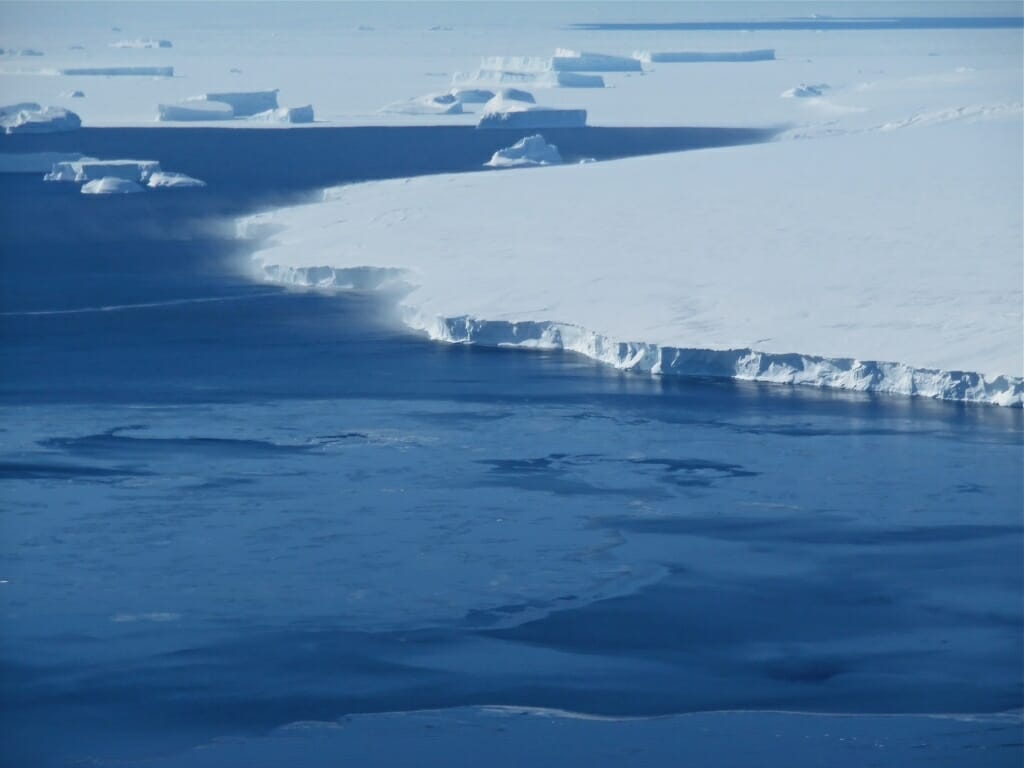
Glaciers that terminate in the ocean are exposed to relatively warm Atlantic waters that intrude into fjords. These waters melt the glacier’s underside, thinning the ice and reducing the buttressing effect that slows ice flow. Studies by NASA’s Operation IceBridge (2020) show that basal melt rates of major glaciers such as Jakobshavn Isbræ can reach 10–15 m yr⁻¹ during peak summer.
3. Dynamic Thinning and Acceleration
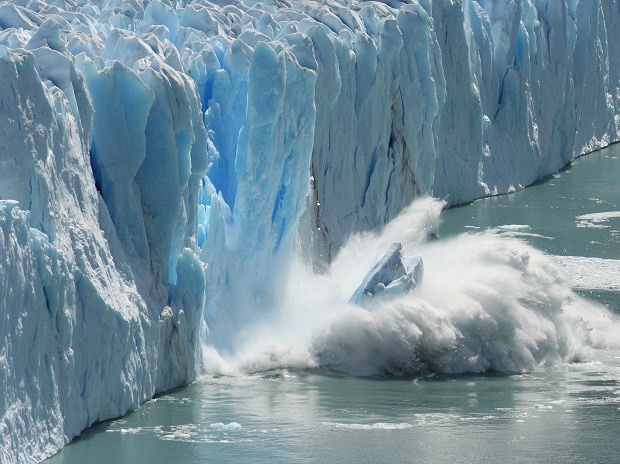
As melt erodes the glacier front, the loss of frontal resistance allows the ice to flow faster toward the sea. Remote‑sensing observations reveal speed increases of 30–50 % for several outlet glaciers since the early 2000s. Faster flow transports more ice from the interior to the margin, amplifying mass loss.
4. Feedback Loops and Thresholds
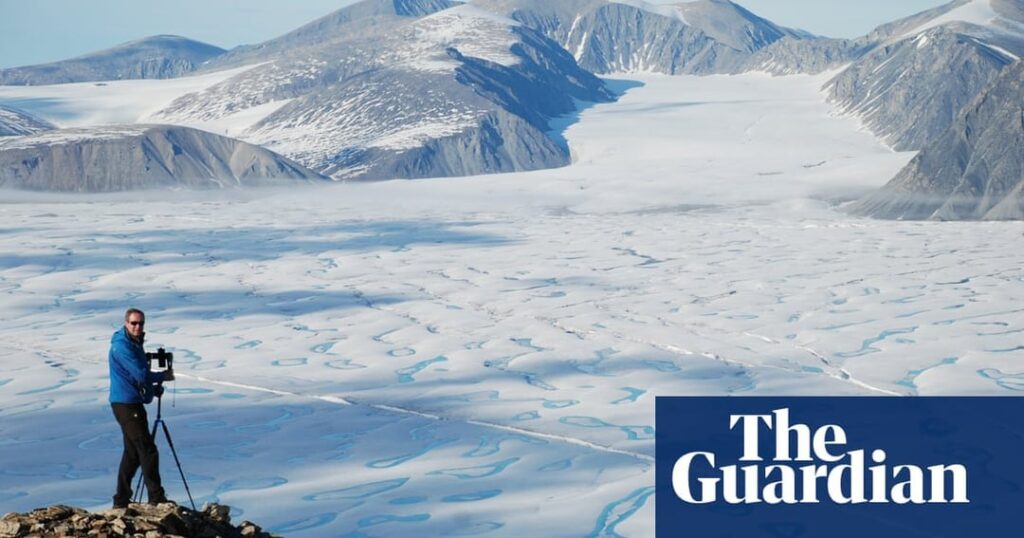
Surface melt creates meltwater lakes that can drain to the bed, lubricating the glacier base—a process called hydrofracturing. This can trigger rapid, nonlinear retreats. Additionally, loss of ice reduces the regional albedo, further warming the atmosphere and ocean, creating a positive feedback cycle.
What Does the Evidence Show?
Long‑term satellite gravimetry (GRACE and GRACE‑FO) indicates a net mass loss of ~270 Gt yr⁻¹ for Greenland from 2003 to 2020, with an accelerating trend in the last decade. Airborne laser altimetry confirms surface lowering of up to 2 m yr⁻¹ in the southeast sector. Field observations of submarine melt rates, combined with oceanographic measurements, demonstrate that Atlantic Water inflow has warmed by ~0.6 °C since the 1990s, directly linking ocean warming to basal melt. Peer‑reviewed synthesis papers (e.g., Rignot et al., 2021, *Nature*) conclude that the combined surface and basal melt mechanisms explain >80 % of the observed mass loss.
Main Causes or Drivers
Direct Atmospheric Warming
Anthropogenic greenhouse‑gas emissions have raised Arctic mean annual temperature by ~2 °C since pre‑industrial times (NOAA, 2022). This warming drives longer melt seasons and higher melt intensity.
Oceanic Heat Transport
Increased inflow of warm Atlantic Water into the Greenlandic fjords, documented by the Danish Meteorological Institute, intensifies basal melt of marine‑terminating glaciers.
Albedo Feedback and Surface Darkening
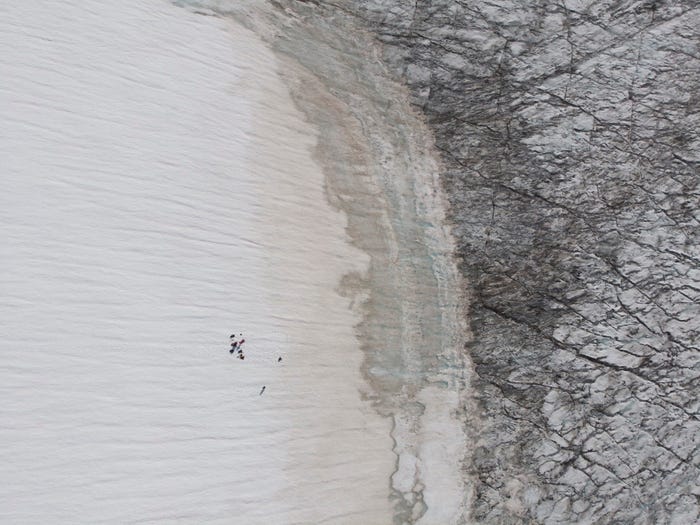
Deposition of black carbon from distant wildfires and industrial sources darkens the snow surface, lowering its reflectivity and enhancing melt. The World Meteorological Organization estimates that black‑carbon‑induced albedo reduction contributes up to 0.1 °C of additional surface warming.
Natural Variability
Atmospheric circulation patterns such as the North Atlantic Oscillation can modulate short‑term melt rates, but they do not explain the long‑term upward trend.
Environmental and Human Impacts
Environmental Impacts
Accelerated ice loss contributes to global sea‑level rise, threatening low‑lying coastal ecosystems and increasing the risk of saltwater intrusion into freshwater habitats. The influx of freshwater into the North Atlantic may alter the Atlantic Meridional Overturning Circulation, with potential consequences for regional climate patterns.
Human Health and Social Impacts
Rising sea level raises the likelihood of coastal flooding, which can displace communities, strain public health systems, and increase exposure to water‑borne diseases. Indigenous peoples in the Arctic experience cultural loss as traditional hunting grounds shift or disappear.
Economic and Infrastructure Impacts
Coastal infrastructure—ports, roads, and power plants—faces higher adaptation costs. The insurance industry projects that each centimeter of sea‑level rise adds roughly $2 billion in global property risk (World Bank, 2021).
Regional Differences
Retreat rates vary across Greenland. Western glaciers such as Jakobshavn and Helheim have shown rapid acceleration due to warm Atlantic waters, while interior regions experience slower surface melt because of higher elevation. In the southeast, the combination of strong surface melt and limited oceanic influence results in significant thinning but less dramatic terminus retreat.
What Scientists Know With High Confidence
- The Greenland Ice Sheet is losing mass at an accelerating rate, as measured by multiple independent satellite missions.
- Atmospheric warming is the primary driver of increased surface melt.
- Warmer Atlantic Ocean waters are a major cause of basal melt for marine‑terminating glaciers.
- The contribution of Greenland to global sea‑level rise is now measurable and exceeds 0.7 mm yr⁻¹.
What Remains Uncertain
Key uncertainties include the future trajectory of Atlantic Water temperatures, the potential for abrupt collapse of major outlet glaciers, and the exact magnitude of feedbacks between meltwater discharge and ocean circulation. Improved in‑situ ocean monitoring and higher‑resolution ice‑sheet models are needed to narrow these gaps.
Common Misconceptions
Misconception: Glacier retreat is a seasonal phenomenon that will reverse in winter.
Reality: Seasonal melt does pause in winter, but the long‑term trend of net ice loss persists because winter snowfall does not fully compensate for summer melt, and basal melt continues year‑round.
Misconception: Only human activity is responsible for Greenland ice loss.
Reality: While natural variability influences year‑to‑year changes, the sustained acceleration over the past three decades aligns with the anthropogenic warming signal identified in IPCC assessments.
Misconception: All Greenland glaciers are retreating at the same rate.
Reality: Retreat rates differ markedly; marine‑terminating glaciers in the west can lose tens of meters per year, whereas interior glaciers may show modest thinning.
Solutions and Limitations
Mitigation of greenhouse‑gas emissions remains the most effective long‑term strategy to curb further warming. International agreements such as the Paris Agreement aim to limit global warming to 1.5 °C, a threshold that would substantially reduce projected Greenland melt. However, even under stringent mitigation, some ice loss is inevitable due to inertia in the climate system. Adaptation measures—such as coastal defenses, managed retreat, and early‑warning systems—address the consequences of sea‑level rise but cannot stop ice loss. Enhanced monitoring (satellite, airborne, and oceanic) improves predictive capacity but requires sustained funding.
What Individuals, Communities, and Governments Can Do
What Individuals Can Do
- Reduce personal carbon footprints by using energy‑efficient appliances, limiting air travel, and supporting renewable energy.
- Advocate for strong climate policies through voting, public comment, and community organizing.
What Communities and Organizations Can Do
- Develop local climate‑resilience plans that incorporate sea‑level rise projections.
- Participate in citizen‑science programs that monitor local temperature and melt patterns.
What Governments Can Do
- Implement and enforce ambitious emissions‑reduction targets consistent with the IPCC pathways.
- Invest in Arctic research infrastructure, including autonomous ocean gliders and high‑resolution satellite missions.
- Provide resources for coastal adaptation, such as managed retreat strategies and flood‑defense upgrades.
Synthesis
Glacier retreat around the Greenland Ice Sheet is driven primarily by human‑induced atmospheric and oceanic warming, leading to measurable ice‑mass loss that contributes to global sea‑level rise. High‑confidence evidence confirms the accelerating trend and identifies the dominant physical mechanisms, while uncertainties remain around future ocean temperatures and potential rapid glacier collapse. Effective responses combine rapid mitigation of greenhouse‑gas emissions, robust adaptation planning for vulnerable coastal areas, and continued scientific monitoring to inform policy and public understanding.
Frequently Asked Questions
What does "glacier retreat" mean in the context of Greenland?
Glacier retreat in Greenland refers to the long‑term, net loss of ice from the ice sheet and its outlet glaciers, where the ice front moves landward because melt and ice flow exceed snowfall accumulation.
Why are both atmospheric and oceanic warming important for Greenland ice loss?
Atmospheric warming lengthens the melt season and reduces surface albedo, while warmer Atlantic waters melt glacier fronts from below. Together they account for most of the observed mass loss, as shown by satellite and in‑situ measurements.
How much does Greenland currently contribute to global sea‑level rise?
According to the IPCC Sixth Assessment Report (2021), Greenland loses about 270 gigatonnes of ice per year, which translates to roughly 0.8 mm of global sea‑level rise annually.
What are the main uncertainties about future Greenland ice loss?
Key uncertainties involve future ocean‑temperature trends, the potential for abrupt collapse of major marine‑terminating glaciers, and the strength of meltwater feedbacks on ocean circulation, all of which affect projection ranges.
What actions can individuals take to help slow glacier retreat?
Individuals can lower their carbon footprints by using renewable energy, reducing air travel, and supporting policies that aim for deep emissions cuts, thereby addressing the root cause of warming that drives glacier retreat.



Leave a Comment