
Why the Atlantic Ocean Circulation Is Slowing Down
The Atlantic Meridional Overturning Circulation is weakening because warming melts polar ice, freshens surface waters and alters wind patterns, reducing the density‑driven flow that
October 17, 2026
The Atlantic Meridional Overturning Circulation is weakening because warming melts polar ice, freshens surface waters and alters wind patterns, reducing the density‑driven flow that
October 17, 2026
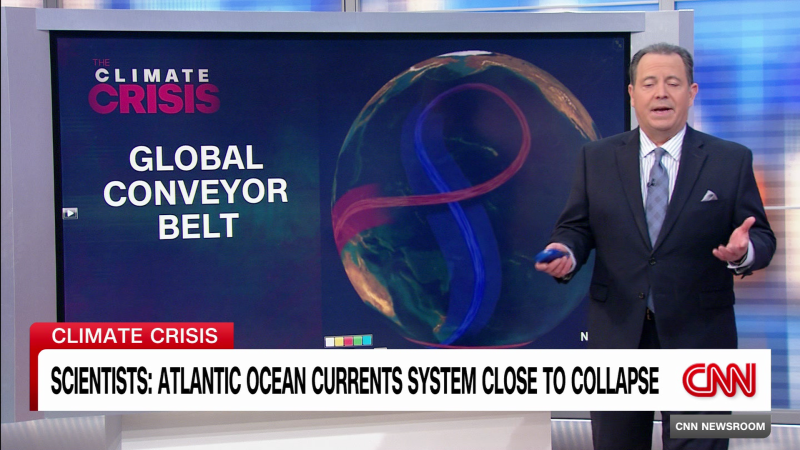
A new assessment shows that the Atlantic Meridional Overturning Circulation is weakening toward a possible irreversible tipping point, with far‑reaching climate and societal
October 8, 2026

Scientists warn that by 2025 the world is on a trajectory toward higher temperatures, more extreme weather, and escalating impacts on ecosystems and
October 7, 2026
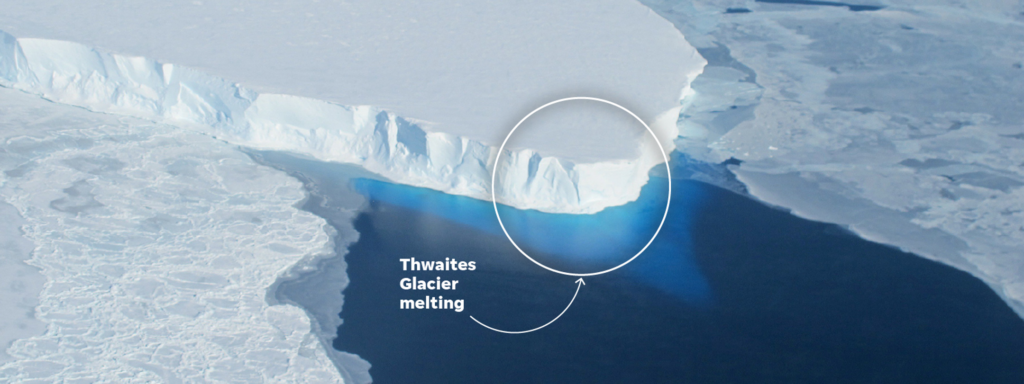
Thwaites Glacier, often called the “Doomsday Glacier,” is a massive West Antarctic ice stream whose accelerated melting could add up to three metres
October 5, 2026
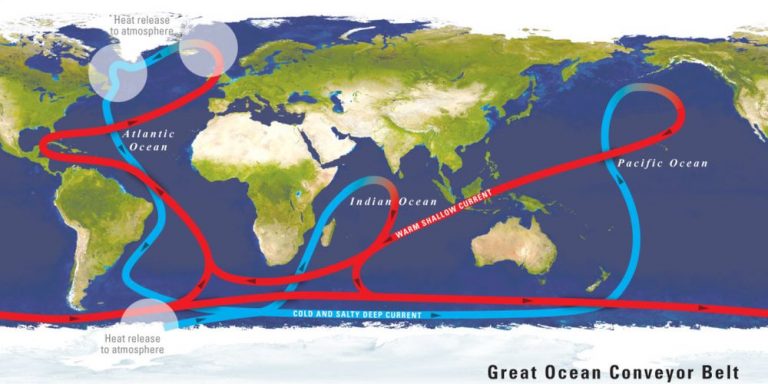
The Atlantic Meridional Overturning Circulation (AMOC) is now at its weakest state in a millennium, a slowdown driven by freshwater influx and warming
October 3, 2026
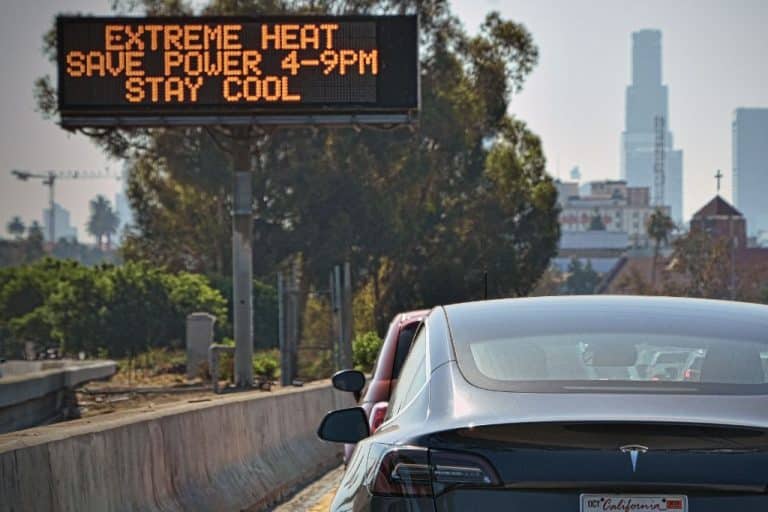
2025 set a new global temperature record, cementing a decade of increasingly lethal heat and prompting urgent examination of its causes, impacts, and
September 15, 2026
October 18, 2026

October 18, 2026

24Earth is an independent environmental knowledge platform explaining climate, oceans, biodiversity, pollution, energy, and planetary change through accessible, evidence-based reporting.
Copyright ©2026
24Earth.
