Carbon Emissions Rebound Rapidly After 2025 Decline Data Shows
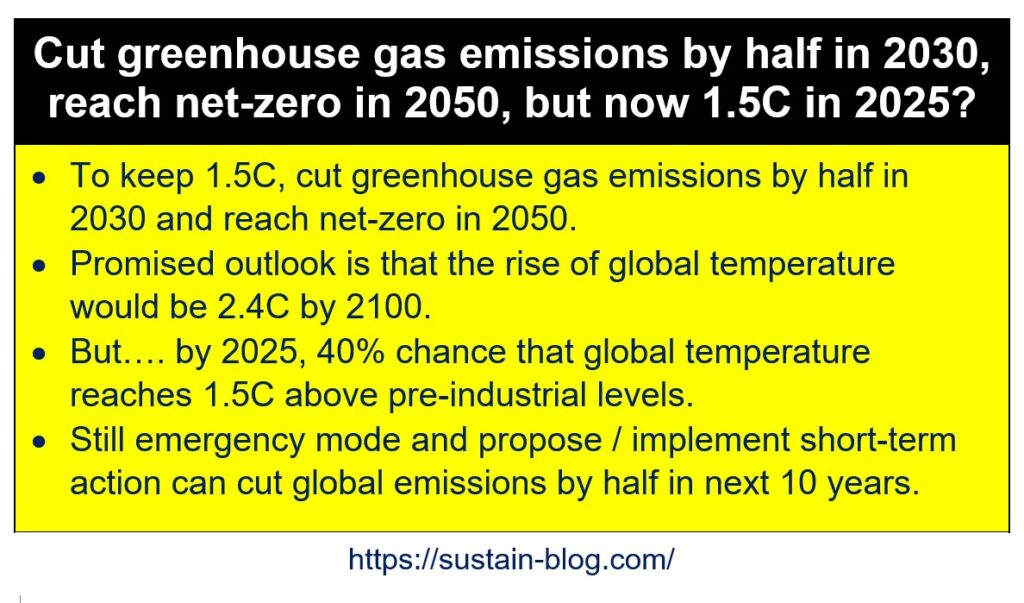
Carbon emissions fell modestly in 2025 but are now projected to climb again, driven by renewed fossil‑fuel demand, policy shifts, and uneven regional
June 7, 2026
Carbon emissions fell modestly in 2025 but are now projected to climb again, driven by renewed fossil‑fuel demand, policy shifts, and uneven regional
June 7, 2026
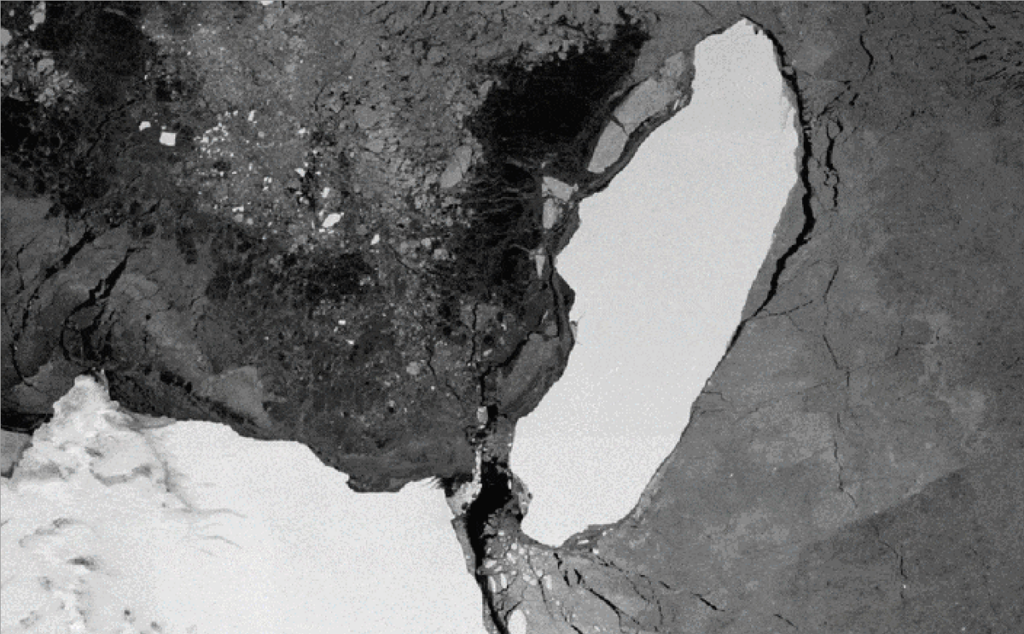
Antarctic sea ice reached a record‑low maximum extent in February 2024, a trend driven by warming oceans and atmospheric changes that threatens regional
May 29, 2026
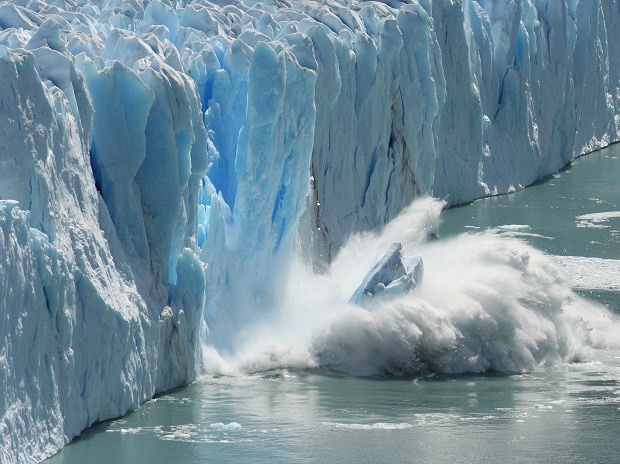
Arctic ice-free summers could become a recurring reality within decades, driven by amplified warming, with profound climate, ecological, and societal consequences. \n\n \n
May 29, 2026
Wildfires are becoming more frequent and intense as a warming climate alters temperature, precipitation, and vegetation, creating far‑reaching environmental, health, and economic impacts
May 27, 2026
Arctic ice melt alters atmospheric and oceanic circulation, which can shift tropical weather patterns, increasing the likelihood of extreme storms, rainfall changes, and
May 25, 2026
Rising global temperatures intensify heat stress for wildlife, and while some species adapt through physiological and behavioral strategies, many face limits that threaten
May 22, 2026