
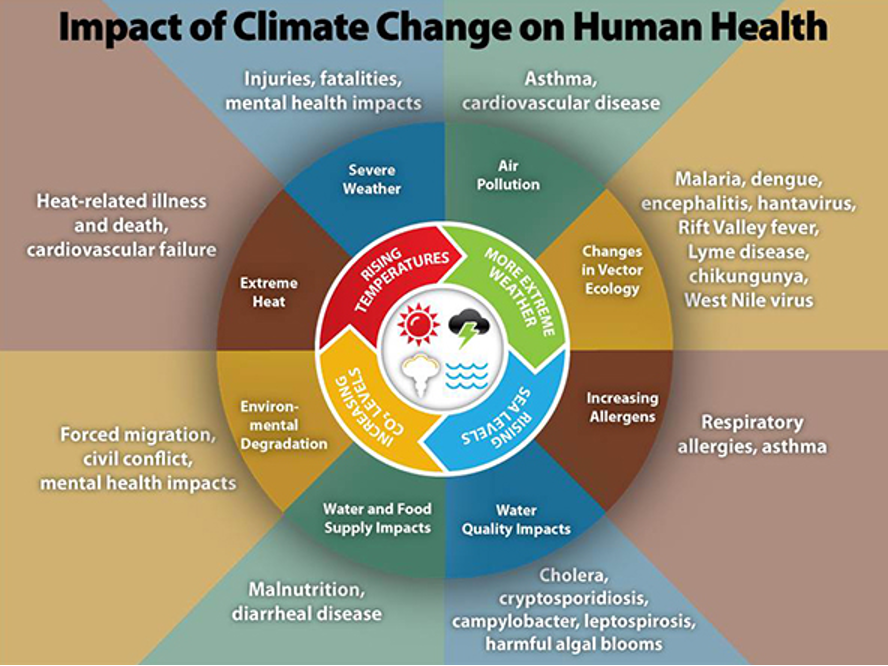
Climate change is already changing the frequency of heatwaves, expanding disease‑carrying insects, degrading air and water quality, and stressing food systems, creating measurable public‑health challenges worldwide.
Quick Answer
Climate change alters temperature, precipitation, and extreme‑event patterns, which in turn increase heat‑related illness, spread vector‑borne diseases, worsen air‑pollution exposure, and threaten water and food safety. The scientific consensus, reflected in IPCC and WHO assessments, indicates that these health impacts are already observable and will intensify unless mitigation and adaptation actions are accelerated. Uncertainty remains around the exact magnitude of future disease burdens in specific locales.
Key Takeaways
- Heatwaves are becoming more frequent and deadly, especially for the elderly, children, and people with chronic conditions.
- Warmer climates expand the geographic range of mosquitoes and ticks, increasing risk of dengue, Zika, Lyme disease, and other vector‑borne illnesses.
- Higher temperatures boost ground‑level ozone and particulate matter, aggravating asthma and cardiovascular disease.
- Changes in precipitation and runoff raise the likelihood of water‑borne outbreaks such as cholera.
- Food‑production disruptions elevate malnutrition risk, while climate‑related displacement fuels mental‑health stress.
- Effective responses combine emissions reduction, resilient health infrastructure, and targeted community adaptation.
What Is Climate Change’s Impact on Public Health?
Public‑health impacts of climate change refer to the ways in which a warming planet modifies exposure to physical, chemical, and biological hazards that affect human health. The scope includes acute events (e.g., heatstroke during a heatwave) and chronic stresses (e.g., long‑term exposure to polluted air). It differs from general climate‑change discourse by focusing on health outcomes rather than solely on ecosystems or economic loss.
How Does It Work?
1. Heat Stress and Heat‑Related Illness
Rising ambient temperature raises core body temperature during outdoor activity. When heat exceeds the body’s ability to dissipate it, heat‑exhaustion and heat‑stroke can occur. Vulnerable groups—older adults, infants, and people with cardiovascular disease—have reduced thermoregulatory capacity. Urban “heat‑island” effects amplify temperatures by 1–3 °C, further increasing risk.
2. Expansion of Vector‑Borne Diseases
Warmer, wetter conditions accelerate mosquito and tick life cycles, shorten pathogen incubation periods, and allow vectors to survive at higher latitudes and elevations. Consequently, diseases such as dengue fever, Zika virus, malaria, and Lyme disease have been reported in regions where they were previously rare.
3. Deterioration of Air Quality
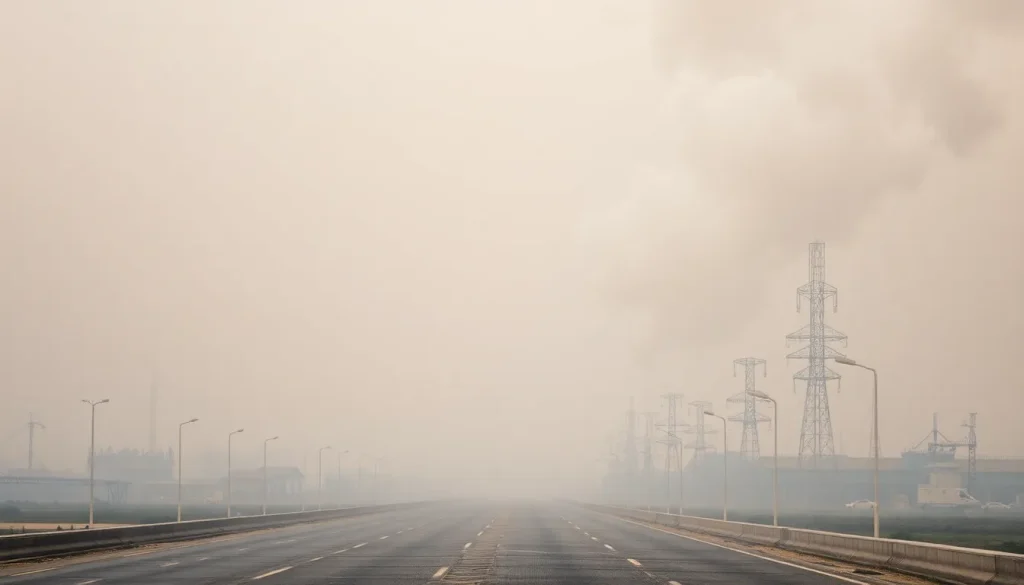
Higher temperatures stimulate photochemical reactions that form ground‑level ozone, a potent respiratory irritant. Heat also increases wild‑fire frequency, releasing fine particulate matter (PM2.5). Both ozone and PM2.5 exacerbate asthma, chronic obstructive pulmonary disease, and cardiovascular events.
4. Water‑Security and Water‑borne Pathogens
Altered precipitation patterns create both flooding and drought. Floods can overwhelm sanitation infrastructure, leading to contamination of drinking water with pathogens such as Vibrio cholerae. Drought concentrates pollutants and reduces water availability for hygiene, raising infection risk.
5. Food‑Security and Nutrition
Heat stress reduces crop yields, while extreme weather (hail, floods) can destroy harvests. Reduced agricultural productivity raises food prices and can lead to micronutrient deficiencies, especially in low‑income populations that rely on staple crops.
6. Mental‑Health Stressors
Experiencing extreme weather, loss of livelihood, or forced migration can trigger anxiety, depression, and post‑traumatic stress. The term “eco‑anxiety” describes chronic worry about climate change, which is increasingly documented in surveys of adolescents and frontline responders.
What Does the Evidence Show?
Long‑term monitoring by the World Health Organization (WHO, 2021) links rising global temperatures to an estimated 250,000 additional deaths per year from heat stress, malnutrition, malaria, dengue, and diarrheal disease. The Intergovernmental Panel on Climate Change (IPCC, 2021) reports that heat‑related mortality in Europe has doubled since the 1990s, and that the geographic range of Aedes mosquitoes has expanded northward by roughly 1.5 ° latitude per decade. Systematic reviews of epidemiological studies find a consistent association between each 1 °C increase in average summer temperature and a 2–5 % rise in cardiovascular hospital admissions (Lancet Planetary Health, 2020). Field investigations in East Africa document a 30 % increase in malaria incidence following a three‑year period of above‑average rainfall (Malaria Journal, 2019). These lines of evidence converge on the conclusion that climate change is already influencing multiple health pathways.
Main Causes or Drivers
Direct Climate Drivers
- Global mean surface temperature rise (≈1.1 °C above pre‑industrial levels in 2021, NOAA).
- Increased frequency of extreme heat events and prolonged droughts.
- Shifts in precipitation intensity and seasonality.
Underlying Anthropogenic Drivers
- Burning of fossil fuels, which releases CO₂ and heat‑trapping gases.
- Land‑use change (deforestation, urban expansion) that reduces natural cooling and alters vector habitats.
- Agricultural practices that emit methane and nitrous oxide, intensifying warming.
Environmental and Human Impacts
Environmental Impacts
Altered climate regimes affect ecosystems that provide clean air, water filtration, and pollination services. For example, reduced river flow in the Sahel diminishes natural water purification, increasing reliance on unsafe water sources.
Human Health and Social Impacts
Heat‑related illnesses account for an estimated 70 % of excess mortality during extreme events. Vector‑borne disease outbreaks strain public‑health surveillance, especially in regions lacking diagnostic capacity. Air‑pollution spikes raise emergency‑room visits for asthma by 12 % on high‑ozone days (EPA, 2020). Water‑borne diarrheal disease incidence rises 5–10 % after major floods (WHO, 2021). Food‑price volatility contributes to a 0.5 % increase in under‑5 malnutrition rates in sub‑Saharan Africa during prolonged droughts (FAO, 2022). Mental‑health surveys indicate that 45 % of respondents in climate‑impacted coastal communities report heightened anxiety.
Economic and Infrastructure Impacts
Health‑care costs associated with climate‑related conditions are projected to exceed US$ 2 trillion annually by 2050 if adaptation lags (World Bank, 2021). Hospital power‑outage events during heatwaves increase operational costs and can compromise patient care.
Regional Differences
Heat stress is most acute in South‑Asia and the Middle East, where summer temperatures regularly exceed 45 °C. Vector‑borne disease expansion is prominent in temperate Europe, where ticks now carry Lyme‑disease agents up to 500 km north of historic limits. In sub‑Saharan Africa, drought‑induced water scarcity heightens cholera risk, while the Arctic experiences permafrost melt that may release ancient pathogens, though this remains a research frontier.
What Scientists Know With High Confidence
- Global warming has increased the frequency and intensity of heatwaves (IPCC, 2021).
- Higher temperatures expand the suitable habitat for many disease‑carrying vectors (WHO, 2021).
- Ground‑level ozone concentrations rise with temperature, worsening respiratory health (EPA, 2020).
- Climate‑related disruptions to food production have already reduced nutrient intake in vulnerable populations (FAO, 2022).
What Remains Uncertain
Key uncertainties include the exact future burden of emerging vector‑borne diseases in newly suitable regions, the interaction between air‑pollution mitigation policies and climate‑driven ozone formation, and the long‑term mental‑health impacts of repeated displacement. Data gaps in low‑income countries—particularly regarding baseline disease rates and health‑system capacity—limit precise quantification of future risks.
Common Misconceptions
Misconception: Climate change only causes “weather” events, not health problems.
Reality: Climate change alters long‑term patterns that affect temperature, humidity, and precipitation, which directly influence physiological stress, pathogen life cycles, and environmental quality—all key determinants of health.
Misconception: Only people in tropical regions face climate‑related health threats.
Reality: Heat‑related mortality has risen sharply in temperate zones such as Europe and North America, where older populations are especially vulnerable.
Misconception: Reducing individual carbon footprints will immediately eliminate health risks.
Reality: Personal actions matter for exposure reduction, but systemic mitigation (e.g., decarbonizing energy) and public‑health adaptation are required to curb large‑scale health impacts.
Misconception: All vector‑borne diseases will disappear with better sanitation.
Reality: While improved sanitation reduces some water‑borne illnesses, many vector‑borne diseases are driven by temperature and habitat changes that sanitation alone cannot address.
Solutions and Limitations
Effective responses combine mitigation (reducing greenhouse‑gas emissions) with adaptation (building health‑system resilience). Mitigation lowers the long‑term magnitude of climate stressors but requires global policy coordination and substantial economic transition; its health benefits accrue over decades. Adaptation measures—such as early‑warning heat‑alert systems, vector‑control programs, and upgraded air‑quality monitoring—provide more immediate protection but can be costly and may need continual funding. Nature‑based solutions (e.g., restoring wetlands) improve water filtration and flood buffering but may compete with land needed for agriculture. Each strategy must be evaluated for equity, cost‑effectiveness, and potential unintended consequences.
What Individuals, Communities, and Governments Can Do
What Individuals Can Do
- Stay hydrated, wear light clothing, and seek shade during heat alerts.
- Use window screens and eliminate standing water to reduce mosquito breeding.
- Support policies that expand renewable energy and public‑transport options.
- Participate in community emergency‑preparedness drills.
What Communities and Organizations Can Do
- Implement urban greening projects to mitigate heat‑island effects.
- Develop local disease‑surveillance networks that integrate climate data.
- Upgrade water‑treatment infrastructure to withstand extreme‑weather events.
- Offer heat‑risk education in schools and senior centers.
What Governments Can Do
- Adopt and enforce stricter air‑quality standards tied to climate goals.
- Invest in resilient health‑care facilities with backup power and cooling.
- Fund research on climate‑sensitive diseases and mental‑health services.
- Integrate climate‑risk assessments into urban planning and agricultural policy.
Closing Synthesis
Climate change is already reshaping the environment in ways that directly affect human health—from scorching heatwaves to the spread of disease‑carrying insects, from polluted air to unsafe water and food. High‑confidence evidence confirms these trends, while uncertainties remain about the precise magnitude of future impacts in specific locales. Mitigation, adaptation, and equitable public‑health planning together form the most robust pathway to protect populations now and in the decades ahead.
Frequently Asked Questions
What are the main ways climate change impacts human health?
Climate change affects health by increasing heat‑related illnesses, expanding the range of disease‑carrying insects, worsening air‑pollution exposure, contaminating water supplies, disrupting food production, and creating mental‑health stress from extreme‑event displacement.
How does rising temperature increase heat‑related illnesses?
Higher ambient temperatures raise body heat load, reducing the ability to cool through sweating. When core temperature exceeds safe limits, people can develop heat‑exhaustion or heat‑stroke, especially the elderly, children, and those with cardiovascular disease.
Which regions are most vulnerable to climate‑related health risks?
Heat stress is most severe in South‑Asia and the Middle East; vector‑borne disease expansion is notable in temperate Europe; water‑borne outbreaks rise in sub‑Saharan Africa during droughts; and Arctic communities face emerging pathogen concerns from permafrost melt.
What evidence links climate change to the spread of vector‑borne diseases?
IPCC (2021) reports a northward shift of Aedes mosquito habitats of about 1.5 ° latitude per decade, and epidemiological studies show a 30 % rise in malaria incidence after periods of above‑average rainfall in East Africa, confirming temperature‑driven expansion.
What actions can communities take to reduce health impacts of climate change?
Communities can create urban green spaces to lower temperatures, establish climate‑aware disease surveillance, upgrade water‑treatment facilities, and run heat‑risk education programs for vulnerable groups such as seniors and children.






Leave a Comment