
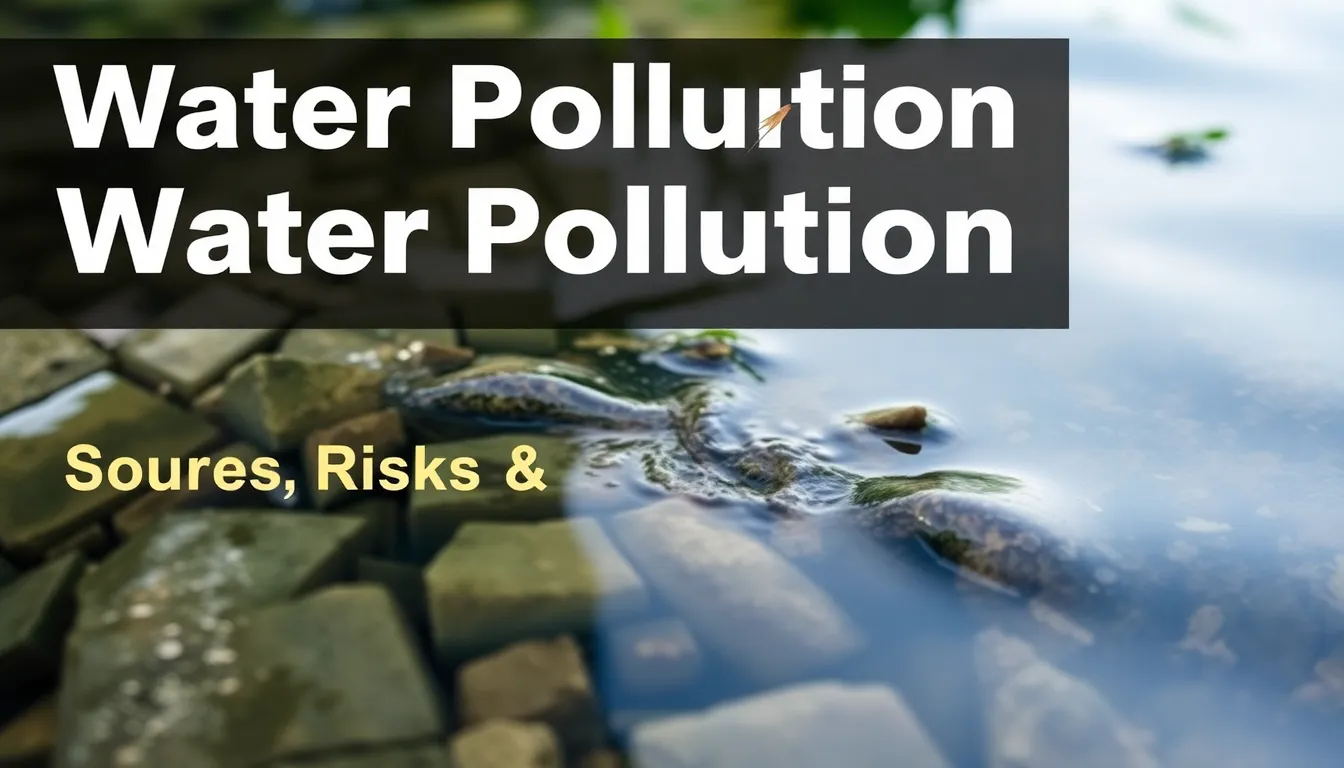
Water pollution is the contamination of rivers, lakes, oceans, and groundwater by substances that degrade water quality and harm ecosystems and human health. Understanding how pollutants enter water, the risks they pose, and what can be done to stop them is essential for protecting the planet and the communities that rely on clean water.
What Is Water Pollution?
Definition
Water pollution occurs when harmful chemicals, physical debris, or biological agents are introduced into water bodies at levels that exceed natural background concentrations. These contaminants can stem from natural processes, but most significant impacts arise from human activities.
Why It Matters
Contaminated water affects drinking supplies, agriculture, fisheries, and recreation. It also contributes to broader environmental problems such as air pollution through volatile compounds and supports the spread of microplastics that travel across ecosystems.
Major Sources of Water Pollution
Industrial Discharges
Factories release heavy metals, solvents, and synthetic chemicals directly into waterways or via wastewater treatment plants. These discharges often contain pollutants categorized under chemical pollution, which can accumulate in fish and enter the food chain.
Agricultural Runoff
Fertilizers, pesticides, and animal waste wash from fields into streams and lakes. Nutrient overload, especially nitrogen and phosphorus, creates algal blooms that deplete oxygen and create dead zones, threatening aquatic life.
Plastic and Microplastic Waste
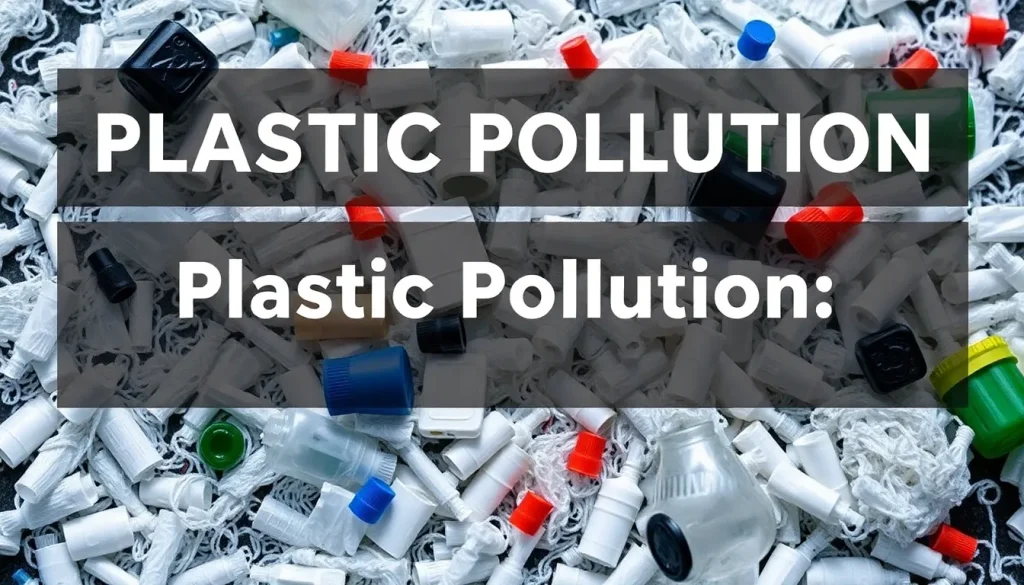
Improperly managed plastic litter breaks down into tiny particles called microplastics. These particles are ingested by marine organisms and can carry toxic additives, linking plastic pollution directly to water quality issues.
Sewage and Wastewater
Untreated or partially treated sewage introduces pathogens, nutrients, and organic matter into water bodies. In many regions, inadequate infrastructure leads to frequent overflows, exposing communities to waterborne diseases.
Atmospheric Deposition
Airborne pollutants such as sulfur dioxide and nitrogen oxides settle on water surfaces through rain, a process that ties water contamination to air pollution. Acid rain, for example, lowers pH and harms freshwater species.
Risks and Impacts
Human Health
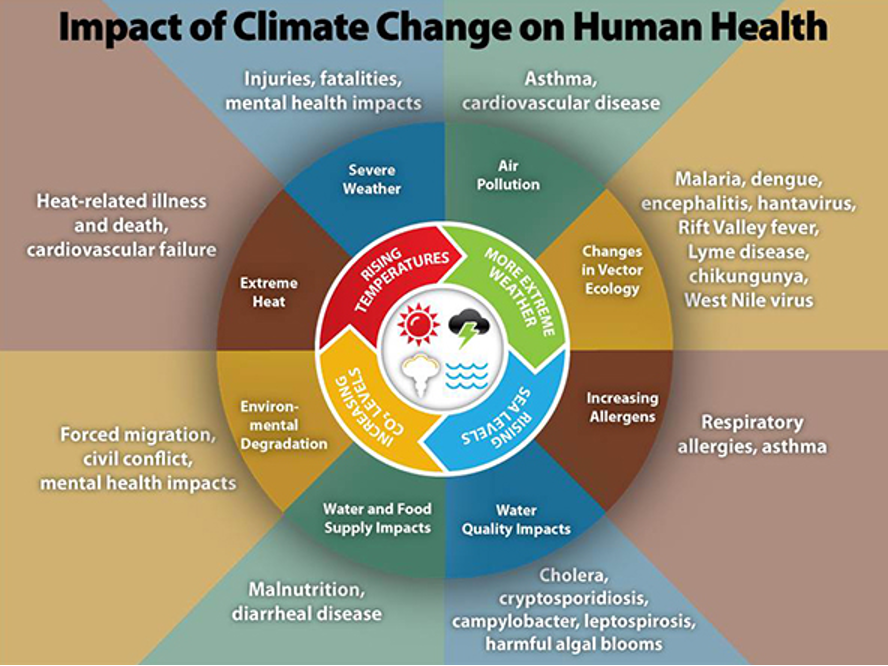
Contaminated drinking water can cause gastrointestinal illnesses, neurological disorders, and long‑term cancers. Pathogens from sewage and chemicals from industrial waste are major contributors to pollution and human health concerns.
Ecosystem Damage
Excess nutrients trigger eutrophication, leading to hypoxic zones where fish cannot survive. Toxic substances bioaccumulate, affecting predators at the top of the food web and reducing biodiversity.
Economic Costs
Water pollution drives up treatment expenses, reduces tourism, and harms fisheries. Communities may also face lost productivity due to illness linked to unsafe water.
Prevention and Mitigation Strategies
Policy and Regulation
Strong water quality standards, enforcement of discharge permits, and incentives for cleaner production are essential. International agreements such as the Water Framework Directive guide nations toward unified goals.
Best Management Practices
- Implement buffer strips along waterways to filter runoff.
- Adopt precision agriculture to reduce fertilizer use.
- Promote integrated pest management to limit pesticide reliance.
- Require pre‑treatment of industrial effluents before discharge.
Technology and Treatment
Advanced wastewater treatment— including membrane filtration, UV disinfection, and bio‑remediation—removes pathogens and emerging contaminants like pharmaceuticals. Constructed wetlands provide natural filtration for smaller communities.
Community Action and Environmental Justice
Vulnerable populations often bear the brunt of water contamination. Supporting environmental justice initiatives ensures equitable access to clean water and involves local voices in decision‑making.
Reducing Plastic and Microplastic
Improving waste collection, expanding recycling programs, and banning single‑use plastics significantly cut the flow of debris into rivers and oceans. Public education on proper disposal further limits microplastic formation.
Related Topics to Explore
- Pollution & Environmental Health
- Waste and Recycling
- Microplastics
- Plastic Pollution
- Chemical Pollution
Conclusion
Water pollution stems from diverse sources—industrial waste, agriculture, plastics, sewage, and even air emissions. Its impacts on health, ecosystems, and economies are profound, but effective policies, technology, and community engagement can dramatically reduce contamination. By understanding the pathways and taking coordinated action, we can safeguard water for current and future generations.
Frequently Asked Questions
What are the most common sources of water pollution?
The main sources include industrial discharges, agricultural runoff, plastic and microplastic waste, untreated sewage, and atmospheric deposition from air pollution.
How does water pollution affect human health?
Contaminated water can transmit pathogens causing gastrointestinal illness, expose people to toxic chemicals linked to cancers and neurological issues, and contribute to long‑term health problems.
What role does plastic pollution play in water contamination?
Improperly managed plastic breaks down into microplastics that carry toxic additives, are ingested by marine life, and spread pollutants throughout aquatic ecosystems.
Which best management practices help reduce agricultural water pollution?
Practices such as buffer strips, precision fertilizer application, integrated pest management, and cover cropping filter runoff and lower nutrient and pesticide loads.
How can communities address water pollution through environmental justice?
By supporting policies that ensure equitable water access, involving local residents in monitoring and decision‑making, and targeting remediation efforts in disproportionately affected areas.




Leave a Comment