
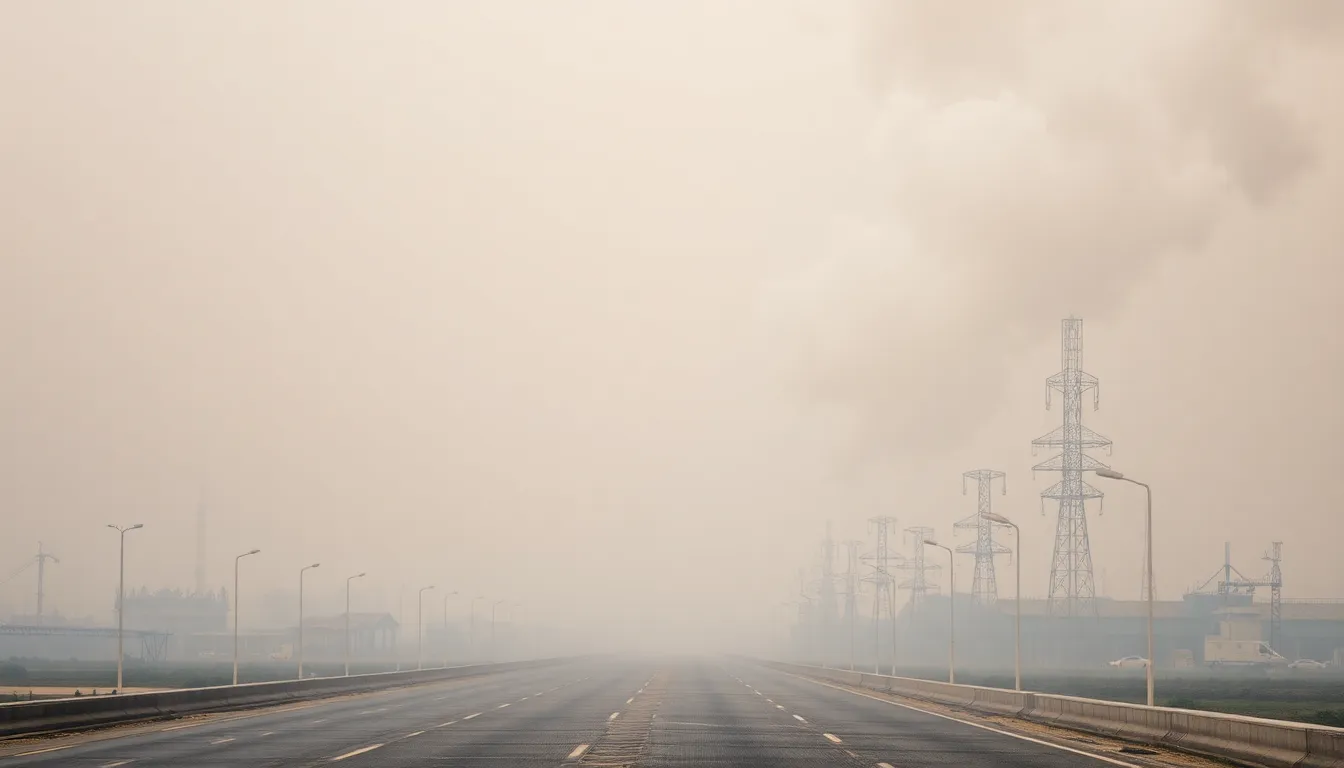
What Is Air Pollution?
Air pollution refers to the presence of substances in the atmosphere that are harmful to human health, ecosystems, or the climate. These substances, known as pollutants, can be solid particles, liquid droplets, or gases that exceed natural background levels. Understanding air pollution explained helps us see why clean air is essential for life on Earth.
Why Air Pollution Matters
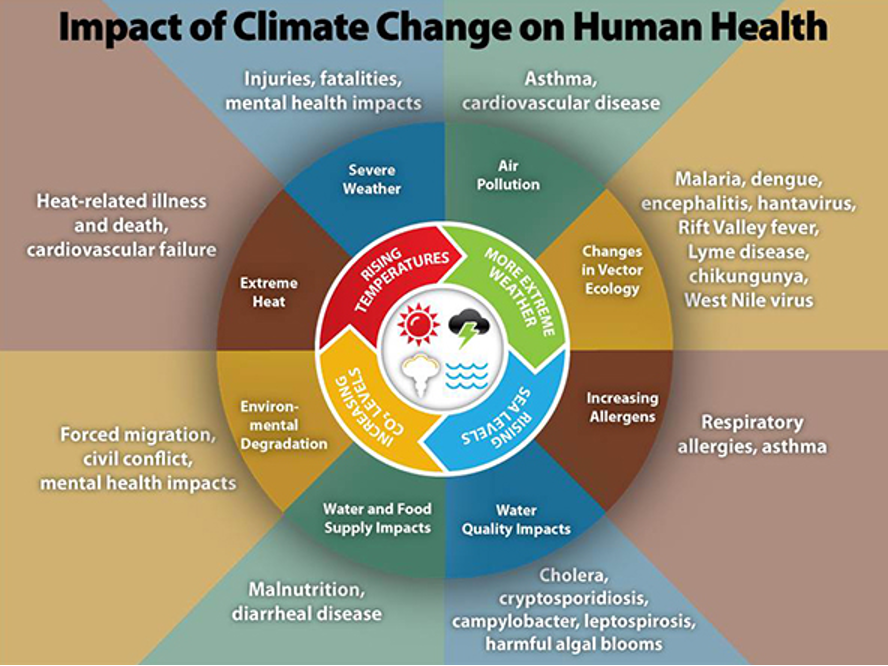
Dirty air affects everyone, regardless of geography or socioeconomic status. It contributes to respiratory diseases, cardiovascular problems, and premature death. On a larger scale, certain pollutants drive climate change and damage crops, forests, and water bodies. The economic burden of health care costs and lost productivity adds another layer of urgency.
Key Types of Air Pollutants
Air pollutants are grouped into two main categories: primary and secondary.
Primary Pollutants
These are emitted directly from a source. Common primary pollutants include:
- Particulate Matter (PM2.5 and PM10)
- Carbon monoxide (CO)
- Sulfur dioxide (SO2)
- Nitrogen oxides (NOx)
- Volatile organic compounds (VOCs)
Secondary Pollutants
Formed in the atmosphere through chemical reactions, often involving sunlight. Notable secondary pollutants are:
- Ozone (O3) at ground level
- Secondary organic aerosols (SOA)
Major Sources of Air Pollution
Identifying the origins of pollutants is the first step toward mitigation. Sources fall into three broad groups.
1. Stationary Sources
These include power plants, factories, and residential heating. Burning fossil fuels releases large quantities of SO2, NOx, and PM.
2. Mobile Sources
Vehicles, aircraft, ships, and trains emit CO, NOx, VOCs, and PM. Traffic congestion in urban areas creates hotspots of pollution.
3. Area and Natural Sources
Dust storms, wildfires, and volcanic eruptions release particles and gases over wide regions. While natural, these events can be intensified by human activity such as land‑use change.
For deeper dives into specific categories, explore our air‑pollution and chemical‑pollution sections.
How Air Pollution Affects Human Health
Health impacts depend on pollutant type, concentration, exposure duration, and individual susceptibility.
Respiratory System
Particulate matter can penetrate deep into the lungs, causing inflammation, asthma attacks, and chronic bronchitis. Ozone irritates airways, reducing lung function.
Cardiovascular System
Fine particles enter the bloodstream, promoting plaque buildup and increasing the risk of heart attacks and strokes.
Other Systems
Carbon monoxide binds to hemoglobin, reducing oxygen delivery. Some VOCs are carcinogenic, raising cancer risk over long periods.
Read more about the link between pollution and health in our pollution‑and‑human‑health category.
Environmental Justice and Air Pollution
Communities near industrial zones or major highways often experience higher pollutant levels. These disparities intersect with socioeconomic factors, leading to unequal health outcomes. Addressing environmental justice is essential for equitable air‑quality improvements.
Our environmental‑justice page provides case studies and policy recommendations.
Measuring Air Quality
Air‑quality monitoring stations track concentrations of key pollutants. The Air Quality Index (AQI) translates these measurements into a simple scale from 0 (good) to 500 (hazardous). Values above 100 generally indicate unhealthy conditions for sensitive groups.
Solutions to Reduce Air Pollution
Effective mitigation combines policy, technology, and individual actions.
Policy and Regulation
- Setting stricter emission standards for power plants and vehicles.
- Implementing cap‑and‑trade programs for carbon and sulfur emissions.
- Enforcing zoning laws that separate residential areas from heavy industry.
Technological Innovations
- Renewable energy (solar, wind, hydro) replaces fossil‑fuel combustion.
- Electrification of transport reduces tailpipe emissions.
- Advanced filtration and scrubber systems capture pollutants before they reach the atmosphere.
Community and Individual Actions
- Using public transit, car‑pooling, or biking.
- Improving home energy efficiency to lower heating‑related emissions.
- Supporting local clean‑air initiatives and advocating for stricter regulations.
Related topics such as waste management and microplastics also influence air quality. See our waste‑and‑recycling and microplastics sections for more information.
Emerging Trends and Future Outlook
Smart sensor networks are providing real‑time, hyper‑local air‑quality data, empowering citizens to make informed choices. Climate‑change mitigation strategies, such as reforestation, also double as air‑purification projects. Continued research into low‑emission materials and carbon‑capture technologies promises further reductions.
Common Misconceptions About Air Pollution
- “Only big cities have bad air.” Rural areas can suffer from agricultural burning, dust, and ozone drift.
- “Air pollution is only a health issue.” It also harms ecosystems, reduces crop yields, and accelerates climate change.
- “Technology will solve the problem alone.” Policy, behavior change, and equitable planning are equally critical.
Practical Steps for Readers
- Check local AQI forecasts and limit outdoor activity when levels are high.
- Choose low‑emission transportation options whenever possible.
- Support clean‑energy policies and community air‑quality projects.
- Reduce indoor sources of pollutants, such as smoking and improper use of chemicals.
- Stay informed through reliable sources like the pollution‑environmental‑health hub.
Conclusion
Air pollution is a complex, multi‑source problem that threatens human health, ecosystems, and climate stability. By understanding the sources, health effects, and proven solutions, individuals and societies can take coordinated action to improve air quality. Continued investment in clean technologies, robust policies, and community engagement will pave the way toward healthier skies for future generations.
Frequently Asked Questions
What are the main types of air pollutants?
Air pollutants are divided into primary pollutants, which are emitted directly (like PM, CO, SO₂, NOₓ, VOCs), and secondary pollutants, which form in the atmosphere (such as ground‑level ozone and secondary organic aerosols).
How does air pollution affect the cardiovascular system?
Fine particulate matter can enter the bloodstream, promoting inflammation and plaque buildup, which raises the risk of heart attacks and strokes.
Which groups are most vulnerable to poor air quality?
Children, the elderly, people with pre‑existing respiratory or heart conditions, and communities located near industrial zones or busy highways face higher health risks.
What are effective policy measures to reduce air pollution?
Key policies include stricter emission standards for power plants and vehicles, cap‑and‑trade programs, and zoning laws that separate residential areas from heavy industry.
How can individuals help improve air quality?
Individuals can check local AQI levels, use public transport or bike, improve home energy efficiency, support clean‑energy initiatives, and reduce indoor pollutant sources.




Leave a Comment