
What Is Environmental Health?
Environmental health examines the ways the natural and built environments influence human well‑being. It covers everything from the quality of the air we breathe to the safety of the water we drink, the presence of chemical contaminants, and the impact of noise or light on our bodies. At its core, the discipline asks a simple question: how does the planet affect human health? By studying these connections, researchers, policymakers, and communities can identify risks, develop mitigation strategies, and promote healthier living conditions for all.
Why Environmental Health Matters
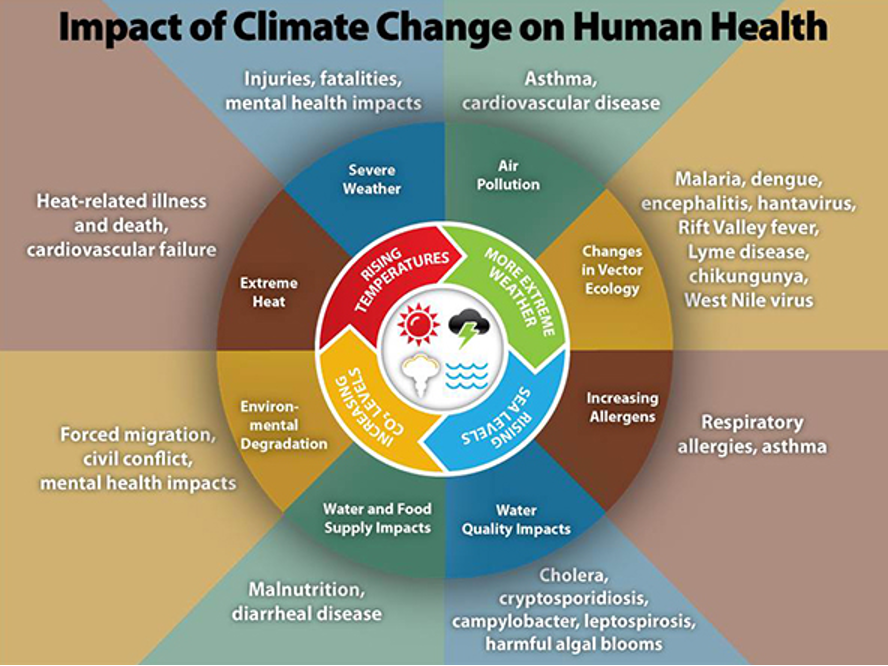
When ecosystems degrade, the effects ripple through societies. Poor air quality can trigger respiratory illnesses; contaminated water spreads disease; plastic debris enters food chains; and unequal exposure to hazards often falls on marginalized groups, raising issues of environmental justice. Understanding these links helps us protect vulnerable populations, reduce healthcare costs, and sustain the natural resources that support life.
Key Types of Pollution and Their Health Impacts
Air Pollution
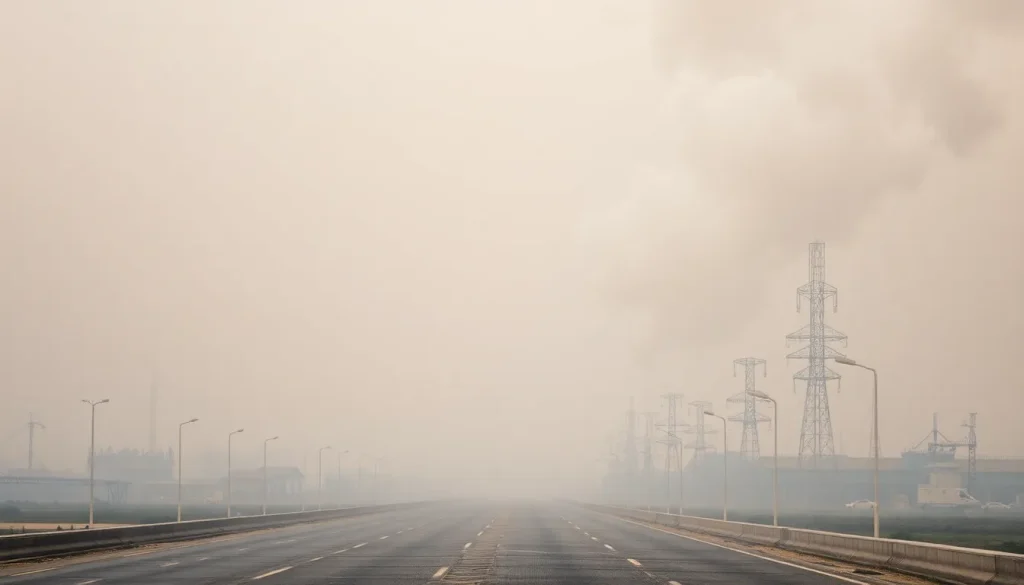
Airborne particles and gases—such as particulate matter (PM2.5), ozone, nitrogen dioxide, and sulfur dioxide—are linked to asthma, heart disease, and premature death. For a deeper dive, see our dedicated guide on air pollution.
Water Pollution
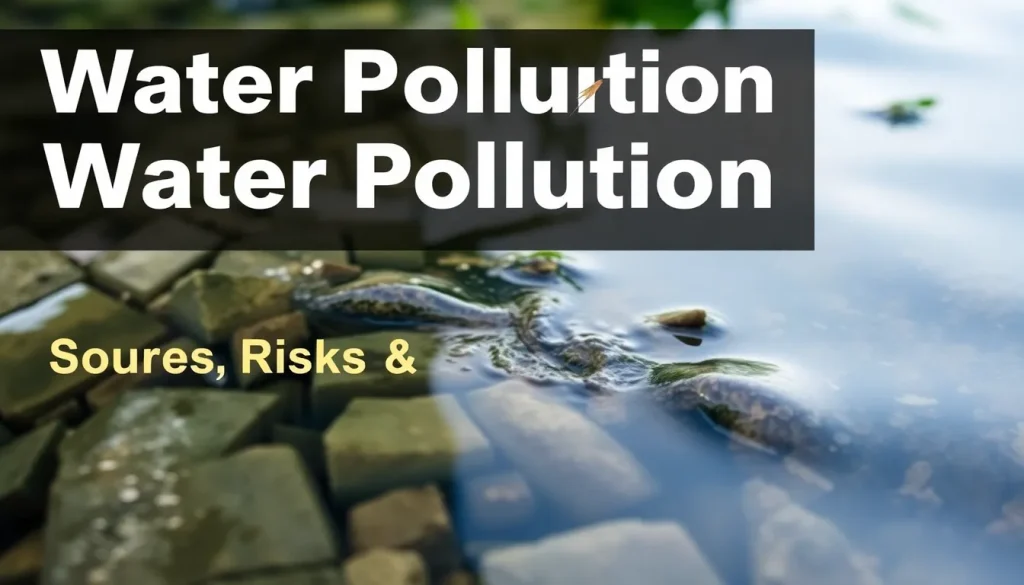
Contaminants like heavy metals, pathogens, and agricultural runoff compromise drinking water safety and aquatic ecosystems. Exposure can cause gastrointestinal illness, neurological problems, and long‑term organ damage. Learn more at water pollution.
Plastic and Microplastic Pollution
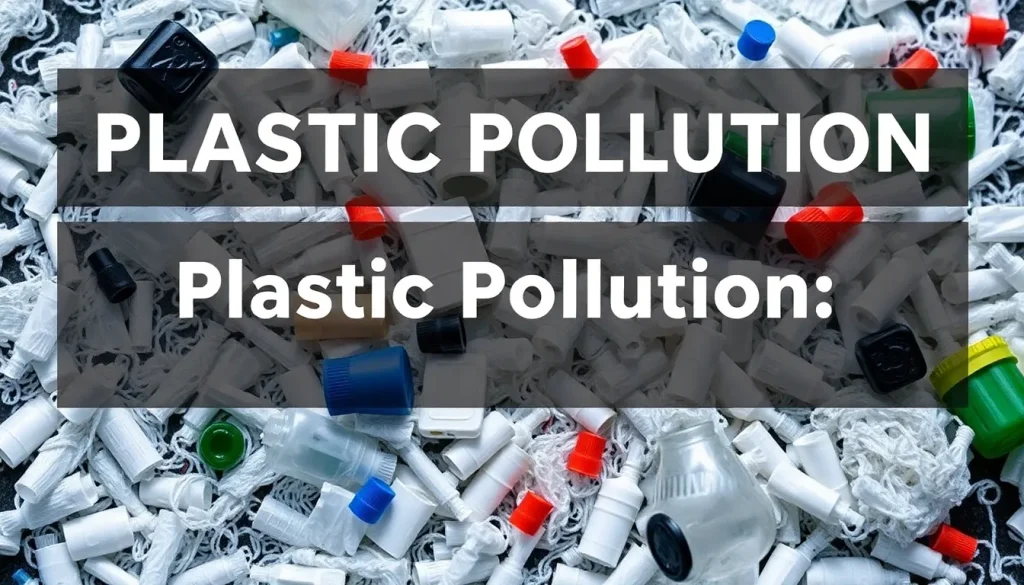
Large plastic debris harms wildlife and can release toxic additives. Over time, plastics break down into microplastics that infiltrate the food chain, potentially affecting hormone function and gut health.
Chemical Pollution
Pesticides, industrial solvents, and persistent organic pollutants linger in soil and air. Chronic exposure is associated with cancers, reproductive issues, and endocrine disruption. Detailed coverage is available in our chemical pollution section.
Noise and Light Pollution
Excessive noise raises stress hormones, disrupts sleep, and can increase cardiovascular risk. Artificial light at night interferes with circadian rhythms, affecting metabolism and mental health. Explore further at noise and light pollution.
How Pollution Translates Into Human Health Outcomes
Pollutants reach the body through inhalation, ingestion, dermal contact, or indirect pathways such as food consumption. Once inside, they can trigger inflammation, oxidative stress, and genetic changes that manifest as disease. The process often follows these steps:
- Exposure: Contact with contaminated air, water, soil, or products.
- Absorption: Pollutants enter the bloodstream or tissues.
- Biological Response: Cells react, potentially causing inflammation or DNA damage.
- Health Effect: Acute symptoms (e.g., asthma attacks) or chronic conditions (e.g., cancer).
Understanding each stage helps public health officials design interventions—from stricter emissions standards to community education programs.
Environmental Justice: The Unequal Burden of Pollution
Communities with lower income, limited political power, or minority status often live closer to industrial zones, highways, or waste facilities. This proximity leads to higher exposure to air and water pollutants, increasing rates of asthma, hypertension, and other illnesses. Addressing environmental justice means ensuring that policies protect all citizens equally and that remediation resources are allocated fairly.
Waste Management, Recycling, and Health
Improper waste disposal creates leachate that contaminates groundwater, while open burning releases toxic gases. Effective waste and recycling programs reduce these hazards, lower greenhouse gas emissions, and limit the spread of hazardous substances.
Practical Steps for Individuals and Communities
While systemic change is essential, personal actions also matter. Consider the following practices:
- Use public transport, cycle, or walk to reduce air pollution contributions.
- Install water filters certified to remove lead and microbial contaminants.
- Choose products with minimal plastic packaging; support companies that use recycled materials.
- Participate in local clean‑up events to reduce plastic and litter in waterways.
- Advocate for stricter local regulations on industrial emissions and for equitable zoning policies.
Common Misconceptions About Environmental Health
Many people assume that pollution only affects distant ecosystems, not personal health. In reality, the air we breathe at home often contains pollutants from regional sources, and microplastics have been detected in tap water worldwide. Another myth is that only “big” industries cause harm; residential heating, vehicle exhaust, and even household cleaning products contribute significantly to indoor air quality issues.
Future Trends and Emerging Research
Advances in sensor technology allow real‑time monitoring of air and water quality at the neighborhood level, empowering citizens with data to demand change. Ongoing studies explore the health effects of emerging contaminants such as per‑ and polyfluoroalkyl substances (PFAS) and the long‑term impacts of chronic low‑level noise exposure. Anticipating these trends helps policymakers stay ahead of new health challenges.
Connecting to Deeper Resources
This pillar article offers a broad overview, but each pollution type has its own dedicated page on 24earth.org. Readers interested in specific health outcomes can explore pollution and human health for detailed explanations of disease pathways, or visit the environmental health hub for the latest research and policy updates.
Conclusion
Environmental health reveals the intimate connections between the planet’s condition and our own well‑being. Air, water, plastic, chemical, noise, and light pollutants each pose distinct risks, and the burden often falls disproportionately on vulnerable communities. By understanding these links, supporting equitable policies, and adopting sustainable habits, we can protect both the Earth and the health of its inhabitants.
Frequently Asked Questions
How does air pollution affect human health?
Air pollution introduces particles and gases into the lungs, triggering inflammation, worsening asthma, increasing heart disease risk, and potentially leading to premature death.
What are the health risks of microplastics?
Microplastics can enter the food chain, accumulating in tissues and potentially disrupting hormones, gut health, and immune function, though research is still evolving.
Why is environmental justice important in pollution discussions?
Environmental justice highlights that low‑income and minority communities often face higher exposure to pollutants, resulting in greater rates of disease and the need for equitable policy action.
How does waste mismanagement impact water quality?
Improper waste disposal creates leachate that seeps into groundwater, introducing pathogens and toxic chemicals that can cause gastrointestinal illness and long‑term organ damage.
What simple actions can individuals take to reduce pollution exposure?
People can use public transport, filter drinking water, choose low‑plastic products, join clean‑up events, and advocate for stricter local emissions regulations.




Leave a Comment