
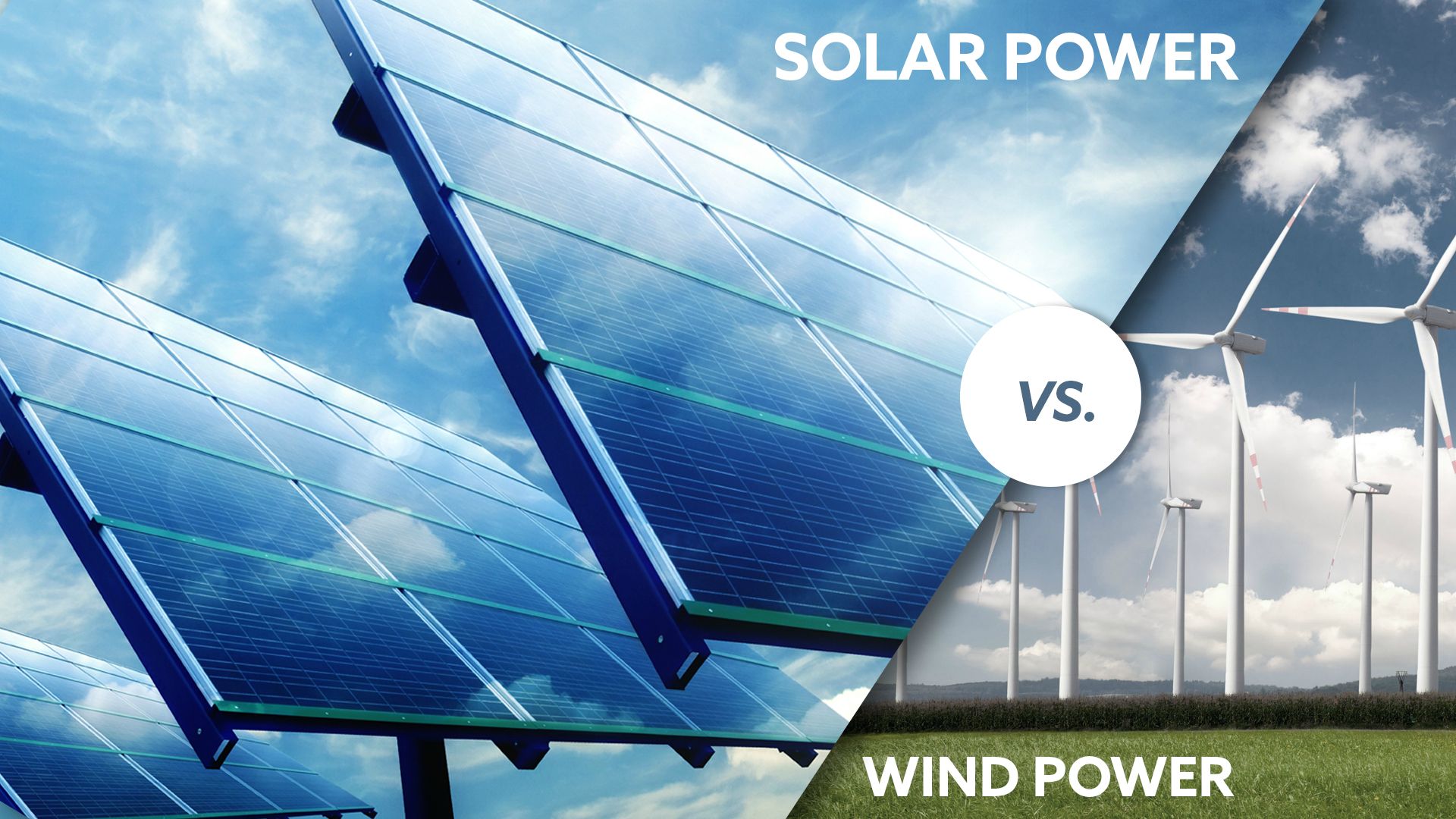
Wind turbines, solar panels and nuclear power each generate low‑carbon electricity, but their reliability, land use, lifecycle emissions and societal trade‑offs differ, making a mixed energy mix the most resilient solution.
Quick Answer
All three technologies produce electricity with far lower greenhouse‑gas emissions than fossil fuels, yet they are not interchangeable. Wind and solar are variable—output depends on wind speed and sunlight—so they need storage or complementary generation to supply power continuously. Nuclear provides steady baseload electricity with capacity factors above 90 % and minimal operational emissions, but it raises concerns about radioactive waste, high capital costs and public acceptance. The evidence therefore shows no single winner; the optimal strategy blends wind, solar and nuclear where geography, grid flexibility and policy permit.
Key Takeaways
- Capacity factors: wind 35‑45 % (favorable sites), solar 15‑25 % (latitude dependent), nuclear >90 %.
- Lifecycle greenhouse‑gas emissions are lowest for wind and nuclear (≈10‑15 g CO₂‑eq/kWh) and higher for solar PV (≈40‑50 g CO₂‑eq/kWh) because of material processing.
- Land‑use intensity is highest for solar farms, moderate for wind farms, and lowest for nuclear plants due to high energy density.
- Variable renewables increase the need for storage, demand‑response or flexible generation; nuclear reduces those grid‑integration costs.
- Social and regulatory challenges differ: wildlife impacts for wind, water use for nuclear, and waste management for nuclear versus visual‑impact concerns for solar.
What Is Wind Turbines vs Solar Panels vs Nuclear Power: Which Wins?
Wind turbines convert kinetic energy from moving air into electricity using rotating blades attached to a generator. Solar panels (photovoltaic, or PV, modules) turn sunlight directly into electric current via the photovoltaic effect in semiconductor cells. Nuclear power plants generate heat from controlled fission of uranium‑235 or plutonium‑239 atoms; the heat produces steam that drives turbines connected to generators. Each technology supplies low‑carbon electricity, but they differ in scale, siting requirements, and operational characteristics. Understanding these differences is essential for designing an energy system that meets climate goals while protecting ecosystems and human health.
How Does It Work?
Wind Energy
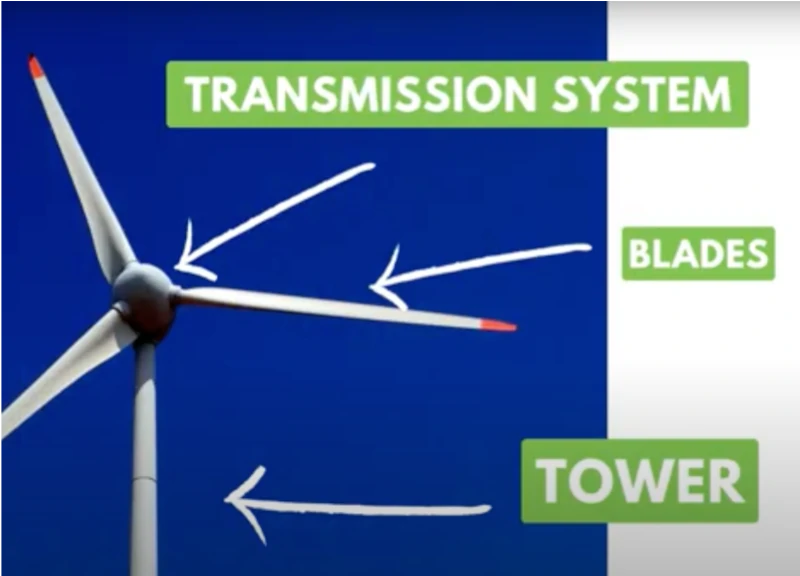
- Wind flows over the turbine rotor, creating lift on the blades.
- The lift spins the rotor, turning a low‑speed shaft.
- A gearbox (or direct‑drive system) increases rotational speed for the generator.
- The generator produces alternating current, which is conditioned and fed into the grid.
Solar Photovoltaic Energy
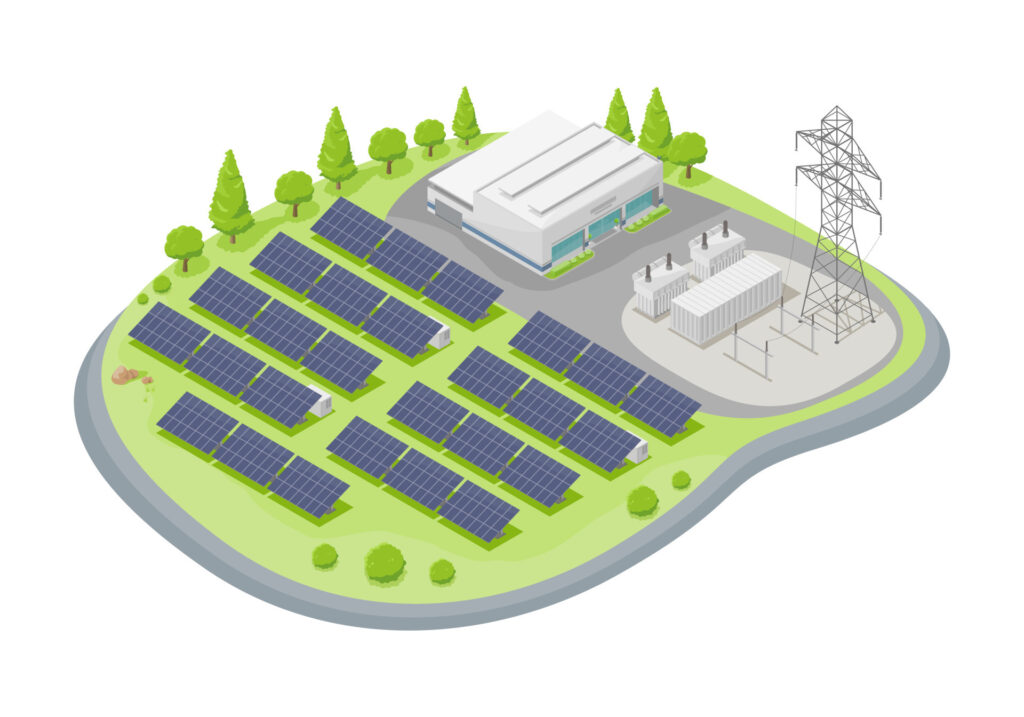
- Photons strike a semiconductor cell, exciting electrons and creating electron‑hole pairs.
- An internal electric field separates the charge carriers, producing direct current (DC).
- Inverters convert DC to alternating current (AC) compatible with the grid.
Nuclear Power
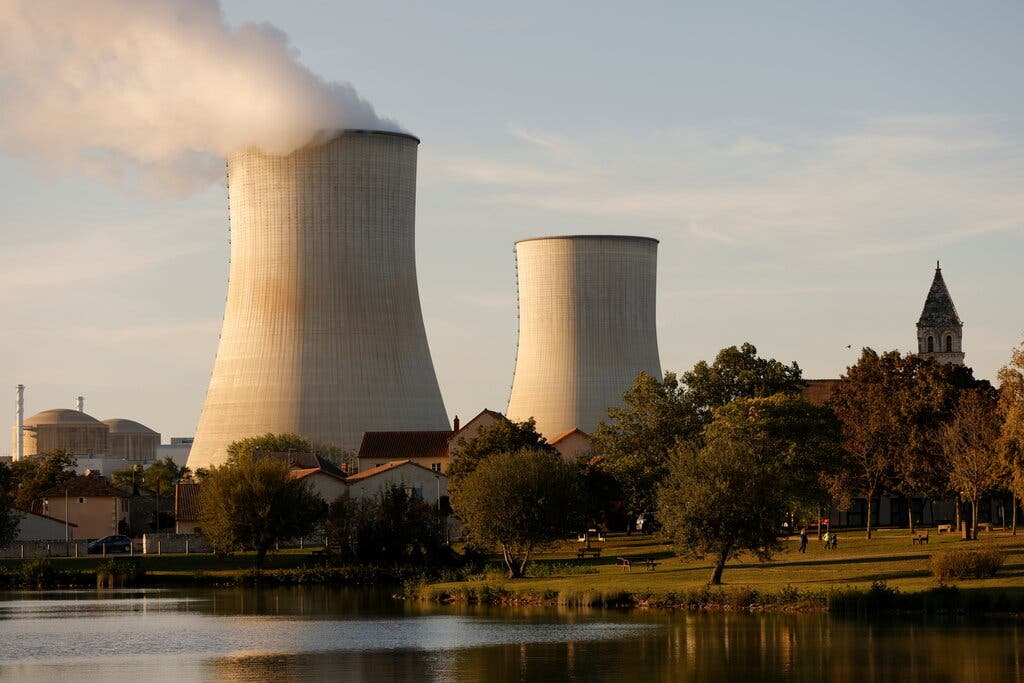
- Uranium‑235 nuclei absorb neutrons and split, releasing heat and more neutrons.
- The heat converts water into high‑pressure steam.
- Steam drives a turbine linked to an electrical generator.
- After the turbine, steam is condensed and recirculated to the reactor.
What Does the Evidence Show?
Long‑term monitoring by the International Energy Agency (IEA, 2023) indicates that wind, solar and nuclear together supplied about 30 % of global electricity in 2022, with wind accounting for 9 %, solar 8 % and nuclear 10 %. Lifecycle assessments compiled by the Intergovernmental Panel on Climate Change (IPCC, 2022) rank wind and nuclear among the lowest‑emission electricity sources (≈10‑15 g CO₂‑eq/kWh), while solar PV is slightly higher (≈40‑50 g CO₂‑eq/kWh) because of energy‑intensive silicon processing.
Cost trends from Lazard’s 2022 Levelised Cost of Electricity (LCOE) report show utility‑scale wind at $30‑$60 /MWh, solar at $35‑$55 /MWh, and new‑build nuclear at $110‑$150 /MWh, though nuclear costs vary widely by country and financing model. Grid‑integration studies (National Renewable Energy Laboratory, 2021) demonstrate that high penetrations of wind and solar increase the need for flexible storage or demand‑response, whereas nuclear’s steady output reduces those ancillary requirements.
Main Causes or Drivers
Policy and Market Incentives
Renewable portfolio standards, feed‑in tariffs and carbon pricing have accelerated wind and solar deployment. Nuclear growth is often linked to national energy‑security strategies and long‑term power‑purchase agreements.
Resource Availability
Wind speed distributions, solar irradiance and uranium ore deposits dictate geographic suitability. Coastal plains and offshore sites favour wind; low‑latitude deserts and rooftops favour solar; uranium mining is concentrated in Australia, Kazakhstan, Canada and Niger.
Technological Innovation
Advances in turbine blade aerodynamics, bifacial PV cells and small‑modular reactors (SMRs) continually shift cost‑performance curves, making each technology more competitive over time.
Environmental and Human Impacts
Environmental Impacts
- Land use: Utility‑scale solar farms can require 5‑10 ha per MW, wind farms 1‑3 ha per MW, while nuclear plants need less than 0.5 ha per MW because equipment is vertically stacked.
- Wildlife: Wind turbines can cause bird and bat mortality, especially along migration corridors; mitigation includes careful siting and blade‑painting research. Solar farms may alter desert flora but can be co‑located with grazing.
- Water use: Conventional nuclear and concentrated solar‑thermal plants need significant cooling water; wind and photovoltaic systems use negligible water.
- Radioactive waste: Nuclear generates spent fuel that remains hazardous for thousands of years and requires secure geological repositories.
Human Health and Social Impacts
- Replacing coal or gas with any of the three reduces air‑pollutant emissions, lowering rates of respiratory disease.
- Wind turbines can produce noise and visual impacts that affect nearby residents, leading many jurisdictions to enforce setback distances.
- Nuclear accidents, though extremely rare, can have long‑term health and displacement consequences, as documented at Chernobyl (1986) and Fukushima (2011).
Economic and Infrastructure Impacts
- Construction of wind farms and solar arrays creates short‑term jobs in manufacturing and installation; nuclear projects provide long‑term, highly skilled employment.
- High penetrations of variable renewables often require grid upgrades and large‑scale storage, while nuclear can integrate into existing baseload infrastructure with modest upgrades.
Regional Differences
In Europe, offshore wind capacity factors exceed 50 % because of consistent sea‑borne winds, making wind highly competitive. In the United States Sun Belt, solar PV capacity factors reach 25‑30 %, supporting rapid rooftop adoption. France generates over 70 % of its electricity from nuclear due to historic policy choices, whereas sub‑Saharan Africa, with abundant solar irradiance but limited grid infrastructure, relies heavily on off‑grid PV systems for electricity access.
What Scientists Know With High Confidence
- All three technologies emit far less CO₂ over their lifecycles than coal or natural gas.
- Wind and solar output are variable on hourly to seasonal scales; nuclear output is continuously stable.
- Modern Generation III+ nuclear reactors have safety margins that make severe accidents less than one in ten‑thousand reactor‑years (World Nuclear Association, 2022).
- Cost reductions for wind and solar have persisted for more than two decades, outpacing most other generation technologies.
What Remains Uncertain
Key uncertainties include the long‑term performance and economics of grid‑scale battery storage, the commercial viability of advanced nuclear concepts such as small‑modular reactors, and the social acceptance of extensive wind farms in densely populated regions. Climate‑change‑induced shifts in wind patterns and solar irradiance are also under active research; model ensembles suggest regional variations but no consensus on global magnitude.
Common Misconceptions
Misconception: Solar panels generate electricity at night.
Reality: Photovoltaic cells require sunlight; output drops to near zero after sunset, so storage or complementary generation is needed for 24‑hour supply.
Misconception: Nuclear power is more polluting than coal.
Reality: Lifecycle analyses show nuclear emits roughly 10‑15 g CO₂‑eq/kWh, comparable to wind and far lower than coal’s 800‑1000 g CO₂‑eq/kWh.
Misconception: Wind turbines kill more birds than domestic cats.
Reality: Studies by the U.S. Fish and Wildlife Service (2021) indicate that domestic cats cause far more bird mortality per kilometer of habitat than wind turbines.
Solutions and Limitations
Decarbonising the electricity sector requires a diversified mix:
- Expand offshore wind: Reduces land‑use conflicts but raises marine‑environment concerns such as seabed disturbance.
- Scale distributed solar: Enables rapid deployment and rooftop generation, yet widespread adoption needs affordable, long‑duration storage.
- Deploy new nuclear capacity: Provides firm, low‑carbon baseload power, but high upfront capital costs, lengthy licensing and waste‑management policies limit rapid expansion.
- Integrate grid‑scale storage and demand‑response: Improves reliability of variable renewables, though current battery costs and material supply chains present constraints.
Each strategy carries trade‑offs. Offshore wind can affect fisheries; solar farms may compete with agriculture; nuclear poses waste and safety challenges. Successful implementation depends on aligning technology with regional resources, grid flexibility and societal licence.
What Individuals, Communities, and Governments Can Do
What Individuals Can Do
- Choose renewable electricity tariffs where offered.
- Install rooftop solar or join community solar projects.
- Support local zoning that balances wind development with wildlife protection.
What Communities and Organizations Can Do
- Develop cooperative wind or solar farms that retain local ownership.
- Partner with utilities to pilot battery storage or demand‑response programs.
- Engage transparently about nuclear site safety and waste‑management plans.
What Governments Can Do
- Implement stable, long‑term carbon pricing to internalise fossil‑fuel externalities.
- Fund research on advanced reactors, grid‑scale storage and recycling of PV materials.
- Set clear land‑use guidelines that protect biodiversity while allowing renewable expansion.
Closing Synthesis
Wind turbines, solar panels and nuclear power each bring essential attributes to a low‑carbon energy system: wind offers high capacity factors in breezy regions, solar provides distributed generation and rapid deployment, and nuclear delivers reliable baseload power with minimal operational emissions. The scientific consensus affirms their climate benefits, yet uncertainties around storage, waste, and social acceptance persist. A resilient future will likely blend all three technologies, tailoring the mix to local climate, grid infrastructure and societal values rather than seeking a single universal winner.
Frequently Asked Questions
What is the main difference between wind, solar and nuclear power in terms of reliability?
Wind and solar are variable—they produce electricity only when wind blows or sunlight shines—so they need storage or complementary sources. Nuclear power runs continuously, providing steady baseload electricity with capacity factors above 90 %.
How do the lifecycle greenhouse‑gas emissions of these three technologies compare?
Lifecycle analyses show wind and nuclear emit about 10‑15 g CO₂‑eq per kilowatt‑hour, while solar photovoltaic systems emit roughly 40‑50 g CO₂‑eq per kilowatt‑hour because of energy‑intensive silicon manufacturing.
Which technology uses the most land per megawatt of capacity?
Utility‑scale solar farms typically require 5‑10 hectares per megawatt, making them the most land‑intensive. Wind farms need about 1‑3 hectares per megawatt, and nuclear plants need less than 0.5 hectares per megawatt due to high energy density.
What are the biggest social concerns associated with nuclear power?
Public concerns focus on the long‑term management of radioactive waste, the high upfront capital cost, and the potential consequences of rare but severe accidents, which can affect health and lead to displacement.
How can individuals help accelerate the transition to low‑carbon electricity?
Individuals can choose renewable electricity tariffs, install rooftop solar or join community solar projects, and support local policies that balance wind development with wildlife protection.





Leave a Comment