
Wind energy provides a renewable, low‑carbon power source that enhances energy security, creates jobs, and complements other renewables, making it a cornerstone of the worldwide shift toward clean electricity.
Quick Answer
Wind energy converts the kinetic energy of moving air into electricity using turbines that spin a generator. Because wind is abundant, widely distributed, and emits no greenhouse gases during operation, it reduces reliance on fossil fuels and lowers overall carbon emissions. The technology is mature, costs have fallen dramatically, and large‑scale deployment can improve national energy independence. While site‑specific wind variability and wildlife impacts require careful planning, the net climate benefit is robust and well‑documented.
Key Takeaways
- Wind is an inexhaustible, globally available resource that generates electricity without direct CO₂ emissions.
- Since 2010, the levelized cost of wind power has dropped by more than 60%, making it competitive with new coal and gas plants.
- Every megawatt of installed wind capacity can avoid roughly 1.5 million tCO₂ yr⁻¹, according to the Intergovernmental Panel on Climate Change (IPCC) AR6.
- Wind farms create jobs in manufacturing, construction, operation, and maintenance, supporting both rural and coastal economies.
- When paired with solar and storage, wind helps balance supply, enhancing grid reliability.
What Are the Advantages of Wind Energy in the Global Clean Energy Transition?
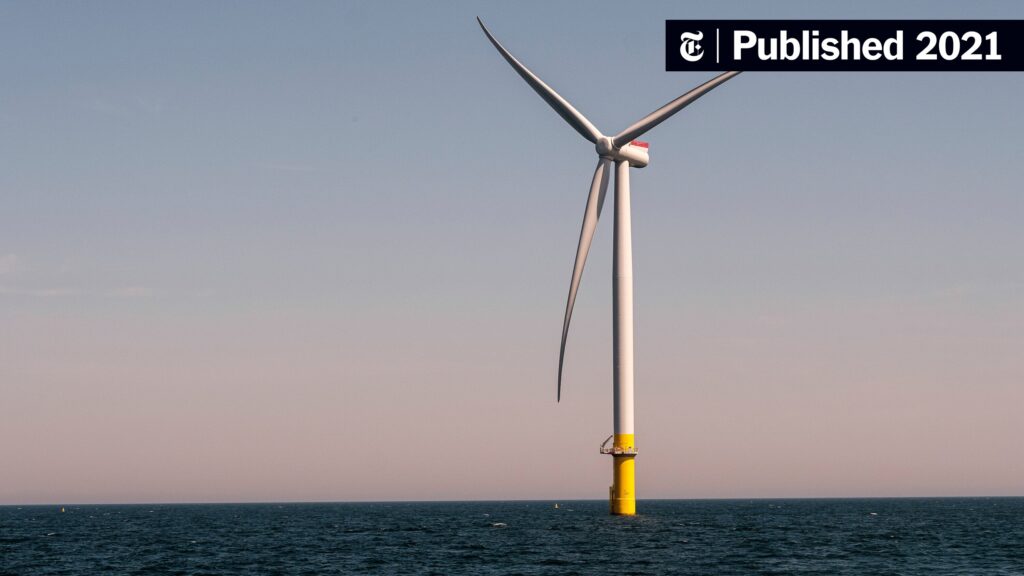
Wind energy refers to the generation of electricity from the kinetic motion of atmospheric air using wind turbines. The term encompasses on‑shore installations (typically in open plains, hills, or coastal belts) and off‑shore farms (mounted in shallow seas or deep‑water sites). Unlike fossil‑fuel plants, wind turbines have no fuel‑burning process, so operational emissions are essentially zero. The advantages arise from three interrelated dimensions: environmental (low emissions, minimal water use), economic (job creation, declining costs), and strategic (energy security and grid flexibility).
How Does It Work?
1. Capturing the Wind
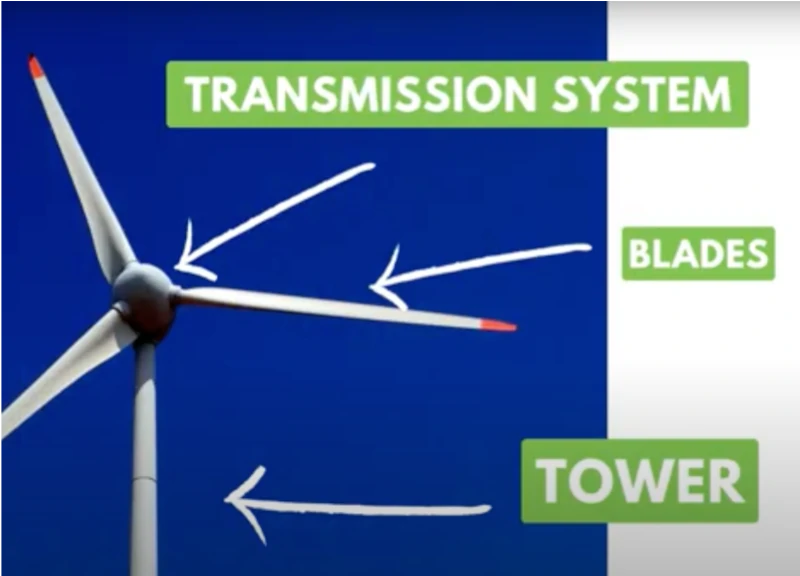
Wind speed varies with altitude; turbines are placed on towers 80–150 m tall to access faster, more consistent flows. The kinetic energy per unit area is proportional to the cube of wind speed (½ ρ v³), where ρ is air density and v is wind velocity. Modern turbines are designed to capture the maximum portion of this energy—typically 30–45 % of the theoretical limit known as the Betz limit.
2. Converting Kinetic Energy to Electricity
Blades rotate a low‑speed shaft, which drives a gearbox (or directly drives a generator in direct‑drive designs). The gearbox increases rotation speed to match the generator’s requirements, producing alternating current that is then converted to grid‑compatible electricity via power electronics.
3. Integrating with the Grid
Electricity from turbines is transmitted through cables to substations, where it is stepped up to high voltage for long‑distance transport. Advanced forecasting, smart‑grid controls, and increasingly affordable battery storage mitigate the intermittent nature of wind, allowing operators to balance supply and demand.
What Does the Evidence Show?
Multiple lines of evidence confirm wind’s climate benefit. The IPCC’s Sixth Assessment Report (2021) cites wind power as one of the most effective mitigation options, estimating that 1 GW of new wind capacity can offset up to 2.5 MtCO₂ yr⁻¹ under average wind conditions. The International Energy Agency (IEA) reported in its World Energy Outlook 2023 that wind contributed 7 % of global electricity generation, up from 4 % in 2015, and that cumulative installed capacity reached 837 GW. Life‑cycle analyses (e.g., a 2020 meta‑analysis in *Renewable and Sustainable Energy Reviews*) find that the total greenhouse‑gas emissions from wind are 10–20 g CO₂‑eq kWh⁻¹, an order of magnitude lower than coal (≈820 g CO₂‑eq kWh⁻¹). Economic studies consistently show a positive net‑present‑value for wind projects in most regions when accounting for avoided fuel costs and carbon pricing.
Main Causes or Drivers
Policy and Market Incentives
Renewable portfolio standards, feed‑in tariffs, and auction mechanisms have spurred investment. Carbon pricing in the EU and parts of North America makes wind more financially attractive relative to fossil fuels.
Technological Improvements
Larger rotor diameters (up to 260 m) and taller towers increase capacity factors from ≈25 % to >50 % in high‑wind sites, enhancing energy yield per turbine.
Energy Security Concerns
Countries seeking to reduce dependence on imported gas or oil view domestic wind resources as a strategic asset, especially after geopolitical shocks that have exposed supply vulnerabilities.
Environmental and Human Impacts
Environmental Impacts
Wind farms emit no air pollutants during operation, improving local air quality and reducing respiratory disease risk. They also require negligible water, unlike thermoelectric cooling. However, turbine blades can cause bird and bat mortality; meta‑studies suggest mortality rates are region‑specific and can be mitigated through siting, curtailment during migration, and technology such as ultrasonic deterrents.
Human Health and Social Impacts
Reduced air‑pollution translates into fewer premature deaths. A 2019 WHO assessment linked a 10 % reduction in PM₂.₅ to an estimated 1 % decline in cardiovascular mortality, a benefit that wind‑rich regions can realize. Socially, wind projects can provide community revenue streams (e.g., land lease payments) that support local services, though equitable benefit‑sharing must be ensured.
Economic and Infrastructure Impacts
According to the Global Wind Energy Council (GWEC) 2022 report, the wind sector employed over 1.2 million people worldwide, with the majority in manufacturing and installation. Infrastructure upgrades (grid reinforcement, ports for turbine components) generate additional economic activity. Nonetheless, upfront capital costs and grid connection fees can be a barrier for low‑income regions without external financing.
Regional Differences
Wind resource quality varies dramatically. The United States’ Great Plains, China’s coastal provinces, and offshore sites in Europe enjoy average wind speeds >8 m s⁻¹, supporting high capacity factors. In contrast, parts of South Asia and sub‑Saharan Africa have lower average speeds, requiring taller turbines or hybrid solutions with solar. Policy environments also differ: the EU’s Green Deal provides a clear regulatory pathway, whereas some developing nations lack stable incentives, slowing deployment despite favorable wind conditions.
What Scientists Know With High Confidence
- Wind turbines generate electricity without emitting CO₂ or criteria air pollutants during operation.
- Life‑cycle greenhouse‑gas emissions from wind are among the lowest of all energy technologies.
- Cost reductions have been sustained for over a decade, making wind competitive with fossil fuels in many markets.
- When combined with storage or complementary renewables, wind can contribute to a reliable, low‑carbon electricity system.
What Remains Uncertain
Key uncertainties involve the long‑term durability of offshore turbine foundations in corrosive marine environments, the scalability of recycling for composite blades, and the precise magnitude of wildlife impacts in under‑studied regions. Improved monitoring and standardized reporting will reduce these gaps, but they do not negate wind’s overall climate benefit.
Common Misconceptions
Misconception: Wind turbines cause more pollution than they prevent.
Reality: Life‑cycle analyses show that wind’s total emissions are <1 % of those from coal or natural‑gas plants, even when accounting for manufacturing, transport, and decommissioning.
Misconception: Wind power is unreliable and cannot meet baseload demand.
Reality: Grid integration tools—such as forecasting, demand‑response, and storage—allow high shares of wind to be accommodated without compromising reliability, as demonstrated in regions with >30 % wind penetration (e.g., Denmark).
Misconception: Wind farms destroy local ecosystems.
Reality: Proper siting avoids sensitive habitats; many wind farms are placed on already disturbed lands (e.g., former agricultural fields) and can coexist with grazing or pollinator‑friendly planting.
Solutions and Limitations
Scaling wind power involves expanding on‑shore and offshore capacity, improving turbine efficiency, and enhancing grid flexibility. Limitations include land‑use competition, visual and noise concerns, and the need for substantial transmission infrastructure. Addressing these trade‑offs requires transparent stakeholder engagement, robust environmental impact assessments, and investment in complementary technologies such as battery storage and demand‑side management.
What Individuals, Communities, and Governments Can Do
What Individuals Can Do
Support policies that incentivize renewable energy, choose electricity suppliers that source from wind, and consider community‑owned wind projects where available.
What Communities and Organizations Can Do
Conduct local wind resource assessments, develop cooperative ownership models, and negotiate power purchase agreements that lock in wind‑derived electricity for schools, hospitals, or businesses.
What Governments Can Do
Implement stable, long‑term renewable targets; streamline permitting processes; fund research on blade recycling and offshore foundation durability; and provide financing mechanisms for low‑income regions to access wind resources.
Looking Ahead
Wind energy’s advantages—zero‑emission operation, declining costs, and job creation—make it an essential pillar of the global clean‑energy transition. While uncertainties persist around offshore durability and wildlife interactions, ongoing research and policy support are rapidly closing these gaps. By coupling wind with storage, demand‑response, and complementary renewables, societies can achieve a resilient, low‑carbon power system that safeguards both climate and human well‑being.
Frequently Asked Questions
How does wind energy generate electricity without emitting greenhouse gases?
Wind turbines convert the kinetic energy of moving air into electricity using rotating blades that drive a generator. Because no fuel is burned, the process produces no CO₂ or other greenhouse gases during operation.
What is the typical carbon‑offset potential of a new wind turbine?
According to the IPCC AR6, a 1 MW wind turbine can avoid roughly 1.5 million tCO₂ per year over its lifetime, depending on local wind speeds and capacity factor.
Are there any significant environmental drawbacks to wind farms?
The main concerns are bird and bat mortality, visual impact, and land‑use competition. These can be mitigated through careful siting, curtailment during migration periods, and community engagement.
How does wind energy contribute to job creation?
Wind projects generate employment across manufacturing, turbine installation, operations, and maintenance. The Global Wind Energy Council reports over 1.2 million jobs worldwide, with many located in rural areas.
Can wind power alone provide reliable electricity for a grid?
Wind can supply a large share of electricity when combined with forecasting, storage, demand‑response, and complementary renewables. Countries like Denmark already run on more than 30 % wind without compromising reliability.





Leave a Comment