
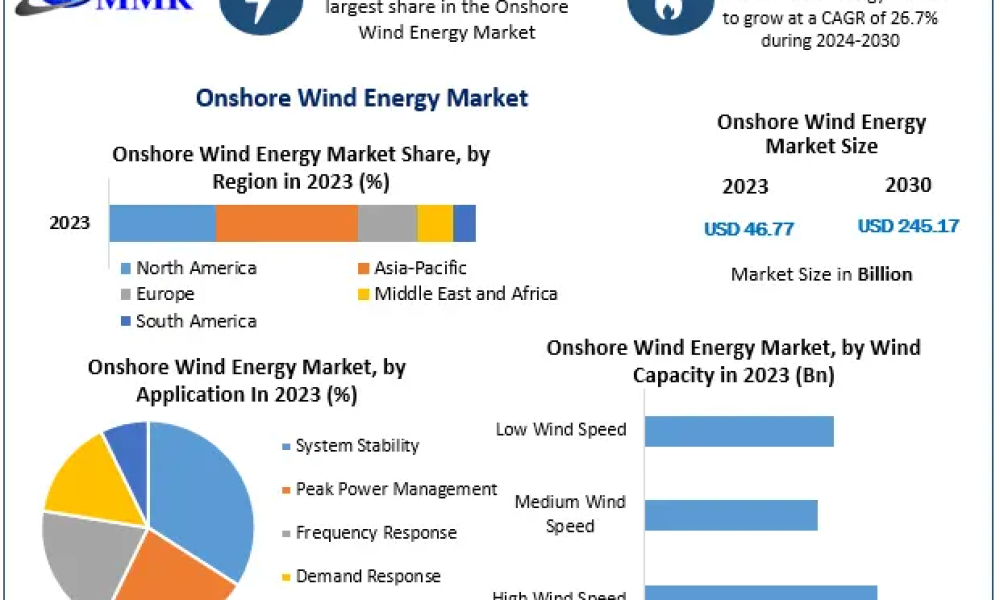
The onshore wind energy market converts wind into electricity through land‑based turbines, offering a rapidly growing, low‑carbon power source that reshapes energy systems worldwide.
Quick Answer
Onshore wind energy refers to electricity generated by turbines installed on land, where kinetic energy from atmospheric wind is transformed into electrical power via rotating blades and generators. The market encompasses turbine manufacturers, project developers, investors, and operators, and it is expanding because wind is abundant, cost‑competitive, and helps lower greenhouse‑gas emissions. While the technology is mature, uncertainties remain around site selection, wildlife impacts, and long‑term grid integration.
Key Takeaways
- Onshore wind supplies roughly 10 % of global electricity and is projected to reach a market value of over USD 245 billion by 2030.
- Capital costs have fallen by more than 40 % since 2010, making new farms economically viable without subsidies in many regions.
- Wind farms create jobs in manufacturing, construction, and operations, often revitalizing rural economies.
- Environmental benefits include avoided CO₂ emissions, but turbine siting must address bird, bat, and habitat concerns.
- Policy stability, grid upgrades, and community engagement are critical to sustaining growth.
What Is The Onshore Wind Energy Market Explained?
The onshore wind energy market comprises all activities involved in producing electricity from land‑based wind turbines. It includes the design and manufacture of turbine components, financing and construction of wind farms, operation and maintenance services, and the sale of generated power to utilities or directly to consumers. Unlike offshore wind, which uses marine sites, onshore projects are sited on hills, plains, or coastal ridges where wind speeds are sufficient and land‑use conflicts can be managed. The market is measured in installed capacity (megawatts, MW) and in monetary terms (investment, revenue).
How Does It Work?
Physical Process
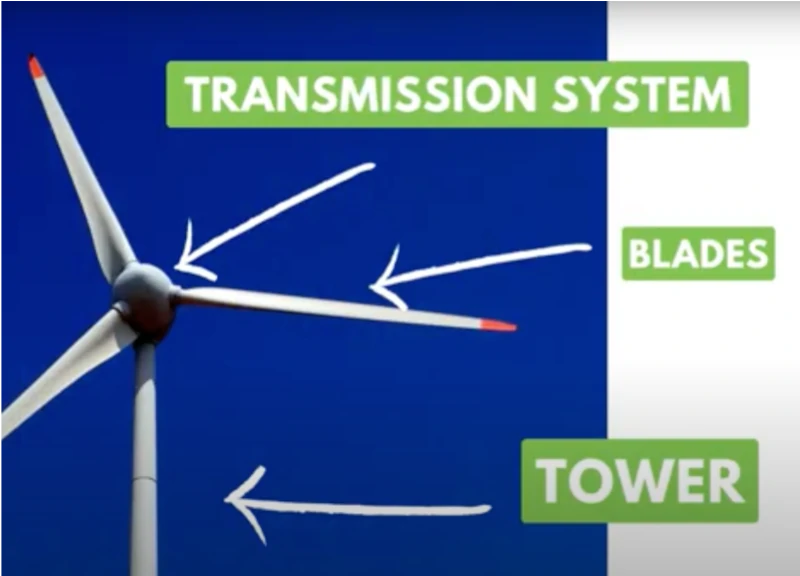
- Wind flows over a turbine rotor, creating lift on the blades.
- The lift causes the rotor to spin, driving a low‑speed shaft.
- A gearbox (or direct‑drive system) increases rotational speed for the generator.
- The generator converts mechanical energy into electrical energy.
- Power is conditioned through transformers and fed into the grid.
Human and Economic System
Project developers assess wind resource maps, secure land rights, and obtain permits. Investors provide capital, often leveraging tax credits or power purchase agreements (PPAs) that guarantee a price for the electricity. Once built, operators monitor turbine performance, conduct routine maintenance, and manage the sale of electricity. Revenues are used to repay debt, pay investors, and fund further expansion.
What Does the Evidence Show?
Long‑term monitoring by national agencies such as the U.S. Energy Information Administration (EIA) and the International Energy Agency (IEA) shows that onshore wind capacity grew from about 90 GW in 2010 to over 300 GW in 2022, with an average levelized cost of electricity (LCOE) falling from USD 120 /MWh to below USD 40 /MWh (IEA, 2023). Meta‑analyses of life‑cycle assessments indicate that wind power offsets 1.5 kg of CO₂ per kWh generated, far lower than fossil‑fuel baselines (European Environment Agency, 2022). Socio‑economic studies report that each megawatt of installed onshore wind creates roughly 1.5 full‑time jobs during construction and 0.2 permanent jobs during operation (World Bank, 2021).
Main Causes or Drivers
Policy and Climate Commitments
Nationally determined contributions (NDCs) under the Paris Agreement compel many countries to increase renewable‑energy shares, and onshore wind is often the most cost‑effective option.
Technology Improvements
Advances in blade aerodynamics, taller towers, and larger rotors increase capacity factors from 25 % to 45 % in high‑quality sites.
Economic Factors
Reduced manufacturing costs, economies of scale, and competitive financing lower the levelized cost of electricity, making wind competitive with natural‑gas and coal.
Environmental and Human Impacts
Environmental Impacts
Onshore wind avoids CO₂ emissions equivalent to the displacement of approximately 400 million tonnes of coal‑derived electricity per year (IEA, 2023). However, turbine blades can cause bird and bat mortality; systematic reviews estimate 0.5–2 % of local bird populations may be affected without mitigation measures.
Human Health and Social Impacts
Communities near wind farms experience reduced air‑pollution‑related health risks. Noise and visual impact concerns are documented, but most studies find that noise levels below 45 dB(A) do not cause measurable health effects. Employment generated by wind projects can improve local incomes and reduce out‑migration in rural areas.
Economic and Infrastructure Impacts
Wind farms contribute tax revenue, lease payments to landowners, and stimulate local supply chains. Grid integration may require transmission upgrades, which entail additional investment and planning.
Regional Differences
Europe leads in installed capacity per capita, with Germany, Spain, and the United Kingdom accounting for over 100 GW combined (Eurostat, 2022). In the United States, the Midwest’s flat terrain provides high wind speeds, while the Great Plains host the largest farms. Emerging markets such as Brazil and India are expanding rapidly, but face challenges related to land‑use policy and grid capacity. In arid regions, wind resources are strong but water scarcity limits construction activities for foundations.
What Scientists Know With High Confidence
- Wind energy displaces fossil‑fuel electricity, leading to measurable reductions in CO₂ emissions.
- The LCOE of onshore wind has fallen dramatically and is now competitive in most mature markets.
- Job creation and economic benefits are concentrated during the construction phase and in regions with supportive policy frameworks.
- Bird and bat mortality can be mitigated through siting, turbine curtailment, and technology such as ultrasonic deterrents.
What Remains Uncertain
Key uncertainties include the long‑term durability of large‑scale turbine components, the social acceptance of turbines in densely populated areas, and the exact magnitude of wildlife impacts under varying mitigation strategies. Additionally, the speed at which grid operators can integrate high shares of intermittent wind without costly storage remains an active research topic.
Common Misconceptions
Misconception: Onshore wind is always cheaper than any other energy source.
Reality: While the levelized cost has fallen, the total system cost depends on site‑specific factors, grid connection fees, and local market conditions.
Misconception: Wind turbines cause large numbers of human health problems.
Reality: Peer‑reviewed studies find no consistent link between turbine noise at regulated levels and adverse health outcomes.
Misconception: Wind power cannot operate in low‑wind periods.
Reality: Modern turbines can generate electricity at wind speeds as low as 3 m/s, and hybrid renewable systems can balance variability.
Solutions and Limitations
Key strategies to maximise benefits and minimise downsides include:
- Improved siting and environmental assessments: Using high‑resolution wind and wildlife data reduces conflict with habitats.
- Grid modernization: Flexible transmission, demand‑response, and storage technologies help accommodate variable wind output.
- Policy incentives: Stable renewable‑portfolio standards and auction mechanisms encourage investment without long‑term subsidy dependence.
- Community ownership models: Co‑operatives allow locals to share revenue, improving acceptance.
Limitations involve land availability, potential visual impact, and the need for substantial upfront capital. No single solution eliminates all trade‑offs; a combination of technical, economic, and social measures is required.
What Individuals, Communities, and Governments Can Do
What Individuals Can Do
- Support electricity providers that source power from onshore wind through green tariffs.
- Participate in local wind‑energy workshops or community‑owned projects.
- Advocate for transparent permitting processes in your municipality.
What Communities and Organizations Can Do
- Conduct collaborative wind‑resource assessments to identify suitable sites.
- Develop benefit‑sharing agreements that allocate a portion of revenues to local schools or infrastructure.
- Implement wildlife monitoring programs to inform adaptive management.
What Governments Can Do
- Establish clear, stable renewable‑energy targets and streamlined permitting.
- Invest in transmission upgrades and ancillary services to integrate high wind shares.
- Provide tax credits or low‑interest financing for small‑scale onshore projects.
- Mandate independent environmental impact assessments that include mitigation plans.
Synthesis
The onshore wind energy market converts a free, abundant resource into low‑carbon electricity, driving economic growth and climate mitigation while presenting manageable environmental and social challenges. High‑confidence evidence confirms its emissions‑avoidance benefits and cost competitiveness; remaining uncertainties revolve around wildlife impacts, grid integration, and long‑term component reliability. By coupling robust policy, technological innovation, and community engagement, societies can harness wind power responsibly and sustainably.
Frequently Asked Questions
What is onshore wind energy?
Onshore wind energy is electricity generated by wind turbines installed on land, where moving air turns turbine blades, driving a generator that produces power for the grid.
How do wind turbines convert wind into electricity?
Wind lifts turbine blades, causing them to spin; the rotation drives a shaft that powers a generator, which converts mechanical energy into electrical energy that is then fed into the transmission system.
What are the main environmental benefits of onshore wind?
Onshore wind displaces fossil‑fuel generation, avoiding large amounts of CO₂ emissions, reduces air‑pollution‑related health risks, and requires minimal water, making it a low‑impact renewable power source.
Why are birds and bats sometimes a concern for wind farms, and how can impacts be reduced?
Turbine blades can cause bird and bat mortality, especially in migration corridors. Impacts are reduced through careful site selection, curtailment during peak activity periods, and technologies such as ultrasonic deterrents.
How can individuals support the growth of onshore wind energy?
Individuals can choose electricity providers that offer wind‑generated power, join community wind projects, and advocate for transparent permitting and supportive renewable‑energy policies in their local area.




Leave a Comment