
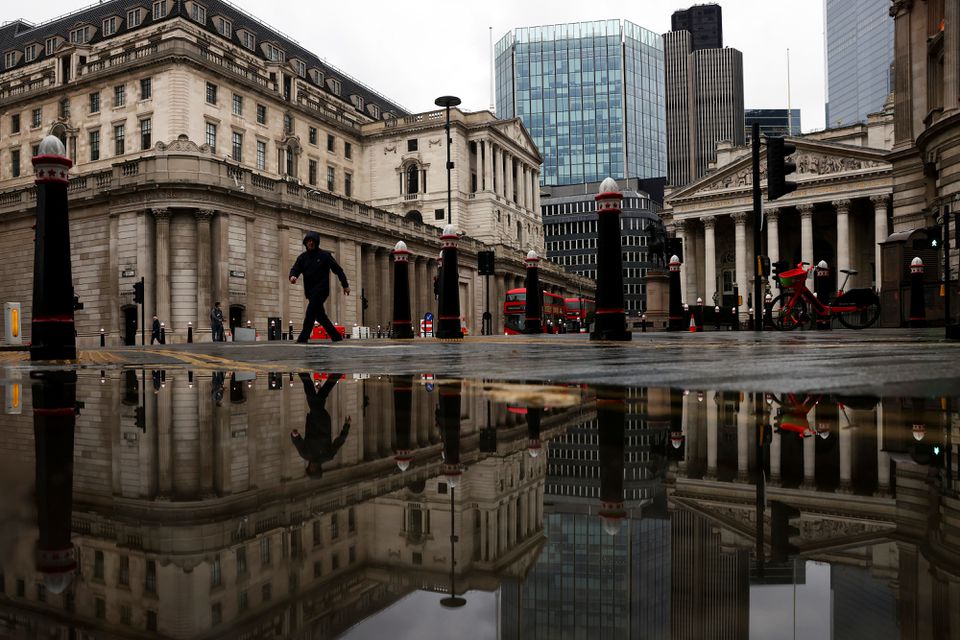
The Bank of England has broadened its mandate to embed green climate goals, linking monetary stability with climate risk management and shaping sustainable finance worldwide.
Quick Answer
The Bank of England now formally incorporates green climate objectives into its core responsibilities, meaning it will assess and address climate‑related financial risks alongside traditional monetary policy goals. By using tools such as climate stress tests and revised prudential supervision, the Bank aims to safeguard economic stability while nudging banks toward greener portfolios. While the approach is grounded in strong evidence that climate risks threaten financial systems, uncertainties remain around the best metrics and the speed of market response.
Key Takeaways
- The Bank of England’s expanded mandate integrates climate risk assessment into monetary and prudential policy.
- Climate stress testing, introduced in 2021, evaluates banks’ resilience to physical and transition risks.
- Uniform standards for measuring climate risk are still under development, creating comparability challenges.
- Green finance products, such as green bonds, can grow but must avoid superficial greenwashing.
- Technological advances in data analytics improve risk modelling, yet raise ethical concerns about data use.
What Is Bank of England Expands Its Mandate to Include Green Climate Goals?
The Bank of England’s mandate traditionally focuses on price stability, financial stability, and the issuance of currency. In 2023 the Bank announced a formal integration of green climate goals, meaning climate considerations become a core criterion for its regulatory and supervisory actions. This does not create a new regulatory agency; rather, existing bodies like the Prudential Regulation Authority (PRA) now have explicit responsibility to monitor climate‑related exposures and to promote sustainable finance practices across the UK banking sector.
How Does It Work?
1. Climate Stress Testing
Since 2021, the Bank conducts stress tests that simulate severe climate scenarios – both physical (e.g., extreme floods) and transition (e.g., rapid decarbonisation). Banks submit data on loan portfolios, asset holdings, and emissions. The Bank’s models estimate potential losses, capital shortfalls, and liquidity pressures under each scenario.
2. Revised Prudential Supervision
The PRA incorporates climate risk metrics into its supervisory framework. Banks must disclose climate‑related financial information, set targets for reducing carbon‑intensive assets, and develop transition plans that align with net‑zero pathways endorsed by the UK government.
3. Monetary Policy Considerations
While the Bank’s primary tool remains interest‑rate setting, climate objectives influence macro‑prudential decisions. For example, the Bank may adjust collateral requirements to favour assets with lower climate risk, indirectly steering credit toward greener projects.
4. Data Infrastructure and Analytics
Advanced data platforms aggregate climate‑related disclosures, satellite imagery, and scenario data. Machine‑learning algorithms help identify hidden exposure concentrations and forecast future risk trajectories.
What Does the Evidence Show?
Multiple strands of evidence support the Bank’s approach. The Intergovernmental Panel on Climate Change (IPCC) AR6 report (2021) concludes that unchecked climate change could cause up to 20 % of global GDP losses by 2100, creating systemic financial threats. A 2022 systematic review in the Journal of Financial Stability found that banks with higher exposure to carbon‑intensive sectors exhibit greater credit‑risk volatility during climate‑related shocks. Moreover, the Bank of England’s own 2021 climate stress test revealed that, under a 4 °C warming scenario, the UK banking sector could face aggregate losses of £200 billion, highlighting the relevance of forward‑looking risk assessment.
Main Causes or Drivers
Physical Climate Risks
Increasing frequency and severity of extreme weather events—such as floods, heatwaves, and storms—damage assets that serve as collateral for loans, leading to higher default rates.
Transition Risks
Policy shifts, technological change, and market preferences toward low‑carbon solutions can devalue assets tied to fossil fuels, creating stranded‑asset risk.
Regulatory Momentum
International frameworks like the Network for Greening the Financial System (NGFS) encourage central banks to embed climate considerations, providing a policy driver for the Bank of England’s mandate.
Environmental and Human Impacts
Environmental Impacts
By steering capital away from high‑emission activities, the Bank’s policies can reduce greenhouse‑gas (GHG) emissions associated with financed projects. Over time, this contributes to the UK’s net‑zero target of 2050, potentially limiting temperature rise and associated ecosystem degradation.
Human Health and Social Impacts
Reduced financing for polluting industries can improve air quality, lowering incidences of respiratory illness. Conversely, abrupt shifts without adequate transition support could exacerbate job losses in carbon‑dependent regions, highlighting the need for just‑transition policies.
Economic and Infrastructure Impacts
Financial stability benefits from lower systemic risk, but banks may face short‑term balance‑sheet adjustments as they re‑price climate‑exposed assets. Infrastructure projects aligned with low‑carbon pathways—such as renewable energy—receive more favorable financing, accelerating decarbonisation of the energy system.
Regional Differences
In the United Kingdom, the Bank’s mandate directly influences domestic banks and, through international subsidiaries, impacts global financing patterns. In contrast, emerging‑market banks may face weaker regulatory pressure, leading to divergent climate‑risk management practices. European central banks, such as the European Central Bank, have adopted similar climate‑risk frameworks, creating a regional convergence in standards, whereas the United States currently relies on market‑driven disclosures rather than a central‑bank mandate.
What Scientists Know With High Confidence
- Climate change poses material financial risks through physical damage and transition‑related asset devaluation (IPCC, 2021).
- Robust stress‑testing frameworks can identify concentration of climate risk in bank portfolios (Bank of England, 2021).
- Transparent climate disclosures improve market pricing of risk and reduce information asymmetry (NGFS, 2022).
What Remains Uncertain
Key uncertainties include the optimal scenario design for stress tests, the reliability of forward‑looking emissions data supplied by borrowers, and the speed at which market participants will adjust portfolios in response to regulatory signals. Additionally, the interaction between climate risk and other systemic shocks—such as pandemics—remains an active research area.
Common Misconceptions
Misconception: The Bank’s new mandate is merely symbolic.
Reality: The mandate introduces binding supervisory expectations, mandatory disclosures, and quantitative stress‑test requirements that have measurable financial implications.
Misconception: Green finance automatically means low‑risk investments.
Reality: Green assets can carry unique risks, such as policy uncertainty or technology performance, and must be evaluated with the same rigor as conventional assets.
Misconception: All banks will instantly shift to sustainable lending.
Reality: Portfolio reallocation depends on asset‑liability structures, client demand, and the availability of credible green projects; transition will be gradual.
Solutions and Limitations
Effective responses combine several approaches:
- Regulatory Standards: Harmonised climate‑risk reporting (e.g., Task Force on Climate‑Related Financial Disclosures) improves comparability, but achieving global consistency is challenging.
- Market Incentives: Green bonds and sustainability‑linked loans provide cheaper capital for low‑carbon projects; however, they risk greenwashing without robust verification.
- Technological Tools: AI‑driven risk models enhance scenario analysis, yet data quality and algorithmic bias remain concerns.
- Capacity Building: Training for risk officers and investment teams is essential, but resource constraints may limit uptake in smaller institutions.
What Individuals, Communities, and Governments Can Do
What Individuals Can Do
Choose banks that publish clear climate‑risk disclosures, consider sustainability‑linked savings products, and support policies that demand transparency from financial institutions.
What Communities and Organizations Can Do
Local governments can develop green procurement standards, encouraging banks to fund renewable‑energy projects and climate‑resilient infrastructure.
What Governments Can Do
Policymakers can adopt mandatory climate‑risk reporting, fund research on climate‑financial linkages, and align fiscal incentives with the Bank’s green objectives.
What Businesses and Industries Can Do
Enterprises can set science‑based emissions targets, disclose scope‑1,‑2,‑3 emissions, and engage with banks to secure financing for low‑carbon transitions.
Synthesis of Findings
The Bank of England’s integration of green climate goals illustrates a growing consensus that financial stability and climate stewardship are inseparable. Strong evidence links climate change to systemic financial risk, and the Bank’s stress‑testing regime provides a practical tool to quantify that risk. While methodological uncertainties and implementation challenges persist, the direction of policy—toward transparent, risk‑adjusted financing—offers a credible pathway for aligning the banking sector with global climate objectives.
Frequently Asked Questions
What does it mean that the Bank of England has expanded its mandate to include green climate goals?
It means the Bank now formally integrates climate‑risk assessment into its core regulatory and monetary responsibilities, using tools like stress tests and revised supervision to ensure financial stability while encouraging greener lending.
How do climate stress tests help banks manage climate‑related financial risks?
Stress tests simulate severe physical and transition scenarios, estimating potential losses and capital shortfalls. This lets banks identify vulnerable exposures, adjust risk buffers, and develop strategies to mitigate climate‑related shocks.
What are the main types of climate risk that the Bank of England focuses on?
The Bank concentrates on physical risks (e.g., floods, storms) that damage assets and transition risks that arise from policy changes, technology shifts, and market moves toward a low‑carbon economy.
Can individuals influence the Bank of England’s climate agenda?
Yes. Individuals can choose banks that provide transparent climate disclosures, use sustainability‑linked financial products, and support public policies that demand clear climate‑risk reporting from financial institutions.
What uncertainties remain about the Bank’s new climate‑focused policies?
Uncertainties include the best design of stress‑test scenarios, the reliability of borrowers’ emissions data, and how quickly markets will reallocate capital in response to the new regulatory expectations.









Leave a Comment