
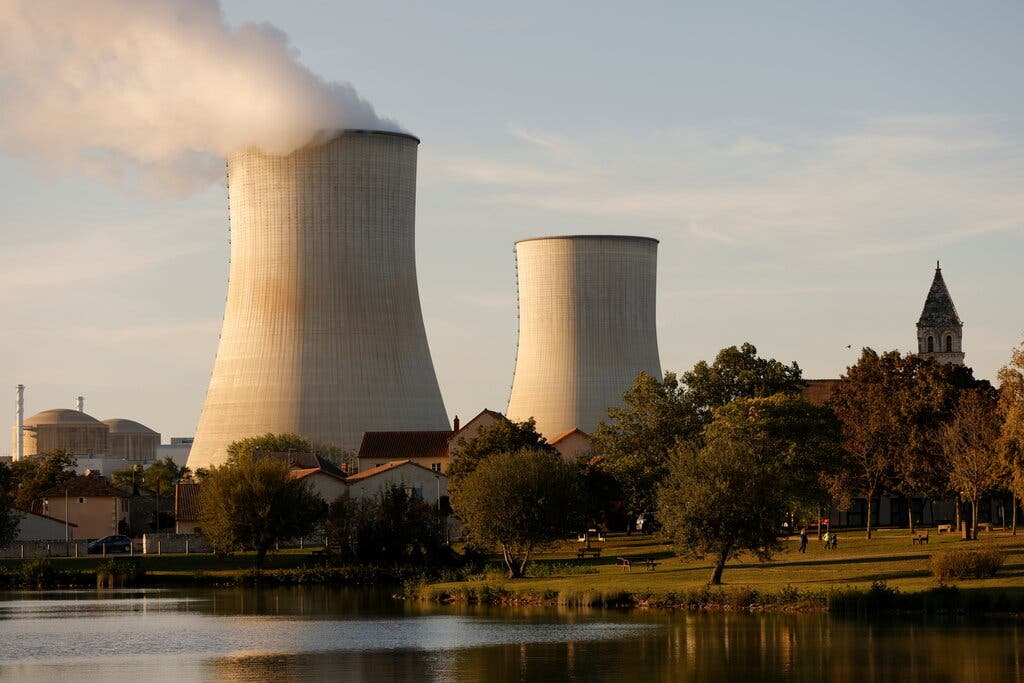
Belgium’s nuclear fleet supplies about half of the nation’s electricity, prompting a debate over whether it serves as a low‑carbon bridge to a sustainable future or poses long‑term environmental and safety risks.
Quick Answer
Belgium’s nuclear reactors provide reliable, low‑carbon power that helps meet EU climate targets, but the technology carries unresolved challenges such as radioactive waste management, high decommissioning costs, and accident risk. Evidence shows nuclear energy can reduce greenhouse‑gas emissions, yet uncertainties about long‑term waste solutions and future demand mean the reactors are a partial, not complete, answer to the energy transition.
Key Takeaways
- Nuclear power generates ~50% of Belgium’s electricity with near‑zero operational CO₂ emissions.
- Spent‑fuel storage remains an unsolved issue; Belgium lacks a permanent geological repository.
- Decommissioning existing plants will cost billions of euros and extend over decades.
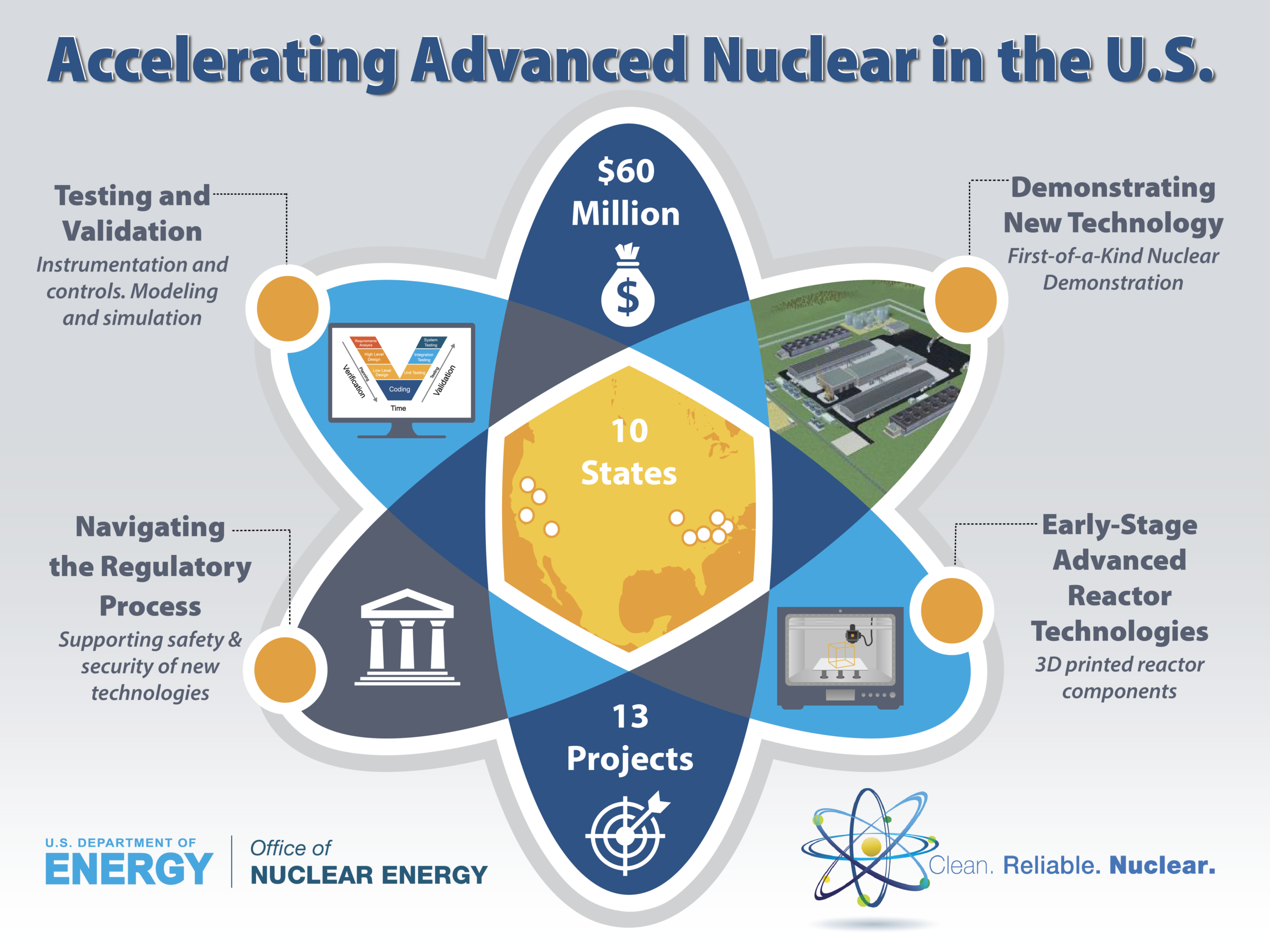
- Small modular reactors (SMRs) promise improved safety, but they are still in early commercial stages.
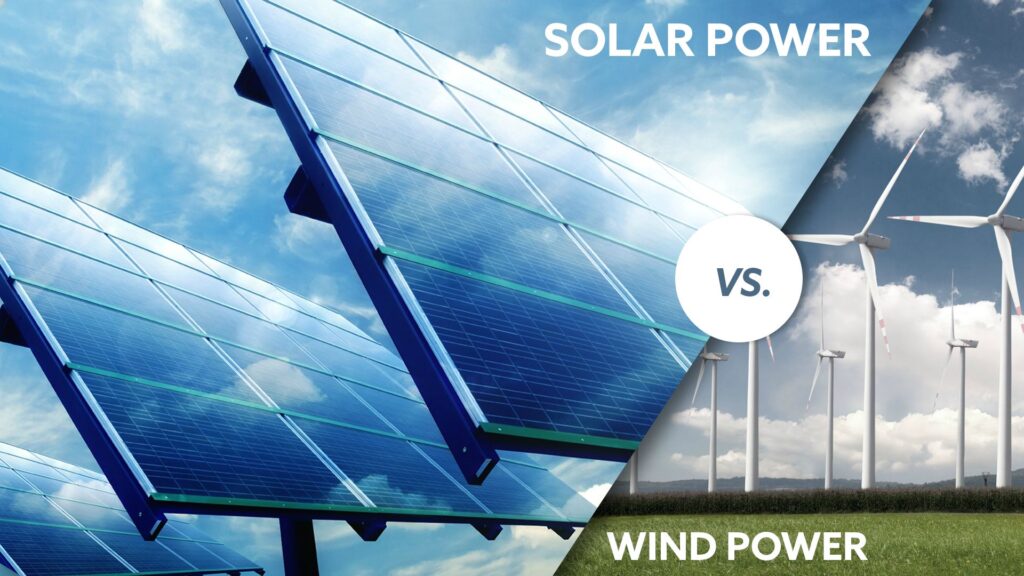
- A diversified mix of nuclear, wind, solar, and demand‑side measures offers the most resilient low‑carbon pathway.
What Is Belgium’s Nuclear Reactors: Climate Solution or Energy Risk??
Belgium operates seven pressurised‑water reactors at two sites – Doel and Tihange – built between 1975 and 1985. Together they produce roughly 10 GW of electricity, enough to meet about half of national demand. The term “nuclear reactor” here refers to commercial, civilian power plants that use uranium‑235 fission to generate heat, which is turned into electricity via steam turbines. The debate centres on whether this existing fleet should be maintained, extended, or replaced in the context of climate mitigation and energy security.
How Does It Work?
Core Physical Process
- Uranium fuel rods are placed in the reactor core.
- Neutron collisions split uranium atoms, releasing heat (fission).
- Heat turns water into high‑pressure steam.
- Steam drives turbine generators that produce electricity.
- After use, fuel becomes highly radioactive spent fuel, requiring cooling and storage.
Systemic Interactions
The reactors are integrated into Belgium’s national grid, providing baseload power that is not dependent on weather. Their output can be adjusted within limits to support grid stability, especially when intermittent renewables fluctuate.
What Does the Evidence Show?
Multiple assessments, including the International Energy Agency’s 2022 World Energy Outlook and the European Environment Agency’s 2021 report on power‑sector emissions, confirm that nuclear electricity in Belgium reduces CO₂ emissions by roughly 9 Mt CO₂‑eq per year compared with a fossil‑fuel‑only mix. Life‑cycle analyses (e.g., a 2020 peer‑reviewed study in *Energy Policy*) indicate that total greenhouse‑gas emissions from nuclear are comparable to wind and solar, and far lower than natural‑gas or coal plants.
However, long‑term monitoring of waste sites (e.g., the 2021 Belgian Nuclear Research Centre report) shows that no permanent deep‑geological repository exists in the EU, leaving spent fuel stored on‑site in interim facilities. Safety analyses after Fukushima (published by the Belgian Federal Agency for Nuclear Control, 2021) reaffirm that Doel and Tihange meet European safety standards, yet they also highlight the need for upgrades to cope with extreme flooding scenarios.
Main Causes or Drivers
Policy Drivers
EU climate legislation (Fit for 55) obliges member states to cut net‑zero emissions by 2050, incentivising low‑carbon sources. Belgium’s 2020 Energy Strategy earmarked nuclear as a “transition technology” while planning for a gradual phase‑out by 2025, later extended to 2035 for certain units.
Economic Drivers
High capital costs for new renewables and grid reinforcement make the existing nuclear fleet economically attractive in the short term. Conversely, decommissioning budgets – estimated at €10–12 billion for the whole fleet – create fiscal pressure.
Technical Drivers
Advances in reactor design, particularly SMRs, promise lower capital costs and inherent safety features, but commercial deployment in Belgium is still speculative.
Environmental and Human Impacts
Environmental Impacts
- Climate mitigation: Near‑zero operational CO₂ emissions help meet national targets.
- Radioactive waste: Spent fuel remains hazardous for up to hundreds of thousands of years; interim storage poses leakage risk.
- Thermal pollution: Cooling water discharge can raise river temperatures, affecting aquatic ecosystems.
- Land use: Reactor sites occupy limited land compared with wind farms, but the surrounding exclusion zones restrict other developments.
Human Health and Social Impacts
- Occupational exposure for plant workers is tightly regulated; epidemiological studies in Europe show no statistically significant increase in cancer rates among workers when safety protocols are followed.
- Public perception in Belgium remains cautious; a 2022 Eurobarometer survey found 57% of respondents expressed concern about nuclear safety.
- Potential accidents, though low probability, could have severe regional consequences, as illustrated by Chernobyl and Fukushima.
Economic and Infrastructure Impacts
- Operating reactors provide stable electricity prices, supporting industrial competitiveness.
- Decommissioning requires specialized labor and long‑term financial guarantees, influencing national budgets.
Regional Differences
Within Belgium, the Flemish region hosts Doel, while Wallonia contains Tihange. Both regions experience similar climate benefits, but local opposition is stronger around Tihange due to historical protests. Compared with neighboring countries such as the Netherlands (which has no nuclear plants), Belgium’s nuclear share is higher, giving it a relative advantage in meeting EU carbon budgets but also a higher waste management burden.
What Scientists Know With High Confidence
- Nuclear power generation emits far less CO₂ than coal or natural gas over its full life cycle.
- Existing reactors in Belgium are technically capable of operating safely under current European safety regulations.
- Radioactive waste from spent fuel remains hazardous for geological timescales, and no permanent disposal solution is in place in the EU.
- Decommissioning nuclear facilities is a multi‑decade process that requires substantial financial resources.
What Remains Uncertain
Key uncertainties include the timeline and site selection for a permanent deep‑geological repository for high‑level waste, the commercial viability and grid integration of SMRs, and the exact cost trajectory of large‑scale renewable deployment that could replace nuclear capacity without jeopardising system reliability.
Common Misconceptions
Misconception: Nuclear power is carbon‑free.
Reality: While operational emissions are negligible, the full life‑cycle—including mining, fuel fabrication, and plant construction—generates measurable CO₂, though still far lower than fossil fuels.
Misconception: Existing reactors are too old to be safe.
Reality: Age alone does not determine safety; regular upgrades, safety reviews, and stringent European oversight keep reactors within acceptable risk limits.
Misconception: Small modular reactors will instantly solve waste issues.
Reality: SMRs reduce the volume of high‑level waste per unit of electricity but still produce radioactive spent fuel that requires long‑term management.
Solutions and Limitations
Three broad response pathways are under discussion:
- Maintain and upgrade existing reactors: Extends low‑carbon supply but does not resolve waste storage or decommissioning costs.
- Invest in renewable expansion and storage: Provides sustainable generation, yet requires significant grid upgrades and may face intermittency challenges.
- Deploy next‑generation reactors (e.g., SMRs): Offers safety improvements, but commercial readiness and regulatory approval are still years away.
Each option entails trade‑offs between cost, timeline, public acceptance, and environmental impact.
What Individuals, Communities, and Governments Can Do
What Individuals Can Do
- Support policies that fund renewable research and transparent waste‑management programs.
- Engage in local stakeholder meetings about nuclear site plans to ensure community concerns are heard.
- Reduce personal electricity consumption through energy‑efficient appliances, lowering overall demand on the grid.
What Communities and Organizations Can Do
- Partner with universities to monitor local environmental indicators (e.g., river temperature near cooling‑water discharge points).
- Develop community‑owned renewable projects that can complement baseload nuclear supply.
What Governments Can Do
- Finalize a legally binding, financially secured plan for a deep‑geological waste repository, as recommended by the IAEA.
- Allocate clear decommissioning funds through a dedicated levy on electricity consumers.
- Accelerate grid‑modernisation investments to enable higher shares of wind and solar while preserving system stability.
- Support pilot SMR projects under strict safety and waste‑handling frameworks.
Closing Synthesis
Belgium’s nuclear reactors currently provide a substantial low‑carbon electricity supply that aids compliance with EU climate goals. The technology’s strengths—reliable baseload power and minimal operational emissions—must be weighed against unresolved waste disposal, high decommissioning costs, and the societal desire for safer, renewable alternatives. High‑confidence evidence confirms nuclear’s climate benefit, yet uncertainties around long‑term waste management and the scalability of next‑generation reactors persist. A pragmatic path forward combines maintaining safe existing plants, investing heavily in renewable capacity and storage, and pursuing responsible research into SMRs, all under transparent governance and robust public engagement.
Frequently Asked Questions
How much of Belgium’s electricity comes from nuclear power?
About 50 % of Belgium’s electricity is generated by its seven pressurised‑water reactors, according to the Belgian grid operator’s 2023 statistics.
Do nuclear reactors emit greenhouse gases?
Operationally, nuclear plants emit near‑zero CO₂, but the full life‑cycle—including mining, fuel fabrication, and construction—produces modest emissions, still far lower than those from coal or natural gas.
What is the main challenge with nuclear waste in Belgium?
Belgium has no permanent deep‑geological repository for high‑level waste, so spent fuel is stored on‑site in interim facilities, creating long‑term safety and policy uncertainties.
Can small modular reactors replace existing nuclear plants in Belgium?
SMRs promise improved safety and smaller footprints, but they are not yet commercially proven; deployment would likely take a decade or more and still generate radioactive waste.
What actions can the Belgian government take to improve nuclear safety?
The government can finalize a waste‑repository plan, secure dedicated decommissioning funds, upgrade plant safety systems to address extreme events, and support transparent public engagement.




Leave a Comment