
Asia’s plastic waste crisis stems from rapid consumption, inadequate waste management, and mounting environmental impacts, prompting a continent‑wide shift toward policy, technology, and community solutions.
Quick Answer
Plastic waste in Asia refers to the generation, handling, and environmental release of synthetic polymer products across the region. Rapid urbanisation and low‑cost packaging drive consumption, while limited collection and recycling infrastructure allow large amounts to enter rivers, soils, and oceans. Evidence from the United Nations Environment Programme (UNEP, 2022) shows that Asia produces about 60% of global plastic waste, with roughly 2.5 million tonnes entering the marine environment each year. The most urgent impact is ecosystem degradation, especially in coastal and riverine systems, which also threatens public health and livelihoods. Uncertainty remains around long‑term fate of microplastics and the effectiveness of emerging policy measures.
Key Takeaways
- Asia generates the majority of the world’s plastic waste, driven by population growth and cheap single‑use products.
- Inadequate collection, informal recycling, and open dumping create pathways for plastic to pollute rivers, soils, and oceans.
- High‑confidence evidence links plastic pollution to biodiversity loss, food‑chain contamination, and human health risks.
- Policy bans, extended‑producer‑responsibility schemes, and low‑carbon alternatives are showing measurable reductions in several countries.
- Success depends on coordinated action across governments, industry, communities, and individuals, with attention to equity and local context.
What Is Asia’s Growing Battle Against Plastic Waste?
The phrase describes the continent‑wide effort to curb the production, mis‑management, and environmental release of plastic materials. It encompasses formal policies (e.g., single‑use bans), informal community initiatives (e.g., beach clean‑ups), and technological innovations (e.g., biodegradable polymers). The scope includes all forms of plastic—from packaging and textiles to micro‑beads—across urban, rural, coastal, and inland settings. Unlike broader “global plastic pollution,” this focus highlights the distinct socioeconomic, cultural, and governance contexts that shape Asian waste streams.
How Does It Work?
Production and Consumption Cycle
Low‑cost petro‑based polymers dominate manufacturing because they enable cheap, lightweight, and durable products. Rapid urbanisation and rising middle‑class incomes increase demand for packaged food, personal‑care items, and electronic accessories, inflating per‑capita plastic use to roughly 150 kg yr⁻¹ in many East‑Asian economies (World Bank, 2021).
Waste Management Pathways
After use, plastic follows one of three main pathways:
- Formal collection and recycling: Municipal services collect waste, but recycling rates remain modest—averaging 30% in high‑income Asian cities and under 10% in many low‑income regions (UNEP, 2022).
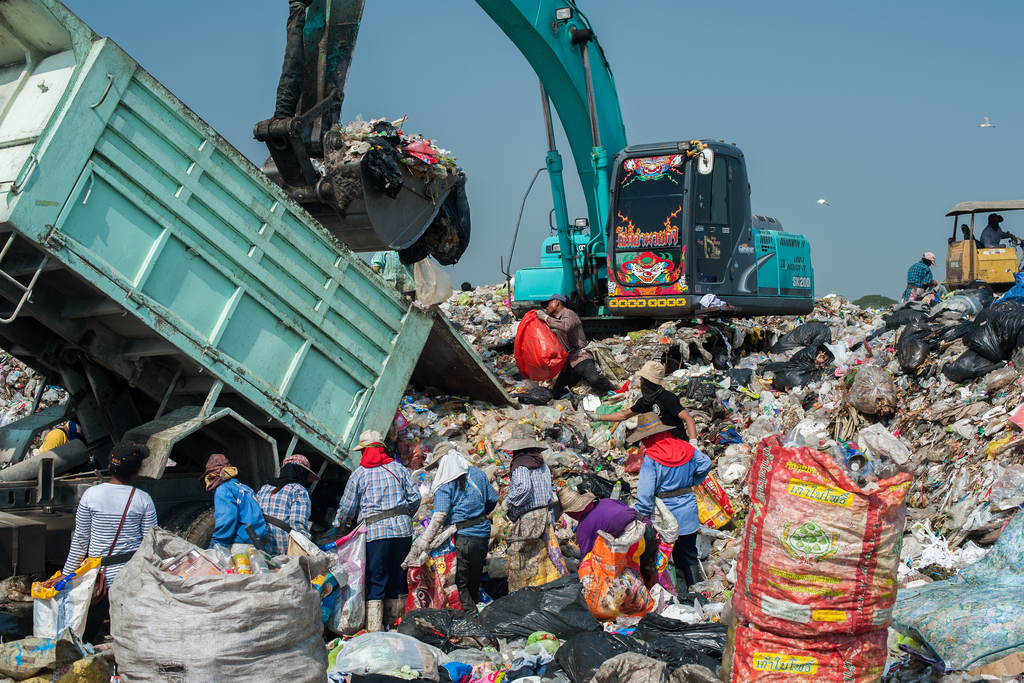
- Informal recovery: Waste‑pickers recover valuable polymers for resale, often without proper safety measures, creating a parallel economy that both mitigates and perpetuates leakage.
- Open disposal: Inadequate landfill capacity and illegal dumping lead to plastic entering waterways during rain events.
Environmental Transport
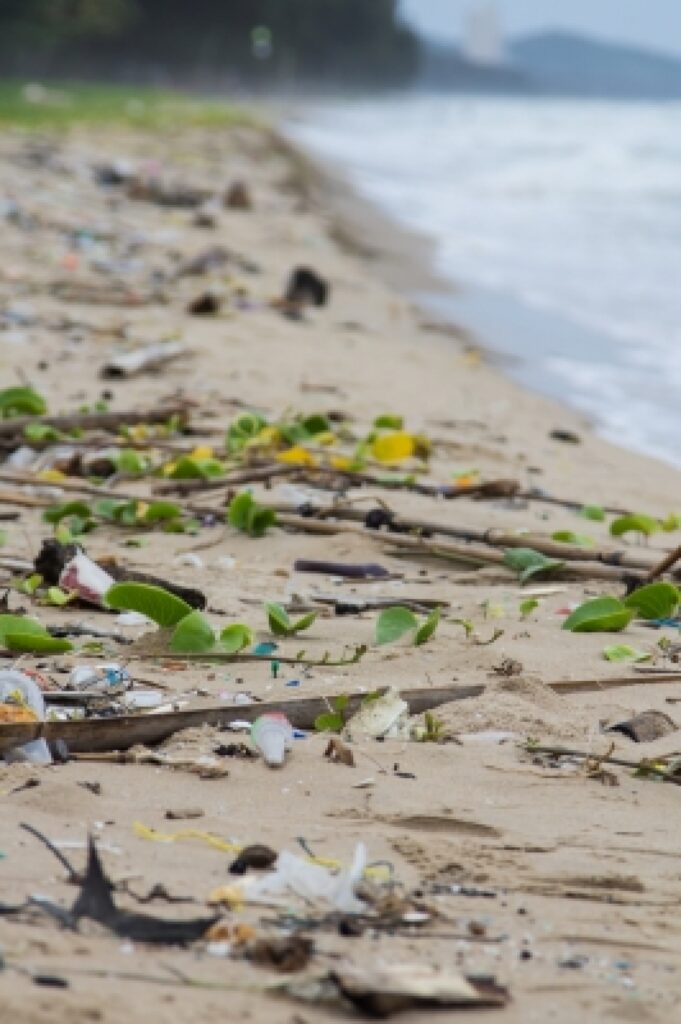
Rivers such as the Yangtze, Mekong, and Ganges act as conduits, moving mis‑managed debris downstream. Modeling by the International Water Association (2020) estimates that 70% of plastic entering Asian seas originates from river discharge. Once in the ocean, plastics fragment into micro‑particles that persist for decades, entering food webs and sediment layers.
What Does the Evidence Show?
Long‑term monitoring by UNEP (2022) and peer‑reviewed syntheses (e.g., Jambeck et al., 2020) consistently demonstrate three patterns: (1) Asia’s share of global plastic waste exceeds 50% across the past decade; (2) river‑borne plastics dominate marine input; and (3) biodiversity impacts—including ingestion by fish, sea turtles, and seabirds—are widespread. Field experiments in the Mekong Delta reveal that plastic litter reduces benthic macroinvertebrate diversity by up to 35% (Science of the Total Environment, 2021). Human‑exposure studies from the Chinese Center for Disease Control link high microplastic concentrations in drinking water to elevated gastrointestinal inflammation markers, though causality remains under investigation.
Main Causes or Drivers
Direct Causes
- High consumption of single‑use packaging and disposable items.
- Insufficient municipal collection infrastructure.
- Open dumping and uncontrolled landfill leachate.
Underlying Drivers
- Economic incentives for low‑cost plastic production.
- Rapid urban growth outpacing waste‑service expansion.
- Cultural habits that favour convenience over reuse.
- Limited public awareness of plastic’s long‑term persistence.
Environmental and Human Impacts
Environmental Impacts
Plastic debris alters habitats by smothering coral reefs, reducing light penetration in mangroves, and transporting invasive species. Microplastics accumulate in sediments, affecting nutrient cycling and soil fertility. Marine species suffer entanglement and ingestion, leading to mortality rates estimated at 100,000 animals yr⁻¹ in the South China Sea alone (UNEP, 2022).
Human Health and Social Impacts
People living near open dumps experience higher rates of respiratory irritation from burning plastic and exposure to toxic additives such as phthalates. Fisheries dependent on coastal waters report reduced catches due to habitat degradation, threatening food security for millions. Informal waste‑pickers, often women and children, face occupational hazards including injuries and chemical exposure.
Regional Differences
East‑Asian economies like Japan, South Korea, and Singapore have invested heavily in high‑efficiency recycling, achieving rates above 60% and implementing strict plastic‑bag taxes. In contrast, South‑Asian nations such as Bangladesh and Nepal rely heavily on informal collection, with recycling rates below 5% and widespread river dumping. Southeast‑Asian archipelagos (e.g., Indonesia, the Philippines) face amplified marine leakage due to extensive coastlines and limited landfill space. These patterns reflect variations in governance capacity, economic resources, and cultural practices.
What Scientists Know With High Confidence
- Plastic persists in the environment for centuries, with degradation times ranging from decades to millennia.
- Riverine transport is the dominant pathway for plastic entering Asian marine ecosystems.
- High concentrations of microplastics are detectable in coastal sediments and marine organisms across the region.
- Policy interventions—such as bans on single‑use bags and expanded producer‑responsibility—correlate with measurable reductions in plastic litter where enforced.
What Remains Uncertain
Key knowledge gaps include the long‑term fate of nanoplastics in soil, the dose‑response relationship between microplastic ingestion and human disease, and the scalability of biodegradable alternatives under varied climate conditions. Monitoring networks are uneven, leaving uncertainty about total annual leakage in many low‑income river basins. Future research that couples field sampling with life‑cycle assessment will reduce these gaps.
Common Misconceptions
Misconception: Recycling solves the plastic problem.
Reality: Recycling recovers only a fraction of plastic waste; low‑quality streams and contamination limit its effectiveness, and most recycled material still eventually degrades into micro‑fragments.
Misconception: Biodegradable plastics disappear harmlessly.
Reality: Biodegradable polymers often require industrial composting conditions rarely met in Asian waste systems, and they can fragment into microplastics if improperly managed.
Misconception: Plastic pollution is only a marine issue.
Reality: Plastics accumulate in soils, freshwater systems, and the atmosphere, affecting agriculture, drinking water, and terrestrial wildlife.
Solutions and Limitations
Effective responses combine prevention, improved management, and circular‑economy incentives:
- Policy bans and fees: Single‑use bag levies in China (2021) reduced bag use by 70%, but enforcement gaps allow continued illegal distribution.
- Extended Producer Responsibility (EPR): Thailand’s EPR scheme (2020) funds collection infrastructure, yet smaller manufacturers struggle to meet compliance costs.
- Infrastructure upgrades: Modernizing landfill gas capture improves energy recovery but requires substantial capital and technical expertise.
- Innovation in materials: Bio‑based polymers derived from sugarcane show lower carbon footprints, but large‑scale agricultural feedstock may compete with food production.
- Community‑led clean‑ups: Volunteer river clean‑ups remove visible litter, yet they do not address upstream sources.
Each strategy carries trade‑offs: policy measures can burden low‑income consumers; EPR may shift costs to producers without guaranteeing higher recycling quality; material substitution can create new environmental pressures. Integrated planning that evaluates these dimensions is essential.
What Individuals, Communities, and Governments Can Do
What Individuals Can Do
- Choose reusable containers and bags, especially for groceries and take‑away meals.
- Support brands that use recycled or certified biodegradable packaging.
- Participate in local clean‑up events and report illegal dumping to authorities.
What Communities and Organizations Can Do
- Establish collection points for plastic waste and partner with certified recyclers.
- Run education campaigns in schools that demonstrate proper segregation.
- Develop micro‑enterprise models that up‑cycle plastic into construction materials.
What Governments Can Do
- Implement and enforce nationwide bans on the most polluting single‑use items.
- Adopt EPR legislation with clear targets and financial mechanisms for small producers.
- Invest in modern waste‑treatment facilities, especially in rapidly urbanising megacities.
- Support regional research networks that monitor microplastic concentrations in water and soil.
Closing Synthesis
Asia’s plastic waste challenge is rooted in rapid consumption, insufficient waste infrastructure, and complex socioeconomic drivers. Robust evidence confirms that riverine transport dominates marine leakage, that ecosystems and human health are already affected, and that targeted policies can produce measurable gains. Uncertainties remain around micro‑ and nanoplastic pathways and the large‑scale viability of alternative materials. Progress will require coordinated action: governments setting enforceable standards, industries redesigning products, communities fostering circular practices, and individuals adopting reusable habits. By aligning evidence‑based solutions with local realities, Asia can turn its plastic battle into a catalyst for a more sustainable future.
Frequently Asked Questions
What does the term “plastic waste battle” mean in the Asian context?
It refers to the collective effort across Asian nations to reduce the production, mis‑management, and environmental release of plastic materials through policies, technology, and community actions.
Which Asian countries generate the most plastic waste?
China, India, and Indonesia together account for more than half of the continent’s plastic waste, driven by large populations and high consumption of single‑use packaging.
How does plastic waste impact the Mekong Delta’s ecosystems?
Plastic litter reduces benthic macroinvertebrate diversity by up to 35%, disrupts mangrove sediment flow, and contributes to microplastic contamination of fish that local communities harvest for food.
What policy measures have proven most effective at cutting plastic litter in Asia?
Single‑use bag levies, extended producer responsibility schemes, and strict bans on plastic micro‑beads have each been linked to measurable reductions in plastic waste where they are fully enforced.
What practical steps can individuals in Asian cities take to help reduce plastic waste?
People can switch to reusable bags and containers, choose products with recycled packaging, and join local clean‑up initiatives that collect litter before it enters waterways.





Leave a Comment