
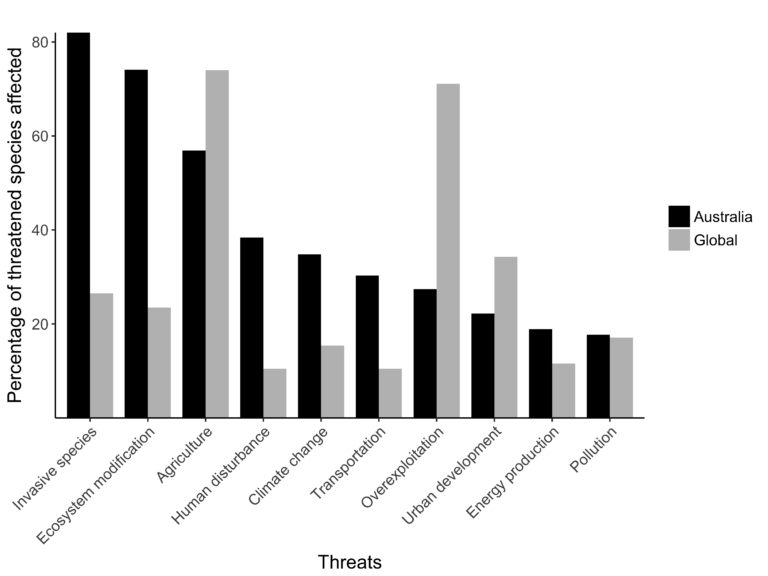
Invasive species are non‑native organisms that spread rapidly, outcompete native life, and undermine ecosystem health, making them one of the most serious, evidence‑based threats to global biodiversity.
Quick Answer
Invasive species are organisms introduced—intentionally or accidentally—outside their historic range that establish self‑sustaining populations and cause ecological or economic harm. Their success stems from rapid reproduction, lack of natural predators, and the ability to alter food webs, nutrient cycles, and habitat structure. Scientific assessments consistently rank them among the top drivers of species loss worldwide. While the magnitude of impact varies by region, the overall trend is a measurable decline in native biodiversity, with considerable uncertainty about long‑term ecosystem resilience.
Key Takeaways
- Invasive species are non‑native organisms that proliferate and disrupt native ecosystems.
- They drive biodiversity loss by outcompeting, predating, or altering habitats of native species.
- Human activities such as global trade, travel, and land‑use change are the primary pathways of introduction.
- Economic costs in the United States exceed $120 billion per year, and global impacts are comparable.
- Effective management combines prevention, early detection, rapid response, and restoration, but each approach has trade‑offs.
- Public awareness and community‑level actions are essential but must be coordinated with policy and scientific monitoring.
What Is Why Invasive Species Are One of Biodiversity’s Biggest Threats?
Invasive species are defined as non‑native plants, animals, fungi, or microorganisms that, after introduction to a new region, establish self‑sustaining populations and cause measurable harm to the environment, economy, or human health. The term differs from “non‑native” or “exotic” species, which may coexist without negative effects. Invasive organisms exploit ecological niches, often reproducing faster than native species and lacking natural predators, leading to displacement, hybridization, or disease transmission. Their importance lies in the cascading consequences they create across ecosystems, from altered fire regimes to reduced pollination services, ultimately eroding the resilience of biodiversity.
How Does It Work?
Pathways of Introduction
Globalization has opened multiple pathways for species to cross biogeographic borders. Primary vectors include:
- International trade of live goods (e.g., ornamental plants, aquarium species).
- Transport of ballast water in ships, which releases aquatic organisms into new coastal waters.
- Movement of contaminated soil, timber, and agricultural products.
- Intentional releases for horticulture, sport fishing, or biological control.
Ecological Mechanisms of Displacement
Once established, invasive species employ several mechanisms that undermine native communities:
- Resource competition: Faster growth or broader diet outcompetes natives for food, light, or space.
- Predation and herbivory: Novel predators (e.g., Asian carp) can decimate naïve prey populations.
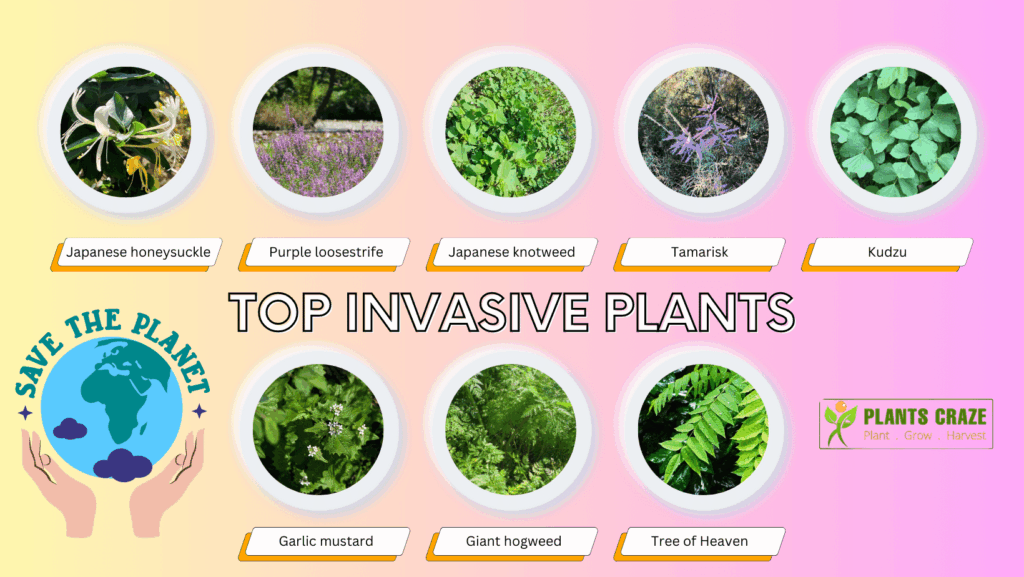
- Habitat modification: Species such as kudzu create dense canopies that suppress understory plants.
- Disease transmission: Introduced pathogens (e.g., chytrid fungus) can cause mass mortalities.
Feedback Loops and Cascading Effects
Disruption often triggers feedback loops. For example, loss of a keystone tree species can reduce habitat complexity, lowering bird diversity, which in turn reduces seed dispersal for remaining plants. These cascading effects amplify the initial impact, leading to altered fire regimes, nutrient cycling, and even climate feedbacks through changes in carbon storage.
What Does the Evidence Show?
Multiple lines of evidence converge on the conclusion that invasive species are a leading cause of biodiversity decline. Long‑term monitoring by the U.S. National Park Service documents a 30 % reduction in native fish abundance in waterways invaded by Asian carp since the 1990s. A systematic review of 85 peer‑reviewed studies (published in *Biological Invasions*, 2021) found that invasive plants reduced native plant richness by an average of 45 % across temperate forests. The Intergovernmental Science‑Policy Platform on Biodiversity and Ecosystem Services (IPBES, 2019) ranks biological invasions alongside habitat loss and climate change as the three most significant drivers of species extinction. Economic assessments by the USDA estimate annual damages of $120 billion in the United States, supporting the claim that ecological impacts translate into measurable economic loss.
Main Causes or Drivers
Human‑Mediated Transport
Global trade moves billions of kilograms of goods each year, creating accidental hitchhikers. The pet trade alone introduced over 300 reptile and amphibian species to new continents in the past two decades, many of which have established invasive populations.
Disturbance and Land‑Use Change
Fragmented habitats, agricultural expansion, and urban development create disturbed edges where invasive species can gain a foothold. Disturbed soils often lack the competitive native vegetation needed to resist colonization.
Climate Change as an Amplifier
Warming temperatures expand the suitable climate envelope for many invasive species, allowing them to move poleward or to higher elevations. Modeling studies by the World Wildlife Fund (2022) predict a 20‑30 % increase in invasive‑species‑friendly habitats by 2050 under moderate emission scenarios.
Environmental and Human Impacts
Environmental Impacts
Invasive species reduce species richness, alter community composition, and change ecosystem processes. The Emerald Ash Borer has killed >70 % of ash trees in the eastern United States, leading to increased forest canopy gaps, altered hydrology, and loss of habitat for cavity‑nesting birds.
Human Health and Social Impacts
Some invasives pose direct health risks. The Asian tiger mosquito (*Aedes albopictus*) spreads dengue and Zika viruses in temperate regions where these diseases were previously rare. Additionally, invasive plants such as giant hogweed cause severe skin burns, affecting outdoor workers and recreationists.
Economic and Infrastructure Impacts
In the agricultural sector, invasive weeds like *Palmer amaranth* reduce corn yields by up to 30 % in the United States Midwest, increasing pesticide use and production costs. In water management, invasive mussels clog intake pipes, raising maintenance expenses for municipal water systems.
Regional Differences
Impacts vary with climate, ecosystem type, and governance capacity. In temperate North America, aquatic invasives such as zebra mussels dominate, while tropical islands face plant invasions that threaten endemic bird species. Europe’s intensive trade network has facilitated the spread of the Asian hornet, which threatens honeybee pollination services across the continent. In low‑income regions, limited resources for monitoring often delay detection, allowing invasives to become entrenched before control measures are feasible.
What Scientists Know With High Confidence
- Invasive species are one of the top three drivers of global species extinction, alongside habitat loss and climate change (IPBES, 2019).
- Rapid reproduction, absence of natural predators, and broad ecological tolerance are consistent traits of successful invaders.
- Economic costs associated with invasive species are measurable and substantial, exceeding $120 billion annually in the United States alone.
- Early detection and rapid response can prevent establishment in the majority of cases, as demonstrated by successful eradication of the gypsy moth in parts of New Zealand.
What Remains Uncertain
Key gaps include precise predictions of which species will become invasive under future climate scenarios, the long‑term effectiveness of biological‑control agents, and the socio‑economic trade‑offs of large‑scale eradication programs. Limited monitoring in many biodiversity‑rich countries hampers the ability to quantify invasion rates, leaving uncertainty about the global total of invasive‑driven extinctions.
Common Misconceptions
Misconception: All non‑native species are harmful.
Reality: Many introduced species coexist without noticeable impact. Only a subset become invasive, typically those that meet specific biological and ecological criteria.
Misconception: Invasive species are a problem only for remote wilderness.
Reality: Urban parks, agricultural fields, and even suburban gardens can harbor invasive organisms that affect nearby natural habitats.
Misconception: Chemical eradication is always the best solution.
Reality: Pesticides can harm non‑target species and water quality. Integrated management that combines mechanical removal, biological control, and habitat restoration often yields more sustainable outcomes.
Misconception: Individual actions have negligible impact.
Reality: Community‑level actions such as citizen‑science monitoring and coordinated removal events can detect invasions early and reduce spread, especially when supported by policy.
Solutions and Limitations
Management strategies fall into three broad categories: prevention, control, and restoration. Prevention—through stricter import regulations, ballast‑water treatment, and public education—offers the highest cost‑effectiveness but requires international cooperation. Control methods include mechanical removal, targeted chemical applications, and biological control agents; each carries ecological trade‑offs, such as non‑target impacts or the risk of introduced control species becoming invasive themselves. Restoration involves re‑establishing native vegetation and rebuilding ecosystem processes after removal, yet success depends on long‑term monitoring and funding.
What Individuals, Communities, and Governments Can Do
What Individuals Can Do
Choose native plants for landscaping, clean equipment before moving between water bodies, and report sightings of unfamiliar species to local extension services.
What Communities and Organizations Can Do
Organize volunteer removal events, support citizen‑science programs that map invasions, and develop local early‑detection networks that share data with regional authorities.
What Governments Can Do
Enforce stringent biosecurity protocols at borders, fund rapid‑response teams, invest in long‑term monitoring networks, and integrate invasive‑species considerations into land‑use planning and climate‑adaptation strategies.
Moving Forward
Invasive species threaten biodiversity by exploiting ecological gaps created through human activity and climate change. High‑confidence science confirms their role as a primary driver of species loss and economic damage, while uncertainties remain about future invasion pathways and optimal long‑term control. A balanced portfolio of prevention, early detection, targeted control, and ecosystem restoration—supported by informed policy and active public participation—offers the most realistic path to safeguarding the planet’s biological richness for future generations.
Frequently Asked Questions
What defines an invasive species?
An invasive species is a non‑native organism that establishes self‑sustaining populations in a new area and causes measurable ecological, economic, or health harm. Unlike harmless non‑native species, invasives spread rapidly and outcompete or damage native species.
How do invasive species affect native biodiversity?
Invasive species reduce native biodiversity by outcompeting native organisms for resources, preying on them, altering habitats, and introducing diseases. These actions can lead to declines in species richness, changes in community composition, and cascading effects that weaken ecosystem resilience.
Which human activities most commonly introduce invasive species?
Global trade of live plants and animals, transport of ballast water in ships, movement of contaminated soil or timber, and intentional releases for horticulture or sport fishing are the primary human pathways that bring invasive species into new ecosystems.
What are the most effective strategies to prevent the spread of invasive species?
Prevention works best through strict biosecurity measures such as import inspections, ballast‑water treatment, and public education about planting native species. Early‑detection networks and rapid‑response teams further reduce the chance that an invader becomes established.
How can ordinary citizens help manage invasive species in their communities?
Citizens can volunteer for removal events, report new sightings to local authorities, choose native plants for gardens, clean gear before moving between water bodies, and support citizen‑science projects that track invasive species distribution.






Leave a Comment