
Introduction
Invasive species are non‑native organisms that spread rapidly and cause harm to ecosystems, economies, and human health. As global trade and travel increase, the risk of new invasions grows, prompting many to wonder how much concern is warranted. This article explains what invasive species are, why they matter, how they spread, notable examples, and what can be done at community and policy levels to limit their impact.
What Are Invasive Species?
Definition and scope
An invasive species is a plant, animal, or microbe introduced—intentionally or accidentally—outside its native range, where it establishes, reproduces, and spreads in a way that disrupts local biodiversity, ecosystem services, or human activities. Not every non‑native species becomes invasive; only those that outcompete native organisms, alter habitats, or transmit diseases are considered invasive.
Key characteristics
Typical traits include rapid growth, high reproductive output, broad diet, tolerance of varied conditions, and lack of natural predators in the new environment. These traits enable the organism to dominate resources and outcompete native species.
Why Invasive Species Matter
Ecological impacts
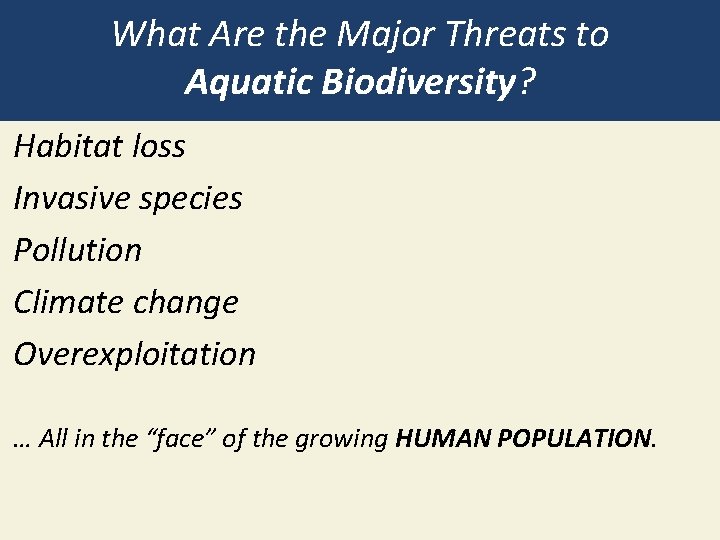
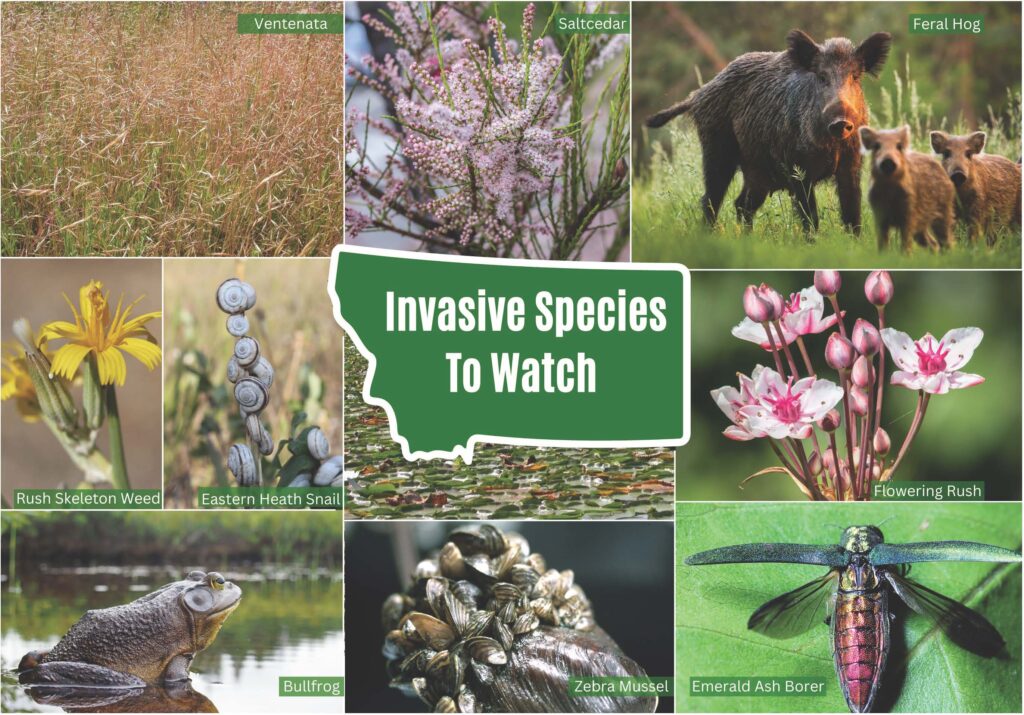
Invasive species can reduce native biodiversity by preying on, outcompeting, or hybridising with indigenous species. They may alter fire regimes, nutrient cycling, and water availability, leading to cascading effects throughout the food web. For example, invasive zebra mussels filter large volumes of water, removing phytoplankton that many native species rely on.
Economic and social costs
Damage to agriculture, forestry, fisheries, and infrastructure can run into billions of dollars annually. Invasive weeds choke irrigation systems, while invasive insects such as the emerald ash borer destroy valuable timber. Public health can also be affected; the Asian tiger mosquito spreads dengue and Zika viruses.
How Invasions Happen
Pathways of introduction
Common pathways include:
- International trade of live plants, pets, and wood products.
- Ballast water discharge from ships.
- Travelers carrying insects or seeds on clothing and luggage.
- Deliberate releases for horticulture, sport fishing, or biological control.
Traits that aid invasiveness
Species that reproduce quickly, tolerate a wide range of climates, and have few natural enemies in the new region are more likely to become invasive. Human‑altered landscapes, such as disturbed soils or urban areas, often provide ideal conditions for colonisation.
Notable Examples Around the World
- European rabbit (Oryctolagus cuniculus) – Introduced to Australia for hunting, it caused massive soil erosion and loss of native vegetation.
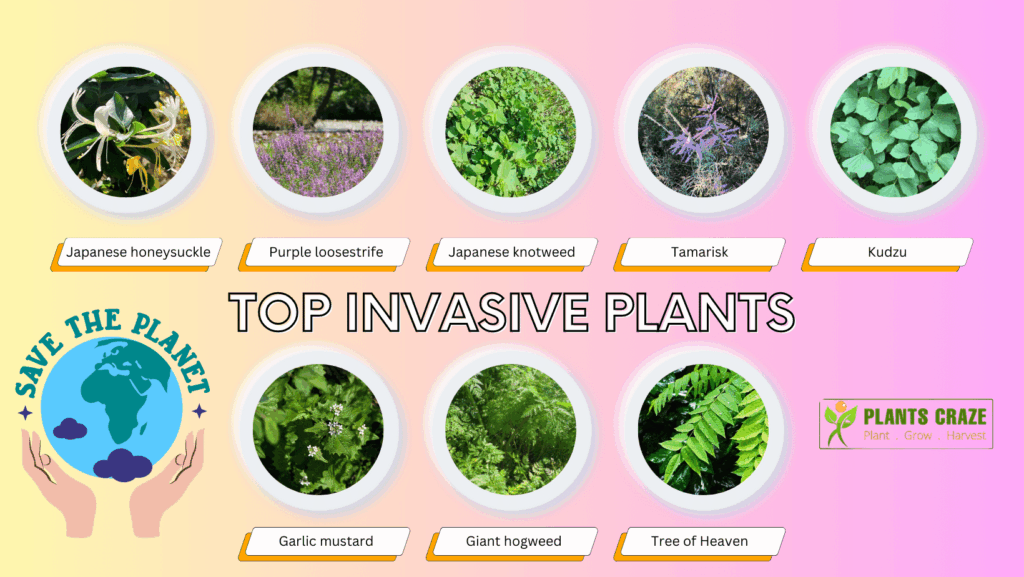
- Kudzu vine (Pueraria montana) – Brought to the southern United States for erosion control, it now smothers trees and shrubs, earning the nickname “the vine that ate the South.”
- Asian carp (multiple species) – Escaped from fish farms in the United States, they outcompete native fish for plankton and threaten the Great Lakes ecosystem.
- Brown tree snake (Boiga irregularis) – Accidentally introduced to Guam, it decimated native bird populations, leading to ecosystem collapse.
- Himalayan balsam (Impatiens glandulifera) – A fast‑growing garden plant that invades riverbanks across Europe, reducing habitat for native invertebrates.
Managing the Threat
Prevention and biosecurity
Strong border inspections, quarantine protocols, and public awareness campaigns are the most cost‑effective tools. Many countries require phytosanitary certificates for plant imports and treat ballast water to eliminate marine organisms.
Early detection and rapid response (EDRR)
Monitoring programs that use citizen science apps, traps, and regular surveys help spot new invasions early. Once detected, rapid eradication—often through mechanical removal, targeted pesticide use, or biological control—can prevent establishment.
Control and eradication methods
Control strategies vary by species:
- Mechanical removal: Hand‑pulling weeds, trapping mammals, or cutting invasive vines.
- Chemical control: Selective herbicides or insecticides applied according to integrated pest management guidelines.
- Biological control: Introducing a natural predator or pathogen from the species’ native range, after rigorous risk assessment.
Restoration after removal
Re‑establishing native vegetation and restoring habitat complexity are essential to prevent re‑invasion. Planting competitive native species can fill ecological niches left vacant by the removed invader.
Common Misconceptions
- Not all non‑native species are harmful; some integrate without noticeable impact.
- Invasions are not always visible; microscopic organisms like pathogens can cause major problems.
- Eradication is possible but often expensive; prevention remains cheaper than control.
- Climate change does not only create new invaders; it can also make existing invasives more aggressive.
What Can Individuals Do?
- Inspect outdoor equipment, boats, and garden plants before moving them between regions.
- Use native or locally approved plants in landscaping to reduce the chance of accidental spread.
- Report sightings of unfamiliar plants or animals to local extension services or invasive‑species hotlines.
- Participate in community removal events and support local conservation groups.
- Avoid releasing pets or aquarium species into the wild; opt for humane surrender or proper disposal.
Future Outlook
Globalisation and climate change are likely to increase both the number and severity of invasions. However, advances in genetic tools, improved risk‑assessment models, and growing public participation in monitoring offer hope. Coordinated international policies, combined with local stewardship, can keep invasive species from overwhelming ecosystems.
Conclusion
Invasive species pose a genuine, growing threat to biodiversity, economies, and human health. While not every non‑native organism becomes invasive, the potential for rapid, costly damage warrants serious concern and proactive action. By understanding pathways, supporting prevention, and engaging in early‑detection efforts, societies can limit the spread of harmful invaders and protect ecosystem resilience for future generations.
Frequently Asked Questions
What defines an invasive species?
An invasive species is a non‑native organism that establishes, reproduces, and spreads in a new environment, causing ecological, economic, or health harm. It must outcompete native species, alter habitats, or transmit diseases to be classified as invasive.
Why are invasive species a concern for economies?
Invasive species damage agriculture, forestry, fisheries, and infrastructure, leading to billions of dollars in losses. Examples include invasive weeds clogging irrigation systems and insects like the emerald ash borer destroying valuable timber.
How do invasive species typically arrive in new regions?
Common pathways include international trade of plants and pets, ballast water discharge from ships, travelers carrying seeds or insects, and deliberate releases for horticulture or sport fishing.
What are the most effective ways to prevent invasions?
Prevention relies on strong border inspections, quarantine measures, phytosanitary certifications, and public education. Early detection programs and rapid‑response eradication efforts are also critical to stop invasions before they become established.
What actions can individuals take to help control invasive species?
Individuals can inspect equipment before moving it, plant native species, report unknown organisms to local authorities, join removal events, and avoid releasing pets or aquarium species into the wild.





Leave a Comment