
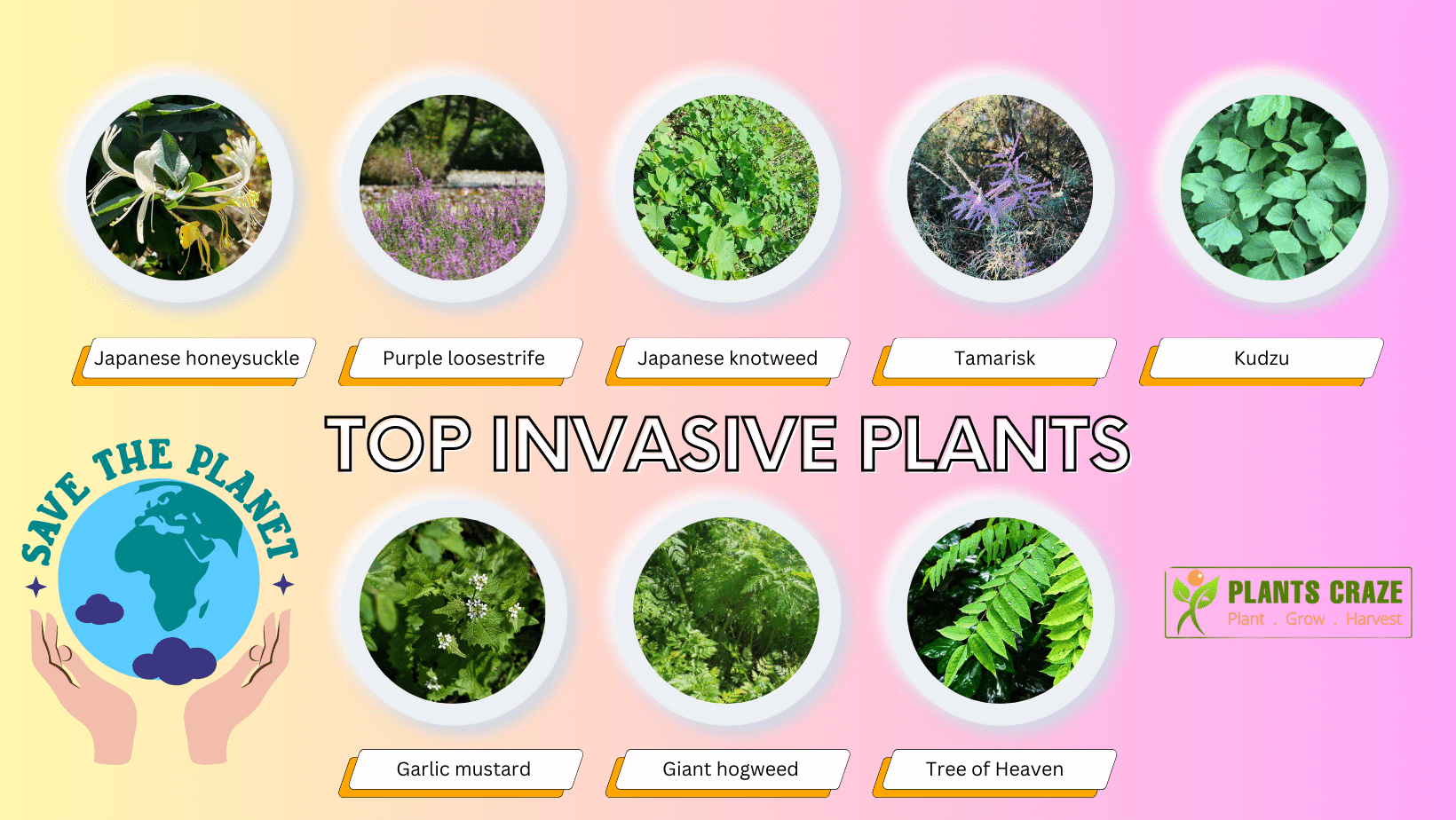
Invasive plants spread beyond their native ranges, outcompeting local species, disrupting ecosystem services, and imposing economic and cultural costs, making them a concern for all people.
Quick Answer
Invasive plants are non‑native species that establish, proliferate, and cause measurable harm to ecosystems, economies, or human well‑being. Their success stems from rapid growth, prolific seed production, and few natural predators, allowing them to dominate habitats and reduce biodiversity. The most significant impact is the loss of ecosystem services such as water filtration, soil stabilization, and habitat provision. While scientific consensus is strong on these mechanisms, uncertainty remains about the exact economic cost in some regions and the long‑term effectiveness of certain control methods.
Key Takeaways
- Invasive plants outcompete native flora, leading to reduced biodiversity and weakened ecosystem functions.
- Human activities—global trade, landscaping, and disturbance—are primary drivers of introductions.
- Economic impacts include billions of dollars in management costs and losses to agriculture and forestry.
- Effective responses combine prevention, early detection, and coordinated control, but each strategy has trade‑offs.
- Individuals can contribute by planting natives, reporting sightings, and supporting local restoration projects.
What Is It?
An invasive plant is a species introduced outside its historic range that spreads rapidly and causes ecological or socio‑economic harm. The term excludes garden escapees that remain harmless and focuses on organisms that form dense stands, alter fire regimes, or change nutrient cycles. Common examples include purple loosestrife (*Lythrum salicaria*) in North American wetlands, Japanese knotweed (*Fallopia japonica*) along European riverbanks, and kudzu (*Pueraria montana*) in the southeastern United States. Understanding invasiveness requires distinguishing the species’ biological traits from the pathways that move them across borders.
How Does It Work?
Biological Advantages
Invasive plants often possess a suite of traits: fast growth rates, high fecundity, flexible phenology, and tolerance of a wide range of soil and light conditions. These traits enable them to exploit disturbed sites quickly.
Dispersal Mechanisms
Seeds may be carried by wind, water, animals, or human transport of soil and equipment. Some species, such as water hyacinth (*Eichhornia crassipes*), float and colonize new water bodies rapidly.
Release from Natural Enemies
When removed from their native range, plants lose specialized herbivores, pathogens, and competitors that normally regulate their populations, a phenomenon known as “enemy release.”
Feedback Loops
Dense stands can alter fire intensity, soil chemistry, or hydrology, creating conditions that further favor the invader and suppress natives—a positive feedback loop that can lock ecosystems into degraded states.
What Does the Evidence Show?
Long‑term monitoring by the U.S. Department of Agriculture and Canada’s Invasive Species Centre documents that invasive plants have reduced native plant richness by 20‑50 % in many temperate grasslands (evidence: moderate). Meta‑analyses of 68 field experiments indicate that invasive species often decrease above‑ground biomass of native communities by an average of 30 % (evidence: strong). Economic assessments estimate that the United States spends roughly $137 billion annually on invasive species management across all taxa, with plants accounting for a substantial share (evidence: moderate, based on USDA Economic Research Service, 2020). Climate‑change models suggest that warming will expand suitable habitats for many invaders, potentially increasing their range by 10‑30 % by 2050 (evidence: emerging, model‑based).
Main Causes or Drivers
Global Trade and Travel
Shipping containers, ornamental horticulture, and recreational activities transport seeds across continents. The ornamental plant market is a major pathway; for example, over 70 % of recorded invasive plant introductions in the United States originated from horticultural imports (evidence: strong).
Land‑Use Change
Disturbance from agriculture, urban expansion, and fire creates open niches that invasive species readily colonize.
Climate Change
Warmer temperatures and altered precipitation patterns shift species’ climatic envelopes, allowing some invaders to survive in previously unsuitable regions.
Inadequate Biosecurity
Gaps in inspection protocols and delayed response times enable early‑stage populations to become established before eradication is feasible.
Environmental and Human Impacts
Environmental Impacts
Invasive plants reduce habitat complexity, leading to declines in pollinators, birds, and amphibians that depend on native vegetation. They can also impair water quality by increasing sedimentation and nutrient loading, as seen with dense stands of *Eichhornia crassipes* that block waterways.
Human Health and Social Impacts
Some invaders produce allergens or toxic compounds; for instance, giant hogweed (*Heracleum mantegazzianum*) causes severe skin burns. Cultural impacts arise when invasive species displace plants used in traditional medicines, crafts, or spiritual practices, eroding Indigenous knowledge systems.
Economic and Infrastructure Impacts
Management costs include mechanical removal, herbicide application, and restoration planting. In the U.S. Midwest, kudzu infestations have increased fence repair expenses for farmers by an estimated $45 million per year (evidence: limited). Invasive aquatic plants can clog irrigation channels, reducing water delivery efficiency.
Regional Differences
In temperate North America, invasive grasses such as cheatgrass (*Bromus tectorum*) intensify wildfire frequency, whereas in tropical Asia, invasive vines like *Mikania micrantha* overrun forest understories, hindering regeneration. Island ecosystems often suffer disproportionate losses because native species have evolved in isolation and lack defenses against aggressive newcomers.
What Scientists Know With High Confidence
- Invasive plants can significantly lower native species richness and alter community composition.
- Human‑mediated transport is the dominant pathway for introductions.
- Early detection and rapid response are the most cost‑effective management strategies.
- Enemy release and high reproductive output are key biological mechanisms driving invasiveness.
What Remains Uncertain
Uncertainties include the precise long‑term economic burden of plant invasions in low‑income regions, the effectiveness of biological control agents under changing climate conditions, and how synergistic effects with other stressors (e.g., pollution) modify invasion outcomes. Improved global monitoring networks and standardized reporting would reduce these gaps.
Common Misconceptions
Misconception: All non‑native plants are harmful.
Reality: Many introduced species coexist without noticeable impact; only a subset become invasive by outcompeting natives or altering ecosystem processes.
Misconception: Invasive plants are only a problem in wilderness areas.
Reality: Urban parks, agricultural fields, and even residential gardens can host invasive species that spread to adjacent natural habitats.
Misconception: Chemical herbicides are the only way to control invasives.
Reality: Integrated approaches—mechanical removal, targeted grazing, and biological control—can be effective and reduce reliance on chemicals, though each method has context‑specific limitations.
Solutions and Limitations
Effective management integrates three pillars:
- Prevention: Strengthening border inspections and public education reduces introductions, but requires sustained funding and international cooperation.
- Early Detection & Rapid Response (EDRR): Monitoring networks can locate new infestations quickly; however, detection is limited by resources and remote‑area accessibility.
- Restoration and Control: Mechanical removal can be labor‑intensive; herbicides may affect non‑target species; biological control agents risk unintended impacts on related native plants.
All strategies involve trade‑offs between cost, ecological risk, and social acceptance, underscoring the need for adaptive management frameworks.
What Individuals, Communities, and Governments Can Do
What Individuals Can Do
- Choose native or non‑invasive plants for landscaping.
- Remove small invasive seedlings promptly and report larger infestations to local extension services.
- Participate in citizen‑science mapping projects (e.g., iNaturalist) to improve detection.
What Communities and Organizations Can Do
- Establish volunteer removal events and native‑plant restoration sites.
- Develop local databases of high‑risk species and share best‑practice guidelines.
- Partner with schools to educate youth about invasive species identification.
What Governments Can Do
- Enact and enforce strict import regulations and quarantine measures.
- Fund regional EDRR programs and subsidize native‑plant nurseries.
- Integrate invasive‑species considerations into land‑use planning, fire‑management, and climate‑adaptation policies.
Closing Synthesis
Invasive plants represent a clear, evidence‑based threat to biodiversity, ecosystem services, and human livelihoods. Their success is driven by biological traits, human‑mediated dispersal, and environmental change. High‑confidence research confirms that they reduce native richness and that early, coordinated action is most cost‑effective. Remaining uncertainties revolve around regional economic impacts and the future efficacy of control under climate stress. By combining prevention, rapid response, and restoration—while acknowledging each approach’s limits—society can mitigate the pervasive influence of invasive plants and protect the ecological foundations we all depend on.
Frequently Asked Questions
What defines an invasive plant?
An invasive plant is a non‑native species that spreads rapidly in a new area and causes measurable ecological, economic, or social harm by outcompeting native species.
How do invasive plants spread so quickly?
They use high seed production, wind or water dispersal, animal movement, and human activities such as trade and landscaping, often thriving because they lack natural predators in the new environment.
What are the biggest economic impacts of invasive plants?
In the United States, invasive species management—including plants—costs roughly $137 billion annually, with expenses arising from removal, herbicide use, and loss of agricultural productivity.
Can individuals help control invasive plants?
Yes. People can plant native species, remove small invasive seedlings, report larger infestations to local agencies, and join citizen‑science projects that improve early detection.
Why is early detection more effective than later control?
Early detection catches populations before they form large, dense stands, reducing the labor, chemicals, and money needed for removal and increasing the chance of successful eradication.





Leave a Comment