
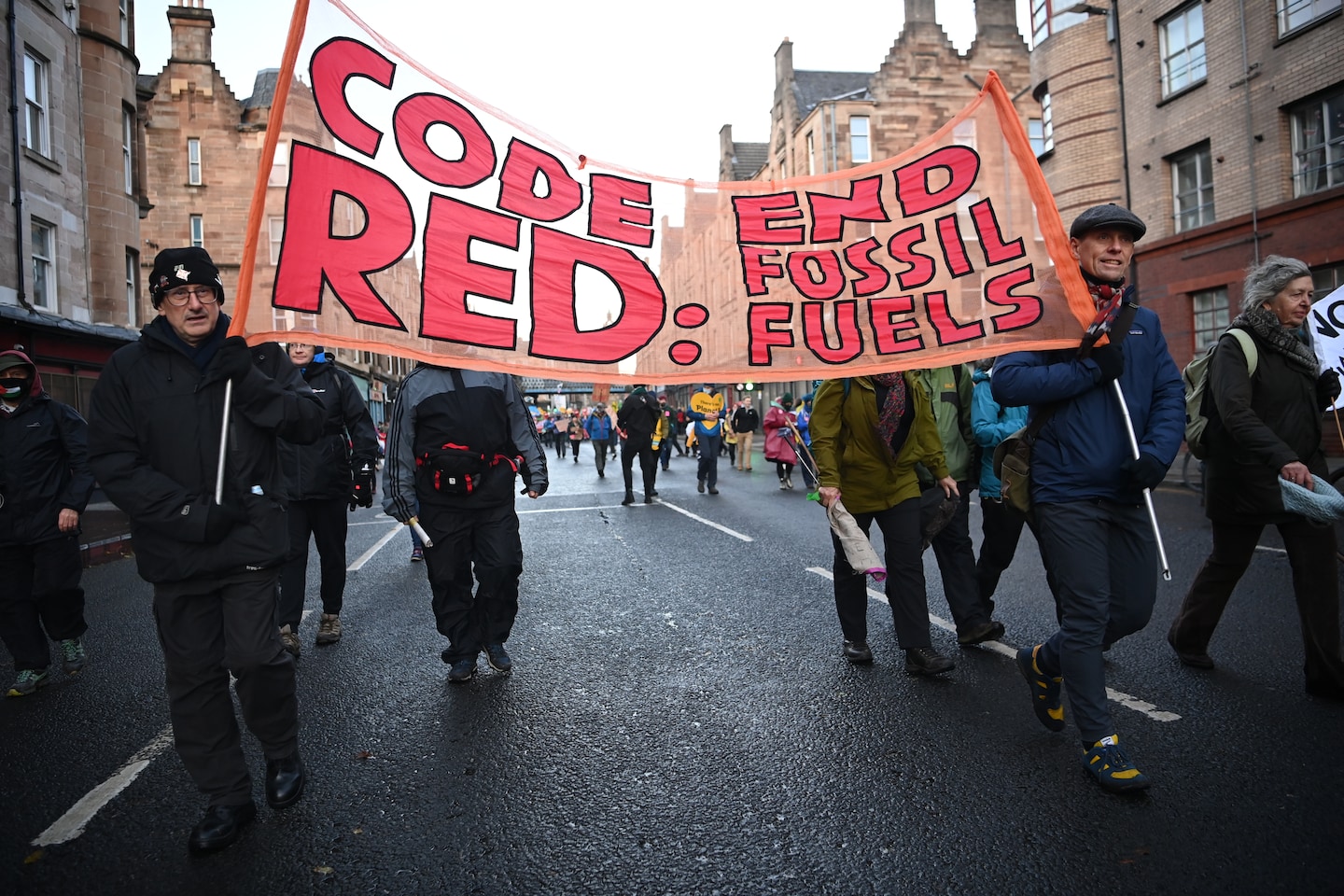
UN assessments show that current national climate pledges are projected to cut global greenhouse‑gas emissions by only about 12 % by 2030, far short of the reductions needed to limit warming to 1.5 °C.
Quick Answer
Nationally Determined Contributions (NDCs) submitted under the Paris Agreement collectively amount to an estimated 12 % reduction in global CO₂‑equivalent emissions by 2030 relative to 2010 levels, according to the United Nations Environment Programme’s 2023 Emissions Gap Report. This figure is derived from inventory data, policy analysis, and scenario modelling, and it falls well below the roughly 45 % cut required to keep global temperature rise within 1.5 °C. The shortfall reflects gaps in policy implementation, limited ambition, and persistent reliance on fossil‑fuel energy, creating substantial uncertainty about meeting long‑term climate goals.
Key Takeaways
- Current NDCs deliver only about 12 % emissions reduction by 2030, far below the 45 % pathway needed for 1.5 °C.
- Economic dependence on coal, oil, and gas, and uneven policy enforcement are primary reasons for the gap.
- High‑confidence evidence shows that without stronger mitigation, climate impacts will intensify across regions.
- Solutions such as rapid renewable deployment, carbon pricing, and equitable policy design can narrow the gap, but each has trade‑offs.
- Individual actions matter when combined with collective advocacy for systemic change.
What Is UN Says Climate Pledges Put World on Track for Just 12% Emissions Cuts?
The phrase refers to the finding in the United Nations Environment Programme (UNEP) “Emissions Gap Report” that the sum of all pledged Nationally Determined Contributions (NDCs) under the Paris Agreement would lower global greenhouse‑gas emissions by roughly 12 % by the target year 2030. An NDC is a country‑level plan that outlines how it intends to reduce emissions and adapt to climate change. The 12 % figure is a projection, not an observed reduction, and it is measured against a 2010 baseline, the reference year used in most international climate accounting.
How Does It Work?
1. Submitting NDCs
Each Party to the Paris Agreement submits an NDC that quantifies its intended emissions trajectory, often expressed as a percentage reduction relative to a base year.
2. Aggregating Commitments
UN agencies compile all NDCs, adjust for overlapping sectors, and convert them into a common metric of CO₂‑equivalent emissions.
3. Modelling Future Emissions
Integrated assessment models (e.g., those used by the Intergovernmental Panel on Climate Change) simulate how the pledged policies would affect energy use, land‑use change, and industrial processes up to 2030.
4. Comparing to Climate Pathways
The modeled emissions are compared with pathways that limit warming to 1.5 °C or 2 °C. The difference between the pledged pathway and the 1.5 °C pathway is described as the “emissions gap.”
What Does the Evidence Show?
Multiple independent assessments converge on the same conclusion: current NDCs are insufficient. The UNEP 2023 report, the International Energy Agency’s World Energy Outlook 2023, and the IPCC Sixth Assessment Report (AR6) all estimate a global emissions reduction of only 10‑15 % by 2030 relative to 2010 levels when policies are fully implemented. Observational data from national inventories confirm that many countries are not on track to meet even their own stated targets, indicating a gap between pledged ambition and on‑the‑ground action.
Main Causes or Drivers
Economic Inertia
Countries with economies heavily reliant on coal, oil, or natural gas face higher transition costs, leading to modest pledged cuts.
Political Constraints
Domestic electoral cycles, lobbying by fossil‑fuel interests, and public resistance to higher energy prices often dilute policy ambition.
Insufficient Financing
Developing nations cite a lack of climate finance to support clean‑energy infrastructure, resulting in less aggressive NDCs.
Technical and Institutional Gaps
Limited capacity for accurate emissions monitoring and regulatory enforcement hampers implementation.
Environmental and Human Impacts
Environmental Impacts
Without deeper cuts, the world is projected to exceed the 1.5 °C threshold by the early 2030s, leading to accelerated sea‑level rise, more frequent extreme heatwaves, and expanded desertification. Ecosystem services such as pollination and freshwater regulation are at heightened risk.
Human Health and Social Impacts
Higher temperatures increase heat‑related mortality, especially among the elderly and outdoor workers. Air‑quality degradation from continued fossil‑fuel combustion exacerbates respiratory diseases, disproportionately affecting low‑income urban populations.
Economic and Infrastructure Impacts
Inadequate mitigation raises the probability of climate‑related damages costing billions of dollars annually, from flood damage to loss of agricultural productivity, with the greatest burden falling on vulnerable economies.
Regional Differences
High‑income nations in Europe and North America generally submit more ambitious NDCs, yet many still fall short of the 45 % reduction pathway. In contrast, rapidly developing economies in South Asia and Sub‑Saharan Africa often prioritize economic growth over emissions cuts, resulting in lower‑percentage pledges but higher per‑capita emissions growth. Small island states, while contributing minimally to global emissions, face the most severe exposure to sea‑level rise and storm surges, highlighting a stark equity gap.
What Scientists Know With High Confidence
- Human activities, principally the burning of fossil fuels, are the dominant driver of observed warming since the mid‑20th century.
- Limiting warming to 1.5 °C requires a global net‑zero CO₂ emissions around 2050 and a total reduction of about 45 % by 2030 compared with 2010.
- Current NDCs, as aggregated by UNEP, would achieve only ~12 % reduction by 2030.
- The magnitude of climate impacts scales with cumulative emissions; every fraction of a degree matters for sea‑level rise and extreme weather frequency.
What Remains Uncertain
Key uncertainties include the speed of technology diffusion for renewables and storage, the future trajectory of climate finance to developing nations, and the degree to which policy ambition will be revised in the next round of NDC submissions (2025‑2026). Additionally, the interaction of climate feedbacks such as permafrost carbon release introduces model‑based uncertainty that could alter the emissions gap.
Common Misconceptions
Misconception: “A 12 % cut is enough because the world is already cooling.”
Reality: Global temperature trends show a continued rise; a 12 % cut is far below the pathway required to stabilize warming, and the planet has not entered a cooling phase.
Misconception: “Individual lifestyle changes can offset the shortfall in national pledges.”
Reality: While personal carbon‑footprint reductions are valuable, the scale of emissions from energy, industry, and transport sectors means systemic policy and infrastructure shifts are essential for meeting the needed cuts.
Misconception: “Developing countries are the main cause of the emissions gap.”
Reality: High‑income nations historically contributed the majority of cumulative emissions and still hold the largest per‑capita emissions; the gap is largely driven by insufficient ambition across all economies.
Solutions and Limitations
Effective response strategies fall into mitigation, adaptation, and supportive policies.
- Rapid renewable energy deployment: Solar and wind are now cost‑competitive, but grid integration and storage remain challenges, especially in regions with limited investment capacity.
- Carbon pricing mechanisms: Taxes or cap‑and‑trade can internalize climate costs, yet political resistance and concerns about regressive impacts can limit adoption.
- Energy efficiency standards: Building codes and appliance standards deliver quick emissions cuts, but enforcement varies widely.
- Climate finance: Scaling up the $100 billion annual pledge to developing nations can enable greener infrastructure, though tracking and disbursement mechanisms need strengthening.
- Nature‑based solutions: Restoring forests and wetlands sequesters carbon, yet land‑competition and permanence issues limit their net contribution.
What Individuals, Communities, and Governments Can Do
What Individuals Can Do
Adopt energy‑efficient appliances, reduce unnecessary air travel, support renewable energy plans through community solar or green tariffs, and engage in local climate advocacy to push for stronger municipal policies.
What Communities and Organizations Can Do
Develop district‑wide energy‑transition plans, invest in public transit, create local carbon‑pricing pilots, and partner with NGOs to secure climate finance for local projects.
What Governments Can Do
Raise the ambition of NDCs to align with the 45 % pathway, enact legally binding emissions targets, implement comprehensive carbon pricing, and allocate predictable climate finance to vulnerable regions.
What Businesses and Industries Can Do
Set science‑based targets, transition supply chains to low‑carbon inputs, invest in low‑emission technologies, and disclose climate‑related financial risks in line with the Task Force on Climate‑Related Financial Disclosures (TCFD) framework.
Closing Synthesis
The UN’s 12 % emissions‑cut projection starkly illustrates the gap between current climate pledges and the reductions required to limit warming to 1.5 °C. High‑confidence science confirms that deeper, faster cuts are essential to avoid severe environmental and human harms. While uncertainties remain around technology diffusion and financing, the evidence base for proven mitigation measures is robust. Achieving the needed trajectory will require coordinated action: more ambitious national policies, accelerated clean‑energy deployment, equitable financing, and engaged civil society. Only by narrowing the emissions gap can the world move toward a climate‑stable future.
Frequently Asked Questions
What does the 12% emissions cut figure represent?
It represents the projected reduction in global greenhouse‑gas emissions by 2030 relative to 2010 levels, based on the combined Nationally Determined Contributions (NDCs) submitted under the Paris Agreement, as calculated in the UNEP 2023 Emissions Gap Report.
Why are current NDCs insufficient to meet the 1.5 °C target?
Current NDCs collectively achieve only about a 12% cut, whereas the IPCC indicates a roughly 45% reduction by 2030 is needed; the shortfall stems from limited ambition, economic reliance on fossil fuels, weak policy enforcement, and inadequate financing.
Which high‑confidence findings link human activity to climate change?
Human activities, especially fossil‑fuel combustion, are the dominant driver of warming; limiting warming to 1.5 °C requires about a 45% emissions reduction by 2030; current NDCs deliver only ~12%; and climate impacts scale with cumulative emissions.
What are the main barriers to achieving deeper emissions cuts?
Key barriers include economic inertia from fossil‑fuel‑dependent economies, political constraints such as electoral cycles and lobbying, insufficient climate finance for developing nations, and technical or institutional gaps in emissions monitoring and enforcement.
What actions can governments take to close the emissions gap?
Governments can raise NDC ambition to align with the 45% pathway, enact legally binding emissions targets, implement comprehensive carbon pricing, and provide predictable climate finance to support clean‑energy transitions in vulnerable regions.






Leave a Comment